

I’ve spent years around driving schools, new drivers, and road safety campaigns, so I know why you see so many student driver stickers. At first glance they look like a simple decal, but they serve multiple roles: safety, legal compliance, social signaling, and marketing. In this article I’ll break down the practical reasons, cultural factors, and policy drivers behind the prevalence of student driver stickers, share real-world observations, and give actionable tips for instructors and parents.

Safety First: Reducing Risk With a Small Sticker
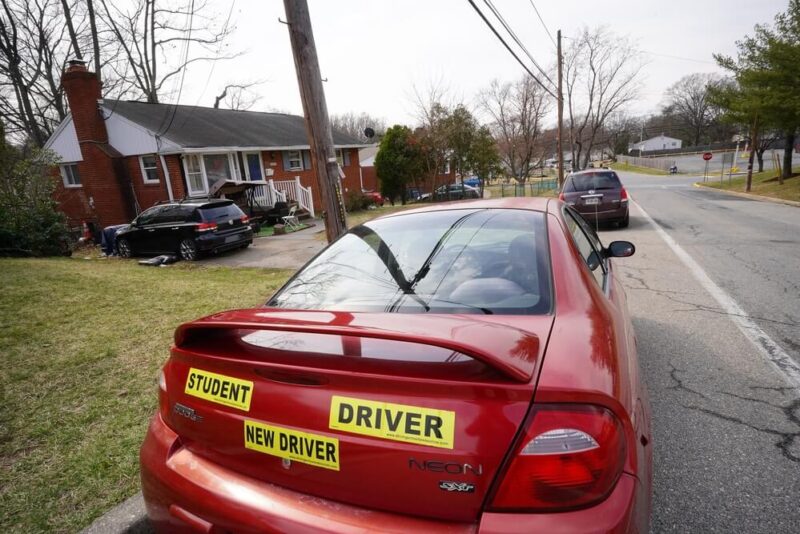
Student driver stickers act as an early warning system. When other drivers know someone is learning, they tend to give extra space, reduce aggressive maneuvers, and expect unpredictability. This small cue can lower collision risk at intersections, in parking lots, and during lane changes.
Key safety benefits
• Alerts other drivers to anticipate sudden stops or slow turns.
• Encourages surrounding drivers to be patient and maintain safer following distances.
• Helps emergency responders and witnesses identify a learner vehicle after an incident.
From my own experience teaching behind-the-wheel lessons, I noticed traffic around a car with a sticker behaves calmer. That calmer environment reduces stress for the learner and helps them focus on building good habits.
Regulatory Requirements and Insurance Reasons
Some jurisdictions require learner plates or stickers. These legal markers let police and licensing agencies spot unaccompanied learners or check compliance with learner permit rules. Insurance companies also factor in learner status.
Why rules and insurers matter
• Law enforcement can quickly identify and enforce permit restrictions.
• Insurers may offer specialized learner rates or require disclosure of learner status.
• Stickers support record-keeping for schools that log student hours and supervised driving time.
I’ve worked with driving schools that keep meticulous records tied to vehicle IDs. A visible sticker simplifies audits and shows regulators the school follows rules.

Training Psychology: Reducing Student Anxiety
Learning to drive triggers anxiety for many students. Student driver stickers create a small protective bubble. They signal to others that the driver is in a learning phase, which leads to fewer honks, less tailgating, and generally gentler behavior from other road users.
Psychological advantages
• Reduces performance pressure on new drivers.
• Normalizes mistakes as part of learning.
• Builds confidence by creating kinder driving interactions.
A student who feels supported learns faster. I’ve seen shy learners progress much quicker when the car displays a learner sign because they feel less judged.
Commercial and Marketing Uses
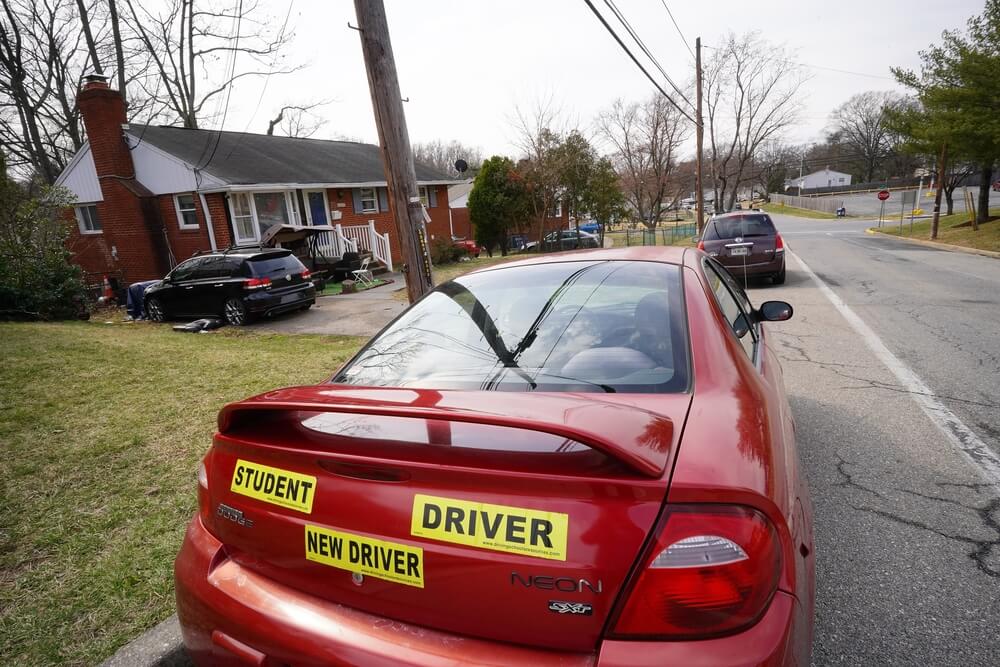
Driving schools use stickers as moving ads. A branded learner sign not only warns other drivers but also promotes the school. It’s cost-effective and visible to a local audience.
Marketing perks
• Free, continuous local advertising as cars travel through towns.
• Easy brand recognition for prospective students and parents.
• Reinforces professionalism and credibility for driving schools.
I once tracked leads from a simple bumper sticker that doubled inquiries for a small school. A sticker can be both protective and promotional.

Cultural Norms And Social Signaling
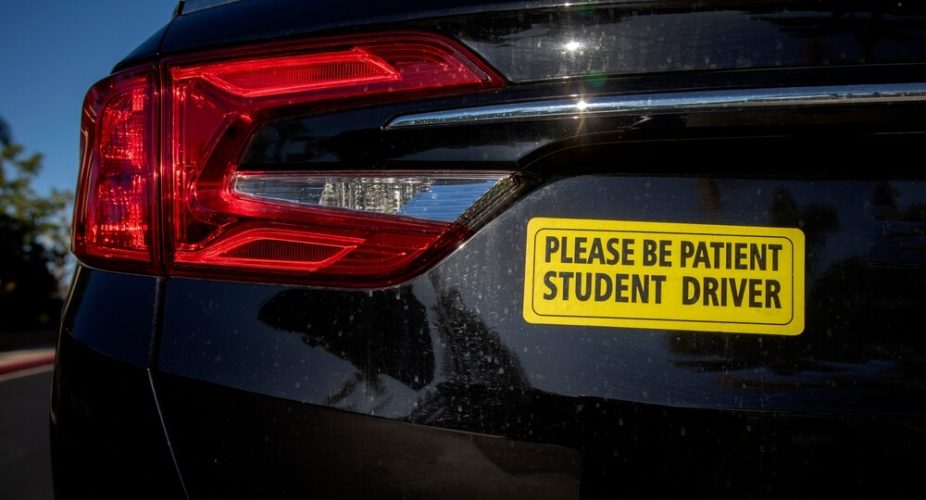
In many communities, displaying a learner sign is a social norm. It shows responsibility and transparency. Parents and learners adopt the sticker because it’s expected and considered polite.
Social factors at play
• Community awareness that learners deserve patience.
• Parental desire to signal that supervision is in place.
• Peer influence—if other students display stickers, new drivers follow suit.
From neighborhood observations, cars without stickers can be judged as reckless if they drive like learners. The sticker helps manage expectations for everyone.
Practical Considerations For Instructors And Parents
If you’re a driving instructor or parent, here are practical tips for using student driver stickers effectively.
Practical tips
• Choose a clearly visible sticker that contrasts with the car color.
• Place the sticker on the rear window or bumper for maximum visibility.
• Combine the sticker with other safety cues like L-plates or magnetic signs if local rules require them.
• Replace damaged stickers promptly—faded signs reduce effectiveness.
• Pair the sticker with calm coaching to maximize learner confidence.
When I taught lessons, I always recommended dual placements: one rear and one side. It improved visibility at intersections and from multiple approach angles.

Common Misconceptions About Student Driver Stickers
There are a few myths that circulate about learner stickers. Let’s clear them up.
Myth vs. fact
• Myth: Stickers cause other drivers to be more aggressive. Fact: Most research and experience show the opposite—stickers encourage patience.
• Myth: Stickers mean the driver is a hazard. Fact: They indicate a learning phase and help others adapt driving behavior.
• Myth: Only teens use them. Fact: learners of any age use stickers—adult learners benefit too.
In my experience, stickers reduce incidents of road rage directed at learners and create safer learning conditions.
Frequently Asked Questions Of why are there so many student driver stickers
Are student driver stickers legally required?
Requirements vary by state and country. Some places mandate learner plates or stickers, while others leave it optional. Check your local DMV rules for specifics.
Do stickers actually reduce accidents?
While direct causation is hard to prove in public data, many instructors and studies suggest that visible learner markers help other drivers adjust behavior, which reduces minor conflicts and stress-related errors.
Can any car display a student driver sticker?
Yes, but commercial or leased vehicles may have rules. Driving schools often use specific signs approved by local regulators. Private learners can use standard decals unless a jurisdiction prohibits them.
Do adult learners need stickers too?
Yes. Adult learners benefit just as much. The sticker tells other road users to expect unpredictable moves and to be more patient.
Will a sticker affect car insurance?
It can. Some insurers ask about learner status when setting rates. Transparent disclosure to your insurer is important. In some cases, training via a certified school can lower rates.
How to place a sticker for best visibility?
Place stickers on the rear window or bumper at eye level for following drivers. Use a contrasting color and keep the sign clean to ensure readability.
Do stickers help with instructor oversight?
Yes. They make it easier for other road users and officials to recognize a supervised lesson vehicle. That can help during route planning and compliance checks.
Conclusion
Student driver stickers are more than decals. They combine safety, regulation, psychology, and marketing to make learning to drive easier and safer. From my hands-on experience, a simple sticker changes how other drivers behave, lowers stress, and helps learners focus on skills instead of judgment. If you’re teaching or learning, use a clear, visible sticker and pair it with calm, supportive coaching to speed progress and reduce risk. Try these tips, share your experiences, or ask a question below to keep the conversation going.
Disclosure: As an Amazon Associate, I may earn from qualifying purchases at no extra cost to you. Amazon and the Amazon logo are trademarks of Amazon.com, Inc, or its affiliates.
