

I’ve taught and coached new drivers for years, seen fender benders and worse, and helped families work through the aftermath. If a student driver crashes, the situation quickly becomes a mix of safety, legal, insurance, and emotional issues. This guide breaks down what happens step by step, what you should do right away, and how to handle the follow-up with confidence. My goal is to give practical, experience-backed answers so you can act wisely if the unthinkable happens.

Immediate Steps After a Crash
The first minutes after a crash determine safety and how smoothly things move later. Stay calm and focus on these actions.
- Check for injuries. Call 911 if anyone is hurt or if airbags deployed.
- Move to safety. If the car is drivable and it’s safe, move it out of traffic. If not, turn on hazard lights and stay inside if the road is dangerous.
- Call the police. Even minor crashes often need a report for insurance and licensing reasons.
- Exchange information. Get names, phones, license plate numbers, and insurance info from everyone involved. Take photos of damage and the scene.
- Notify the instructor or supervising driver. If the crash happened during a lesson, tell the driving school right away.
- Document your memory. Write down what you remember while it’s fresh, including weather, time, and what each driver did.
These steps protect safety and create a clear record for what happens next.
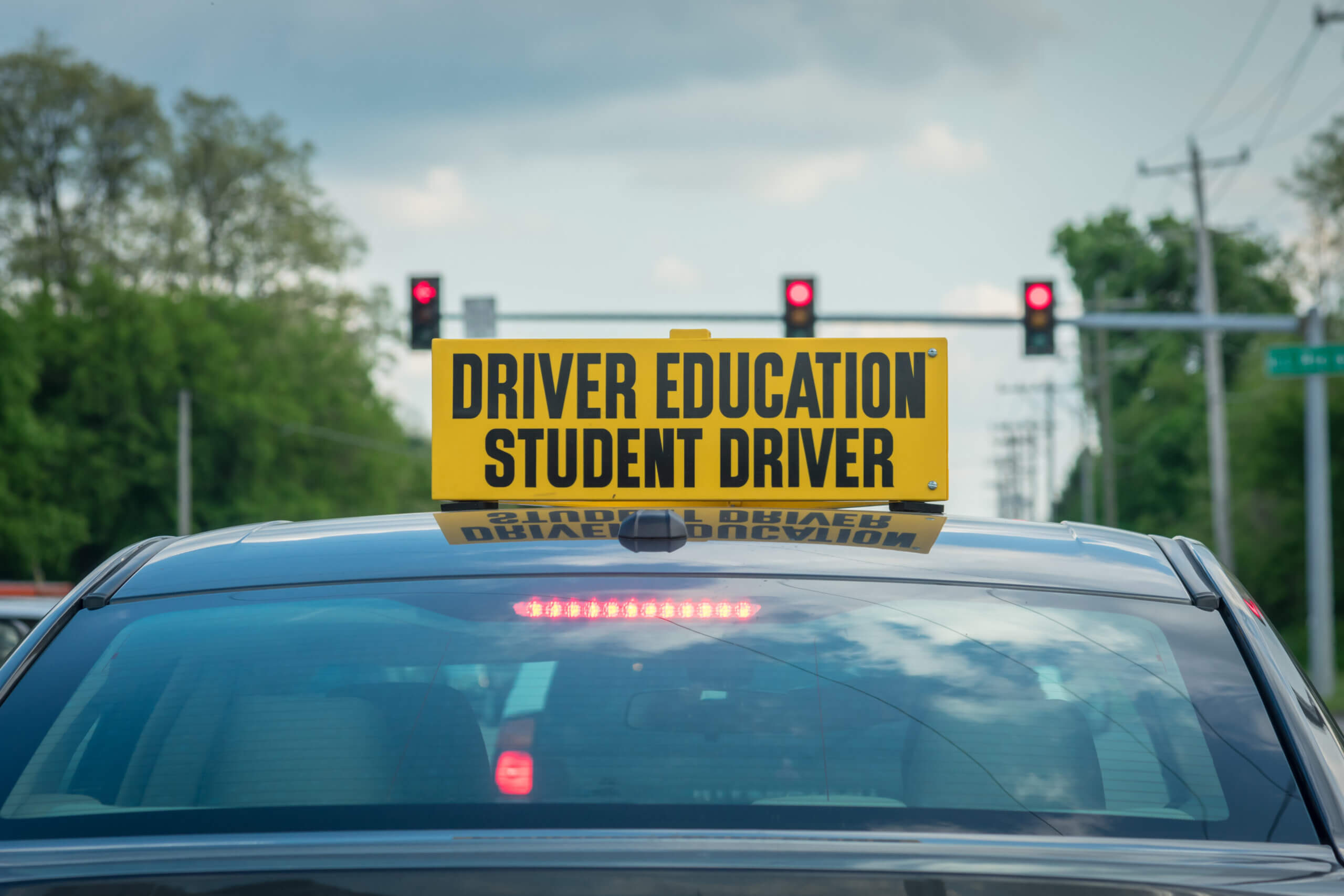
Who Is Legally Responsible?
Responsibility depends on fault, local laws, and who was supervising.
- Student driver is often treated like any driver. If they caused the crash, they can be cited.
- Supervising adult or instructor may share responsibility if they were negligent—for example, by giving poor instructions or not intervening when needed.
- Driving school could be liable if vehicle maintenance or instructor training was inadequate.
- Legal outcomes vary by state. Some places have strict rules for learner restrictions that affect liability.
If a citation is issued, the student or supervising adult may need to appear in court. Consult a traffic lawyer for disputes or serious injury cases.
Insurance Implications
Insurance is where many families feel the real impact after a student crash.
- Which policy covers the damage? Typically the vehicle owner’s insurance is primary, whether a parent or driving school.
- Fault affects rates. If the student is responsible, the owner’s insurer may raise premiums after a claim.
- Claims vs. out-of-pocket. For minor damage, paying out-of-pocket might avoid a rate hike. For larger losses, file a claim.
- Student driving record. A crash on a learner’s permit can appear on the driving record and influence future insurance costs.
- Rental and repairs. Ask the insurer about rental car coverage and approved repair shops.
Document everything and contact your insurer quickly. Honest, prompt reporting helps avoid claim denials.
What Drives Legal Penalties and Licensing Consequences?
Consequences depend on severity, fault, and local rules about learner drivers.
- Traffic tickets. Speeding, failing to yield, or other violations can lead to fines or points on the license.
- Permit restrictions. Some states add penalty points or extend the learner period after a crash.
- Suspensions or revocations. Serious crashes, DUI, or repeated infractions can delay licensing or suspend permits.
- Civil lawsuits. Injured parties can sue for damages. In those cases, legal counsel is crucial.
- Criminal charges. If negligence caused serious injury or death, criminal charges may follow.
Keep records of court dates and consult an attorney for significant legal exposure.
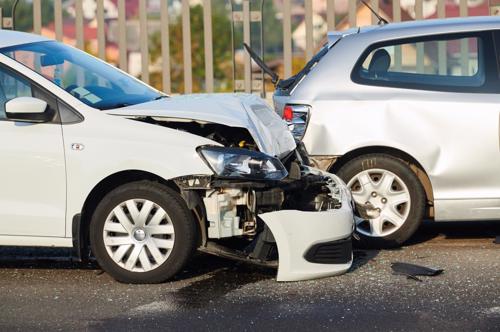
Emotional and Educational Aftercare
A crash can shake confidence. How you respond emotionally affects a student’s recovery.
- Immediate support. Stay calm, listen, and avoid blame. Reassure the student that safety matters most.
- Counseling if needed. For severe incidents, consider professional help for trauma or anxiety.
- Reflective debrief. Discuss what went wrong calmly and constructively. Focus on lessons, not shame.
- Practice plan. Schedule supervised, low-stress driving sessions to rebuild skills. Start in empty lots and quiet streets.
- Update training. Use the crash as a learning moment—review hazard scanning, speed control, and decision-making.
My experience: treating the crash as a teachable moment works far better than punishment. I once guided a student through a minor parking-lot crash and after structured practice they regained confidence in weeks.
Repair, Replacement, and Financial Recovery
Repair and financial steps often take the longest to resolve.
- Tow and estimate. Get the car to a reputable shop and obtain a written estimate.
- Total loss. If repair costs exceed vehicle value, the insurer may declare it totaled and offer a payout.
- Deductibles. Know your deductible amount and who will pay it. Parents often cover it for learner drivers.
- Loan or lease concerns. If the car is financed or leased, notify the lender or leasing company about the crash.
- Long-term costs. Expect higher insurance premiums for several years after an at-fault collision.
Plan for transportation while repairs happen. Consider temporary alternatives like rideshare or a loaner car.
Preventing Future Crashes
Prevention is the best cure. These practical measures reduce risk.
- Structured learning. Use certified instructors and clear lesson plans.
- Gradual exposure. Start in low-risk areas and increase complexity slowly.
- Teach hazard perception. Practice scanning, defensive positioning, and anticipating others.
- Phone-free driving. Enforce strict no-phone rules for learners and supervisors.
- Simulate emergencies. Practice controlled stops, evasive maneuvers, and skid recovery where safe.
A steady, patient teaching approach prevents many common learner-driver mistakes.
Personal Lessons Learned
From my years training new drivers, a few lessons stand out.
- Prepare emotionally. Learners who expect mistakes handle them better.
- Supervision matters. Quietly guiding a student is different from micromanaging or staying silent when intervention is needed.
- Real-world practice beats only classroom instruction. Parking lots, highways, and inclement weather must be part of training.
- Paperwork saves headaches. Always photograph damage and collect witness details after any incident.
One real instance: a student panicked and froze at an intersection. A calm instructor who took the wheel prevented a T-bone. We debriefed, then practiced intersection choices repeatedly. That student became a cautious, confident driver.
Frequently Asked Questions Of What Happens If A Student Driver Crashes
1. Will the student’s parent be responsible for the damages?
Often the vehicle owner’s insurance covers the damage first. If the parent owns the car, their policy usually pays claims. Legal responsibility can vary, but financially the owner’s insurer is primary.
2. Can a learner’s permit be suspended after a crash?
Yes. Depending on the crash severity, local laws, and whether violations occurred, a permit can be suspended or additional requirements may be imposed.
3. Should I call the police for a minor parking-lot scrape?
It depends on local rules and your insurance needs. If damage is very minor and private, exchanging info may suffice. However, a police report can help with insurance claims and disputes.
4. Will the crash appear on the student’s driving record?
Serious crashes and citations usually appear on driving records. Minor incidents without citations may not, but insurers may still ask about prior claims.
5. How soon should I report the crash to my insurance company?
Report as soon as possible. Prompt reporting prevents claim disputes and lets the insurer advise on towing, repairs, and next steps.
6. Do driving schools have extra protections for student crashes?
Many schools carry commercial insurance and follow safety protocols. But coverage and liability depend on the school’s policies and the crash circumstances.
7. Is it better to pay out-of-pocket for small repairs?
Sometimes yes. Paying out-of-pocket for small repairs can avoid a claims history and a premium increase. Compare repair cost to expected long-term insurance impact.
8. What if the instructor was at fault?
If an instructor’s action or negligence contributed, they or the driving school could be held partly responsible. Document the events and consult legal counsel if needed.
9. How do I help my child recover emotionally after a crash?
Offer calm, nonjudgmental support. Encourage talking through feelings, provide professional counseling if needed, and rebuild skills with short, positive practice sessions.
10. When should I get a lawyer?
For serious injury, disputed fault, or potential criminal charges, consult a lawyer early. For minor property claims, an attorney is usually not necessary.
Final Thoughts
A crash involving a student driver triggers safety checks, legal steps, insurance claims, and emotional recovery. Acting quickly, documenting clearly, and responding calmly make a big difference. Treat the event as both a problem to solve and a learning opportunity. Take practical steps now: review your insurance, set clear rules for learners, and plan structured practice that builds real skills. If you found this helpful, try one step today—review your learner rules or set a supervised practice schedule—and share your story or questions below.
Disclosure: As an Amazon Associate, I may earn from qualifying purchases at no extra cost to you. Amazon and the Amazon logo are trademarks of Amazon.com, Inc, or its affiliates.
