
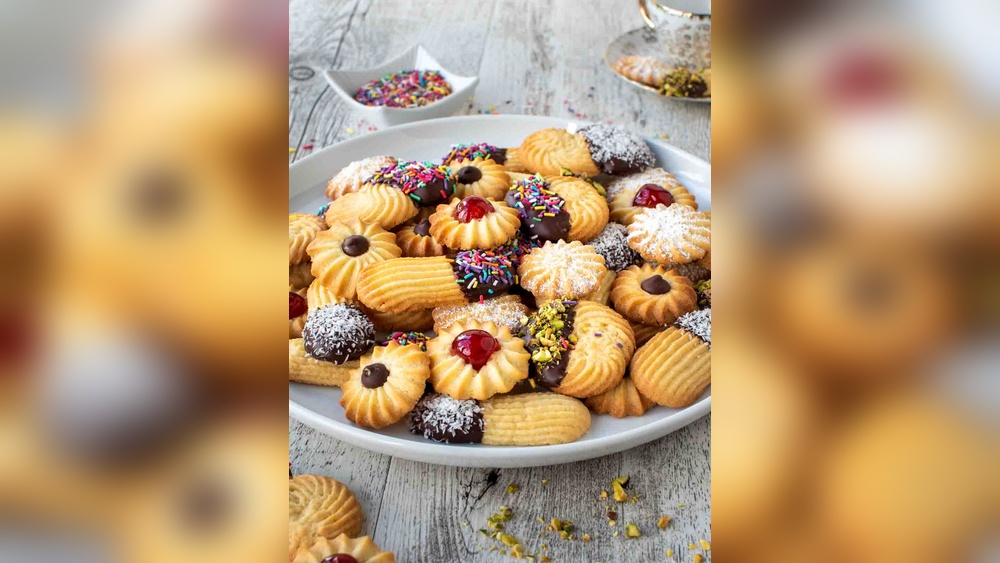
Have you ever wondered what makes European style butter cookies so special? These treats aren’t just ordinary cookies they carry a rich tradition and a unique taste that sets them apart.
If you’re someone who loves a perfect balance of buttery flavor and a crisp, melt-in-your-mouth texture, you’re in for a real delight. Keep reading to discover what makes these cookies a favorite across Europe and why they might just become your new go-to snack.
Your sweet tooth will thank you!
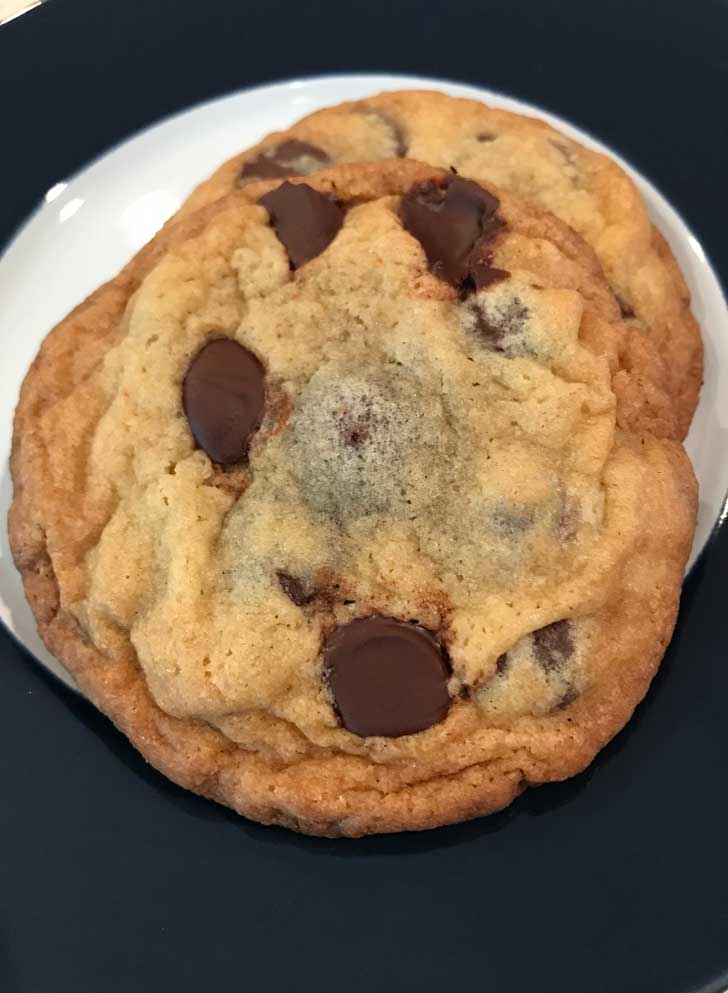
Credit: www.cookiemadness.net
Origins Of European Butter Cookies
European butter cookies have a rich and fascinating past. These cookies are known for their simple ingredients and rich, buttery taste. Their origins trace back many centuries. They reflect the culinary traditions of several European countries. Understanding their history helps appreciate their unique flavors and textures.
Historical Background
Butter cookies first appeared in Europe during the Middle Ages. Bakers used butter, sugar, and flour to create these treats. They were popular among the wealthy, as butter was expensive. Over time, the recipes spread to different regions. Each region added its own touch to the basic recipe. By the 18th century, butter cookies were common in European households. They became a symbol of celebration and hospitality.
Regional Variations
Different European countries have their own butter cookie styles. Danish butter cookies are famous worldwide for their crisp texture. In Ireland, butter cookies often include oats for a chewy bite. Italy offers rich, crumbly versions called “biscotti di burro.” France has delicate, melt-in-your-mouth butter biscuits. Each variation highlights local ingredients and baking methods. These cookies show how a simple recipe can take many delicious forms.
Key Ingredients And Texture
European style butter cookies are loved for their rich taste and delicate texture. The key ingredients play a big role in creating their unique flavor and feel. Each element, from butter to flour, affects the cookie’s final quality. Understanding these parts helps appreciate why these cookies stand out.
Butter’s Role
Butter is the main ingredient in European butter cookies. It gives the cookies a rich, creamy taste. Using real butter creates a smooth, tender texture. Butter also helps the cookies spread slightly while baking. The flavor from butter sets these cookies apart from others.
Flour And Sugar Choices
Simple flour is used, usually all-purpose flour. It provides structure without making the cookies tough. Sugar is often granulated or caster sugar. These sugars add sweetness and help create a slight crunch. The balance of flour and sugar is key to the cookie’s texture.
Texture Characteristics
European butter cookies are crisp but melt in your mouth. They have a fine crumb and a delicate crunch. The texture feels light but rich at the same time. This combination makes each bite satisfying and smooth.
Popular European Butter Cookie Styles
European butter cookies are famous for their rich taste and delicate texture. Each region offers its own unique style. These cookies are often simple but full of flavor. Many use high-quality butter and basic ingredients.
Different countries have developed signature butter cookies. These vary in shape, texture, and baking methods. Exploring these styles shows the diversity of European baking traditions.
Danish Butter Cookies
Danish butter cookies are crisp and buttery. They often come in various shapes like rings and pretzels. These cookies use rich butter and sugar, baked until golden. They are a classic treat during holidays and gift boxes.
French Sablés
French sablés are crumbly and soft. The name means “sandy” in French, describing their texture. They have a rich buttery flavor with a hint of vanilla. These cookies are often round and dusted with sugar.
Italian Biscotti Variants
Italian biscotti are twice-baked cookies, crunchy and dry. Some versions use butter to add richness. Biscotti often include almonds or other nuts. They are perfect for dipping in coffee or wine.
Baking Techniques For Perfect Cookies
Baking European style butter cookies requires careful steps to get the perfect texture and taste. Each stage affects the cookie’s flavor and appearance. Simple techniques bring out the rich buttery flavor and crisp edges these cookies are known for.
Understanding key baking methods helps create consistent results. From mixing to baking, small details matter. Let’s explore how to make these cookies just right.
Mixing Methods
Start by creaming the butter and sugar together. This adds air to the dough and makes cookies light. Use room temperature butter for smooth mixing. Avoid overmixing once flour is added. Overmixing can make cookies tough instead of tender.
Shaping And Molding
Shape dough into small balls or use cookie cutters for special designs. Keep dough cold before shaping to prevent spreading. Press dough gently to keep its shape during baking. Use a piping bag for delicate, decorative cookies.
Baking Times And Temperatures
Bake cookies at a moderate temperature, around 325°F to 350°F. Lower heat ensures even cooking without burning edges. Bake for 10 to 15 minutes until edges turn light golden brown. Let cookies cool on the baking sheet to firm up before moving.
Pairing Butter Cookies With Drinks
Pairing European style butter cookies with the right drink can enhance their rich, buttery flavor. These cookies have a delicate sweetness and a crisp texture. Choosing the perfect drink brings out their best qualities. Drinks can balance the richness or complement the buttery taste. Let’s explore some great drink options that go well with butter cookies.
Tea And Coffee Matches
Butter cookies pair wonderfully with tea and coffee. Black tea’s bold flavor cuts through the cookie’s richness. Earl Grey adds a citrus note that lifts the taste. Green tea offers a fresh, grassy contrast to the sweet, buttery cookie. Coffee’s roasted bitterness balances the cookie’s sweetness. A light roast coffee enhances the cookie’s creamy texture. For a softer touch, try a latte or cappuccino. The milk adds smoothness that matches the cookie’s melt-in-your-mouth feel.
Wine And Dessert Pairings
Wine can also pair nicely with butter cookies. Sweet dessert wines like Moscato or Sauternes highlight the cookie’s sugar notes. A glass of champagne or sparkling wine adds a crisp, bubbly contrast. The acidity in these wines cuts through the cookie’s butteriness. For a richer experience, try a late harvest Riesling. Its fruity sweetness blends well with the cookie’s flavor. Port wine’s deep, rich taste works well with spiced or nutty butter cookies. These pairings make dessert time extra special.
Credit: www.browneyedbaker.com
Storing And Serving Tips
European style butter cookies are a treat worth enjoying at their best. Proper storage keeps them fresh and tasty. Serving them with care can make every bite special.
Preserving Freshness
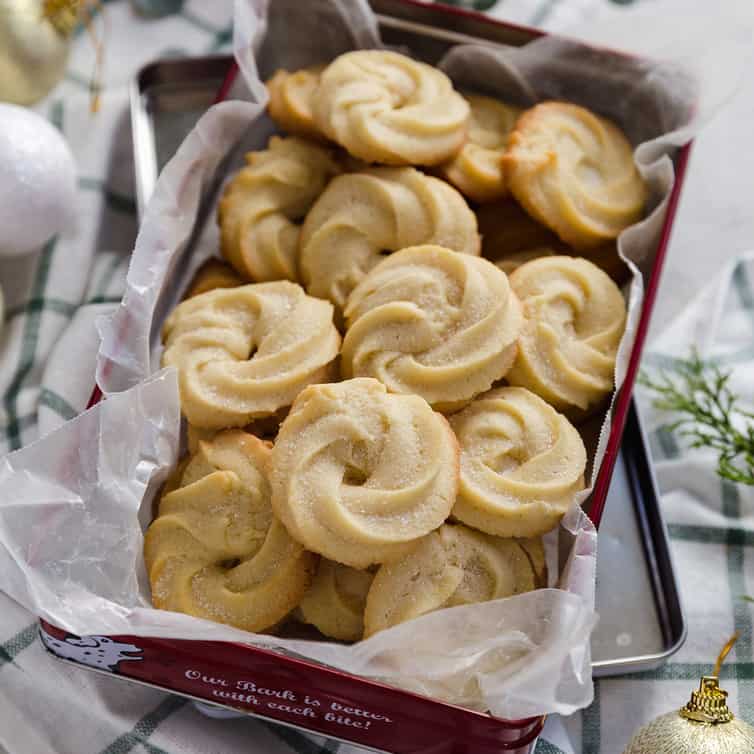
Store butter cookies in an airtight container. Keep them in a cool, dry place away from sunlight. Avoid storing near strong-smelling foods to keep flavors pure. Use wax paper between cookie layers to prevent sticking. For longer storage, freeze cookies in a sealed bag. Thaw at room temperature before serving for the best taste.
Creative Serving Ideas
Serve butter cookies with a hot cup of tea or coffee. Pair them with fresh fruit like berries or sliced apples. Use cookies as a base for mini dessert sandwiches with cream or jam. Crumble cookies over ice cream for added crunch. Arrange them on a festive platter for parties or gifts.
Making Butter Cookies At Home
Baking European style butter cookies at home is a fun and rewarding experience. These cookies are known for their rich, buttery flavor and crisp texture. The process requires only a few simple ingredients, making it easy to prepare a fresh batch anytime.
The key lies in following the right steps and paying attention to details. Homemade butter cookies bring a warm, homemade touch to any occasion. They are perfect for sharing with family or enjoying with a cup of tea.
Simple Recipes To Try
Start with a classic recipe using butter, sugar, flour, and a pinch of salt. Cream the butter and sugar until light and fluffy. Gradually add flour and mix gently. Roll the dough into small balls or shapes. Bake at 350°F (175°C) for 10 to 12 minutes. Let the cookies cool before serving.
Try adding vanilla extract or lemon zest for extra flavor. Use powdered sugar instead of granulated for a softer texture. Experiment with almond flour for a nutty twist. Each variation keeps the basic buttery taste but adds a unique touch.
Common Mistakes To Avoid
Overmixing the dough can make cookies tough. Mix just until ingredients combine. Using cold butter makes shaping difficult. Soften butter to room temperature before starting. Baking at too high a temperature causes burning or uneven baking.
Do not skip chilling the dough. It helps cookies keep their shape while baking. Overbaking leads to dry, hard cookies. Remove them from the oven as soon as edges turn golden. These tips help achieve perfect European style butter cookies every time.

Credit: www.amazon.ae
Frequently Asked Questions
What Are European Style Butter Cookies?
European style butter cookies are rich, crisp, and buttery baked treats. They use high-quality butter and simple ingredients, resulting in a tender texture and deep flavor. These cookies often come in decorative shapes and are popular across Europe and worldwide.
How Do European Butter Cookies Differ From Regular Cookies?
European butter cookies use more butter and less sugar than regular cookies. They focus on texture, delivering a crisp yet tender bite. Unlike chewy American cookies, these are delicate and crumbly with a rich buttery taste.
What Ingredients Make European Butter Cookies Unique?
Key ingredients include high-quality butter, flour, sugar, and sometimes vanilla or almond extract. The butter content is higher, which creates a rich flavor and tender crumb. No eggs are typically used, keeping the texture light and crisp.
Can I Bake European Style Butter Cookies At Home?
Yes, you can easily bake these cookies at home using simple ingredients. Follow a recipe with high butter content and chill the dough before baking. This ensures the perfect crisp texture and buttery flavor.
Conclusion on What are European Style Butter Cookies
European style butter cookies offer a rich, buttery taste with a crisp texture. They come in simple shapes and sweet flavors. These cookies are perfect with tea or coffee. Many enjoy them during holidays or special moments. Their recipe uses few ingredients but delivers great flavor.
Trying these cookies can bring a little European charm to your kitchen. A timeless treat that many people love worldwide. Simple, tasty, and easy to enjoy anytime.
Disclosure: As an Amazon Associate, I may earn from qualifying purchases at no extra cost to you. Amazon and the Amazon logo are trademarks of Amazon.com, Inc, or its affiliates.
