
I’ve spent years helping new drivers and their families navigate driving rules, and I’ve seen how a simple student driver sticker can spark big questions. Is it illegal to have a student driver sticker? Short answer: usually no — but the details matter. This guide breaks down the law, common misconceptions, safety and insurance implications, and practical tips so you can decide what’s right for your situation. Read on for clear, experience-backed advice and examples that make this topic easy to act on.
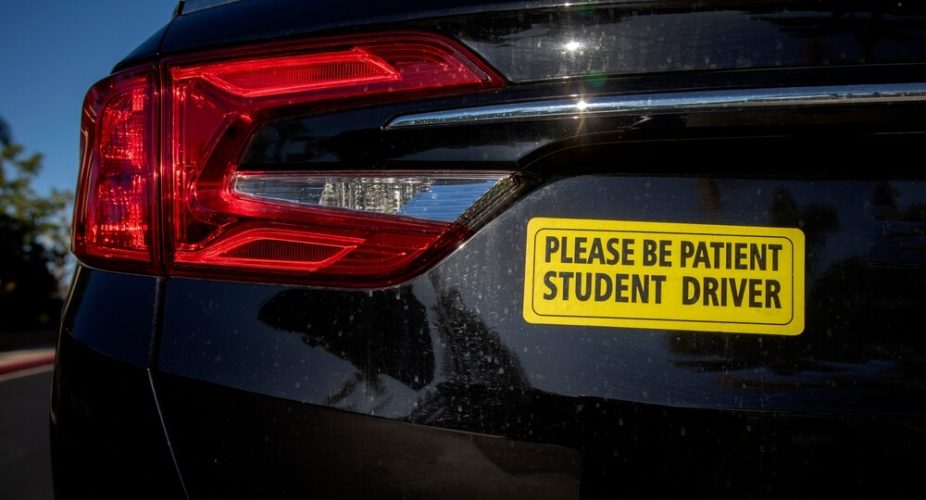
What A Student Driver Sticker Means Legally
A student driver sticker is a visible sign that a learner is driving. Legally, the sticker itself is not typically banned. The law focuses on licensing, supervision, and vehicle safety rather than the presence of a sticker. States set rules about learner permits, hours of supervised driving, and who can accompany a learner. If you follow those rules, a sticker won’t make the driving illegal.
Common legal touchpoints to watch:
• Who is allowed to supervise the learner and what credentials they need.
• Whether the learner has the correct permit or provisional license.
• Restrictions on passengers, curfew, or road types for new drivers.
When A Student Driver Sticker Could Create Legal Problems
The sticker alone rarely causes a ticket. Problems arise when the sticker is used and other rules are broken. Examples:
• Unlicensed driving: If the driver lacks a permit, both the driver and the supervising adult may face penalties.
• Improper supervision: If the supervisor does not meet state requirements, fines and violations may follow.
• Distracting signage: Some local laws restrict signs that block rear or side windows. A sticker placed over a defroster line or mirror can be cited.
• Misuse to claim exemptions: Claiming a sticker grants privileges it does not (like immunity from traffic stops) can’t legally protect violations.
Insurance And Liability Considerations
A sticker can influence practical matters even if it doesn’t change the law. Insurance companies care about who drives and under what conditions. Disclose learner drivers to your insurer. If a crash occurs while a learner is driving:
• The policy may cover the crash if the learner was permitted to drive and listed or otherwise covered.
• If the learner didn’t have the proper permit or was driving against restrictions, the insurer could deny a claim.
• Having a sticker might prompt an adjuster to review supervision practices.
Safety And Practical Reasons To Use Or Avoid The Sticker
Using a student driver sticker has pros and cons. Consider these practical points:
• Pros: Signals to other drivers to be patient, encourages cautious behavior, and can reduce honking or tailgating.
• Cons: May draw extra attention from police or opportunistic drivers, and poorly placed stickers can obstruct view.
Placement tips:
• Put the sticker where it doesn’t block visibility.
• Use removable stickers so they can be taken off when not needed.
State Variations And Local Enforcement
Traffic laws differ by state and sometimes by city. Some places have clear rules about learner permits and supervision. Others leave sticker placement to common sense. To stay safe:
• Check your state DMV rules about learner permits and supervision.
• Look at local vehicle and window regulations.
• Call your insurer to confirm coverage for learner drivers.
Personal note: I once advised a learner family who had a sticker covering the rear defroster. They received a fix-it ticket. A small change avoided repeat problems.
Practical Tips For Parents And Instructors
If you decide to use a student driver sticker, follow these tips:
• Confirm the learner has the correct permit and follows all restrictions.
• Keep a qualified supervising adult in the vehicle at all times when required.
• Place the sticker where it won’t block vision or important sensors.
• Inform your insurer and read the policy fine print about learner drivers.
• Use the sticker as a safety tool, not as a shield against legal responsibilities.

Frequently Asked Questions Of Is It Illegal To Have A Student Driver Sticker
1. Can a sticker alone get me ticketed?
No. A sticker by itself rarely causes a ticket. Tickets usually stem from licensing violations, improper supervision, or blocked windows.
2. Do I need permission from my insurance company to let a learner drive?
You should inform your insurer. Policies vary. Not telling them can lead to denied claims if rules were broken.
3. Will a student driver sticker attract police attention?
It can. A sticker makes the vehicle more noticeable. That might lead to checks of permits or supervision, which is not necessarily negative if you are compliant.
4. Are there states that ban student driver stickers?
Most states do not ban them outright. However, local rules about window obstructions or signage could apply. Always check local vehicle codes.
5. What if a sticker blocks my defroster or camera?
That can be a legal problem. Obstructing safety equipment can lead to citations and should be avoided.
6. Should driving schools use stickers?
Yes, many do for safety and clarity. Driving schools follow local rules and place stickers carefully to avoid obstruction.
7. Does a sticker change liability after an accident?
No. Liability depends on driver qualifications and behavior. A sticker doesn’t change who is at fault. Insurance and legal outcomes follow standard rules.
Conclusion
A student driver sticker is usually not illegal by itself. The real legal issues come from licensing, supervision, and obstructing safety equipment. Use the sticker thoughtfully: check local laws, inform your insurance company, and place the sticker where it won’t block views or sensors. My practical takeaway: treat the sticker as a safety aid, not a legal shield. Be proactive—verify rules, train the learner, and keep communication open with your insurer and local DMV. If this helped, try the tips, share your experience in the comments, or subscribe for more practical driving advice.
Disclosure: As an Amazon Associate, I may earn from qualifying purchases at no extra cost to you. Amazon and the Amazon logo are trademarks of Amazon.com, Inc, or its affiliates.
