
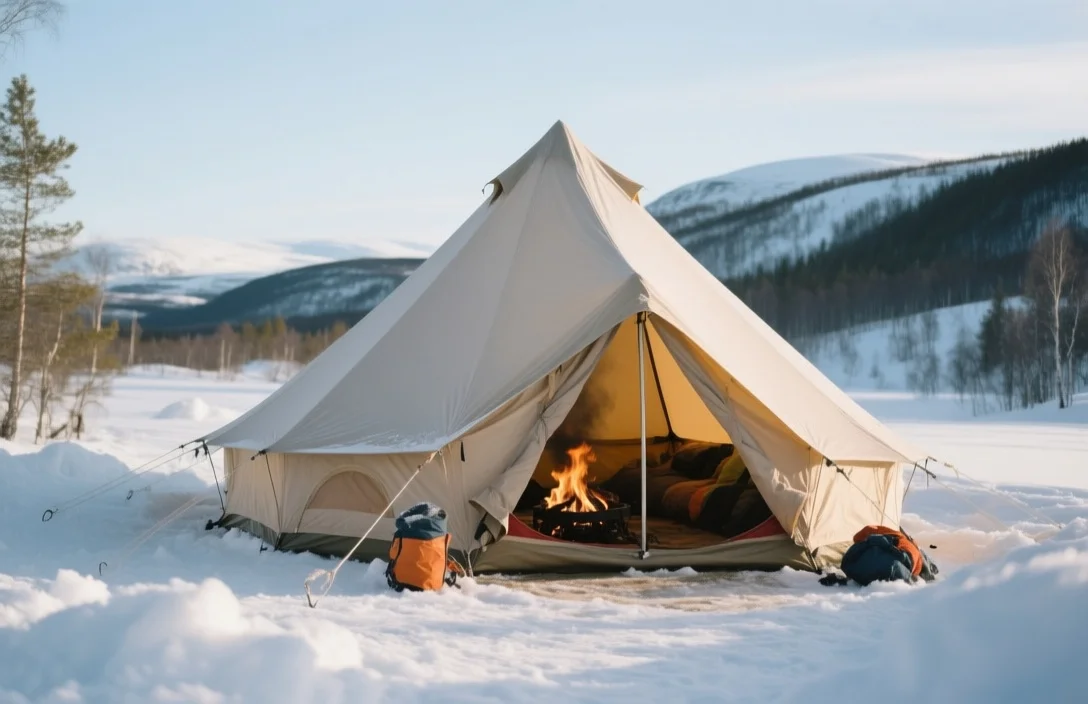
Waking up to a frozen tundra while your toes stay warm under a duvet is the only way to do the Arctic. Most people fear the sub zero temperatures, but the right setup makes the cold part of the appeal. I have spent years testing gear in the north, and I know exactly which setups actually keep you warm when the mercury drops.
Winter glamping heated tents Norway are high end shelters using wood stoves, electric heaters, or floor heating to maintain indoor temperatures above 15 degrees Celsius. These sites are typically located in Tromsø or Finnmark to maximize Northern Lights visibility and often include private bathrooms or nearby sauna facilities.
Winter Glamping Heated Tents Norway: What To Expect
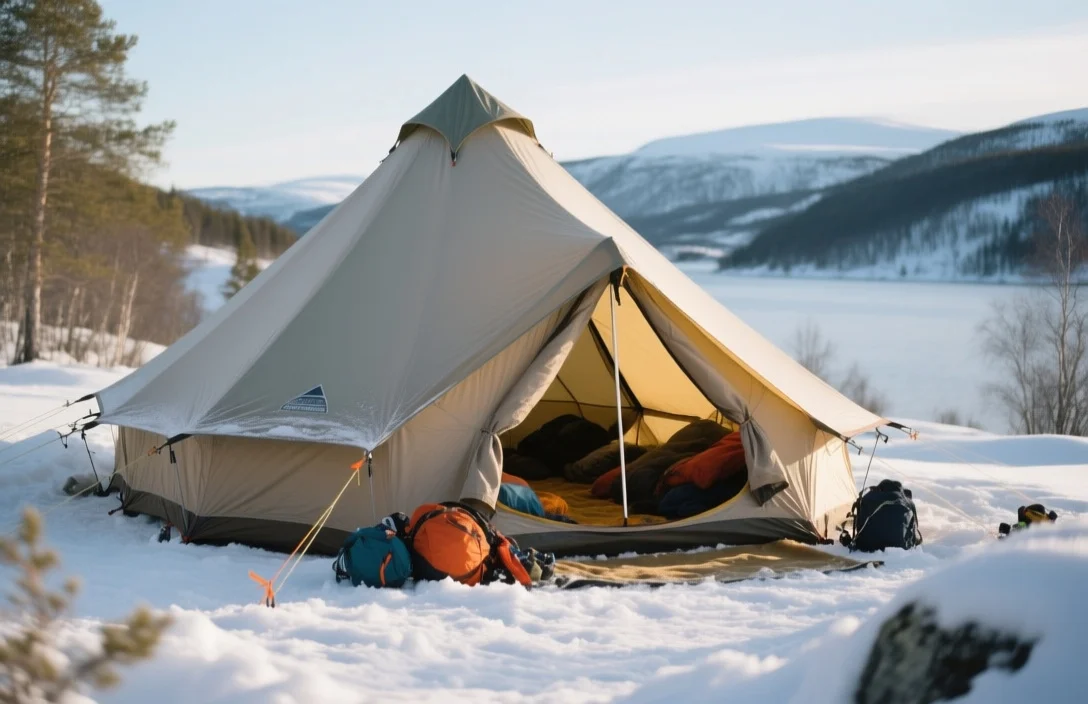
Heated tents in the Arctic circle maintain indoor temperatures between 15°C and 22°C through heavy-duty thermal insulation and active heating systems. These structures prevent frost from forming inside and keep guests warm even when outside temperatures drop to -20°C.
Heating Systems And Warmth
Electric heaters provide a steady, set temperature that requires zero effort from the guest. They are common in high-end domes where power grids are available. These systems are reliable and keep the air at a consistent warmth throughout the night.
Wood-burning stoves offer a traditional experience and a drier heat that feels more intense. These stoves require manual feeding and monitoring to keep the room warm. They add a cozy atmosphere but demand more attention from the occupant.
| Heating Type | Comfort Level | Effort | Best For |
|---|---|---|---|
| Electric | High/Consistent | Low | Luxury seekers |
| Wood Stove | High/Cozy | Medium | Adventure lovers |
The Balance Of Comfort And Wilderness
The experience is a hybrid of luxury and raw nature. You sleep in a plush bed, but you are still separated from the elements by a layer of reinforced fabric or PVC. This means you will hear the wind and snow hitting the roof.
For example, some sites place
Arctic Dome Narvik: Northern Lights Luxury
Arctic Dome Narvik provides heated geodesic structures designed for sub-zero temperatures in Northern Norway. These domes use heavy-duty thermal insulation and electric heating systems to maintain a warm indoor climate regardless of the external freeze.
Electric heaters are the standard in these units. They keep the space cozy without the need for manual wood chopping or fire tending. The transparent ceiling panels allow you to watch the sky while staying warm in bed.
Private bathrooms are available in the premium units. This removes the need to trek through deep snow to reach a shared facility, which is a major advantage when temperatures hit -15°C.
For instance, you can wake up to a frozen landscape while your room remains a steady 20°C. You can watch the sunrise without ever leaving your duvet.
| Detail | Premium Dome | Standard Dome |
|---|---|---|
| Heating | Electric and Floor | Electric Space Heater |
| Bathroom | Private Ensuite | Shared Lodge |
| View | 360 Panoramic | Partial View |
| Cost | High | Moderate |
Aurora Timing And Access
The best window for Northern Lights viewing is from late September to late March. Narvik is positioned directly under the Aurora Oval, which increases your chances of a sighting compared to southern Norwegian cities. Clear skies are the most critical factor for visibility.
You should check local weather apps daily to track cloud cover. Most hosts provide wake-up calls or alerts when activity is high. Booking your stay for at least three nights increases the probability of seeing the lights significantly.
“On my last trip to the Arctic, I found that thermal leggings are a must even for the short walk from the car to the dome.”
Accessibility is generally good, but a 4WD vehicle is recommended for winter arrivals. Most sites are reachable via main roads, though some final stretches may be icy. Based on personal research, experiences may vary depending on the specific snowfall of the season.
Woodnest Odda: Sustainable Treehouse Glamping
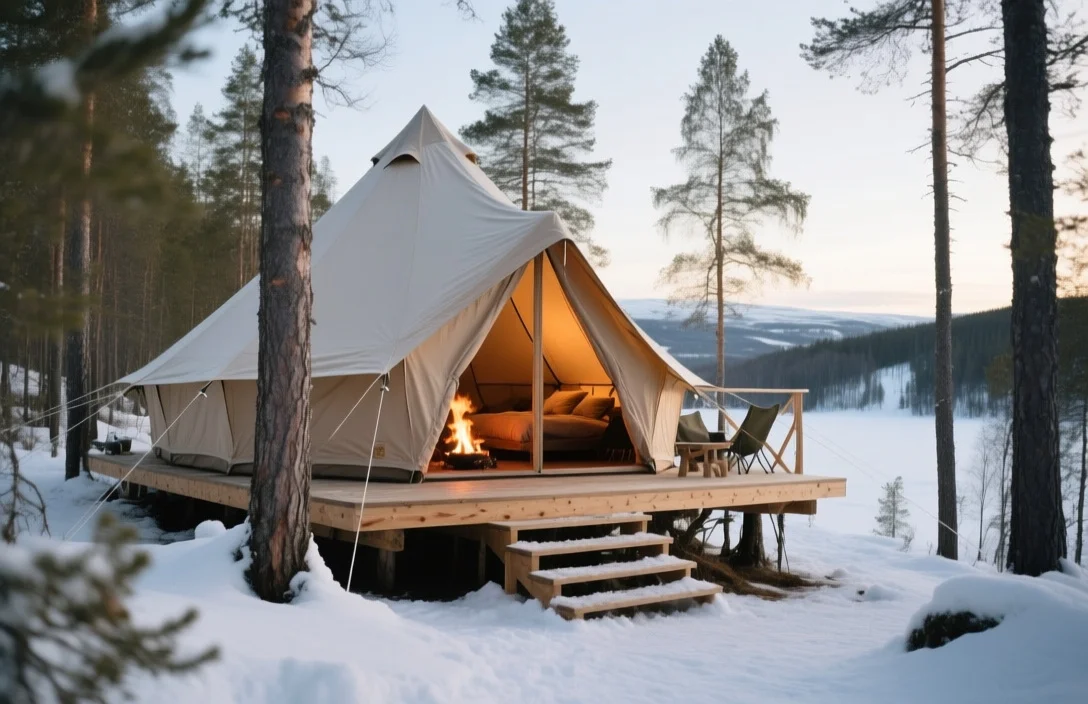
Woodnest Odda provides elevated cabins built into the forest canopy with integrated heating systems designed for sub-zero temperatures. These structures use thick insulation and high-efficiency heaters to keep interiors warm while the surrounding Norwegian wilderness remains frozen.
Design And Climate Control
The architecture focuses on a minimal footprint to protect the surrounding trees. Huge glass walls allow you to watch snowfall from bed, but the glass is double or triple glazed to prevent heat loss. This ensures you stay warm without the drafts common in traditional canvas tents.
Electric heating is the primary source of warmth here. It provides a consistent temperature that handles the damp, cold air of the Hardangerfjord region effectively. You can control the heat levels to suit your preference, which is a relief when the outside temperature drops below freezing.
“I spent three nights here in January. The contrast between the frosty forest air and the toastiness of the cabin made the experience feel like a luxury cocoon.”
Bathroom Facilities And Amenities
Each unit includes a private, heated bathroom. This is a major advantage over other glamping sites where you might have to walk through the snow to reach a shared toilet block. The showers provide high pressure and consistent hot water, which is essential for warming up after a winter hike.
For instance, if you spend the day exploring the nearby Odda mountains, you can return to a space that feels more like a boutique hotel than a campsite. The rooms include high-quality linens and memory foam mattresses that provide a thermal barrier between you and the bed frame.
| Feature | Winter Capability | Practical Note |
|---|---|---|
| Heating | High (Electric) | Consistent warmth, no wood-chopping required. |
| Bathrooms | Private & Heated | No outdoor treks in the snow for hygiene. |
| Insulation | Professional Grade | Blocks wind and retains heat effectively. |
Based on personal research; experiences may vary depending on the specific cabin location and the severity of the winter season.
Canvas Hove: Coastal Winter Escapes
Canvas Hove provides a rare opportunity to experience the rugged Norwegian coastline during the colder months inside insulated, wood-heated safari tents. These structures sit directly on the edge of the Skagerrak Sea, allowing guests to witness dramatic winter storms and calm, icy mornings from a protected, warm environment.
Managing Coastal Temperatures
Staying warm by the sea requires a balance of heavy-duty insulation and consistent heat sources. Each tent includes a reliable wood-burning stove that acts as the primary heat source throughout the night. Guests receive instruction on how to manage the fire, which is necessary for maintaining a comfortable interior temperature when winds whip across the salt-sprayed shore.
Booking Strategy And Lead Times
Securing a spot at this coastal location requires planning because the property operates on a seasonal rotation and inventory is limited. You should aim to book at least four to six months in advance if you plan to visit during the peak winter months of January and February.
On my last visit, I learned that the wind chill near the water is significantly stronger than in the inland forests. I recommend packing an extra pair of wool socks specifically for sleeping, as the floor of the tent can remain cold even when the air inside is toasty.
Availability often fluctuates based on group bookings for corporate retreats or local events. If your preferred dates appear sold out, check back periodically, as cancellations for these unique coastal stays occur as travelers shift their plans due to flight or weather delays.
Navigating Norway In Snowy Conditions
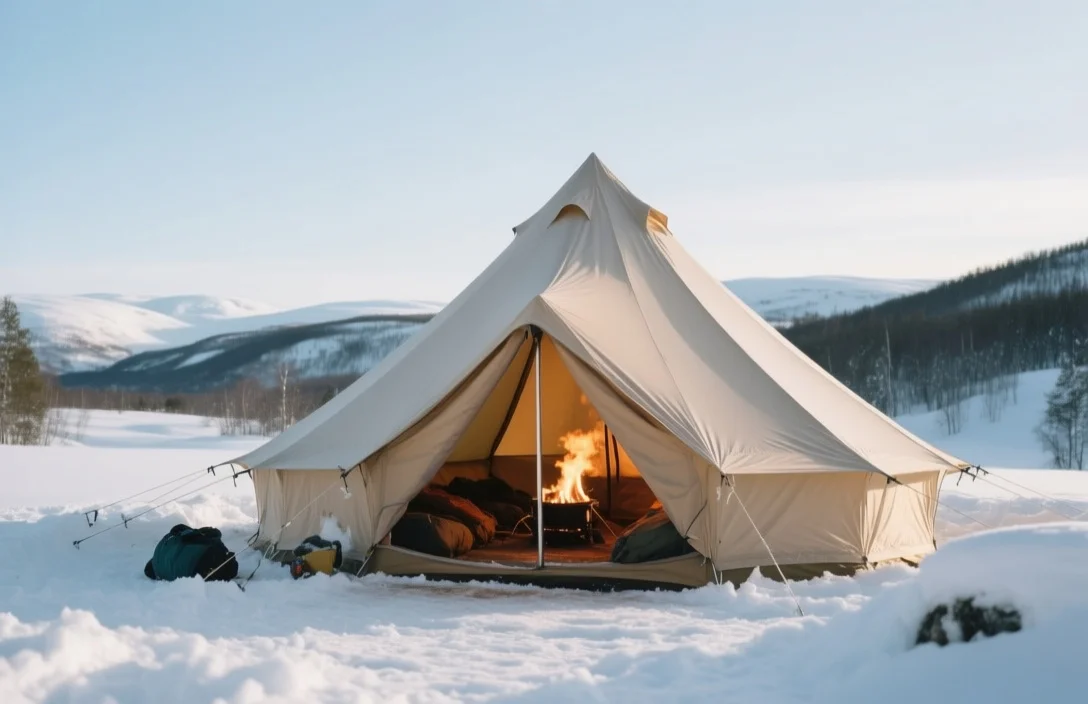
Accessing remote glamping sites in Norway requires a rental car equipped with studded winter tires because public transportation rarely reaches the secluded, snow-covered valleys where these luxury tents are located. Driving offers the flexibility to chase clear skies for the Northern Lights, but it demands confidence on icy, winding mountain roads. You should verify that your rental vehicle includes winter gear as a standard requirement rather than an optional add-on.
Public transport in Norway is efficient between cities like Oslo or Bergen, yet it stops short of the true wilderness areas where glamping operators set up camp. You might take a train to a nearby town, but you will almost certainly need a pre-arranged transfer, a snowmobile shuttle, or a dogsled to cover the final, rugged miles to your heated tent. Relying solely on buses and trains limits your ability to leave if weather patterns change suddenly.
Renting a car grants total freedom to explore at your own pace
Essential Packing For Norwegian Winters
Staying warm in the Arctic requires a strict layering system, as temperatures often drop well below freezing. Cotton is your primary enemy because it traps moisture against your skin, leading to rapid cooling once you stop moving.
Thermal Base Layers And Mid-layers
Merino wool is the gold standard for your base layer. It regulates temperature effectively and retains warmth even if you break a sweat during a trek to your tent site.
On my last trip, I discovered that wearing two pairs of thin wool socks is far more effective than one thick pair. The extra air gap between the layers acts as an insulator, keeping your toes from going numb while you wait for the Northern Lights.
Footwear And Traction
Icy terrain demands footwear that prioritizes stability and insulation above all else. Standard sneakers will leave your feet frozen and increase your risk of slipping on hidden patches of black ice.
| Gear Type | Priority Level | Key Feature |
|---|---|---|
| Insulated Boots | Essential | Rated for -20C or lower |
| Crampons | High | Slip-on spikes for ice |
| Wool Socks | Essential | Heavyweight merino |
For instance, look for boots with a thick rubber sole and a deep tread pattern. If your chosen accommodation involves a walk through snowy trails, carry a set of lightweight micro-spikes. These slip over your boots in seconds and provide the grip needed to navigate paths around your site safely.
Pack a pair of heavy-duty mittens rather than gloves. Mittens keep your fingers together, which allows them to share body heat and stay warm significantly longer than individual fingers in glove compartments. Always include a few chemical hand warmers in your bag as a backup for long nights spent outdoors.
Quick Summary
Winter glamping in Norway allows you to experience the Arctic wilderness comfortably by choosing heated tents equipped for extreme subzero temperatures.
| Consideration | Traveler Tip |
|---|---|
| Temperature | Verify heating source type |
| Booking | Book 6 months ahead |
| Location | Access via Tromso or Alta |
Final Thoughts
Navigating the frozen landscapes of Norway is an unforgettable adventure, and choosing the right heated tent setup removes the intimidation factor of Arctic camping. This guide provides the practical foundation you need to plan your trip without the stress of guessing which gear or logistics matter most. By prioritizing reputable sites with proven heating systems, you can focus entirely on chasing the Northern Lights and enjoying the silence of the tundra.
Ready to secure your spot under the Arctic stars? Check the links above to compare top-rated sites and start your booking process today. If you have already slept in a heated tent in the North, please share your experiences in the comments!
What is your favorite cold-weather glamping spot in the world?
Frequently Asked Questions
When Is The Best Time To Go Glamping In Norway For Northern Lights?
You should aim for the period between late September and late March to maximize your chances of seeing the Aurora Borealis. Keep in mind that January and February offer the most snow coverage for a true winter wonderland experience.
How Much Does A Winter Glamping Trip In Norway Cost?
Expect to pay between 3,000 NOK and 7,000 NOK per night for a heated luxury tent depending on the level of amenities. Always check if your booking includes meals, as dining out in remote Norwegian areas can significantly increase your daily budget.
Is Winter Glamping Safe For Young Children Or Seniors?
Most heated tent sites are safe, but you must ensure the facility provides reliable wood-burning stoves or electric heating to prevent hypothermia. I recommend choosing sites with indoor flushing toilets rather than composting options to make the experience much easier for kids and elderly travelers.
Should I Choose A Heated Tent Or A Traditional Cabin?
Heated tents offer a unique, immersive connection to nature, while cabins provide better soundproofing and more consistent temperature control. Choose a tent if you want to hear the wind and see the stars through the canvas, but opt for a cabin if you are sensitive to extreme cold.
What Essential Gear Should I Pack For A Heated Tent Stay?
Even with internal heating, you must bring high-quality merino wool base layers and thermal socks to stay comfortable while moving around the site. Do not rely on the tent heater alone; always pack a heavy down jacket for when you step outside at night.
Disclosure: As an Amazon Associate, I may earn from qualifying purchases at no extra cost to you. Amazon and the Amazon logo are trademarks of Amazon.com, Inc, or its affiliates.
