
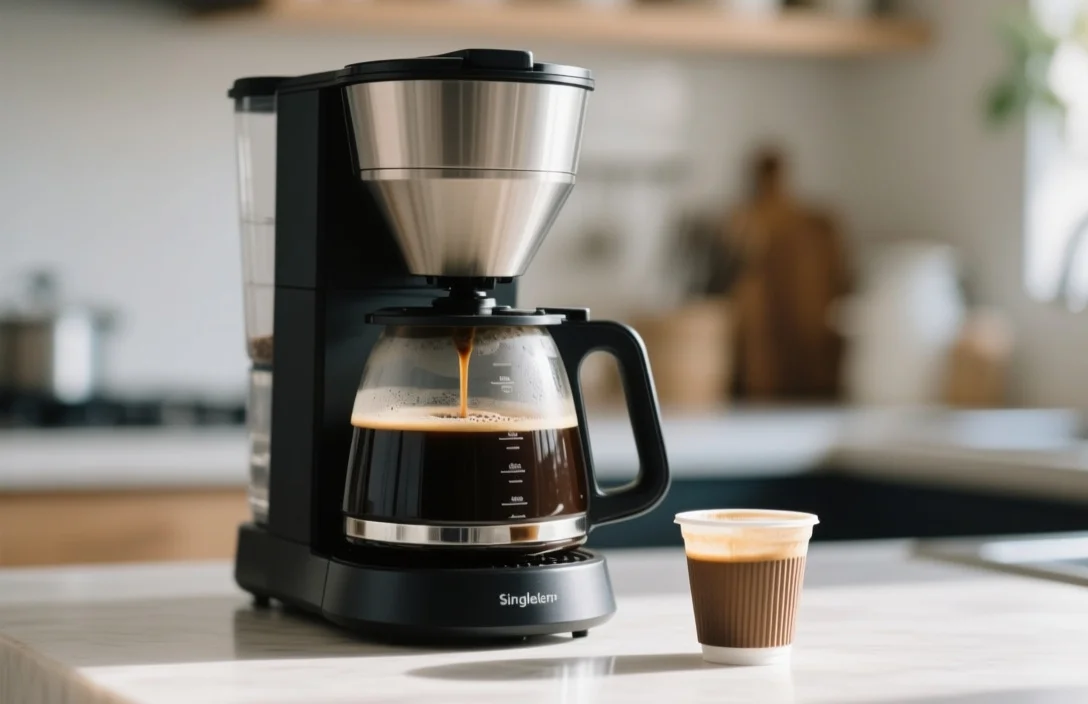
Drip coffee makers and single serve machines solve two different problems: volume and speed. A drip machine is built for the household that drinks multiple cups throughout the morning, while single serve systems prioritize the individual who needs one cup and zero cleanup. Choosing between them usually comes down to whether you value the cost per cup or the seconds saved during a morning rush.
Drip coffee makers are the best choice for families or high-volume drinkers due to a lower cost per ounce (often under $0.25 per cup) and the ability to brew 10-12 cups at once. Single serve machines are best for small households or irregular drinkers because they brew a single 8-12 ounce cup in under two minutes and require no pot cleaning.
Key Takeaways
Cost efficiency. Drip machines use bulk ground coffee, which is significantly cheaper than proprietary single serve pods.
Brewing speed. Single serve machines deliver a hot cup in roughly 60-90 seconds, whereas drip pots take 5-10 minutes.
Waste levels. Drip systems use compostable filters, while many single serve pods create non-recyclable plastic waste.
Customization. Drip coffee allows for precise control over bean origin and grind size for every pot.
Capacity. A standard drip carafe holds 60-120 ounces, while single serve is limited to a single mug.
Maintenance. Single serve machines often require descaling every 3-6 months to prevent mineral buildup in small needles.
What to Know About drip coffee maker vs single serve
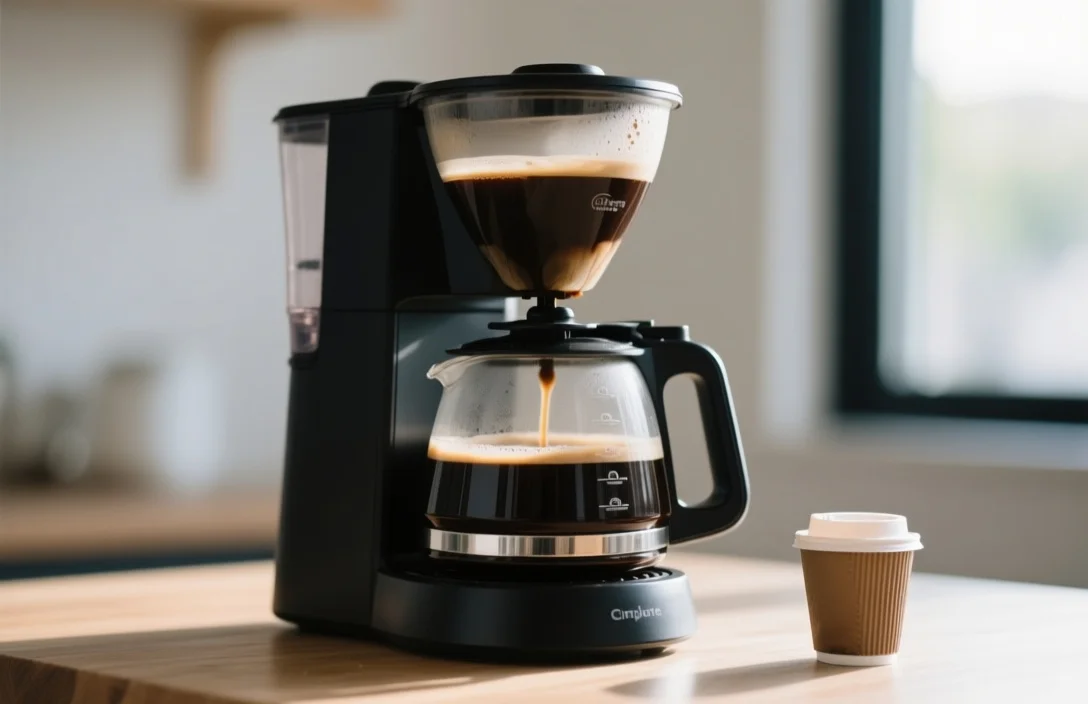
Drip coffee makers operate on a simple gravity-fed system where hot water saturates a bed of grounds and drips into a glass or thermal carafe. This method is designed for consistency and volume. You set the timer, wake up to a full pot, and pour multiple servings throughout the morning. The thermal carafes in higher-end models keep coffee hot for hours without the “burnt” taste caused by a heating plate.
Single serve machines use high-pressure pumps to force water through a pre-measured pod or capsule. This process is faster and eliminates the need to measure coffee or clean a filter basket. However, you are locked into the specific pod format of that machine, which limits your bean choices unless you buy a reusable filter.
The primary trade-off involves the “cost of convenience.” When you buy a single serve machine, you are paying for the ability to avoid measuring coffee. This convenience manifests as a higher price per ounce of coffee. For a person drinking one cup a day, the difference is negligible. For a couple drinking four cups each, the monthly cost difference can be substantial.
Water temperature also varies between the two. Drip machines generally maintain a steady temperature across the entire pot. Single serve machines can fluctuate, sometimes producing a cup that is slightly too cool or scalding, depending on the pump quality and the pod’s resistance.
Things that matter most
The decision usually rests on three pillars: budget, time, and taste preferences. Drip coffee is the budget winner because buying whole beans in bulk and grinding them at home is the cheapest way to consume quality coffee. Single serve is the time winner because it removes the “prep” and “cleanup” phases of the brewing process.
Taste is more subjective but generally leans toward drip for enthusiasts. Because you control the grind size and the coffee-to-water ratio, you can tune the strength of a drip pot to your exact liking. Single serve pods provide a consistent, predictable flavor, but they often lack the nuance of freshly ground beans.
| Feature | Drip Coffee Maker | Single Serve Machine |
|---|---|---|
| Cost per Cup | Very Low | Moderate to High |
| Brew Time | 5 – 10 Minutes | 1 – 2 Minutes |
| Capacity | 6 – 12 Cups | 1 Cup |
| Waste | Low (Paper/Reusable) | High (Plastic Pods) |
| Effort | Medium (Measuring/Cleaning) | Low (Insert Pod) |
| Customization | High | Low |
Environmental impact is another key point. Most drip machines use paper filters that can be composted or permanent gold-tone filters that produce zero waste. Traditional single serve pods are plastic and aluminum; while some brands offer recyclable versions, the actual recycling rate is low due to the small size of the pods.
Tips for drip coffee maker vs single serve
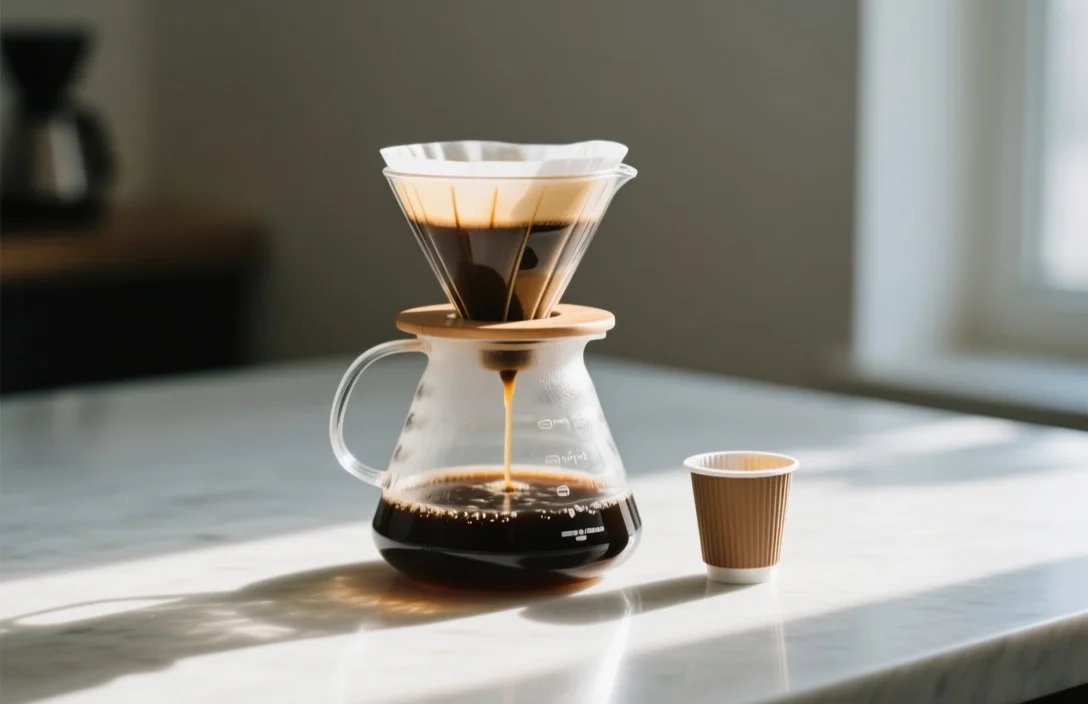
Maximize the life of a drip machine by using filtered water. Because drip machines have larger reservoirs and slower heating elements, calcium deposits can build up in the tubing, which eventually slows the brew time and makes the coffee taste metallic. Run a mixture of white vinegar and water through the machine once a month to keep the internals clean.
For single serve users, invest in a high-quality reusable pod. This allows you to use your own favorite specialty beans instead of being tethered to the brand’s pre-packaged options. It also cuts the cost per cup by 50-70% and removes the plastic waste associated with disposable capsules.
When using a drip machine, avoid the “warm” setting on the heating plate for more than 30 minutes. The constant heat cooks the coffee, breaking down the oils and creating a bitter, scorched flavor. If you need coffee to stay hot for three hours, switch to a model with a vacuum-insulated thermal carafe.
Tamp your grounds slightly if using a reusable pod in a single serve machine. Because these machines rely on pressure, a loose pack of coffee can lead to “channeling,” where water finds the easiest path through the pod and leaves most of the coffee un-extracted. This results in a weak, watery brew.

Helpful pick
Bodum 34oz Pour Over Coffee Maker, High-Heat Borosilicate Glass with Reusable Stainless Steel Filter and Cork Grip – Made in Portugal
A Bodum Pour Over reduces calcium buildup issues common in electric machines, keeping your coffee tasting fresh.
Benefits of drip coffee maker vs single serve
Drip coffee makers provide the benefit of scalability. If you have guests over or a family of four, a drip machine is the only logical choice. Brewing ten individual pods for a group is time-consuming and creates a mountain of plastic waste. A single 12-cup pot handles the crowd in one cycle.
The flavor profile of drip coffee is typically smoother and more balanced. Because the water spends more time in contact with the grounds (longer brew cycle), it extracts a wider range of flavor notes. This makes it the better choice for those who drink black coffee and want to taste the specific origin of the bean.
Single serve machines offer the benefit of variety. You can have a dark roast for your first cup and a decaf or a flavored blend for your second without having to clean the machine in between. This is a massive advantage for households where different people have different taste preferences.
Speed is the defining benefit of single serve. For a professional working from home or someone rushing to a commute, the ability to press one button and have a drink ready in 60 seconds is a genuine quality-of-life improvement. There is no waiting for a pot to finish and no measuring of scoops.
Helpful pick
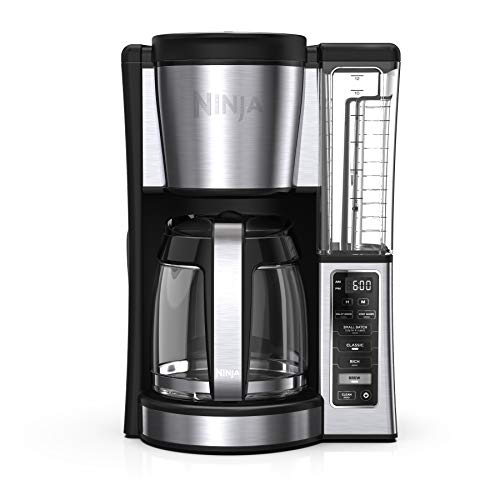
Ninja 12-Cup Programmable Coffee Brewer, 2 Brew Styles, Adjustable Warm Plate, 60oz Water Reservoir, Delay Brew – Black/Stainless Steel
The Ninja 12-Cup Brewer is ideal for scalability when serving guests or a large family of four.
Options for drip coffee maker vs single serve
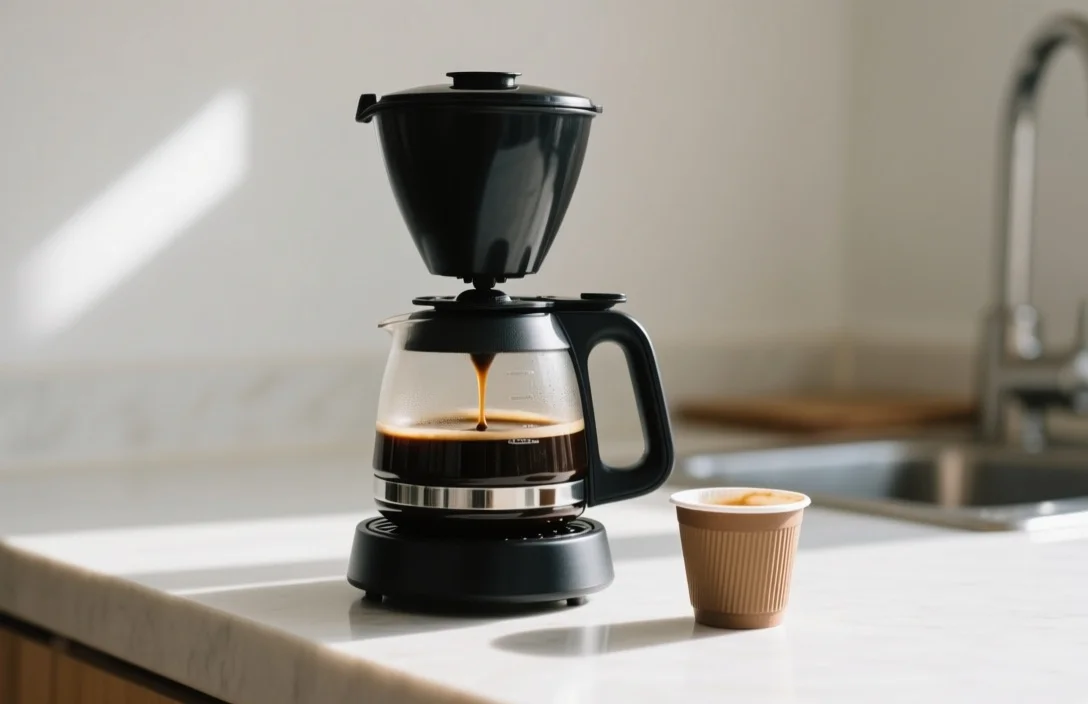
Basic drip machines are the most affordable option, usually featuring a simple on/off switch and a glass carafe. These are ideal for those who just want a standard cup of coffee without bells and whistles. They are reliable, easy to repair, and have the lowest entry price.
Programmable drip makers add a timer, allowing you to schedule your brew for 6:00 AM. Many of these also include “strength” settings, which slow the water flow to increase extraction time for a bolder taste. These are the gold standard for the typical American kitchen.
Single serve options range from basic pod machines to “hybrid” systems. Hybrid machines feature a full drip carafe on one side and a single serve spout on the other. This removes the need to choose between the two formats, though these machines take up significantly more counter space.
High-end single serve machines often include integrated milk frothers or “smart” connectivity. These allow you to customize the temperature and strength via an app. While these are expensive, they bridge the gap between a simple coffee maker and a full espresso station.
Expert Advice on drip coffee maker vs single serve
Prioritize the “cost of ownership” over the “purchase price.” A cheap single serve machine might cost $80, but the pods can cost $0.75 to $1.20 each. Over a year, a person drinking two cups a day will spend over $500 on pods alone. A drip machine with the same initial price uses beans that cost roughly $0.15 to $0.30 per cup.
Focus on the bean quality rather than the machine features. A $20 drip machine using fresh, locally roasted beans will almost always taste better than a $300 single serve machine using stale, pre-ground pods. The freshness of the roast is the single biggest variable in taste.
Evaluate your counter space before buying. Drip machines are generally vertical and slim, while many single serve machines (especially hybrids) have a wide footprint. If you have a small apartment kitchen, a compact drip maker or a slim-line pod machine is the only way to avoid clutter.
Consider the “cleaning friction.” If you hate washing dishes, the single serve is the winner. You throw away a pod and rinse a mug. With a drip machine, you have to dump the wet grounds, rinse the filter basket, and wash the carafe. For some, this 120-second chore is a deal-breaker.

Helpful pick
Keurig K-Duo Hot & Iced Single Serve & Carafe Coffee Maker, MultiStream Technology, 72oz Reservoir (Gen 2)
The Keurig K-Duo offers a hybrid solution to balance the cost and convenience of single serve and carafes.
Examples: drip coffee maker vs single serve
Consider a household of four adults. In this scenario, a drip coffee maker is the only efficient choice. If each person drinks two cups, the household consumes 8 cups a morning. Using a single serve machine would require 8 separate pods and roughly 12 minutes of active brewing time. A drip machine handles this in one 7-minute cycle.
Now consider a single person who lives in a studio apartment and only drinks one cup of coffee on weekdays. A single serve machine is the perfect fit here. They don’t have to worry about a half-pot of coffee going cold and being wasted, and the cleanup is non-existent.
For a small office environment, a hybrid machine is the best example of a solution. The drip side can brew a large pot for the morning meeting, while the single serve side allows employees to make a quick, personalized cup of decaf or a flavored roast throughout the afternoon.
In a “coffee enthusiast” home, a high-end drip machine with a thermal carafe is the standard. These users often pair the machine with a separate burr grinder, allowing them to adjust the grind size for different bean types, something that is impossible with standard single serve pods.
FAQ About Drip Coffee Maker Vs Single Serve
Is drip coffee healthier than single serve?
Both are generally healthy, but drip coffee often allows for better control over additives. Because you brew in bulk, you can avoid the artificial flavors and preservatives sometimes found in pre-packaged pods. Additionally, using a paper filter in a drip machine removes some cafestol, a compound that can raise cholesterol.
Which one is cheaper in the long run?
Drip coffee makers are significantly cheaper over time. While the initial machine cost is similar, the cost of bulk ground coffee is a fraction of the cost of individual pods. A drip user typically spends $0.10 to $0.30 per cup, while a pod user spends $0.60 to $1.50 per cup.
Can I use my own coffee in a single serve machine?
Yes, by using a reusable filter pod. Most major brands have third-party or official reusable filters that you fill with your own ground coffee. This reduces waste and allows you to use specialty beans, though the flavor may vary depending on how tightly you pack the grounds.
Which machine lasts longer?
Drip coffee makers generally have a longer lifespan because they have fewer moving parts. Single serve machines rely on complex pumps and needles that can clog or fail over time. A simple drip machine can easily last 5-10 years, whereas many pod machines require repair or replacement every 3-5 years.
Does single serve coffee taste as strong as drip?
It depends on the pod, but drip coffee is typically perceived as stronger and more complex. Drip brewing allows for a higher coffee-to-water ratio and longer extraction. Single serve pods are limited by the amount of coffee that can fit in the capsule, often resulting in a lighter body.
The choice depends entirely on your daily volume. If you drink more than two cups a day or share your coffee with others, buy a drip machine to save money and reduce waste. If you are a one-cup-a-day drinker who values speed above all else, a single serve machine is the right tool. Start by calculating your monthly coffee spend to see which option fits your budget.
Disclosure: As an Amazon Associate, I may earn from qualifying purchases at no extra cost to you. Amazon and the Amazon logo are trademarks of Amazon.com, Inc, or its affiliates.
