
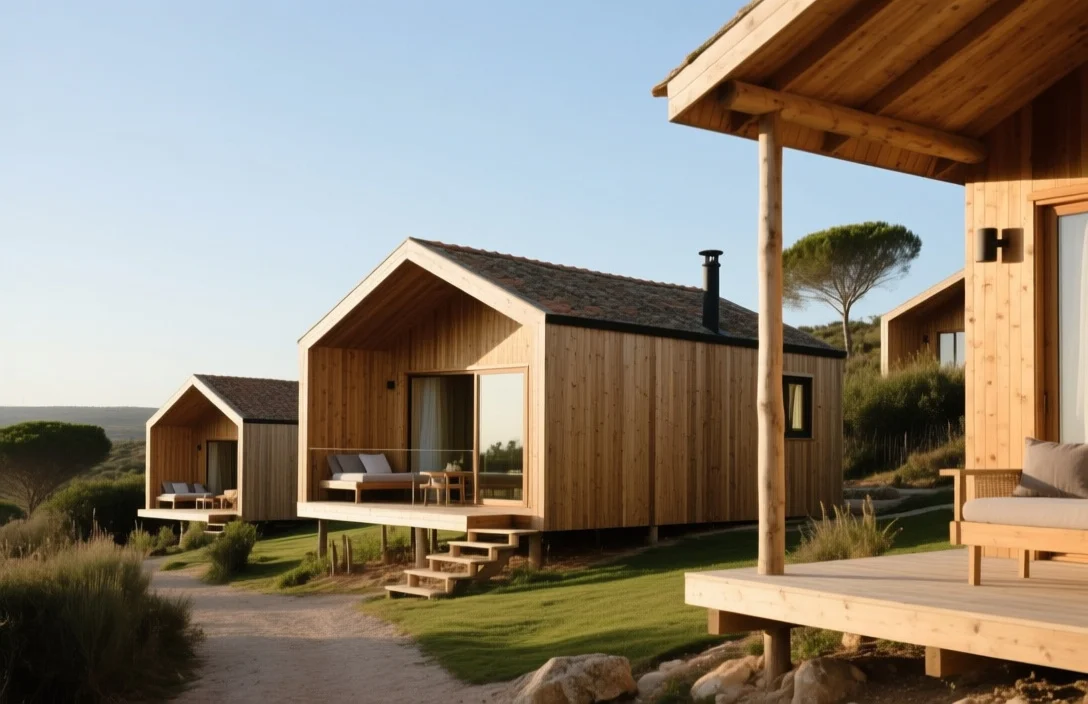
Most luxury travelers in Portugal end up in massive resorts that drain local water supplies and waste huge amounts of energy. You can skip the greenwashing and find actual eco lodges sustainable vacation Portugal options that prioritize the land. I have vetted these stays to ensure they use real solar power, local organic food, and strict waste management to protect the landscape.
Eco lodges sustainable vacation Portugal include certified properties in the Alentejo and Algarve regions that use renewable energy and organic farming. These stays typically require a 2 to 3 night minimum to fully experience the local environment. Top-rated options hold Biosphere or LEED certifications to prove their commitment to low-impact tourism and local community support.
Eco Lodges Sustainable Vacation Portugal: Top Sustainable Stays
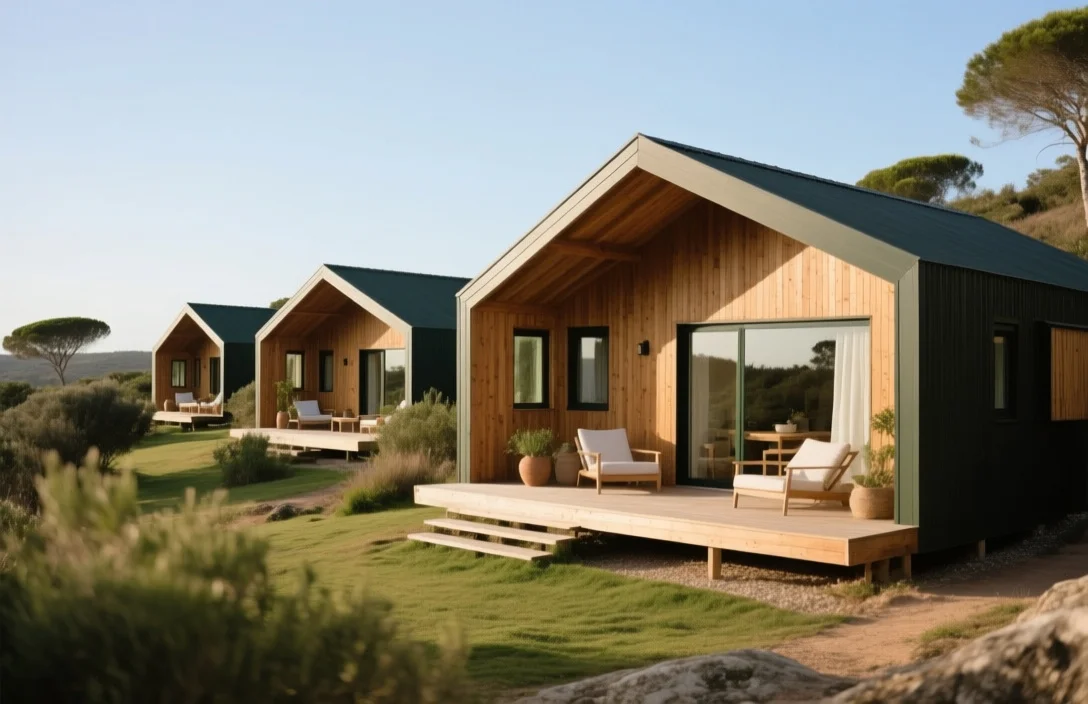
Portugal offers exceptional eco-lodges that combine luxury with environmental responsibility, from solar-powered vineyard estates in the Douro Valley to oceanfront retreats in the Algarve powered by renewable energy sources.
| Region | Best For | Price Range | Sustainability Focus |
|---|---|---|---|
| Alentejo | Rural tranquility | €€-€€€ | Farm-to-table dining, traditional architecture |
| Douro Valley | Vineyard experiences | €€€-€€€€ | Organic wine production, water conservation |
| Azores | Nature immersion | €€€-€€€€ | Geothermal energy, local sourcing |
| Algarve | Coastal relaxation | €€-€€€€ | Marine conservation, renewable energy |
Alentejo’s Rustic Rural Retreats
The Alentejo region offers authentic farm stays where guests can experience traditional Portuguese life while supporting local communities. These eco-lodges typically use rainwater harvesting systems and organic gardens to minimize their environmental footprint.
Douro Valley Green Vineyards
Douro Valley’s eco-lodges combine wine tourism with sustainable practices, many of which have received Green Key certification for their environmental management systems and community engagement.
“Our vineyard uses biodynamic farming methods and produces enough renewable energy to power not just the lodge but neighboring homes as well.” – Quinta de Marco Vinho Verde Eco-Lodge
Azores Volcanic Eco-resorts
The Azores islands leverage their unique volcanic landscape to create eco-resorts that use geothermal energy for heating and hot water, reducing reliance on fossil fuels while offering guests access to natural thermal pools.
Algarve Coastal Sustainable Boutiques
Algarve’s sustainable coastal lodges focus on protecting the region’s sensitive marine ecosystems while offering luxury accommodations. Many participate in beach clean-up initiatives and use solar energy to power their operations.
For budget-conscious travelers, several eco-lodges offer volunteer programs where guests can participate in conservation efforts in exchange for reduced accommodation rates.
Spotting Greenwashing In Portuguese Lodges
Authentic eco-lodges in Portugal provide transparency regarding their energy sources and supply chains. You can verify sustainability claims by checking for specific, internationally recognized certifications rather than relying on self-applied labels.
On my last trip to the Alentejo region, I found that the best way to spot a genuine eco-lodge is to ask about their waste management. If they have a clear, onsite composting program and a ban on single-use plastic bottles, you are likely in a space that prioritizes the environment over convenience.
Warning Signs Of Greenwashing
Researching a lodge before booking is the most effective way to ensure your money supports actual conservation efforts. Checking their social media channels for evidence of community engagement or habitat restoration projects can also reveal their true dedication to the local landscape.
Sustainable Stay Costs And Budgeting

Accommodation prices in Portugal vary significantly depending on the level of eco-certification and the remoteness of the location. Travelers can expect to spend anywhere from €35 per night in shared eco-hostels to over €500 per night at high-end regenerative estates.
| Accommodation Tier | Estimated Nightly Cost | Typical Experience |
|---|---|---|
| Budget Eco-Hostels | €35 – €60 | Dorm beds or small private rooms in community-focused spaces. |
| Mid-Range Boutique | €120 – €250 | Solar-powered villas or renovated farmhouses with organic breakfasts. |
| Luxury Green Escapes | €400+ | Private estates with zero-waste kitchens and high-end wellness. |
Budget-friendly Eco-hostels And Guesthouses
Eco-hostels are common in coastal regions like the Algarve or near Porto. These spots focus on social impact and waste reduction rather than luxury amenities.
Expect communal dining and shared spaces designed to minimize the carbon footprint of the building. You can find many small guesthouses in rural Alentejo that offer low-cost, authentic stays by using local seasonal produce and traditional building materials.
Mid-range Sustainable Boutique Options
Boutique eco-lodges provide a balance between comfort and environmental responsibility. These properties often invest in renewable energy systems and greywater recycling to manage their impact.
For instance, many renovated cork estates in the interior offer private rooms with high-quality organic linens and locally sourced toiletries. These stays are ideal for travelers who want a quiet retreat without the extreme price tag of a luxury resort.
On my last trip through the Douro Valley, I found that booking mid-range boutique stays during the shoulder season saved me nearly 30% while providing the same level of sustainable luxury.
Luxury Green Escapes And Hidden Costs
High-end eco-resorts represent a significant investment in land conservation and regenerative agriculture. You are often paying for the preservation of the surrounding ecosystem and specialized staff who manage the property’s ecological footprint.
Remote locations often introduce hidden costs that can inflate your total budget. These include:
Plan your logistics carefully to avoid unexpected expenses when staying in the deep countryside. Based on personal research, it is wise to factor in an extra 15% of your lodging budget for local transport and specialized eco-tours.
Low-impact Transport For Portugal Trips
Portugal’s train network, operated by Comboios de Portugal, offers an eco-friendly way to explore the country with over 2,500 kilometers of tracks connecting major cities and some rural areas. The modern Alfa Pendular trains run on electricity and produce significantly lower emissions per passenger compared to road transport.
Navigating Train Routes Via Comboios De Portugal
The Comboios de Portugal system consists of intercity, regional, and urban trains. Intercity services connect major destinations like Lisbon, Porto, Faro, and Coimbra with frequent daily departures. For rural eco-lodges, regional trains often serve smaller towns and villages, though schedules may be less frequent.
Booking in advance through the official website or app offers the best prices and ensures availability, particularly during peak seasons. Many regional trains now include bike racks, making them ideal for travelers wanting to explore countryside areas upon arrival.
Ev Rental Tips For Rural Roads
Electric vehicle rentals have become increasingly popular in Portugal, with major companies offering EV options in cities and some tourist areas. When planning an eco-lodge stay in remote locations, consider EV rental for its zero tailpipe emissions and quiet operation.
Regional Bus Networks And Shared Shuttles
Portugal’s extensive bus network provides affordable and sustainable transport options to areas not served by trains. Companies like Rede Expressos connect major cities, while smaller regional operators serve rural destinations near eco-lodges.
For eco-lodges in particularly remote locations, many properties offer shared shuttle services from nearby towns or transport hubs. These services reduce the carbon footprint of individual transportation while providing convenient access.
“On my recent trip to the Algarve, I discovered that the local bus network actually reaches many hidden coastal areas that tourists often miss by car. Plus, the reduced stress of navigating unfamiliar roads made the journey part of the adventure.”
| Transport Method | Eco-Impact | Accessibility to Remote Areas | Cost Efficiency |
|---|---|---|---|
| Train | Low (electric-powered) | Moderate (limited rural coverage) | Medium |
| Electric Vehicle | Very Low | High (with planning) | High rental cost |
| Regional Bus | Medium | Medium-High | Low |
Eco-friendly Activities Near Your Lodge
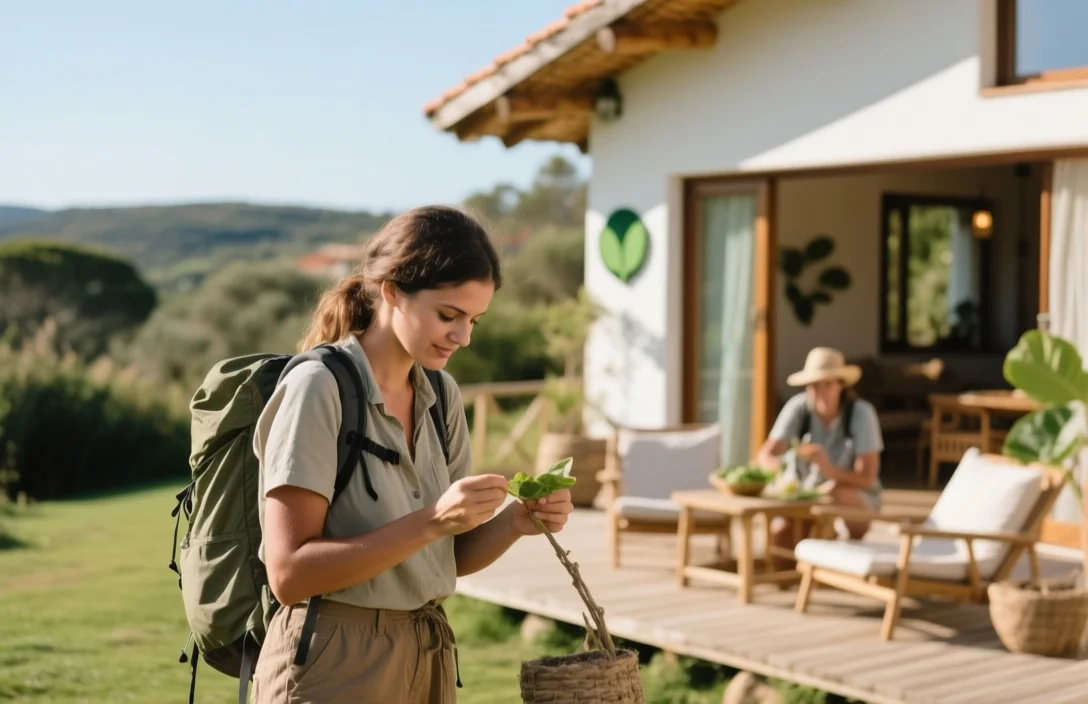
Portugal offers a range of low-impact activities that support local ecosystems and rural economies. These experiences prioritize wildlife protection and soil health over mass tourism.
Alentejo Wildlife And Trails
The Alentejo region is a sanctuary for rare birds like the Great Bustard and the Spanish Imperial Eagle. Guided walks through the Montado (cork oak forests) provide a way to see these species without disturbing their nesting grounds.
These trails avoid the main roads to prevent wildlife collisions. Visit between October and April for the best sightings when migratory birds arrive.
Local guides often lead small groups to hidden water holes. This limits the number of people in sensitive areas and keeps the environment quiet.
Regenerative Farming In The North
Northern Portugal is shifting toward regenerative agriculture to combat soil erosion in the steep Douro Valley. Many small-scale farms offer tours that explain carbon sequestration and organic composting.
These practices restore the land instead of depleting it. You can learn how cover crops prevent landslides on the hills.
For instance, visiting a family-run permaculture site allows you to learn about heirloom seed saving. This supports genetic diversity in local crops and keeps traditional farming alive.
Algarve Coastal Protection
Kayaking through the Ria Formosa lagoons is the best way to observe seahorses and flamingos without noise pollution. These non-motorized tours reduce water contamination and protect the fragile salt marshes.
Avoiding jet skis prevents the destruction of seagrass beds. This is critical for the health of the local fish populations.
Many operators now include a beach clean-up component in their trips. You spend thirty minutes collecting plastic before heading out on the water.
“I always recommend hiring local guides rather than using apps. They know the secret spots where tourists do not go, and your money stays in the community.”
| Region | Activity | Impact | Est. Cost |
|---|---|---|---|
| Alentejo | Birdwatching | Low | €20 – €50 |
| North | Farm Tours | Positive | €15 – €40 |
| Algarve | Kayaking |
Zero-waste Packing List For Portugal
Packing strategically for Portugal’s eco lodges significantly reduces your environmental footprint while enhancing your travel experience. The country’s diverse climate zones demand versatile, sustainable solutions that minimize waste without compromising comfort.
Essential Biodegradable Toiletries
Conventional toiletries generate substantial plastic waste that burdens Portugal’s waste management systems. Solid alternatives offer practical solutions that last longer and create zero packaging waste.
Reusable Gear For Remote Stays
Portugal’s rural eco-lodges often operate with limited resources, making reusable items particularly valuable during your stay. These items reduce your dependence on single-use plastics while supporting local sustainability initiatives.
| Essential Reusable Items | Portuguese Applications |
|---|---|
| Collapsible water bottle | Refill stations at eco-lodges and natural springs |
| Food containers | Local market purchases and takeaway food |
| Reusable shopping bags | Grocery shopping and beach visits |
| Utensil set | Rural restaurants without plastic cutlery |
Sustainable Clothing For Variable Climates
Portugal experiences dramatic climate variations from coastal regions to inland mountains. Layering with sustainable fabrics ensures comfort while reducing laundry needs and waste generation.
Choose natural fibers like organic cotton, linen, or Tencel that breathe well and can be worn multiple times between washes. Quick-drying materials work exceptionally well in Portugal’s humid coastal areas while thermal layers prove essential in mountainous regions during cooler months.
“My week at a cork forest eco-lodge taught me that merino wool base layers are indispensable. Day temperatures reached 25°C while nights dropped to 10°C. A versatile layering system eliminated the need to borrow lodge clothing or purchase new items locally.”
When selecting footwear, prioritize durable, sustainable options that handle both cobblestone streets and forest trails. A pair of comfortable sandals can double as beach and lodge footwear, reducing the number of pairs needed for your entire trip.
Quick Summary
Portugal offers diverse sustainable stays from Alentejo cork forests to Douro vineyards for travelers seeking low impact luxury vacations.
| Region | Eco Vibe | Avg. Price |
|---|---|---|
| Alentejo | Rural Heritage | 150 – 250 EUR |
| Douro Valley | Vineyard Stays | 200 – 400 EUR |
| Algarve | Coastal Nature | 130 – 300 EUR |
Final Travel Verdict
Planning a sustainable getaway in Portugal is simple when you focus on regional certifications and seasonal timing. This guide removes the guesswork by highlighting the best zones for eco lodges and providing clear cost expectations for your budget.
Ready to book your green escape? Check the links above to find the best available rates for these lodges. Share your experiences in the comments if you have visited any of these spots!
What is your favorite eco friendly spot in Europe?
Frequently Asked Questions
How Much Does It Cost To Stay In An Eco Lodge In Portugal?
You can expect to pay between 80 and 250 euros per night depending on the location and level of luxury. Book directly with the property to find the best rates and support local owners.
When Is The Best Time To Visit Portugal For An Eco Lodge Stay?
The shoulder seasons of May to June and September to October offer warm weather perfect for hiking and swimming without the summer crowds. Visiting during these times helps reduce the strain on local water and energy resources.
Is The Alentejo Better Than The Algarve For Sustainable Travel?
The Alentejo is known for vast, quiet landscapes and agro-tourism, while the Algarve excels in coastal conservation and marine protection. Choose the Alentejo for a rural off-grid experience or the Algarve for eco-friendly beach access.
Are Sustainable Lodges In Portugal Suitable For Kids?
Many eco lodges in Portugal are safe and welcoming for families, often offering farm activities and educational nature tours. You should verify that the specific lodge has safety features like fenced pools if you are traveling with toddlers.
What Should I Pack For A Sustainable Vacation In Portugal?
You should bring biodegradable sunscreen and reef-safe toiletries to protect the local environment, plus sturdy walking shoes for rural terrain. Since many lodges are off-grid, it is also smart to pack a universal power adapter and a reusable water bottle.
Disclosure: As an Amazon Associate, I may earn from qualifying purchases at no extra cost to you. Amazon and the Amazon logo are trademarks of Amazon.com, Inc, or its affiliates.
