
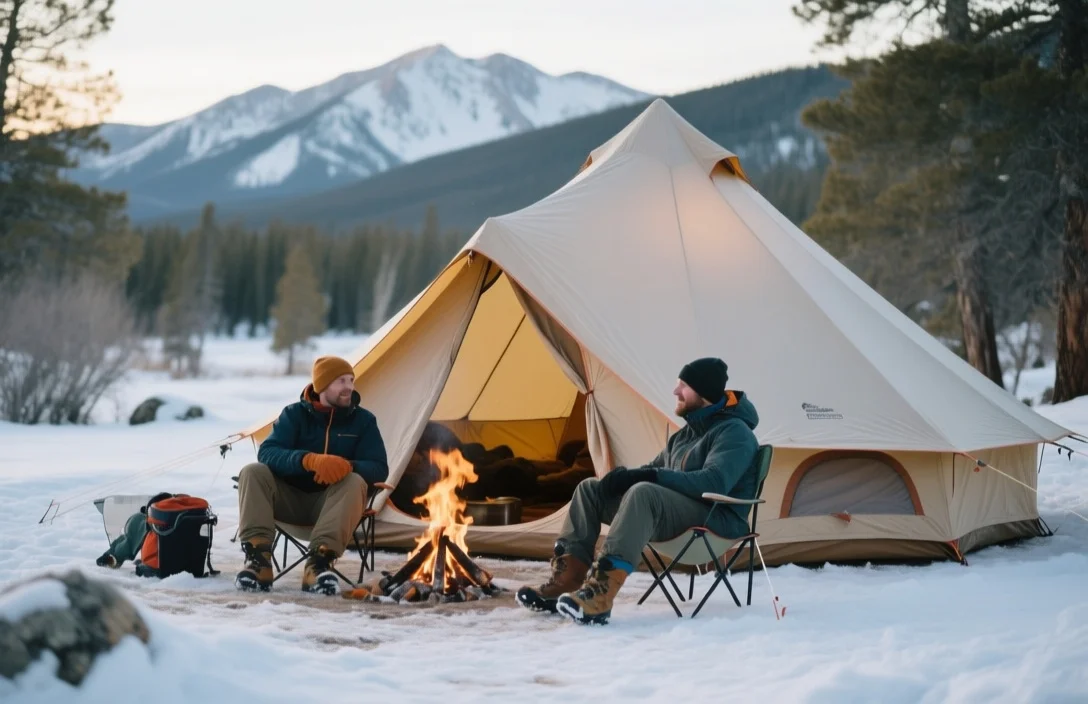
Waking up to a frozen mountain landscape while tucked under heavy down blankets is a dream until the temperature drops below zero. Finding reliable winter glamping heated tents Colorado travelers can trust requires looking past the pretty photos to check actual heating methods. I have vetted the best spots that offer real insulation and consistent warmth so you stay cozy through even the harshest Rockies storms.
Winter glamping heated tents Colorado locations provide climate-controlled shelter using wood-burning stoves, propane heaters, or electric heating systems to maintain comfortable indoor temperatures. Most high-end sites operate from December through March and offer amenities like heated flooring or heavy-duty canvas. Expect to pay between $250 and $600 per night for premium heated accommodations.
Winter Glamping Heated Tents Colorado: Planning Your Stay
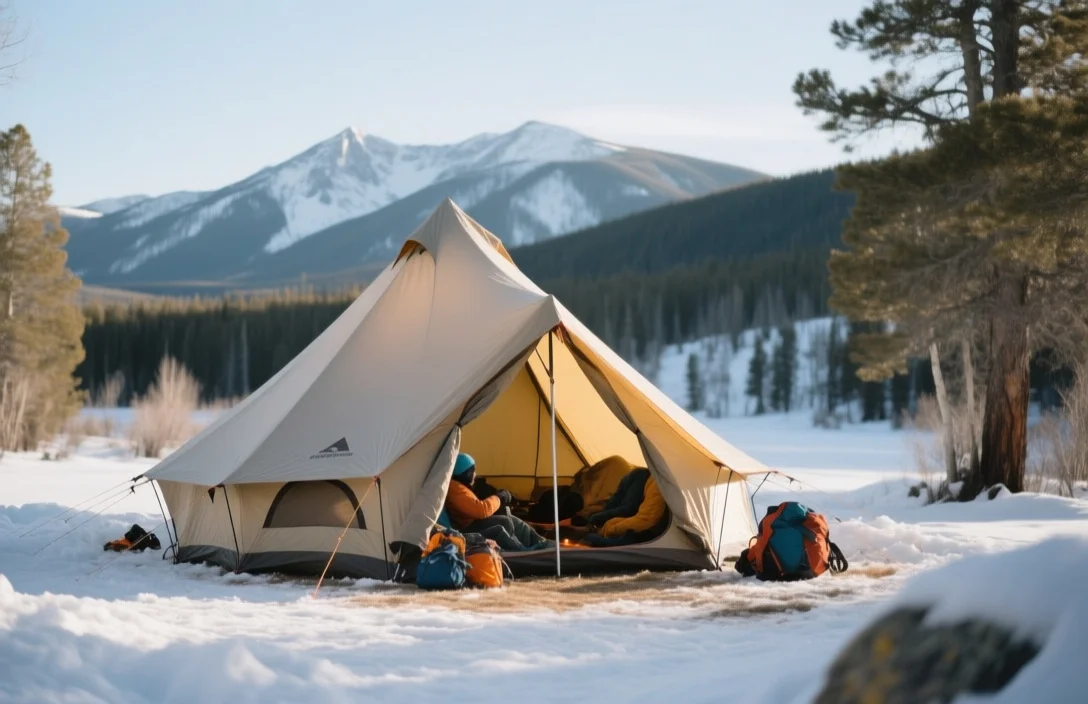
Colorado winter glamping uses insulated domes or heavy-duty canvas tents equipped with active heating to maintain indoor temperatures between 60 and 75 degrees Fahrenheit. These structures protect guests from sub-zero alpine air while keeping them close to snow-covered landscapes.
Heating And Insulation
Most high-end sites use wood-burning stoves or electric heaters. Wood stoves provide dry heat and a classic mountain feel, but they require constant fuel management.
Electric heaters are more consistent and easier to control. Some luxury domes have radiant floor heating to keep your feet warm during the night.
| Heating Type | Pros | Cons | Best For |
|---|---|---|---|
| Wood Stove | Atmospheric, reliable | High maintenance | Traditionalists |
| Electric | Set-and-forget, clean | Depends on grid | Convenience seekers |
| Pellet Stove | Efficient, automated | Mechanical noise | Longer stays |
Insulation is the second half of the warmth equation. Double-walled canvas and thermal liners prevent heat loss through the tent walls.
Booking And Logistics
Peak winter dates from December through February fill up fast. Book your spot 3 to 6 months in advance to secure the best locations.
Check the fine print on weather cancellations. Some hosts offer refunds for extreme blizzard warnings, but most have strict non-refundable windows.
Road access is a major pain point in the Rockies. Many sites require a 4WD or AWD vehicle during winter months to navigate unplowed paths.
“On a trip to the San Juans, I learned the hard way that a standard sedan cannot handle unplowed glamping access roads. Always rent a 4×4 if the site is remote.”
Based on personal research, experiences may vary depending on the specific altitude of the site. Higher elevations require more heavy-duty gear regardless of the tent heating.
Top Colorado Winter Glamping Destinations
Staying warm in the Colorado backcountry requires selecting sites that prioritize climate control, insulation, and reliable heating infrastructure. These locations provide distinct setups ranging from high-end luxury to rustic, wood-fired experiences.
Luxury And Climate-controlled Retreats
Collective Retreats in Vail offers a refined experience with heated, high-end canvas tents that utilize electric or propane heating systems to combat alpine temperatures. This setup provides a seamless transition from a day on the slopes to a comfortable evening in a plush bed.
On my last trip, I discovered that wood-burning stoves require active management throughout the night, so keep extra kindling near your bed if you choose a more rustic site.
Unique Winterized Stays
WeeCasa Tiny House Resort in Lyons provides fully winterized units that offer a more permanent structure than a standard tent while maintaining a cozy, glamping-style aesthetic. The proximity to Rocky Mountain National Park makes this a strategic base for winter hiking or snowshoeing.
Arapaho Valley Ranch focuses on winter-ready tent experiences that allow guests to enjoy the snowy landscape without sacrificing warmth. These sites often require advance booking, especially during peak holiday weeks when demand for heated outdoor lodging spikes.
| Destination | Heating Method | Best For |
|---|---|---|
| Collective Retreats | Electric/Propane | Upscale Comfort |
| Dunton River Camp | Wood Stove | Authentic Experience |
| WeeCasa | Central Heating | Proximity to Lyons |
| Royal Gorge | Climate Control | Active Adventure |
Mountain Chalet Aspen also offers glamping-adjacent options that blend traditional hotel amenities with the adventurous spirit of outdoor living. Check specific property websites for current winter availability, as many mountain locations operate on seasonal schedules and may close during extreme weather events. Always confirm your heating source when booking, as some rustic sites provide wood only upon request.
Winter Glamping Comparison Table
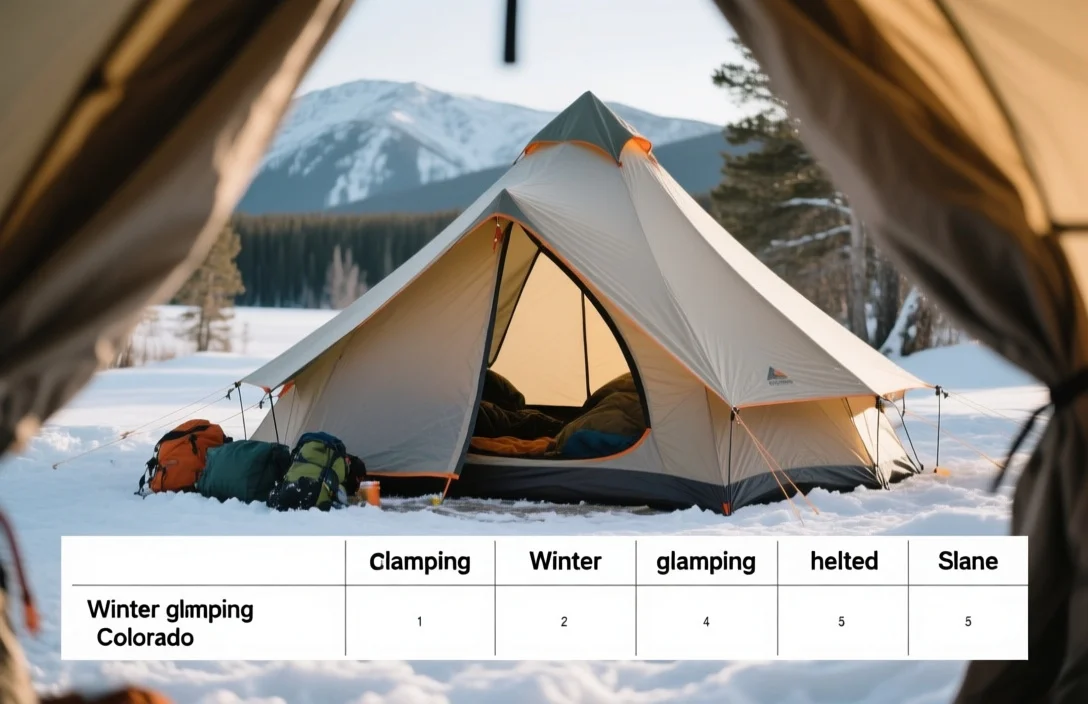
Colorado’s winter glamping scene balances cozy warmth with easy access to ski slopes and snow trails. Rates swing from $180 for a basic heated yurt near Steamboat to $650 for a luxury safari tent with a private hot tub in Aspen, while heating systems range from wood stoves to silent electric radiators.
| Site | Price per Night (Winter) | Heating Type | Distance to Nearest Major Ski Resort | Key Amenities |
|---|---|---|---|---|
| Bear Lake Yurts (Rocky Mountain NP) | $180 – $240 | Wood stove | 35 miles to Eldora | Propane cooktop, vault toilet, snowshoe rentals |
| Under Canvas Winter Park | $320 – $450 | Electric radiant floor + wall heater | 5 miles to Winter Park Resort | King bed, private deck, on-site café, shuttle to slopes |
| Collective Retreats Vail | $480 – $650 | Hydronic radiant floor | 12 miles to Vail Village | Private hot tub, chef-prepared breakfast, ski valet, heated bathroom |
| Dunton Hot Springs Canvas Tents | $550 – $750 | Wood stove + heated floors | 28 miles to Telluride | Private soaking tub, gourmet kitchen, guided snowmobile tours |
| Snow Mountain Ranch Yurts | $220 – $280 | Propane heater | 18 miles to Granby Ranch | Ski-in/ski-out access, communal lodge, sledding hill |
Wood stoves dominate budget-friendly sites, requiring guests to split kindling and stoke the fire every 2 – 3 hours. Electric and hydronic systems keep luxury tents at a steady 68 °F without noise or smoke, but they add $100 – $200 to the nightly rate.
Proximity to resorts varies widely. Under Canvas Winter Park sits just 5 miles from the lifts, while Dunton’s remote tents demand a 45-minute snowmobile transfer from the nearest plowed road. Most sites offer complimentary shuttles or discounted lift tickets, so check the package details before booking.
Reservations open 6 – 9 months ahead and fill within hours for holiday weekends. Set a calendar alert for the release date and be ready to pay the 50 % deposit immediately – many operators use a first-come, first-served queue system.
Essential Cold-weather Packing Strategy
High-altitude winter gear relies on a three-layer system to manage moisture and trap heat. A moisture-wicking base, an insulating middle, and a windproof outer shell prevent hypothermia in Colorado’s unpredictable mountain weather.
The High-altitude Layering System
Merino wool is the gold standard for base layers because it stays warm when wet and resists odors. Avoid cotton entirely, as it absorbs moisture and chills the skin rapidly.
Mid-layers should consist of heavy fleece or a lightweight down jacket. These materials create a pocket of warm air around your core.
A waterproof and windproof shell protects against sudden snow squalls. This outer layer keeps the internal insulation dry and effective.
Indoor comfort depends on your sleep setup. Even in a heated tent, the ground pulls heat from your body.
On my last trip to the Rockies, I forgot my wool socks and spent two nights with frozen toes. Now, I always pack a dedicated sleep-only pair of thick socks to ensure my feet stay warm until morning.
Safety gear prevents minor mishaps from becoming emergencies in the backcountry. Pack these items in a waterproof bag for easy access.
| Item | Purpose | Pro Tip |
|---|---|---|
| Headlamp | Hands-free light | Use lithium batteries for better cold performance |
| Hand Warmers | Instant heat | Keep them in your outer pockets |
| First Aid Kit | Basic injuries | Include blister pads and moleskin |
Based on personal research, experiences may vary depending on the specific glamping site’s heating capacity. Always check with the host about the exact temperature of the tent during the night.
Safety Tips For High-altitude Glamping
Altitude sickness occurs when your body lacks enough oxygen due to lower air pressure at high elevations. This often manifests as headaches, nausea, and shortness of breath within hours of arriving in the mountains.
Managing Altitude And Hydration
Hydration is the most effective way to combat thinning air. Drink double your usual water intake and avoid alcohol for the first 24 hours to prevent dehydration. This helps your blood carry oxygen more efficiently to your organs.
For instance, if you feel a persistent throb in your temples, try eating small, carb-heavy meals. Complex carbohydrates provide a steady energy source that helps your body adjust to the elevation without crashing.
Fire Safety With Tent Heating Systems
Wood stoves and propane heaters in canvas structures require strict ventilation to prevent carbon monoxide poisoning. Always ensure the stove pipe is securely sealed and that a functioning carbon monoxide detector is placed at head height.
In practice, keep all flammable bedding and clothing at least three feet away from the heat source. Canvas is fire-resistant but not fireproof, and a single stray blanket can ignite quickly in a small space.
“On a trip to the Rockies, I saw a guest leave a space heater too close to a faux-fur throw. It didn’t start a fire, but it scorched the fabric in minutes. Always create a ‘dead zone’ around your heater.”
Navigating Snow-covered Access Roads
Unpaved mountain roads become treacherous during winter storms. A standard sedan often lacks the clearance and traction needed for the final mile of a glamping site’s driveway.
| Vehicle Type | Safety Level | Requirement |
|---|---|---|
| FWD Sedan | Low | Snow chains required |
| AWD Crossover | Medium | Winter tires recommended |
| 4WD Truck/SUV | High | High clearance for drifts |
Check local road closures and weather alerts before leaving the main highway. Many remote sites require a 4WD vehicle during January and February to avoid getting stranded in deep drifts.
Winter Glamping Budget And Logistics
Expect to pay a premium for heated mountain accommodations during the peak ski season, often ranging from $250 to $600 per night depending on luxury levels and proximity to resorts. Winter operational costs like propane heating and snow removal drive these prices up significantly compared to summer rates. You should book at least two to three months in advance because inventory is extremely limited in high-demand areas like Telluride or Aspen.
Many Colorado sites offer specific winter packages that include amenities like breakfast or sled rentals, which can provide value if you plan to use them. However, mountain travel carries hidden costs that inflate your total budget quickly. Accessing remote yurts or bell tents often requires renting a 4WD vehicle just to reach the campsite safely.
Booking Policies And Cancellations
Booking policies in the Rockies are strict because weather can shut down access roads instantly. You need to read the fine print regarding cancellations and refunds. Most operators will not refund your money if you simply get cold feet, but they might offer credit for a closure.
| Policy Type | Notice Required | Refund Structure |
|---|---|---|
| Flexible | 48-72 Hours | Full refund minus fee |
| Moderate | 14 Days | 50% Refund or Credit |
| Strict | 30+ Days | No Refund / Credit Only |
Most high-end glamping sites require a 50% deposit at the time of booking to secure your dates. The balance is usually due 30 days before arrival. Be prepared for a security deposit for expensive equipment like heaters or wood stoves.
I always book directly with the property rather than through third-party travel agents. This ensures clear communication about road conditions and potential closures.
Quick Summary
Winter glamping in Colorado offers heated tents that blend cozy comfort with spectacular snow‑covered landscapes for an unforgettable outdoor adventure.
| Feature | Typical Detail | Note |
|---|---|---|
| Season | November – March | Peak snow coverage |
| Inside temperature |
Frequently Asked Questions Winter Glamping In Colorado
How Much Does Winter Glamping Cost In Colorado?
Winter glamping rates typically range from $200 to $450 per night depending on the location and amenities included. You should budget extra for winter add-ons like firewood and equipment rentals. Many sites offer package deals that include breakfast or ski shuttles.
Are Heated Tents Warm Enough For Sleeping In Colorado Winter?
Yes, modern heated tents can maintain temperatures between 50 and 70 degrees even when it drops below freezing outside. Most systems use electric or propane heaters that circulate warm air throughout the canvas. You still need a good sleeping bag for maximum comfort.
How Do I Book A Heated Glamping Tent For Winter In Colorado?
You must book directly through the specific glamping site’s website as availability drops significantly during peak winter months. Most operators require a credit card hold at the time of booking to secure your reservation. Always read the cancellation policy carefully since winter weather can affect travel plans.
Is Winter Glamping Better Than A Traditional Ski Resort Hotel?
Winter glamping offers a quieter and more secluded experience compared to the busy atmosphere of major ski resorts. It provides a unique connection to nature without sacrificing modern amenities like indoor plumbing. If you want privacy and stargazing, heated tents are the superior choice.
What Should I Pack For A Heated Tent In Colorado Winter?
Pack layers because temperatures fluctuate between day and night even inside the tent. Bring waterproof boots for snow and a high-quality sleeping bag rated for sub-zero temperatures. Don’t forget a headlamp and a portable charger since power outlets might be limited.
Disclosure: As an Amazon Associate, I may earn from qualifying purchases at no extra cost to you. Amazon and the Amazon logo are trademarks of Amazon.com, Inc, or its affiliates.
