
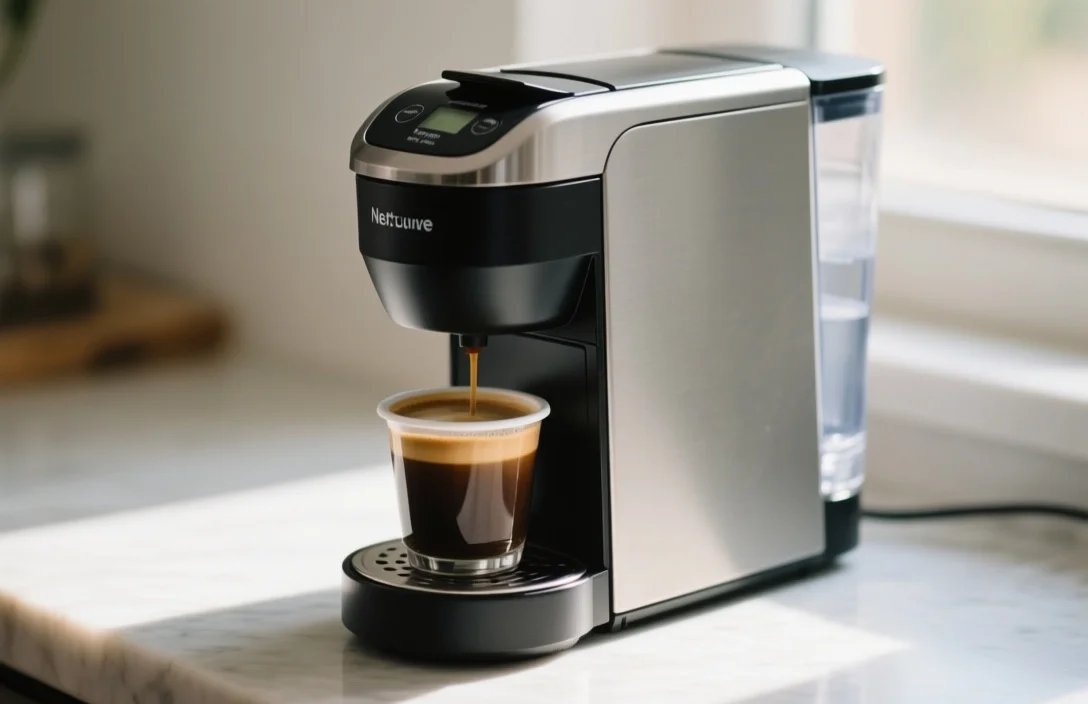
A single serve coffee maker lets you brew one cup (typically 6‑8 oz) at a time, cutting waste and saving time for busy mornings. This guide explains the machine’s inner workings, compares pod and ground‑coffee options, and shows how size, speed, and energy use affect your household. By the end you’ll know which model fits your routine, budget, and environmental goals.
A single serve coffee maker delivers a fresh cup in 30 seconds to 2 minutes, uses roughly 0.2 kWh per brew, and produces about 0.5 lb of plastic waste per month when using disposable pods.
Key Takeaways
- One‑cup convenience. A single serve machine brews a cup in under two minutes, ideal for quick meals.
- Pod vs ground trade‑off. Pods ensure consistency; ground coffee offers lower cost per cup.
- Reservoir matters. Models range from 40‑oz to 80‑oz water tanks, covering solo users to families.
- Energy efficiency. Most units draw less than 0.25 kWh per brew, lower than drip machines that stay on standby.
- Environmental cost. Disposable pods generate up to 15 lb of plastic waste annually per household.
What Is a Single Serve Coffee Maker and How It Works?
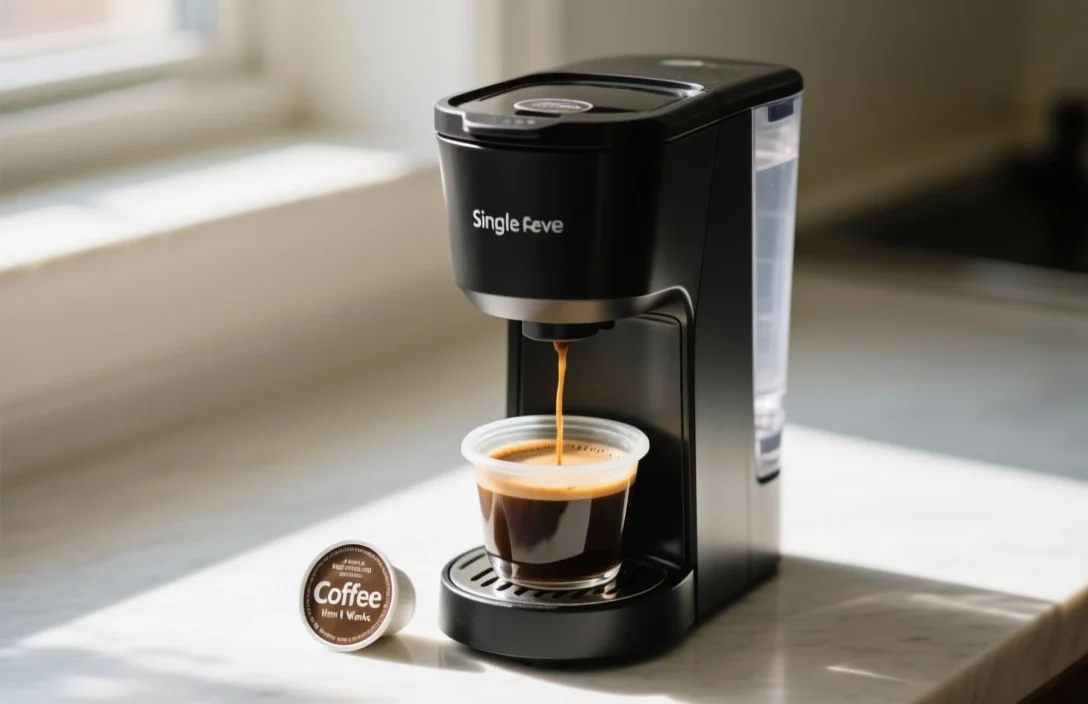
A single serve coffee maker is a compact appliance that prepares one cup of coffee per cycle, using either pre‑packaged pods or loose grounds. The device pulls water from an internal reservoir, heats it to a preset temperature (usually 190‑205 °F), and forces the hot water through the coffee medium at a pressure of 9‑12 bars. The result is a concentrated extraction that mimics espresso‑style strength for drip‑style cups.
Mechanically, the system contains a pump, a heating element, and a brew chamber. When you insert a pod or load a filter, the machine seals the chamber, activates the pump, and pulses water through the coffee. After extraction, the brew exits through a spout into your mug, and the machine flushes the chamber with a short rinse cycle to prevent residue buildup.
Pod Based Brewing vs Ground Coffee Systems
Pod‑based machines use sealed capsules containing pre‑measured coffee, often with a built‑in filter. This design guarantees a consistent dose, grind size, and brew ratio, eliminating guesswork. Ground‑coffee systems require you to add loose coffee into a reusable filter or basket, giving you control over strength, grind, and flavor profile.
Pod advantages:
- Consistency. Each capsule delivers the same dose, reducing variability.
- Speed. No grinding or tamping needed; just pop the pod and press start.
Ground coffee advantages:
- Cost. Bulk coffee is typically 30‑50 % cheaper per ounce than branded pods.
- Customization. Adjust grind size, dosage, and brew time to suit personal taste.
The choice hinges on whether you value convenience or flexibility.
💡 This versatile machine allows you to switch between K-Cups and ground coffee, giving you the best of both brewing worlds. Tastyle Mini Hot and Iced Coffee Maker Single Serve, for K Cup and Ground, 6 to 14 Oz Brew Sizes, with Recipe Book, for Home, Travel, RV, Office and Dorm,Classic Black (2.0 Version).
Water Reservoir Sizes for Different Household Needs
Single serve machines offer water tanks ranging from 40 oz (≈1.2 L) to 80 oz (≈2.4 L). A 40‑oz reservoir supplies about five 8‑oz cups before refilling, making it suitable for single users or office desks. An 80‑oz tank supports a family of four, delivering up to ten cups without a refill, reducing the need to top up during busy mornings.
When selecting a model, consider daily cup count: multiply the number of cups you expect per day by the cup size, then choose a reservoir that holds at least 1.5 × that volume to avoid frequent refills.

Helpful pick
Keurig K-Express Single Serve K-Cup Pod Coffee Maker, 3 Brew Sizes, Strong Button Feature, 42oz Removable Reservoir, Evergreen
With a 42oz removable reservoir, this machine is ideal for those needing a larger water capacity for multiple cups throughout the day.
Brewing Speeds Compared to Drip Coffee Machines
Single serve brewers typically finish a cup in 30 seconds to 2 minutes, while traditional drip machines take 5‑7 minutes to brew a full pot of 8‑12 cups. The faster cycle time stems from heating a smaller water volume and using higher pressure. However, the quick brew can sacrifice extraction uniformity, leading to a slightly higher bitterness if the water temperature overshoots the optimal range.
If you value speed over the nuanced flavor profile of a slow‑drip brew, a single serve unit wins; otherwise, a drip machine may deliver smoother taste at the cost of waiting time.
Comparing K Cup Compatibility and Third Party Pods
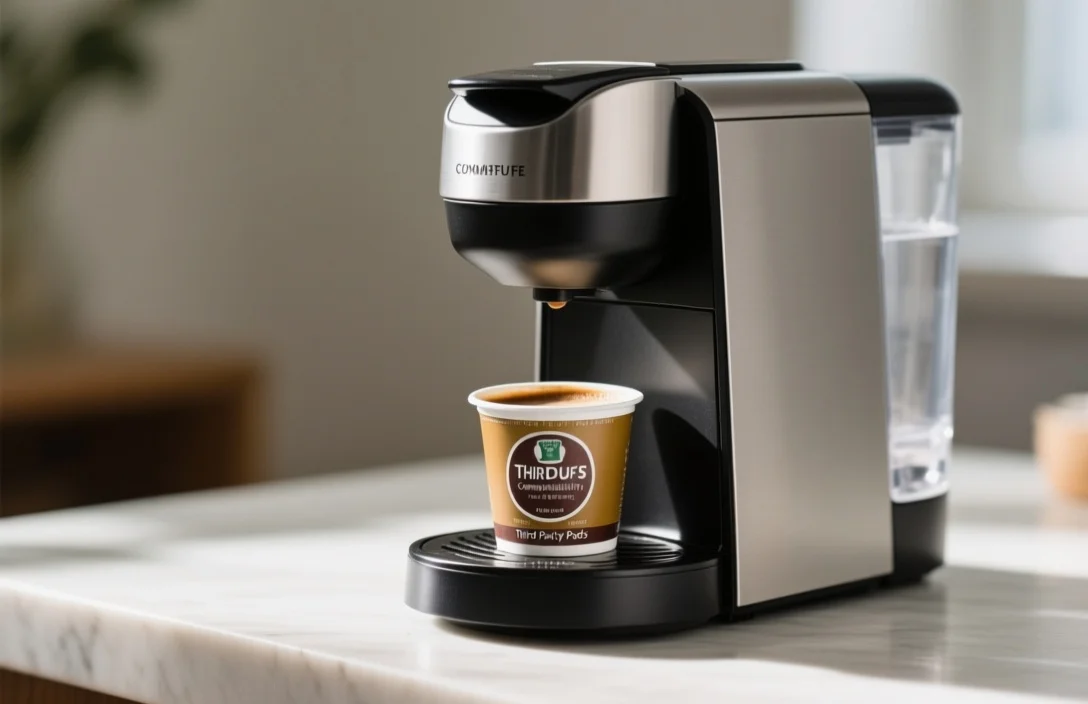
K‑Cup is the most common pod format in the United States, but many machines also accept third‑party capsules. Official K‑Cup pods guarantee fit and pressure, but they often carry a premium price (≈$0.50‑$0.60 per pod). Third‑party pods can be 30‑40 % cheaper, though compatibility varies; some may leak or produce weak extraction if the seal is imperfect.
Below is a comparison table highlighting key differences:
| Compatibility | Avg. Cost per Pod | Seal Quality | Flavor Consistency |
|---|---|---|---|
| Official K‑Cup | $0.55 | High (engineered) | Very consistent |
| Third‑Party (compatible) | $0.35 | Medium (varies) | Good, occasional weak brew |
| Reusable Metal Filter (with ground coffee) | $0.10 (coffee) | N/A | Fully customizable |
When budgeting, factor in both pod price and potential waste; reusable filters eliminate pod waste but require regular cleaning.
💡 The K-Mini is a highly popular choice designed specifically for K-Cup pods, offering a space-saving footprint for any small home. Keurig K-Mini Single Serve K-Cup Pod Coffee Maker, 6 to 12oz Brew size, with Cord Storage, Perfect for Small Spaces, Black.
Energy Consumption of Single Cup Brewing Systems
A typical single serve coffee maker draws about 0.2 kWh per brew, translating to roughly 0.6 kWh per day for two cups. In contrast, a drip coffee maker with a 24‑hour standby mode can consume 0.1‑0.15 kWh per hour, adding up to 2‑3 kWh daily even when not actively brewing.
Energy‑saving tips:
- Use the machine’s auto‑off feature if available.
- Keep the water reservoir full; heating a larger volume once is more efficient than reheating small amounts repeatedly.
Overall, single serve devices are more energy‑efficient for low‑volume users, while larger households may benefit from a drip system’s batch brewing despite higher standby draw.
Environmental Impact of Plastic Pod Waste
Disposable coffee pods contribute significantly to landfill mass. An average household using one pod per day creates about 180 pods annually, equating to roughly 15 lb (≈6.8 kg) of plastic waste. Many pods are not recyclable due to mixed materials (plastic, aluminum, coffee grounds).
Mitigation strategies:
- Choose biodegradable or compostable pods where available.
- Switch to a reusable metal filter with ground coffee, cutting pod waste to near zero.
- Participate in manufacturer take‑back programs that recycle spent pods.
Quantifying impact helps you decide whether the convenience outweighs the environmental cost.
Customizing Brew Strength and Temperature Settings
Higher-end single serve models let you adjust brew strength (often labeled “Mild,” “Medium,” “Bold”) and temperature (typically 180‑210 °F). Increasing strength directs more water through the coffee, extracting more solubles and yielding a richer cup. Raising temperature enhances extraction efficiency but can over‑extract bitter compounds if set too high.
Practical tip: Start with the manufacturer’s default (≈195 °F, medium strength) and tweak one variable at a time – first strength, then temperature – to find your preferred balance.
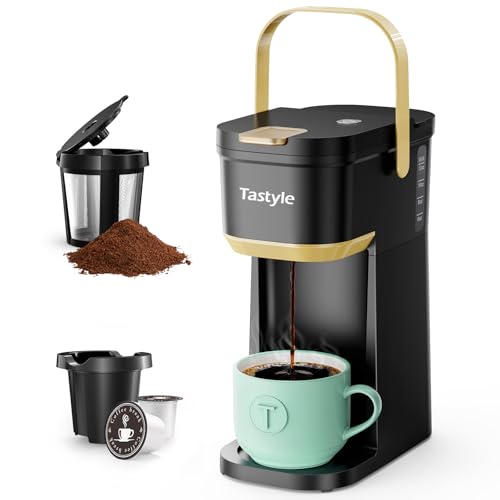
Helpful pick
Tastyle Single Serve One Cup Coffee Maker, for K Cups and Grounds, Mini Coffee Maker with Portable Handle, 6 to 12 Oz Brew Size, for Travel, Camping, Office, RV and Dorm, 120V, Black and Gold
This portable unit offers customizable brew sizes, allowing you to adjust the strength and volume of your coffee to your exact preference.
Cleaning Descaling Cycles for Mineral Buildup
Hard water leaves calcium deposits inside the heating element and brew chamber, reducing performance over time. Most manufacturers recommend a descaling cycle every 3‑6 months, using a solution of equal parts white vinegar and water or a commercial descaling agent.
Descaling steps:
- Fill the reservoir with the descaling solution.
- Run a brew cycle without a pod or coffee grounds.
- Rinse by filling the reservoir with fresh water and running two more cycles.
Neglecting descaling can increase brew time by up to 30 % and raise energy consumption due to reduced heating efficiency.
Cost Per Cup Analysis for Pods and Grounds
When calculating cost per cup, include both the coffee material and the machine’s amortized price. A typical pod costs $0.55; a 12‑oz bag of ground coffee (≈34 servings) costs $8, yielding $0.24 per cup. Adding the machine cost (≈$100) spread over 2 years (≈730 days) contributes roughly $0.14 per day, or $0.01 per cup for a daily user.
Thus, ground coffee can be 30‑50 % cheaper per cup, but the convenience of pods may justify the premium for users who value speed and minimal cleanup.

Helpful pick
Elite Gourmet EHC113M Personal Single-Serve Compact Coffee Maker Brewer Includes 14Oz. Stainless Steel Interior Thermal Travel Mug, Compatible with Coffee Grounds, Reusable Filter, Mint
By using a reusable filter with ground coffee, this model helps you significantly lower your cost per cup compared to pre-packaged pods.
Recapping Single Serve Coffee Maker Features
Single serve coffee makers combine rapid brewing, compact size, and customizable settings into a convenient kitchen tool. They differ from drip machines by delivering one cup in under two minutes, using less electricity per brew, and offering pod or ground‑coffee flexibility. Reservoir capacity ranges from 40‑oz to 80‑oz, matching solo or family usage. Energy draw averages 0.2 kWh per cup, while pod waste can reach 15 lb annually – mitigated by reusable filters and proper recycling. Adjusting strength and temperature lets you fine‑tune flavor, and regular descaling maintains performance. Cost per cup favors ground coffee, yet pods provide unmatched convenience.
FAQ About What Is A Single Serve Coffee Maker
How many cups can a typical single serve coffee maker brew before refilling?
Most models hold 40‑80 oz of water, enough for five to ten 8‑oz cups, so you’ll refill every few days if you drink one cup daily.
Are third‑party pods safe to use with my machine?
Yes, provided they are labeled “compatible.” Expect occasional leaks or weaker extraction, and verify the pod’s seal before brewing.
What is the average energy use per brew compared to a drip coffee maker?
A single serve unit uses about 0.2 kWh per cup, while a drip machine consumes roughly 0.1‑0.15 kWh per hour of standby, totaling higher daily energy use for low‑volume households.
How often should I descale my single serve coffee maker?
Descale every 3‑6 months, or sooner if you notice slower brew times or mineral deposits on the heating element.
Can I reduce plastic waste without giving up pod convenience?
Switch to biodegradable pods where available, or use a reusable metal filter with your favorite ground coffee to eliminate pod waste entirely.
Disclosure: As an Amazon Associate, I may earn from qualifying purchases at no extra cost to you. Amazon and the Amazon logo are trademarks of Amazon.com, Inc, or its affiliates.
