
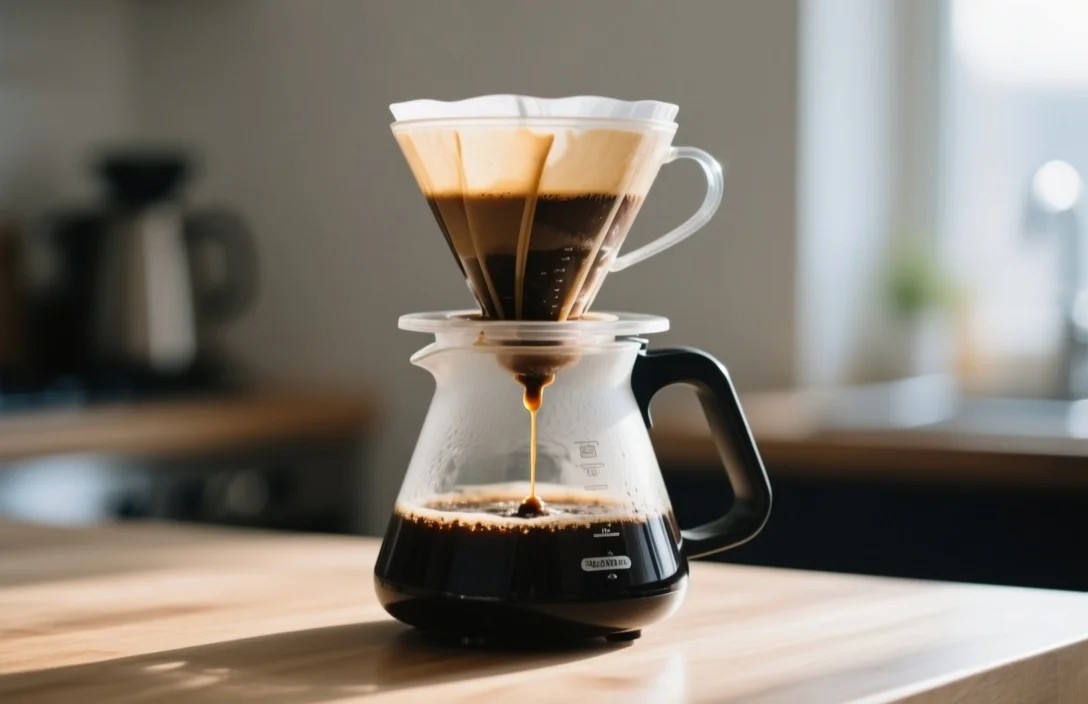
American households brew about 140 cups of coffee each week, most from drip coffee makers. Understanding how these machines extract flavor prevents bitterness and waste.
A drip coffee maker heats water to 195‑205 °F, sprays it over ground coffee in a filter, and lets gravity pull the brew into a carafe; a 12‑cup unit can fill in under six minutes.
Key Takeaways
- Heat range matters. Water between 195 °F and 205 °F extracts optimal flavor without over‑extraction.
- Filter choice impacts body. Paper filters trap most oils, while mesh filters let more oils pass for richer mouthfeel.
- Ratio controls strength. A 1:15 coffee‑to‑water ratio yields a balanced cup; adjust to 1:12 for a stronger brew.
- Cleaning prevents off‑flavors. Monthly vinegar flush removes mineral buildup that can alter taste.
- Programmable models save time. Machines with timers and thermal carafes let you brew fresh coffee on demand.
What Is a Drip Coffee Maker and How It Works?
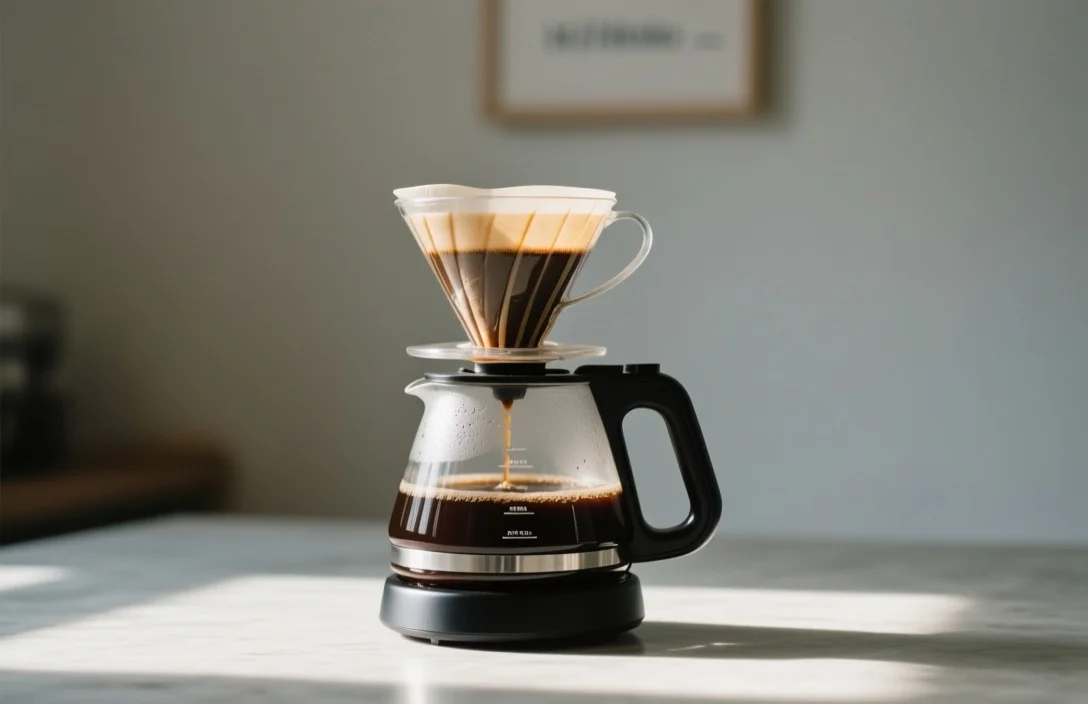
A drip coffee maker is an electric appliance that automatically pours hot water over ground coffee and collects the brew in a carafe. A thermostat triggers a heating element to raise water temperature, then a pump or gravity feed pushes water through a tube onto the coffee bed. Soluble compounds dissolve into the water, forming coffee that drips into the pot. The cycle ends when the reservoir empties or the machine detects completion, then the heating element shuts off to protect the carafe.

Helpful pick
Mueller 12-Cup Drip Coffee Maker
A classic example of an electric appliance that automatically brews coffee for your morning routine.
The Internal Components of Automatic Drip Machines
A coil or flat‑plate heating element raises water to the optimal extraction range; a thermostat monitors temperature and cuts power once the target is reached, preventing scalding. A removable water reservoir supplies the source. A pump in larger units creates pressure to push water up a vertical tube; simpler models rely on gravity once water reaches the brew basket. The brew basket holds a filter and coffee grounds. A perforated spray head distributes water evenly, ensuring uniform extraction. The carafe – glass or insulated stainless steel – collects the brew and may include a drip‑stop valve to prevent over‑pouring.

Helpful pick
Cuisinart 14-Cup Coffee Maker, Programmable PerfecTemp Glass Carafe Coffee Machine with 1-4 Cup Setting, Brew Strength Control and Pause, Stainless Steel, DCC-3200NAS
Cuisinart’s advanced technology ensures optimal temperature control and brew strength for a professional-grade coffee extraction experience.
Difference Between Drip Coffee and Pour Over
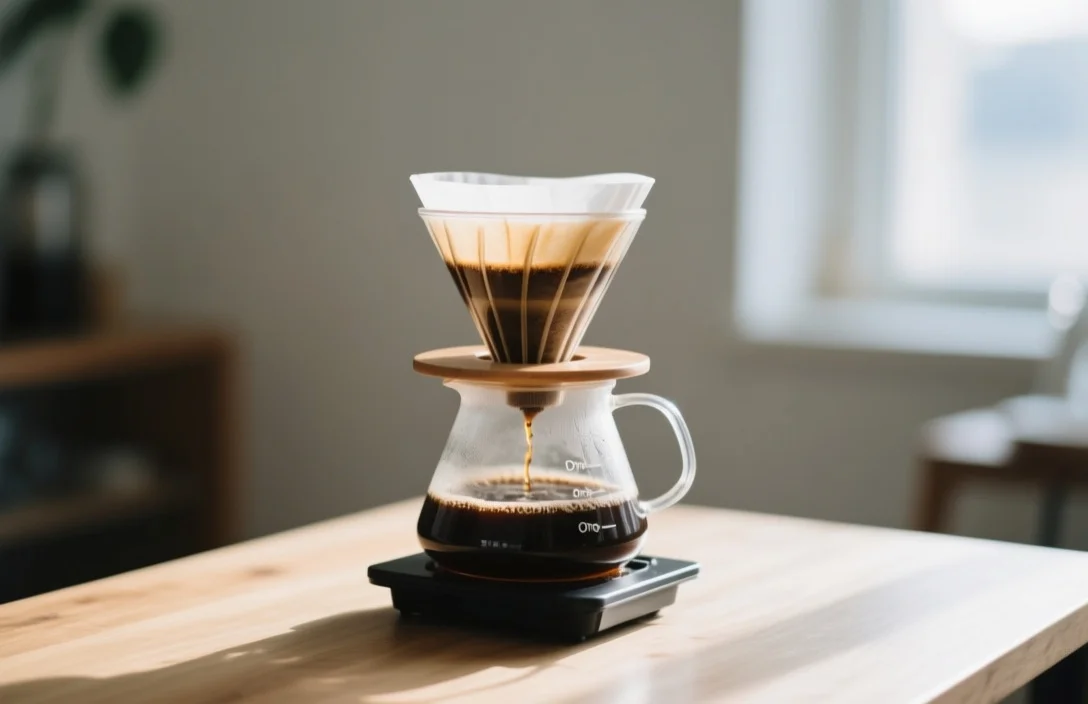
Drip coffee makers automate the pour‑over technique, delivering water at a steady rate without manual timing. Manual pour‑over lets the user control flow speed, temperature, and bloom time for finer flavor adjustments. Automatic machines maintain a consistent temperature but can suffer from channeling if the coffee bed is uneven. Pour‑over methods let the user stir the grounds and adjust the pour pattern, often resulting in a cleaner cup with more nuanced acidity.
💡 This Bodum pour over maker offers high-heat borosilicate glass and a reusable filter for the perfect manual brew. Bodum 34oz Pour Over Coffee Maker, High-Heat Borosilicate Glass with Reusable Stainless Steel Filter and Cork Grip – Made in Portugal.
Single Serve Versus Multi Cup Drip Brewers
Single‑serve drip brewers use a smaller brew basket and deliver one cup at a time, reducing waste for solo drinkers. They accept pre‑measured pods or a small scoop of grounds, and their reservoirs hold enough for one or two cups.
Multi‑cup models feature larger reservoirs and brew baskets, producing anywhere from four to twelve cups per cycle. The larger water volume can lead to a slightly lower temperature drop, but many units compensate with stronger heating elements.
💡 The Keurig K-Duo provides the versatility of both single-serve pods and a full carafe for any household. Keurig K-Duo Hot & Iced Single Serve & Carafe Coffee Maker, MultiStream Technology, 72oz Reservoir (Gen 2).
Paper Filters Versus Permanent Mesh Filters
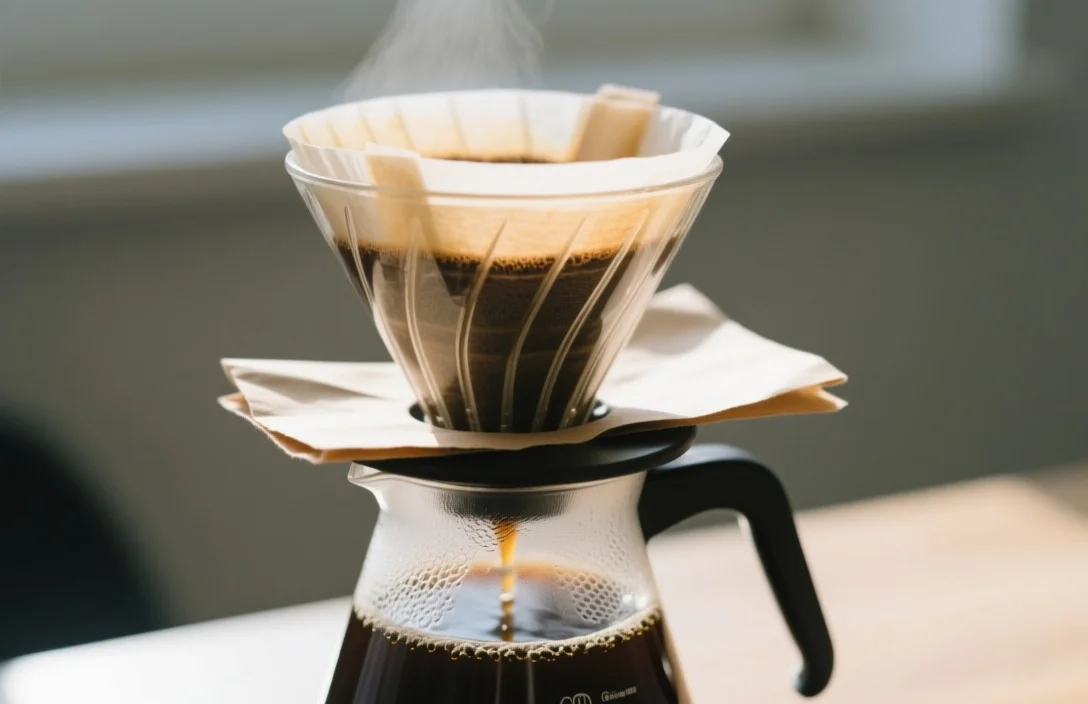
Paper filters are disposable, inexpensive, and trap most coffee oils, resulting in a cleaner cup with less sediment. They also absorb a small amount of caffeine, slightly lowering brew strength.
Permanent mesh filters are reusable, reduce waste, and allow more oils to pass, creating a fuller body and richer mouthfeel. They require regular cleaning to prevent oil buildup that can cause rancid flavors over time.
| Filter Type | Typical Cost (per 100) | Oil Retention | Best For |
|---|---|---|---|
| Paper | $5 - $8 | High | Clean, bright cup |
| Mesh | $12 - $20 | Low | Full‑bodied, sustainable brew |
💡 This BLACK+DECKER model includes a washable basket filter to help you reduce waste and save money. BLACK+DECKER 12-Cup Digital Coffee Maker, Programmable, Washable Basket Filter, Sneak-A-Cup, Auto Brew, Water Window, Keep Hot Plate, Black.
How to Brew Coffee Using a Drip Machine
Measure coffee grounds with a kitchen scale; a 1:15 ratio (e.g., 20 g coffee to 300 g water) yields a balanced brew. Place grounds in the filter, distribute evenly, and level the surface to avoid channeling.
Fill the water reservoir with fresh, cold water and seat the carafe properly. Select the desired brew size, press start, and let the machine complete its cycle. When brewing stops, remove the carafe, stir the coffee gently, and serve immediately for peak flavor.
Adjusting Water to Coffee Ratios for Strength
A stronger cup uses a lower water‑to‑coffee ratio, such as 1:12; a milder cup uses a higher ratio like 1:18. Adjust grind size in tandem; finer grinds increase extraction speed, complementing a higher ratio.
Experiment by brewing two pots side by side, changing only the ratio, and taste the difference. Too low a ratio can cause over‑extraction, producing bitterness and astringency.
Cleaning Your Drip Coffee Maker with Vinegar
Mix one part white distilled vinegar with two parts water and pour into the reservoir. Run a full brew cycle without coffee grounds; the vinegar dissolves mineral deposits and loosens coffee oils.
After the cycle, discard the mixture and run two additional cycles with plain water to rinse residual acidity. Perform this cleaning monthly to maintain consistent flavor and extend the machine’s lifespan.
Programmable Timers and Thermal Carafe Features
Programmable timers let you set brewing to start at a specific hour, delivering fresh coffee when you wake up. Look for models with a 24‑hour clock and a “brew now” button for flexibility.
Thermal carafes use double‑wall insulation to keep coffee hot for up to four hours without a warming plate, which can cause a burnt taste. Stainless‑steel thermal models also reduce the risk of accidental spills on the countertop.
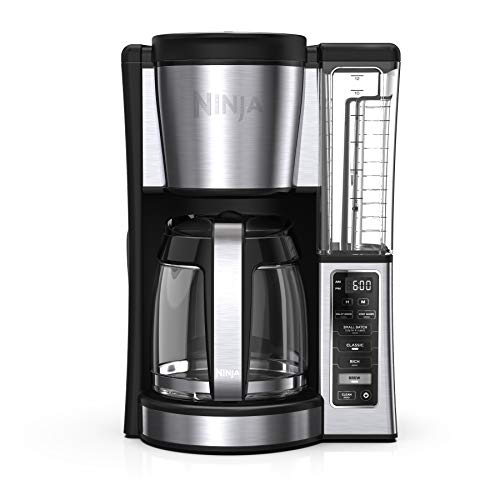
Helpful pick
Ninja 12-Cup Programmable Coffee Brewer, 2 Brew Styles, Adjustable Warm Plate, 60oz Water Reservoir, Delay Brew – Black/Stainless Steel
The Ninja programmable brewer features adjustable warm plates and delay brew settings for your perfect morning routine.
Comparing Drip Machines to French Press and Espresso
Drip brewers excel at convenience and consistency, delivering large volumes with minimal user input. French presses require manual steeping and pressing, offering a richer body but demanding more effort and cleanup.
Espresso machines force water at high pressure through finely ground coffee, producing a concentrated shot with crema; they are more expensive and require regular maintenance. For everyday home use, drip coffee makers provide the best balance of speed, flavor, and cost.
Recap of Drip Coffee Brewing
Drip coffee makers heat water to 195‑205 °F, spray it over grounds held in a filter, and let gravity collect the brew in a carafe. Core components include the heating element, thermostat, reservoir, pump or gravity feed, spray head, and carafe.
Paper filters yield a clean cup, while mesh filters enhance body; choose based on taste preference and sustainability goals. Adjust coffee‑to‑water ratios to control strength, and clean monthly with a vinegar rinse to prevent off‑flavors.
Programmable timers and thermal carafes add convenience and preserve temperature without a warming plate. Compared to French press and espresso, drip machines offer the most user‑friendly experience for daily coffee consumption.
FAQ About What Is A Drip Coffee Maker
How much coffee should I use for a 12‑cup drip machine?
Use about 60 g of coffee (roughly 12 tablespoons) for a full 12‑cup pot, following a 1:15 coffee‑to‑water ratio for a balanced brew.
Can I use a mesh filter with any drip coffee maker?
Most standard drip machines accept both paper and mesh filters; verify the brew basket size to ensure the mesh filter fits without restricting water flow.
How often should I descale my drip coffee maker?
Run a vinegar cleaning cycle every four to six weeks, or more frequently if you have hard water; this prevents mineral buildup that can alter brew temperature.
Does a programmable timer affect coffee freshness?
A timer that starts brewing at the desired wake‑up hour delivers coffee that is freshly brewed, not sitting on a warming plate, preserving aroma and flavor.
Are thermal carafes better than glass carafes for taste?
Thermal carafes keep coffee hot without a warming plate, avoiding the “burnt” taste that can develop in glass carafes kept on a hot plate for extended periods.
Disclosure: As an Amazon Associate, I may earn from qualifying purchases at no extra cost to you. Amazon and the Amazon logo are trademarks of Amazon.com, Inc, or its affiliates.
