

Reusable coffee filters last longer and brew cleaner coffee when you rinse them immediately and deep-clean every few uses. The moment grounds dry on the mesh (or in a cloth fiber), you get more clogging, more sediment, and a more muted cup. This tutorial covers daily cleaning, plus what to do if your filter smells, stains, or won’t unclog.
Reusable coffee filter cleaning is simple: rinse right after brewing with cold water, scrub gently with mild dish soap, then air-dry fully. Deep-clean about every 3 to 5 uses, especially with very fine grounds or hard water. If your filter smells musty, clean more often and avoid letting wet grounds sit inside.
Key Takeaways
- Rinse immediately. Remove grounds and rinse with cold water right after brewing to prevent buildup.
- Use mild soap. Scrub with a mild dishwashing detergent, skip dyes and fragrances.
- Air-dry completely. Let the filter dry fully before storing to prevent mold and off odors.
- Deep-clean on schedule. Deep-clean every 3 to 5 uses, sooner with fine grinds.
- Avoid harsh tools. Don’t use metal scrubbers or abrasive pads that damage the mesh or fibers.
- Match cleaning to material. Cloth, stainless, and gold-tone filters need slightly different care choices.
How to begin
Cleaning a reusable coffee filter takes only a few minutes, but timing makes the difference. When grounds and water sit in the filter, residue hardens, flow slows, and mold risk rises fast. The goal is simple: remove used coffee oils and fines without damaging the mesh (or fabric).
Start by identifying your filter material, because cleaning choices depend on it. Common types include stainless steel or gold-tone metal filters (used with many pour-over and drip baskets), nylon or fine-mesh filters, and cotton cloth filters (often used for cold brew or pour-over). If you use a reusable pod or model-specific system, follow the cleaning approach that fits the design.
A reliable workflow works for almost everyone: empty the grounds, rinse, wash gently, then dry completely. Do that each time and you’ll usually only need deep-cleaning occasionally to keep flow consistent and flavor clean.
The Basics of Cleaning a Reusable Coffee Filter
A reusable coffee filter works like a catch-and-release system for coffee fines and oils. Each brew deposits a thin film of coffee oils and microscopic particles in the fibers or mesh. If you rely only on rinse-only cleaning, that film slowly turns into visible residue, which is why periodic deep cleaning matters.
Hard water speeds up buildup because it leaves more mineral scale. Fine grinds clog faster too, since more particles pass through and lodge in the filter bed. If you brew with espresso-fine or very powdery grounds, plan on deep-cleaning more often.
Drying is part of the cleaning, not an afterthought. Even when filter fibers don’t soak up much water, the filter still needs time to dry completely. Storing a wet filter in a drawer or container creates the conditions for musty odors and mold.
How to Clean a Reusable Coffee Filter
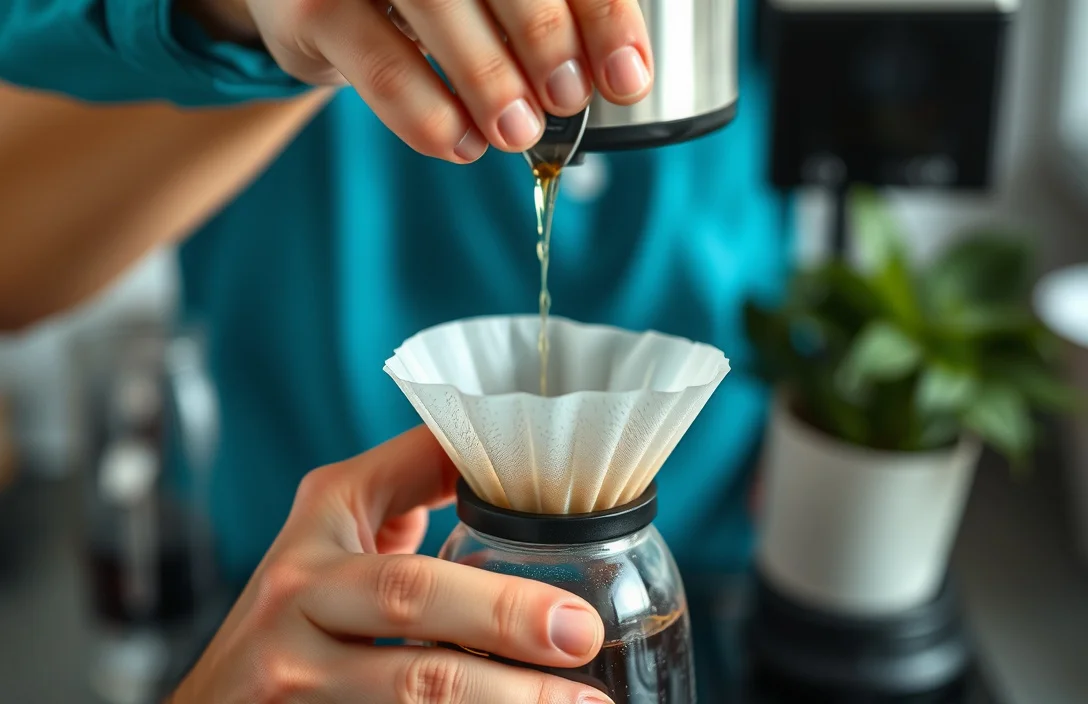
- Remove the used grounds. Scoop out grounds right after brewing to reduce buildup and prevent hardening.
- Rinse immediately with cold water. Hold the filter under cold running water and rinse from the inside out. Cold water helps loosen oils and keeps residue from clinging as it cools.
- Shake off excess water. Tap the filter gently to remove standing water, especially for cone and basket shapes with folds or seams.
- Wash with mild dish soap. Add a small amount of mild dishwashing detergent to a soft kitchen sponge and scrub gently. Focus on the spots where residue tends to collect, then rinse thoroughly so no soap remains.
- Air-dry fully before storing. Place the filter on a dish rack or drying surface so air can reach both sides. If you store it damp, you invite off odors in the next brew.
- Deep-clean every 3 to 5 uses. When rinsing alone doesn’t restore flow, deep-clean on this schedule. Deep-clean sooner if you notice faster clogging, darker sediment, or a stale coffee smell.
Adjust frequency based on what you see. If your filter slows down after the first few brews, start deep-cleaning at the 3-use mark instead of waiting for 5.
For cloth filters, the routine stays the same (empty, rinse, wash, dry) but scrub gently and avoid distorting the fabric. For gold-tone metal filters, skip harsh acids unless the manufacturer says it’s safe, since acidity can wear down metal over time.
Things that matter most
Clean from the inside out to push fines back toward the open end. Rinsing the wrong way can shove residue deeper into fiber or mesh corners, which makes the next brew extract less evenly.
Use mild dish soap as your default cleaning agent. It breaks up oils without leaving strong residues. Avoid soaps with dyes, pigments, or added fragrances, since any leftover residue can affect the next cup’s aroma.
Resist abrasive tools. Metal scrubbers can remove surface staining, but they also damage the microstructure of the filter. Over time, that roughened surface holds grime more easily and clogs faster.
Deep cleaning should target both scale and oil buildup, not just surface “spot cleaning.” If you see residue, smell a funk, or notice slower flow, reset the whole filter surface. A properly deep-cleaned filter should feel clean and slippery, not gritty.
Deep-clean benefits you’ll notice:
- Faster flow returns. Water passes through more evenly.
- Sediment drops. Less fine grit ends up in the cup.
- Taste gets brighter. Stale oils stop adding bitterness.
- Odors fade. Musty smells stop coming back quickly.

Helpful pick
TGP Organic Hemp Cloth Coffee Filter Cone No. 4, 3-Pack, Cotton Cloth Coffee Filters
Cloth filters are washable and reusable, making thorough interior cleaning easier between brews.
What works in practice

Build a routine you can do every brew: empty grounds promptly, rinse right away, wash with mild soap when needed, and always air-dry completely. If you do only one thing consistently, do the drying step. Wet storage is the most common reason filters keep developing recurring bad smells.
If you’re going to be busy, clean sooner rather than later. When you can’t wash immediately, at least rinse and shake out the filter before grounds dry. Dried coffee oils stick harder and bake into fibers or mesh.
Match your deep-clean frequency to your brew style. Fine grounds, longer contact brewing, and cold brew all load the filter more heavily, so deep-clean more often. Coarser grinds plus rinse-right-away habits usually let you stay closer to the 3-to-5-use window.
For gold-tone metal filters, avoid vinegar unless your filter maker says it’s okay. Vinegar is acidic, and that acidity can wear down metal over time. Mild soap plus a thorough deep-clean cycle is the safer long-term approach.
Quick material check (so you don’t guess)
| Filter material | What you’re trying to avoid | What works best |
|---|---|---|
| Stainless or gold-tone metal mesh | Permanent staining, scale, roughened mesh | Mild soap scrubs, rinse inside-out, deep-clean every 3-5 uses |
| Nylon/fine mesh | Abrasion damage, clogged fibers | Gentle soap washing, no metal scrubbers, thorough rinse and dry |
| Cotton cloth filter | Mold from wet storage, odor buildup, fiber damage | Prompt rinsing, gentle detergent wash, full air-dry |

Helpful pick
Reusable Coffee Filters 8-12 Cup Compatible with Black Decker Mr Coffee & Most Standard 8-12 Cup Basket-Style Coffee Makers – Permanent Gold Tone Stainless Steel Mesh Coffee Filter Replaces Paper
A reusable metal mesh filter simplifies rinsing and air-drying after every brew, boosting consistency and longevity.
Mistakes to Avoid When Cleaning a Reusable Coffee Filter
Skipping the immediate rinse is the biggest mistake. If grounds and water sit in the filter, residue builds faster, and you end up scrubbing longer later. Damp storage after brewing also leads to musty odors that can come back even after a quick rinse.
Using abrasive tools is another common problem. Metal scrubbers can damage mesh and cloth in ways you don’t notice right away, but you feel it later when flow slows and sediment increases.
Under-cleaning traps oil films and mineral scale. If you rinse but never deep-clean, buildup gradually thickens. You might not notice at first, then suddenly the filter clogs quickly and the coffee tastes flat or slightly bitter.
Strongly scented or colored soaps are a sneaky issue. Coffee absorbs aromas, and residue from fragrant or dyed soap can show up as an odd note. Mild, unscented dish soap plus thorough rinsing is the safest choice.
Storing a filter that’s still damp sets you up for trouble. Even if it doesn’t smell right away, moisture inside fibers encourages odors and growth. Air-dry fully every time.
Helpful pick
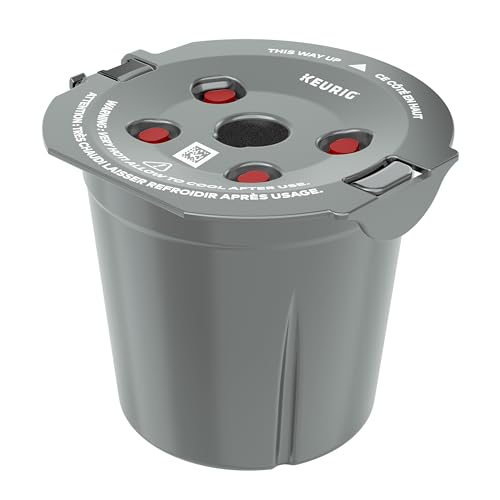
My K-Cup® Reusable Coffee Filter
A well-designed reusable filter like this encourages a quick rinse, reducing residue and future scrubbing.
Pro Tips for Cleaning a Reusable Coffee Filter
Keep up a quick rinse even between deep cleans. A fast inside-out cold rinse after brewing helps prevent oils from turning into hard residue, so deep-cleaning stays easier and less frequent.
Use symptoms to guide deep-cleaning rather than only the calendar. If flow slows, sediment increases, or the filter smells stale, deep-clean sooner than every 5 uses. Fine grinds and hard water both shift buildup faster, so treat them as signals.
If your filter is clogged, don’t jump straight to rough scrubbing. Rinse thoroughly first and check for trapped grounds. Then wash gently with soap and rinse with water running through the filter. If it’s still clogged, repeat the wash before using harsher measures.
Set up a dedicated drying spot. Put the filter on a rack where air reaches multiple sides. One habit like this does more for preventing musty smells than adding “special” cleaners.
If you brew often, keep a spare filter. Swap filters so one dries fully while you rinse the other right away. It reduces downtime and prevents the temptation to store a damp filter “just for tonight.”
FAQ
How often should I deep-clean a reusable coffee filter?
Deep-clean about every 3 to 5 uses, especially with fine grounds or hard water. If the filter starts slowing down, shows more sediment, or develops a stale smell, deep-clean earlier. Between deep cleans, empty grounds and rinse right after brewing, then air-dry fully.
Can I use vinegar to clean a reusable coffee filter?
Use vinegar only if your specific filter maker allows it, since vinegar is acidic. For gold-tone metal filters, acidity can wear down metal over time. For most filters, mild dish soap plus thorough rinsing is the safer default, supported by deep-cleaning on schedule.
What soap should I use for cleaning a reusable coffee filter?
Use mild dishwashing detergent and avoid formulas with dyes, pigments, or added fragrances. Fragrance and color additives can affect coffee aroma if residue remains. Scrub gently with a soft sponge, then rinse until the water runs clear and there’s no slippery soap feel.
How do I stop my filter from smelling bad?
Rinse immediately after brewing, then wash with mild dish soap and rinse thoroughly. The biggest fix is drying completely before storage, since damp storage can create musty odors and mold risk. If the smell persists, deep-clean more often and make sure the filter is fully dry for at least several hours before putting it away.
What’s the most common mistake people make when cleaning reusable filters?
Storing the filter damp or letting grounds dry inside it. Dried coffee oils and wet storage both lead to clogging, residue buildup, and off flavors. Empty grounds promptly, rinse right away with cold water, wash gently as needed, and always air-dry fully before storing.
Disclosure: As an Amazon Associate, I may earn from qualifying purchases at no extra cost to you. Amazon and the Amazon logo are trademarks of Amazon.com, Inc, or its affiliates.
