
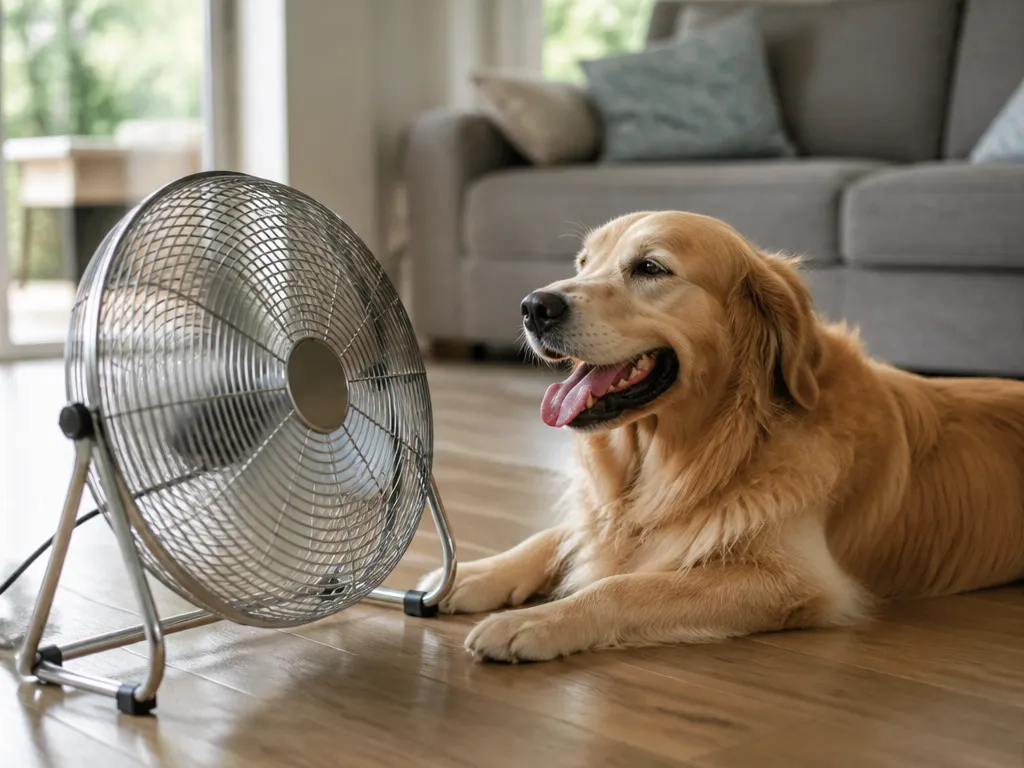
Keeping your animals safe during extreme heat requires immediate action. Temperatures above 80°F can quickly become dangerous for pets, especially those with thick coats, health issues, or flat faces. Your home is their primary refuge, and creating the right environment involves three critical elements: constant access to fresh water, unrestricted airflow, and access to cool surfaces. Focus on these fundamentals before the first heatwave arrives to prevent heat stress, dehydration, and potentially fatal heatstroke.
Key Takeaways
- Hydration is non-negotiable. Always provide multiple water bowls and add ice cubes to keep the temperature refreshing throughout the day.
- Airflow prevents stagnation. Use ceiling fans or oscillating floor fans to keep air moving, as pets rely on convection to cool down.
- Strategic shade matters. Close blinds and curtains on south-facing windows during the hottest hours to prevent solar heat gain inside.
- Surface cooling works. Provide elevated beds or cool tile floors so your pet can dissipate body heat through direct contact.
- Monitor for distress. Watch for excessive panting, lethargy, or bright red gums as these indicate your pet is overheating.
- Limit physical activity. Schedule exercise for early morning or late evening when the ambient temperature is at its lowest.
How to begin
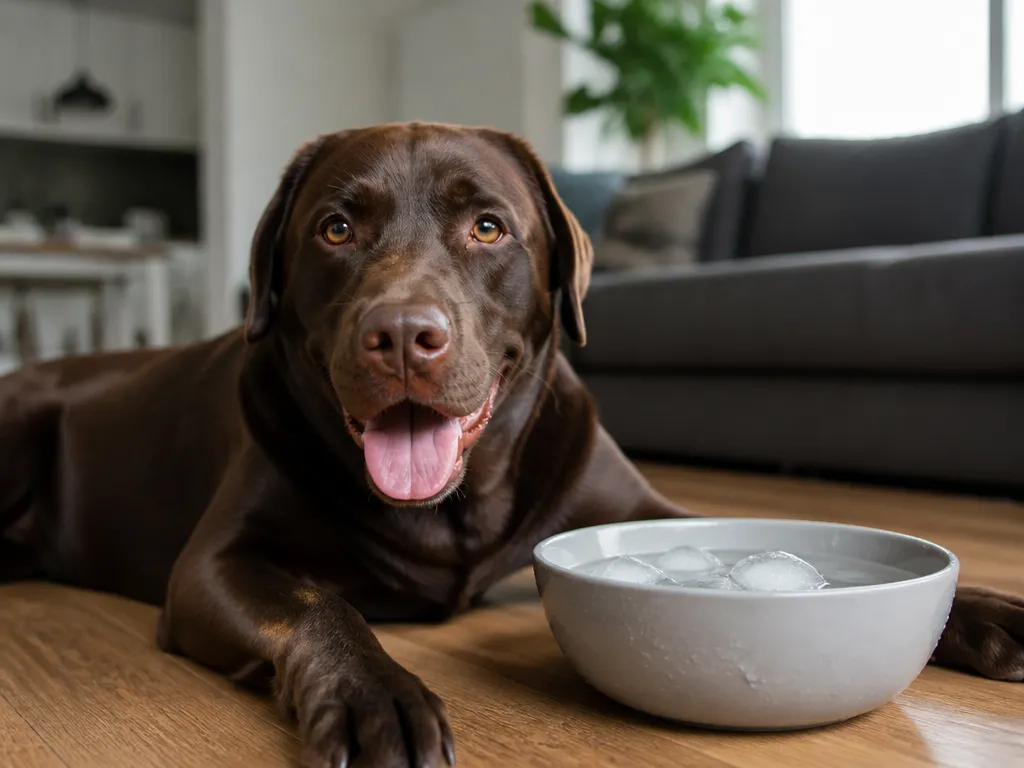
Assess your home layout now to identify which rooms retain the most heat and which areas stay naturally cool. Most pets instinctively seek out specific spots like bathrooms with tile flooring or basements when they feel uncomfortable. Clear these zones of obstacles and make them accessible to your pet at all times before temperatures rise.
Gather essential supplies before the heat arrives: portable fans, cooling mats, and extra water bowls for multiple rooms. If you rely on air conditioning, test your unit early in the season to ensure proper functioning. A malfunctioning AC during a heatwave creates an emergency situation that could endanger your pet. Taking these logistical steps ensures you are prepared when temperatures become dangerous.
How Pets Cool Themselves
Dogs primarily cool themselves through panting and releasing heat through their paw pads, while cats rely on grooming and finding cooler surfaces. Animals cannot sweat effectively like humans, making them highly dependent on ambient air temperature and available cool surfaces. When indoor temperatures exceed 80°F, pets struggle to regulate their body temperature even with access to water and shade.
Eliminate direct sunlight exposure during peak hours (typically 10 AM to 4 PM). If a room receives afternoon sun, your pet must have the option to move to a different, darker area. Constant access to clean, cool water is equally critical, as dehydration rapidly accelerates heat exhaustion. When dehydrated, a pet’s blood volume decreases, making it harder for their body to move heat away from organs toward the skin for cooling.

Helpful pick
EXPAWLORER Dog Cooling Bandana – 2 Pack Instant Cooling Dog Bandanas, Chill Out Pet Cool Scarf Summer Essentials Ice Neck Cooler Wrap, Prevent Sunstroke for Small Medium Large Dogs, Navy Green L
Since pets release heat through their bodies, these cooling bandanas provide targeted relief to help them manage their temperature during hot weather.
Step-by-Step Pet Cooling Protocol
- Close all blinds and curtains on windows receiving direct sunlight to prevent the greenhouse effect in your living space.
- Place multiple water bowls in different rooms to encourage frequent drinking, ensuring each bowl contains fresh, cool water.
- Position fans to circulate air through the house, securing them so they cannot be tipped over by an active pet.
- Clear cool, hard surfaces like tile or linoleum in kitchens or bathrooms so your pet can lie down and transfer body heat directly to the floor.
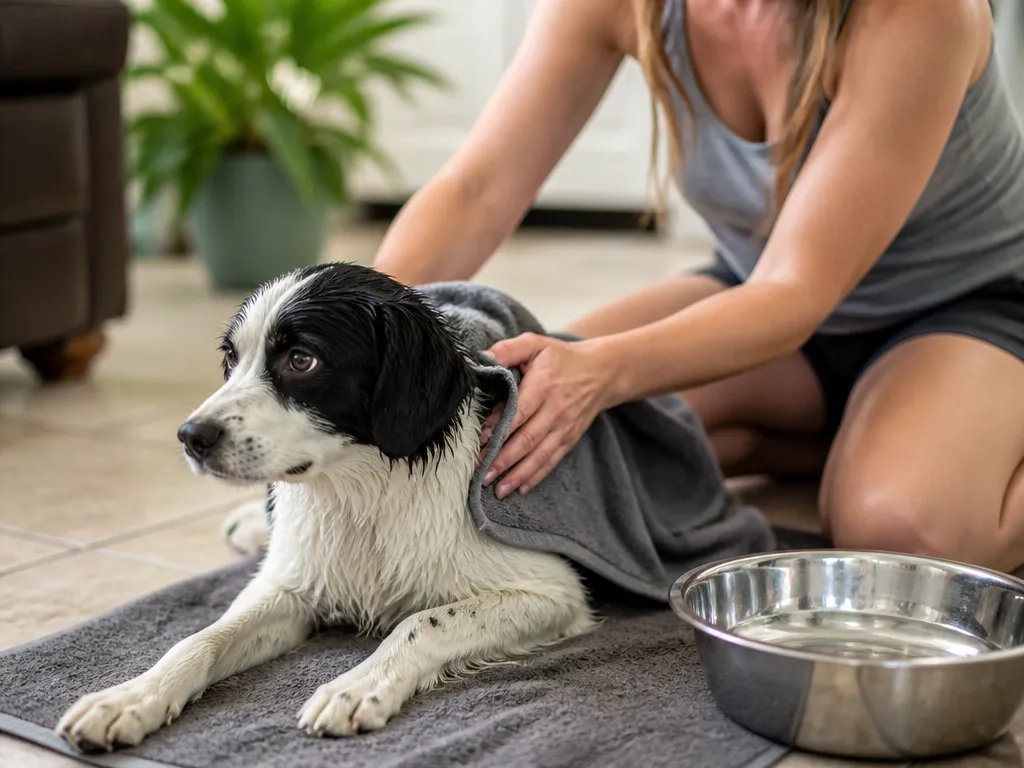
- Create a “cool zone” using a damp towel or a commercially available cooling mat that your pet can choose to use when feeling too hot.
- Check your pet’s behavior every two hours during extreme heat, watching for heavy panting or unusual lethargy that indicate overheating.
Effective Cooling Techniques
Cooling mats and elevated beds provide the most effective temperature regulation. Elevated beds allow air to circulate underneath the animal, far more efficient than sleeping on thick cushions that trap body heat. When using cooling mats, ensure they are chew-proof and placed in shaded areas where the gel inside won’t warm from direct sun exposure.
Water-based cooling works well but requires careful implementation. Offer frozen treats like low-sodium chicken broth cubes or plain ice to help lower internal temperature. Never force a pet to bathe or get wet if they show fear, as added stress can increase body temperature. Instead, let them choose to engage with cool surfaces or fans on their own terms.
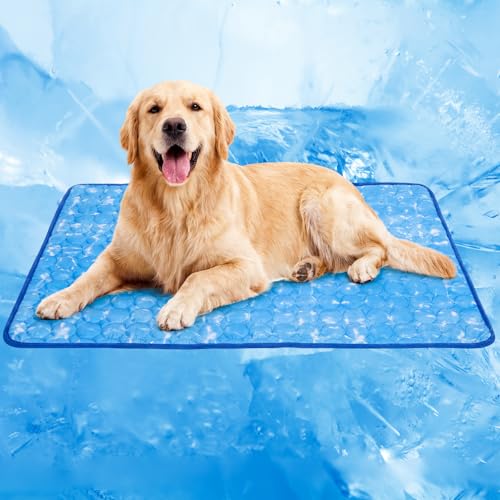
Helpful pick
Dog Cooling Mat, Large Cooling Pad for Dogs Cats, Portable Self Cooling Dog Bed Cooling Blanket, 40″ x 28″ Washable Summer Pet Mat, Indoor Outdoor Green Pet Cooling Mat for Hot Summer
This large, portable cooling mat is perfect for providing an immediate, comfortable surface that helps regulate your pet’s body temperature effectively.
Optimal Home Environment for Hot Weather
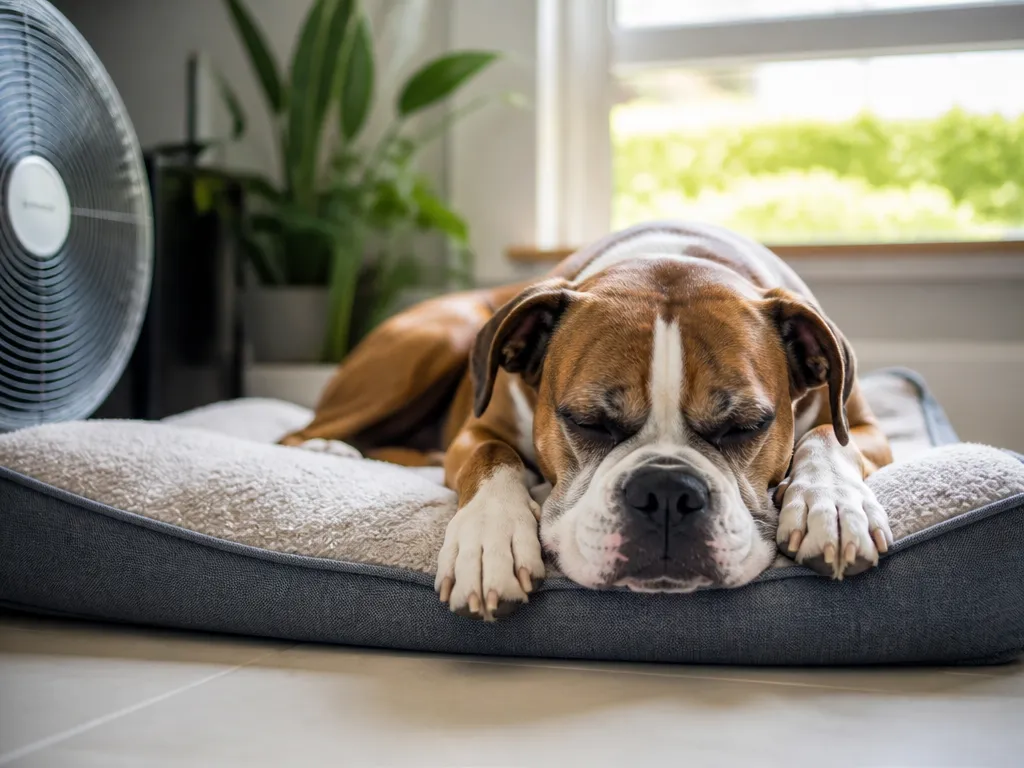
Maintain a consistent indoor climate with your air conditioning set between 68-78°F. Avoid turning off the AC when you leave, as rooms can reach dangerous temperatures in less than an hour. Pets are sensitive to rapid temperature swings, and inconsistent cooling creates unnecessary stress that can exacerbate heat-related issues.
| Method | Benefit | Best For |
|---|---|---|
| Ceiling Fans | Constant air circulation | Large open living areas |
| Cooling Mats | Direct heat dissipation | Pets that like to lie down |
| Frozen Treats | Internal cooling | Active or food-motivated pets |
| Blackout Curtains | Reduces ambient heat | South-facing rooms |
Regular grooming helps with temperature regulation for long-haired breeds. Brushing removes the undercoat that traps heat against the skin. However, avoid complete shaving unless directed by a veterinarian, as fur acts as insulation against both heat and UV rays.

Helpful pick
LE SURE ApexCloud™ Premium Cooling Blankets for Large Dogs Q-MAX>0.4,50×60
Maintain a comfortable environment with this premium cooling blanket, which uses advanced fabric technology to keep your pets cool during indoor lounging.
Common Cooling Mistakes
Never leave your pet in a parked car, even with windows cracked. Temperatures inside a vehicle can rise by nearly 20°F in just 10 minutes, creating a lethal environment that no ventilation can mitigate. This is the single most common cause of preventable heatstroke in pets during summer months.
Many dogs, especially working breeds, continue playing even when suffering from heat exhaustion. Enforce rest periods and limit physical activity during high temperatures. If your pet ignores favorite toys or hides in unusual dark corners, it is an immediate sign they need a cooler environment.
Advanced Cooling Strategies
Create a “humidity check” for your home, as high humidity makes cooling through panting much harder. If your home feels muggy, a dehumidifier can make air feel significantly cooler even if the temperature remains the same. This is particularly helpful for brachycephalic breeds like Pugs or Bulldogs, which have shorter airways and struggle more to move air efficiently.
For water-loving pets, set up a shallow plastic kiddie pool in a shaded patio or balcony area. Keep water only a few inches deep and supervise constantly to prevent accidents. This allows them to soak paws and belly, which are the most effective points for heat exchange. Always provide a dry, shaded retreat for immediate use after getting wet.
FAQ About Keep Pets Cool In Hot Weather At Home
How do I know if my pet is suffering from heatstroke?
Watch for excessive, frantic panting, thick or sticky saliva, and bright red or purple gums. Other signs include lethargy, stumbling, vomiting, or diarrhea. If you notice these symptoms, move your pet to a cool area immediately, offer small amounts of water, and contact your veterinarian right away, as heatstroke can progress to organ failure very quickly.
Should I shave my pet to keep them cool?
Generally, no. A pet’s coat acts as insulation that protects them from both heat and sunburn. For many breeds, the fur traps cool air against the skin. Instead of shaving, focus on regular brushing to remove loose undercoat, which improves airflow without exposing the animal to direct sun damage.
Can I leave my pet alone with a fan on?
Yes, but only if the fan is securely placed and the cord is out of reach. Ensure the fan is oscillating so it does not blow directly into the pet’s face for hours, which can be irritating. Always provide a non-fan area for your pet to retreat to if they prefer a different temperature, and never rely solely on a fan if the room temperature is dangerously high.
What is the ideal indoor temperature for pets?
Most pets are comfortable at the same temperatures as humans, generally between 68 and 78 degrees Fahrenheit. If temperatures rise above 80°F, begin active cooling measures. Older pets, puppies, and flat-faced breeds require stricter environments below 75°F as they are more sensitive to heat.
How can I cool down a pet without air conditioning?
Use cross-ventilation, blackout curtains, and cool surfaces. Place a damp towel on the floor for them to lie on, or use a fan to blow air across a bowl of ice to create a makeshift “swamp cooler.” Ensure access to the coolest room in your house, such as a basement or room with tile flooring, and keep fresh water available at all times.
Start today by identifying the coolest rooms in your house and making them accessible to your pets. Small adjustments now prevent major emergencies later when temperatures soar.
Disclosure: As an Amazon Associate, I may earn from qualifying purchases at no extra cost to you. Amazon and the Amazon logo are trademarks of Amazon.com, Inc, or its affiliates.
