
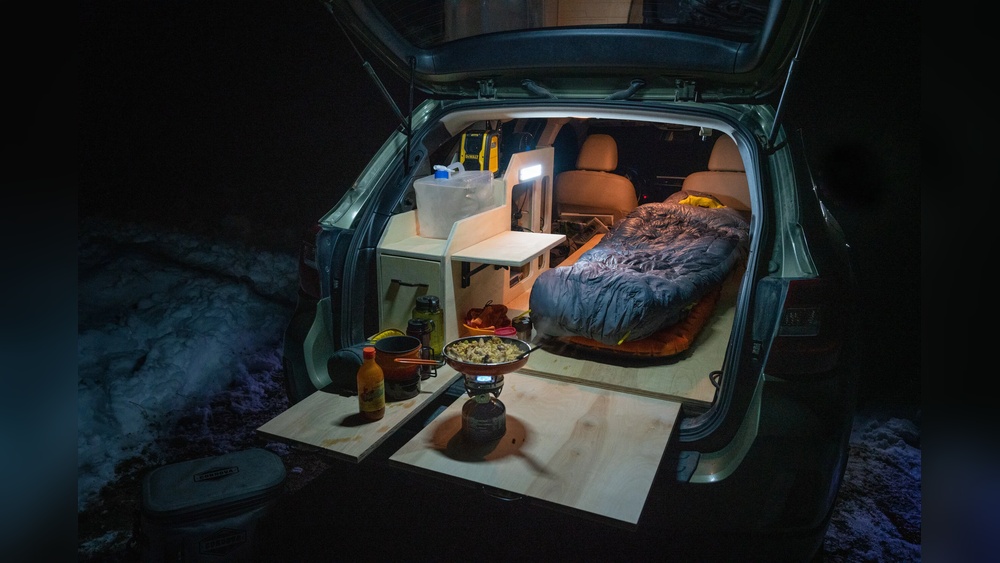
Car camping is one of the best ways to enjoy nature without leaving behind the comfort of your vehicle. Whether you’re exploring forests, deserts, or mountains, your car gives you shelter, storage, and mobility. But one challenge stands out: temperature control. Staying cool in the summer or warm in the winter can be tough if you don’t prepare properly. This guide will help you master both—so you can focus on adventure, not discomfort.
Understanding Temperature Challenges When Car Camping
Car camping means sleeping, eating, and living inside or near your vehicle. Unlike a house, a car doesn’t have thick walls or insulation. It heats up fast during the day and loses warmth quickly at night. In summer, the inside temperature can rise above 50°C (122°F), while in winter, it can drop below freezing. Knowing how heat transfer works helps you plan better:
- Conduction: Heat moves through solid surfaces (car metal, windows).
- Convection: Air moves and spreads heat inside the car.
- Radiation: The sun’s rays heat up your car directly.
Understanding these basics is key. Many beginners think cracking a window is enough, but more is needed for real comfort and safety.
Essential Preparations For Car Camping
Before you head out, prepare your car and gear for the expected conditions:
- Check the weather forecast: Know the daytime highs and nighttime lows.
- Insulate your car: Use reflective window covers, thermal curtains, or foam mats.
- Pack temperature-specific gear: Blankets, sleeping bags, cooling towels, battery fans, or portable heaters.
- Choose your parking spot wisely: Avoid direct sunlight in summer, find shelter from wind in winter.
- Ventilation: Plan how to get fresh air without letting in bugs or losing heat.
These steps set the stage for a comfortable trip, whatever the weather.
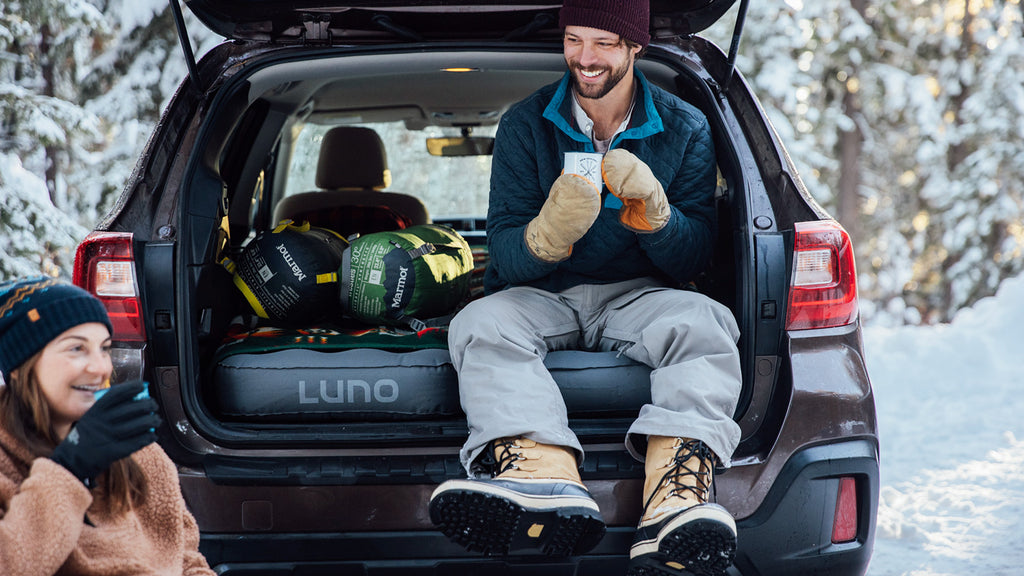
Credit: lunolife.com
How To Stay Cool Car Camping
Summer car camping can feel like sitting in a sauna. But with the right strategies, you can stay cool and safe.
Smart Ventilation Techniques
Proper ventilation is the first defense against heat. Here’s how:
- Crack opposite windows: Create airflow by opening two windows a little, on opposite sides.
- Use mesh screens: Cover openings with mesh to keep bugs out.
- Install roof vents: If your car allows, a roof vent speeds up air exchange.
Many beginners skip mesh screens, but they are essential. Without them, bugs can ruin your night, and you’ll avoid opening windows.
Reflective Window Covers
Reflective sunshades block most of the sun’s heat. Place them on all windows, especially the windshield and side windows.
- Reflective covers reduce inside temperature by up to 10°C (18°F).
- They also add privacy.
Some campers use emergency blankets as DIY covers. It’s cheap and works well.
Portable Fans And Cooling Devices
Battery-powered fans help circulate air. For extra cooling, try:
- Evaporative coolers: These use water and airflow to cool the air.
- Cooling towels: Wear around your neck or place on your skin.
Avoid using car air conditioning overnight—it drains the battery and is unsafe.
Hydration And Clothing Choices
Drink water often and wear lightweight, breathable clothing. Sweat evaporates faster with cotton or moisture-wicking fabrics.
- Dehydration increases your risk of heat exhaustion.
- Avoid alcohol or caffeine—they cause you to lose more water.
Timing And Parking Strategies
Park in shade whenever possible. If shade isn’t available, use a tarp or umbrella to create your own. Plan activities in early morning or late evening, not midday.
- A shaded car can be up to 20°C (36°F) cooler than one in the sun.
Cooling Sleep Gear
Choose a light sleeping bag or sheet. Consider inflatable sleeping pads—they allow airflow underneath.
- Sleeping directly on the car seat traps heat. Use a pad for comfort and cooling.
Emergency Heat Safety
Never leave pets or children in a parked car during summer. Temperatures can rise dangerously fast. If you feel dizzy or nauseous, exit the car and find shade.
How To Stay Warm Car Camping
Winter car camping brings its own challenges. Cold air, icy windows, and dampness can make nights uncomfortable. Here’s how to stay warm.
Insulating Your Car
Insulation is the foundation of warmth. Here are proven methods:
- Thermal window covers: Block cold air and keep warmth inside.
- Foam mats: Line the floor and seats.
- Curtains: Divide the sleeping area from the rest of the car.
Insulating your car can raise the inside temperature by 5–10°C (9–18°F).
Layered Clothing And Bedding
Wear layers—thermal underwear, fleece, and wool. Use a sleeping bag rated for the lowest expected temperature.
- Add an extra blanket or a sleeping bag liner for more warmth.
- Wool socks and hats make a big difference.
Most beginners forget to cover their head at night. Up to 10% of body heat is lost through the head.
Portable Heaters And Safe Heating Methods
You can use portable heaters, but safety comes first:
- Propane heaters: Only in well-ventilated areas, never closed spaces.
- Electric heaters: Only if you have enough battery power or shore power.
Never run your car’s engine overnight for heat. Carbon monoxide is deadly.
Hot Water Bottles And Heat Packs
Fill a water bottle with hot water and place it inside your sleeping bag. Chemical heat packs are also useful.
- This simple trick can keep your feet warm for hours.
Ventilation For Condensation Control
Even in winter, ventilation is important. Without it, condensation builds up, making the car damp and cold.
- Crack a window slightly.
- Use moisture absorbers or silica packs.
Dampness is often overlooked. It leads to cold, mold, and discomfort.
Choosing Warm Sleeping Positions
Sleep on an insulated mat, not directly on the car floor. Cold rises from below. Curl up to reduce heat loss.
- Sleeping elevated (on a cot or thick mattress) keeps you warmer.
Nutrition And Warm Drinks
Eat high-energy foods before bedtime. Hot drinks (tea, cocoa) raise body temperature.
- Avoid alcohol—it lowers your core temperature.
Emergency Cold Safety
Carry extra blankets and warm clothes. If you feel numb or confused, act fast—hypothermia can happen quickly.
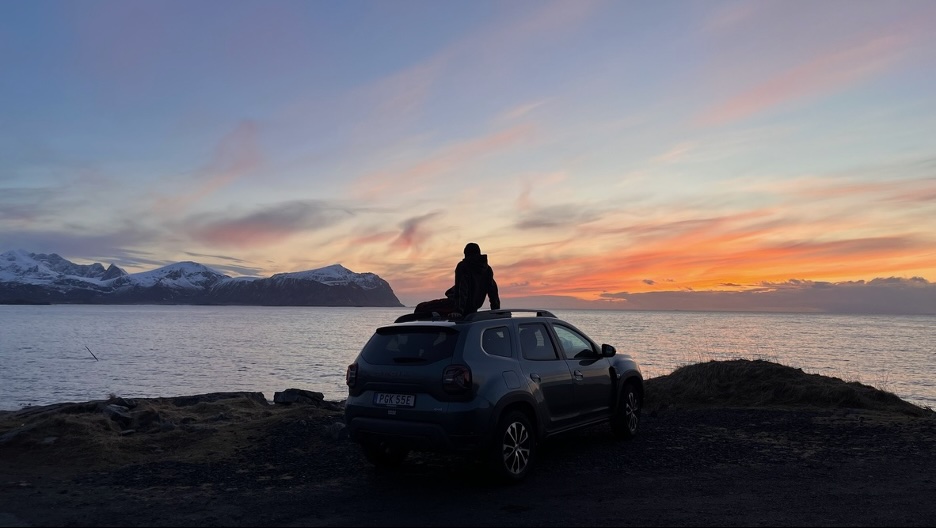
Credit: www.worldnomads.com
Comparing Cooling And Heating Gear
Here’s a comparison of common gear for staying cool or warm:
| Gear Type | Cooling | Heating |
|---|---|---|
| Window Covers | Reflective sunshades | Thermal covers |
| Portable Devices | Battery fans, evaporative coolers | Portable heaters, hot water bottles |
| Bedding | Light sheets, inflatable pads | Insulated mats, thick sleeping bags |
| Clothing | Light, breathable fabrics | Thermal layers, wool |
| Accessories | Cooling towels | Heat packs |
Parking Strategies For Temperature Control
Where you park can change your comfort level dramatically. Compare these options:
| Parking Location | Summer Benefit | Winter Benefit |
|---|---|---|
| Forest shade | Cooler air, less sun | Wind protection |
| Open field | More wind, cooler at night | Cold air, exposure |
| Near water | Cool breeze, humidity | Colder nights, damp |
| Urban parking | Heat from buildings | Possible shelter |
Choose your spot based on the season and your needs.
Practical Tips Most Beginners Miss
- Always check battery levels before using fans or heaters. Many people run out of power and end up uncomfortable.
- Practice setting up your gear at home. This avoids surprises in the wild.
- Bring backup options: If your main system fails, extra blankets or a second fan can save the trip.
- Use smartphone apps to monitor temperature and humidity inside your car.
- Have a plan for emergencies: Know where the nearest shelter or service station is.
Real-life Examples
- In Arizona, campers use reflective covers and battery fans to survive 40°C+ summer days.
- In Canada, car campers rely on insulated mats and hot water bottles to stay warm at -15°C.
- In Europe, mesh screens and light bedding are popular for mild climates.
These examples show that local knowledge and adaptation are important. What works in one place may not be enough somewhere else.
Common Mistakes To Avoid
- Running car engine overnight for heat or air conditioning (dangerous, wastes fuel)
- Forgetting to insulate the floor (cold rises from below)
- Not ventilating enough (leads to condensation and discomfort)
- Using heavy sleeping bags in summer (causes overheating)
- Underestimating the weather forecast (prepare for sudden changes)
Avoid these mistakes to enjoy safer, more comfortable car camping.
Useful Resources
For more detailed weather forecasts and gear reviews, check sites like National Weather Service. They help you plan smarter and avoid surprises.
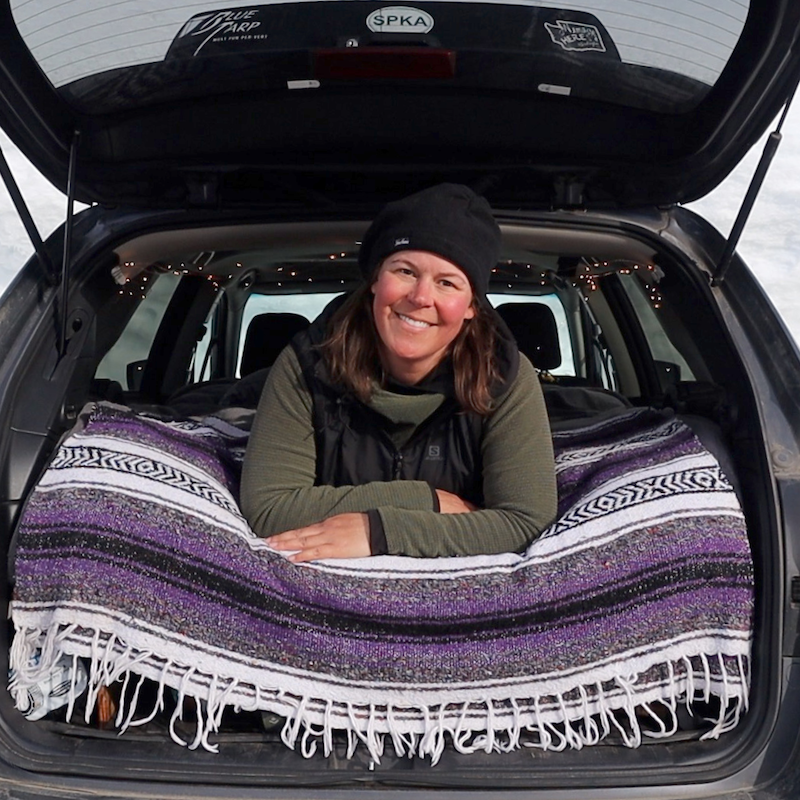
Credit: www.greggio.com
Frequently Asked Questions
How Can I Cool My Car Quickly During Summer Camping?
Open windows on opposite sides for cross-ventilation, use reflective sunshades, and park in shade. Battery fans also help. For fast cooling, use a wet towel inside the car.
What’s The Safest Way To Heat My Car At Night?
Use thermal window covers, wear layered clothing, and sleep in an insulated bag. Portable heaters can work, but only in well-ventilated areas. Never run your car engine overnight.
How Do I Prevent Condensation In My Car?
Crack a window slightly for airflow, use moisture absorbers, and avoid breathing directly onto cold windows. Insulate surfaces to reduce temperature difference.
Can I Use Electric Blankets While Car Camping?
Yes, if you have enough battery power or access to shore power. Monitor battery levels closely to avoid draining your car’s battery.
What’s The Best Sleeping Bag For Car Camping In Cold Weather?
Choose a sleeping bag rated below the lowest expected temperature. Down or synthetic bags work well. Add a liner or blanket for extra warmth.
Car camping can be comfortable in any season. With the right preparation and equipment, you’ll stay cool in the summer, warm in the winter, and ready for adventure. Don’t let temperature control ruin your trip—use these tips and enjoy the outdoors your way.
Disclosure: As an Amazon Associate, I may earn from qualifying purchases at no extra cost to you. Amazon and the Amazon logo are trademarks of Amazon.com, Inc, or its affiliates.
