
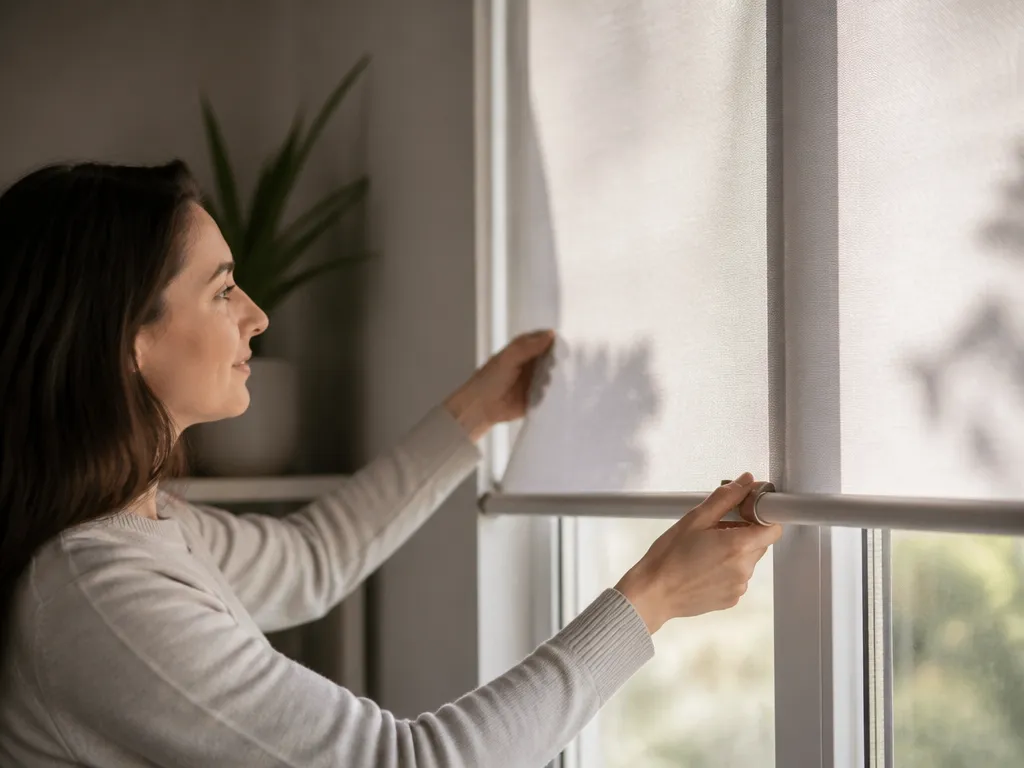
Windows are the single biggest source of unwanted heat in most homes. In cooling season, roughly 76 percent of the sunlight that hits a standard double-pane window passes through and turns into heat. This solar gain warms your floors and furniture, which then radiate heat back into the room and force your air conditioner to work harder. Blocking solar heat gain by up to 77 percent requires exterior solutions like awnings or trees, while reflective window film offers a budget-friendly interior option that blocks 40 to 78 percent of solar energy. Renters should prioritize static-cling film or cellular shades, whereas homeowners can invest in retractable awnings or landscaping for maximum efficiency.
Exterior solutions like awnings and trees block the most heat (65-90% reduction).
Reflective film is the best balance for renters and budget-conscious homeowners.
Air leaks contribute 10-20% of heat gain and require separate sealing.
TSER ratings above 65% indicate high-performance window films.
Cellular shades work well inside but block less light than exterior options.
Orientation matters – south and west-facing windows need the most protection.
Choosing Your Heat-Blocking Strategy
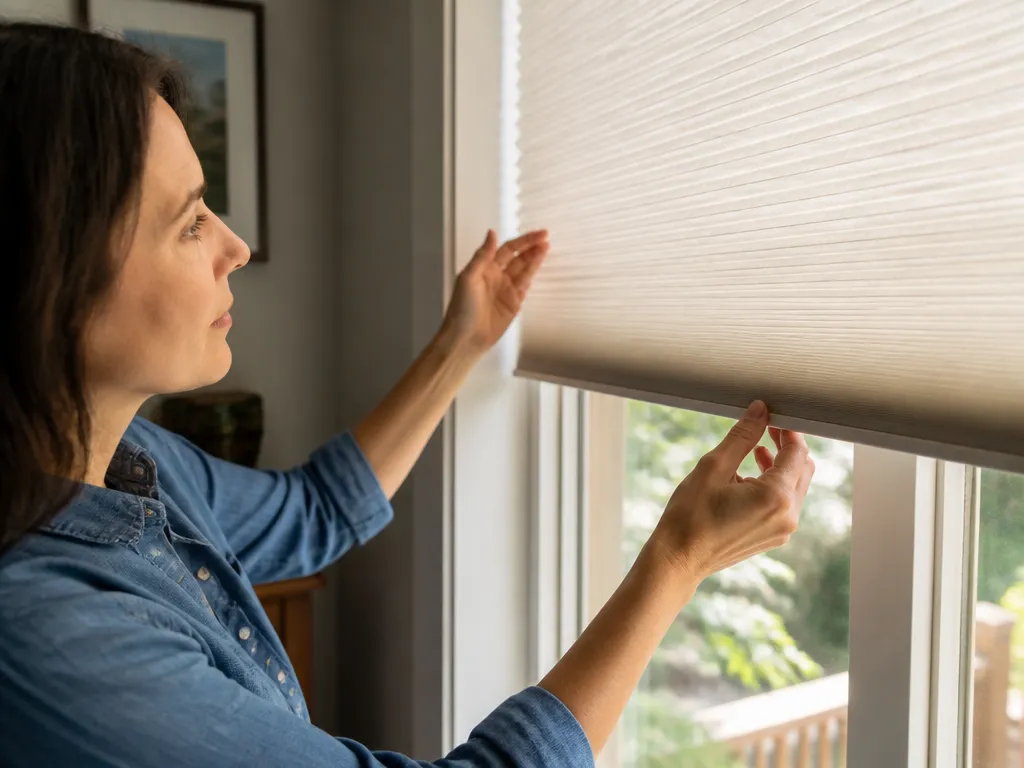
Your budget, ownership status, and light preferences dictate the best way to block window heat. The most effective options work from the outside, intercepting solar radiation before it ever hits the glass. Exterior awnings and shade trees can cut solar heat gain by 65 to 90 percent, but they require permanent installation or significant yard space. Interior solutions like reflective film and cellular shades are easier to install and renter-friendly, though they block less heat because the sun strikes the glass first.
Prioritize exterior methods for south and west-facing windows, as these exposures receive the most direct sun during the hottest part of the day. North-facing windows usually do not need heavy blocking. Renters often prefer static-cling window film because it costs between $5 and $15 per window and does not require professional installation. Homeowners with larger budgets might choose retractable awnings, which range from $500 to $2,000, to let winter sun in while blocking summer heat.
| Method | Heat Reduction | Cost Per Window | Renter Friendly | Blocks Light? |
|---|---|---|---|---|
| Aluminum foil (emergency) | 90%+ | ~$1 | Yes | Yes (total) |
| Exterior awnings | 65-77% | $200-$600 | No | Partial |
| Exterior solar shades | 60-80% | $50-$200 | Maybe | Partial |
| Reflective window film | 40-78% | $5-$15 | Yes (static cling) | Minimal |
| Shade trees | 60-90% | $50-$300 | No | Natural dappled |
| Cellular shades | 40-60% | $30-$150 | Yes | Adjustable |
Best Options by Use Case
Best for Maximum Cooling: Exterior awnings or shade trees. These block the most heat before it enters the home and can reduce heat gain by over 70 percent.
Best for Renters: Static-cling reflective window film. It is inexpensive, easy to remove, and effective without permanent installation.
Best for Balancing View and Heat: Exterior solar shades. These allow you to see through the window while blocking the infrared rays that cause heat.
Best for Budget-Conscious Homeowners: Reflective window film or cellular shades. These offer significant cooling benefits at a fraction of the cost of exterior additions.

Helpful pick
VINGVO Solar Fan, Solar Heater For Chicken Coop 20W Greenhouse Heater Solar Powered Solar Powered Exhaust Fan For Outside Chicken Coops, Greenhouses, Sheds
For exterior heat management, this solar-powered ventilation system helps exhaust trapped hot air from greenhouses and sheds to keep temperatures regulated.
How Solar Heat Actually Enters Your Home
Solar radiation and air leakage are the two primary ways heat infiltrates your windows. Solar radiation is the dominant source, responsible for 60 to 80 percent of total heat transfer. Direct sunlight passes through the glass, heats up the objects inside the room, and radiates that heat back into the space. Air leakage accounts for the remaining 10 to 20 percent, as hot outdoor air seeps through gaps around window frames, seals, and hardware.
Glass is a poor insulator compared to wall materials. When sunlight strikes glass, the material heats up and radiates that energy inward – this is why a car parked in the sun becomes an oven even if the outside air is cool. Blocking the sun before it hits the glass stops this cycle at the source. Awnings and trees shade the glass directly, while window film reflects a portion of the sunlight back outside. Addressing air leaks is equally essential to prevent hot outdoor air from bypassing your window treatments entirely.
A Systematic Approach to Cooling Your Windows
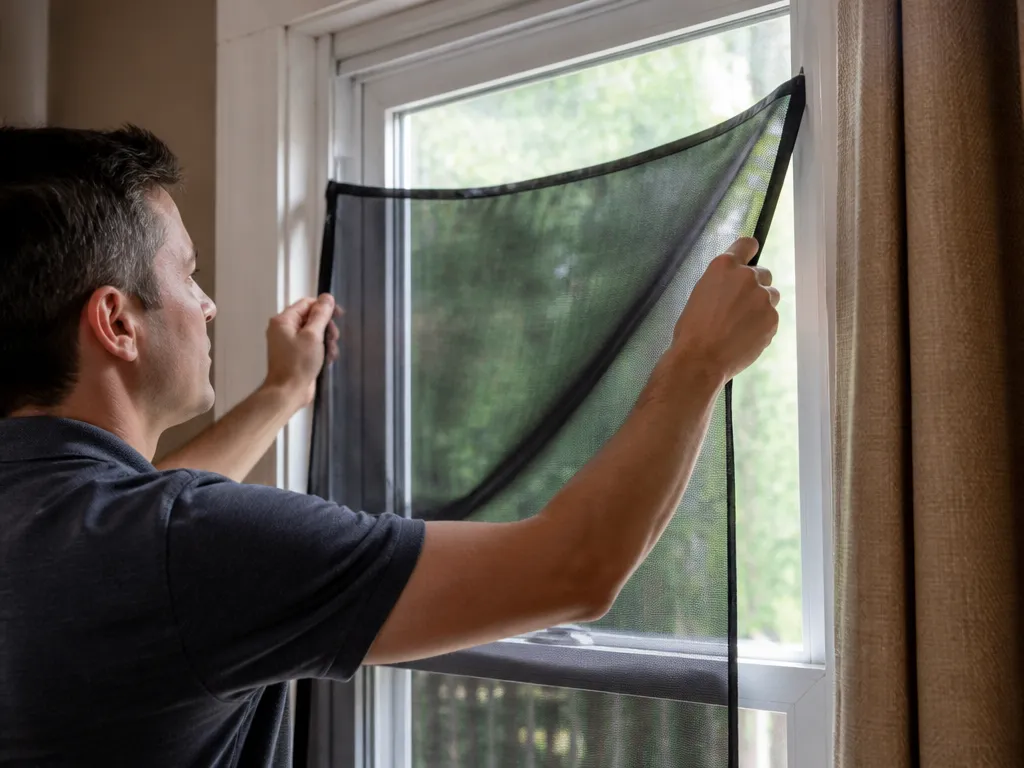
Walk through your home and note which rooms feel the hottest in the late afternoon. Assess your constraints next. Renters cannot install permanent fixtures like awnings or trees. Determine your budget and whether you need a temporary fix or a permanent upgrade.
Select your method based on these findings. If you want the most cooling and have the budget, choose an exterior awning. For a quick, cheap fix, choose reflective film. If you want a middle ground, go with solar shades.
Purchase the correct size for your windows. For film, buy a kit that includes a solution for easy application. For shades, measure twice to ensure a snug fit that prevents heat from bypassing the edges.
Install the solution. For film, clean the glass and apply the soapy water solution before placing the film. For shades, follow the manufacturer’s mounting hardware instructions. Exterior awnings require more physical effort and may need professional installation.
Close your shades or deploy your awnings during peak sun hours. Inspect your film annually for bubbles or peeling edges and wipe down your shades regularly to maintain their opacity.

Helpful pick
Donox Window Privacy Film, Leaf Rainbow Window Film Decorative Stained Glass Window Film, Anti-UV Sun Blocker Heat Control for Home, 17.5 Inch x 6.5 Feet (with Installation Tool)
This decorative window film is a perfect temporary solution for renters looking to block heat and UV rays without permanent installation.
Exterior vs. Interior Blocking Methods
Exterior solutions are superior because they stop heat at the source. Exterior awnings are the most effective permanent option for south and west-facing windows, reducing heat gain by 65 to 77 percent. Retractable awnings offer more flexibility, allowing you to lower them for summer sun and retract them for winter warmth.
Exterior solar shades work well for large windows or patios. These shades block 60 to 80 percent of the sun’s heat while remaining translucent. They come in various openness factors – tighter weaves block more heat but allow less light. Shade trees provide the longest-term solution, blocking 60 to 90 percent of heat once they reach maturity (usually 5 to 15 years). They also increase property value and provide natural cooling through evapotranspiration.
Interior techniques reflect or absorb sunlight after it has already passed through the glass. Reflective window film is the most popular interior choice. Look for a Total Solar Energy Rejected (TSER) rating of 50 percent or higher – 65 percent or higher is excellent. This film reflects up to 78 percent of the sun’s rays. Cellular shades, or honeycomb shades, trap air in pockets to create an insulating barrier that blocks 40 to 60 percent of solar heat gain.

Helpful pick
Kfonla 25W Solar Powered Fan, 2500RPM High CFM Roof Solar Exhaust Fan, IP67 Waterproof Solar Fan, Solar Powered Attic Fan, Solar Exhaust Fan for Home Attic, Shed, Greenhouse, Chicken Coop, Dog House
Improve your home’s exterior cooling efficiency by installing this high-performance solar exhaust fan to pull hot air away from your living spaces.
Maximizing Your Cooling Efficiency
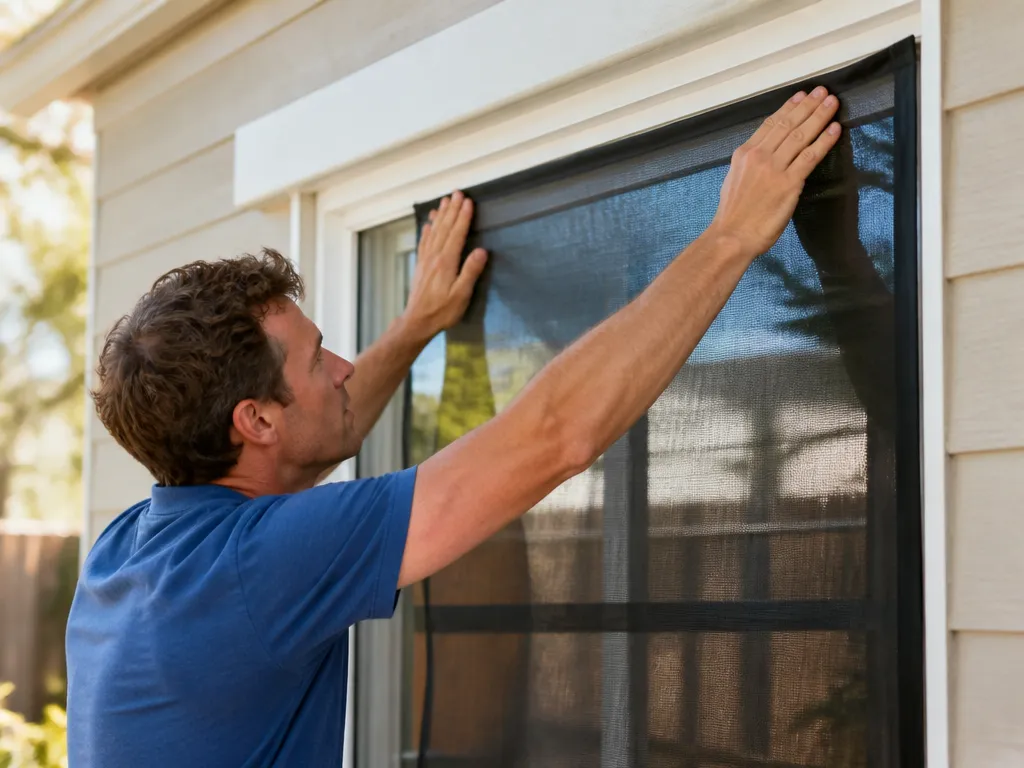
Close your shades, blinds, or film between 10:00 AM and 4:00 PM. This is when the sun is most intense and your air conditioner works the hardest. Keeping the sun out during these peak hours significantly reduces the load on your cooling system.
Keep your window coverings clean. Dust and dirt accumulate on shades and film, reducing their ability to reflect light. A dirty window treatment lets more heat enter the room. Wipe down your shades regularly with a damp cloth.
Combine multiple methods for better results. Using reflective film on a window that already has cellular shades is a smart move. The film reflects the initial heat, and the shades block whatever manages to leak through. This layered approach provides better insulation than either method alone.
Check your window seals. Even the best window treatments fail if hot air leaks in around the frames. Look for gaps or cracks and apply weatherstripping or caulk to seal them.
Common Heat-Blocking Blunders
Choosing opaque blackout curtains over reflective film is a common mistake. Blackout curtains block light and heat, but they turn your room dark and can feel stuffy. Reflective film blocks heat with minimal impact on visibility and doesn’t require you to close a heavy fabric every day.
Installing film without checking your warranty can be a costly error. Some window films, especially on older glass, can cause the glass to shatter or void the manufacturer’s warranty. Always check your window warranty before applying any adhesive product.
Forgetting to close your shades at night is another frequent oversight. Many people open shades at night to let the room cool down, but this allows heat to escape and lets it back in the next morning. Keep your shades closed at night during the summer to insulate the room against the outside air.
Ignoring air leaks renders expensive treatments useless. If hot air is blowing through gaps around your window frames, the room will stay hot regardless of how much sun you block. Address air leakage before or alongside your window treatments.
Advanced Cooling Strategies
Low-E (Low-Emissivity) windows are the gold standard for permanent heat reduction. These coatings use microscopically thin metal layers to reflect infrared light while allowing visible light to pass through. They can reduce heat gain by up to 50 percent.
DIY bubble wrap insulation is a clever hack for particularly hot rooms. Cut bubble wrap to fit your windows, spray it with a light mist of water, and press it against the glass. The air trapped inside the bubbles provides an extra layer of insulation that reduces heat transfer.
Choose acrylic or PV (polyvinyl) materials for exterior awnings over canvas or wood. Acrylic and PV are more resistant to mildew and fading. Canvas and wood require weather-resistant coatings every 4 to 6 years.
Plant deciduous trees on the south and west sides of your home. These trees lose their leaves in the winter, allowing sunlight to warm your home naturally, and grow them back in the summer to provide shade. This natural strategy offers free cooling year-round.
FAQ About How To Stop Sun Heat Coming Through Windows
What is the most effective way to stop sun heat coming through windows?
Exterior awnings and shade trees are the most effective, blocking 65 to 77 percent of solar heat gain. These solutions intercept sunlight before it hits the glass, whereas interior treatments must stop the heat after it has already entered the home.
Does window film really work to keep a house cool?
Yes. Reflective window film can block 40 to 78 percent of the sun’s energy. Effectiveness depends on the quality of the film and its TSER (Total Solar Energy Rejected) rating.
Can I use aluminum foil to block heat from my windows?
Aluminum foil is a viable emergency DIY solution. It blocks over 90 percent of heat and costs very little, though it is not aesthetically pleasing and is not a permanent window treatment.
Is it better to have shades open or closed on hot days?
Keep your shades closed during the hottest part of the day, usually between 10:00 AM and 4:00 PM. This prevents the glass from heating up and radiating heat into your room.
Do window treatments help with air conditioning costs?
Window treatments can lower your air conditioning costs by 10 to 25 percent by blocking solar heat gain and reducing the workload on your cooling system.
Disclosure: As an Amazon Associate, I may earn from qualifying purchases at no extra cost to you. Amazon and the Amazon logo are trademarks of Amazon.com, Inc, or its affiliates.
