

Installing a kitchen sink might seem tricky, but with the right steps, you can do it yourself and save time and money. Imagine having a brand-new sink that fits perfectly and works just the way you want.
You don’t need to wait for a plumber or worry about costly mistakes. In this guide, you’ll discover simple, clear instructions that make the process easy to follow. By the end, you’ll feel confident handling your kitchen sink installation like a pro.
Ready to get started? Let’s dive in and transform your kitchen together.
Credit: antoniosbanquet.com
Choosing The Right Sink
Choosing the right kitchen sink is a key step in your kitchen upgrade. The sink you select affects both style and function. It must fit your space and meet your daily needs. This section guides you through the choices to make an informed decision.
Types Of Kitchen Sinks
Kitchen sinks come in many shapes and sizes. The most common types include top-mount, under-mount, farmhouse, and integrated sinks. Top-mount sinks are easy to install and fit into a hole on the countertop. Under-mount sinks attach beneath the counter for a smooth look. Farmhouse sinks have a deep basin with a front apron. Integrated sinks blend with the countertop for a seamless design.
Measuring For A Perfect Fit
Measure your current sink space carefully. Note the length, width, and depth of the sink area. Check the size of the countertop cutout. Also, consider the cabinet size below the sink. Proper measurements help avoid costly mistakes and ensure the sink fits well.
Selecting Materials And Finishes
Sink materials affect durability and appearance. Stainless steel is popular for its strength and easy cleaning. Composite granite sinks resist scratches and stains. Porcelain sinks offer a classic look but may chip. Finishes like matte, glossy, or brushed add style and match kitchen decor. Choose a material and finish that fits your lifestyle and kitchen design.
Gathering Tools And Materials
Before installing a kitchen sink, gathering the right tools and materials is crucial. This step saves time and avoids frustration during the project. Having everything ready helps you work smoothly and finish faster.
Essential Tools List
- Adjustable wrench for tightening nuts and bolts
- Basin wrench to reach tight spots under the sink
- Screwdriver set with both flathead and Phillips tips
- Pipe wrench for gripping and turning pipes
- Plumber’s putty or silicone sealant to seal edges
- Measuring tape to ensure correct fitting
- Utility knife for cutting materials
- Bucket to catch water during plumbing work
- Flashlight to see in dark cabinet areas
Necessary Plumbing Supplies
- New kitchen sink with mounting hardware
- Drain assembly kit including strainer and tailpiece
- P-trap kit to connect the sink drain to the plumbing
- Flexible supply lines for hot and cold water
- Teflon tape to seal threaded pipe connections
- Pipe joint compound for leak-proof seals
- Water shut-off valves if replacements are needed
Preparing The Installation Area
Preparing the installation area is a key step before fitting a new kitchen sink. This part ensures the space is ready and safe for the new unit. A clean and inspected area helps avoid leaks and other problems later.
Removing The Old Sink
Start by turning off the water supply. Disconnect the pipes under the sink carefully. Use a wrench to loosen the fittings. Remove any clips or fasteners holding the sink in place. Lift the sink out gently. Dispose of the old sink properly.
Cleaning And Inspecting The Countertop
Clear away any debris and old sealant from the countertop. Check for cracks or water damage on the surface. Repair any issues before installing the new sink. Make sure the countertop is dry and smooth. A clean area helps the sink fit tightly and prevents leaks.
Installing The Sink
Installing the sink is a key step in your kitchen project. It makes your countertop ready for daily use. This part needs care and attention to avoid leaks and damage. Follow each step closely to place the sink correctly and secure it well.
Applying Sealant And Positioning The Sink
Start by cleaning the sink area and countertop edge. Remove dust and grease to ensure good adhesion. Apply a thin bead of silicone sealant around the sink opening. This sealant stops water from leaking under the sink.
Place the sink carefully into the countertop hole. Align it so the edges sit flat and even. Press down gently to spread the sealant evenly. Check for any gaps or uneven spots. Wipe off excess sealant with a damp cloth before it dries.
Securing The Sink In Place
Look under the countertop to find the mounting clips or brackets. Attach these clips to hold the sink firmly. Tighten them by hand or with a screwdriver. Avoid overtightening to prevent cracking the countertop.
Double-check the sink’s position on top. It should not move or wiggle. Let the sealant dry for at least 30 minutes before using the sink. This ensures a strong, water-tight seal around your new kitchen sink.
Connecting The Plumbing
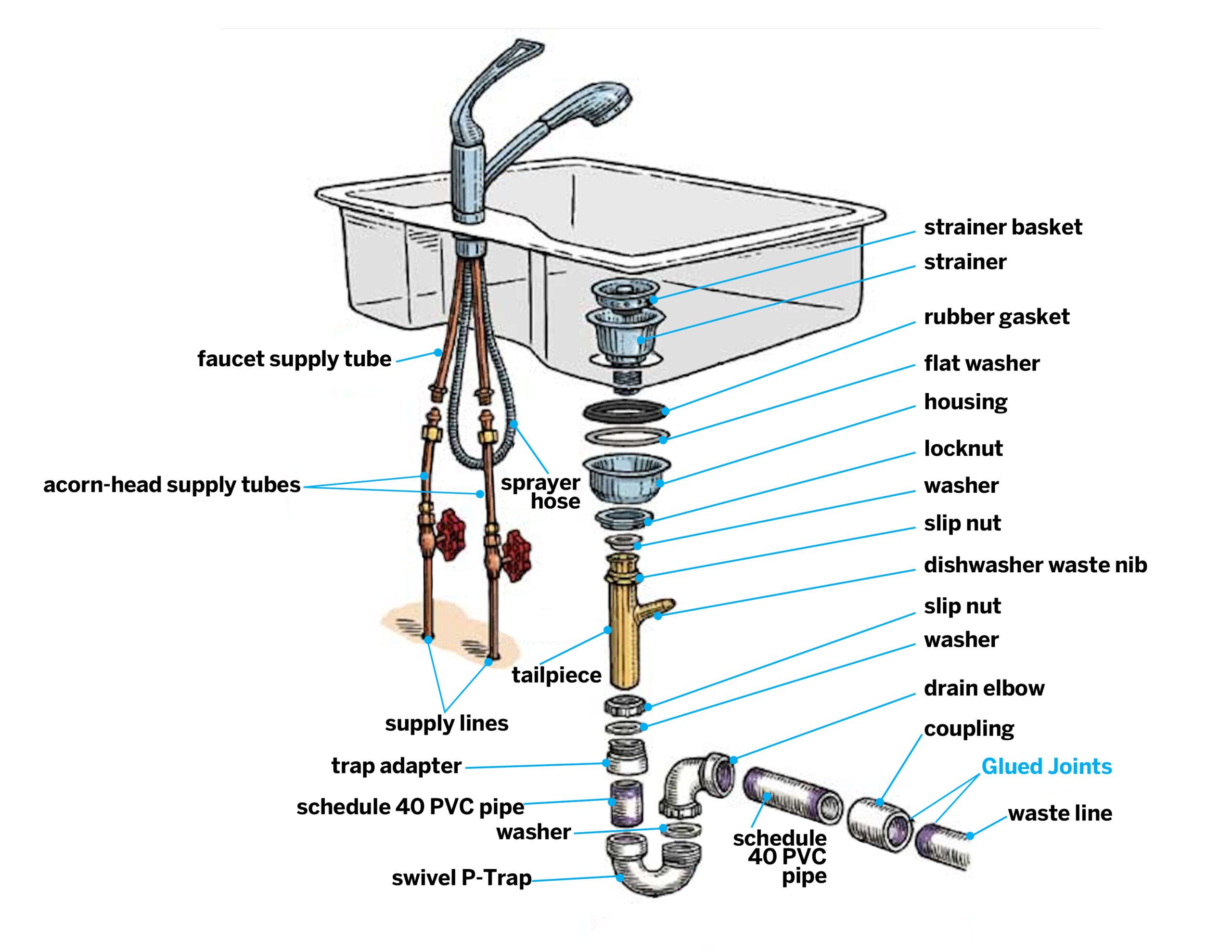
Connecting the plumbing is an important step in installing a kitchen sink. It ensures water flows correctly and waste drains safely. This part involves attaching the faucet, installing the drain, and linking water supply lines. Each task needs care to avoid leaks and ensure smooth operation.
Attaching The Faucet
Start by placing the faucet into the sink’s mounting holes. Secure it tightly using the provided nuts or brackets. Use a wrench but avoid over-tightening. Connect the faucet’s water lines to the hot and cold valves under the sink. Double-check these connections are firm to prevent leaks.
Installing The Drain Assembly
Insert the drain body into the sink’s drain hole. Apply plumber’s putty around the drain flange for a watertight seal. Tighten the locknut underneath to hold the drain firmly. Attach the tailpiece to the drain body. Ensure the drain connects smoothly to the P-trap to avoid clogs.
Connecting Water Supply Lines
Attach flexible water supply lines from the shut-off valves to the faucet connections. Use Teflon tape on threaded fittings for a tight seal. Tighten connections with an adjustable wrench, but do not overtighten. Turn on water slowly to check for leaks. Fix any leaks before finishing the installation.
:max_bytes(150000):strip_icc()/how-to-install-a-sink-drain-2718789_hero_5078-64538f6f90d545c7af0728e4bf8f894e.jpg)
Credit: www.thespruce.com
Testing And Finishing Touches
Testing and finishing touches are the final steps after installing your kitchen sink. This stage ensures everything works well and looks neat. A careful check will prevent water damage and keep your kitchen clean.
Checking For Leaks
Turn on the water supply slowly. Watch all pipes and connections closely for drips or moisture. Don’t forget to check under the sink and around the faucet. Tighten any loose fittings. Use a dry cloth to spot small leaks. Fix leaks immediately to avoid bigger problems.
Sealing Edges And Cleanup
Apply a bead of silicone sealant around the sink edges. This stops water from seeping under the sink. Smooth the sealant with a wet finger or tool for a clean look. Wipe away any excess sealant quickly. Clean the sink and countertop surface. Remove dust, dirt, and leftover materials. Your kitchen sink is now ready for use.
Common Installation Issues
Installing a kitchen sink can seem simple, but common problems may arise. These issues can cause frustration and extra work. Understanding typical installation problems helps avoid mistakes and ensures a smooth setup.
Leaks, drips, and alignment troubles often occur during installation. Detecting and fixing these issues early saves time and prevents damage. The next sections cover how to handle these common problems effectively.
Handling Leaks And Drips
Leaks usually come from loose connections or damaged seals. Check all pipe joints and faucet connections carefully. Tighten any loose nuts but avoid overtightening to prevent damage.
Use plumber’s tape on threaded fittings to create a better seal. Replace worn-out washers or gaskets to stop drips. After tightening, run water and watch closely for leaks.
Small drips can cause big problems if left unchecked. Fix leaks immediately to avoid water damage under the sink.
Fixing Alignment Problems
Misaligned sinks cause poor drainage and uneven surfaces. Check the sink position before securing it in place. Adjust the sink so it sits level and lines up with the countertop edge.
Use a level tool to ensure the sink is flat. Shim under the sink if needed to correct uneven spots. Make small adjustments until the sink fits perfectly.
Secure the sink clamps evenly to keep the alignment stable. Proper alignment improves both function and appearance of the kitchen sink.

Credit: heartlandplumbingtx.com
Frequently Asked Questions
How Do I Prepare Before Installing A Kitchen Sink?
First, turn off the water supply. Clear the cabinet area and gather necessary tools. Measure the sink and countertop cutout. This ensures a smooth, accurate installation process.
What Tools Are Needed To Install A Kitchen Sink?
You need a wrench, plumber’s putty, silicone sealant, screwdriver, and a utility knife. These tools help secure the sink and seal connections properly.
How Do I Connect The Plumbing To The New Sink?
Attach the drain pipes and water supply lines to the sink’s fittings. Use plumber’s tape to prevent leaks. Test connections by turning on the water.
Can I Install A Kitchen Sink Without Professional Help?
Yes, with basic plumbing knowledge and proper tools, you can install it yourself. Follow instructions carefully and ensure all connections are secure to avoid leaks.
Conclusion
Installing a kitchen sink can seem hard at first. Take your time and follow each step carefully. Use the right tools to avoid mistakes. Check all connections for leaks before finishing. A well-installed sink makes your kitchen work easier. Practice and patience bring good results.
Keep your workspace clean and safe. Enjoy the satisfaction of completing the job yourself. This guide helps you build skills for future projects. Small efforts lead to big improvements in your home.
Disclosure: As an Amazon Associate, I may earn from qualifying purchases at no extra cost to you. Amazon and the Amazon logo are trademarks of Amazon.com, Inc, or its affiliates.
