

Is your kitchen sink drain slow or smelly? You’re not alone.
A clogged or dirty drain can cause more than just inconvenience—it can lead to bad odors and even damage your plumbing. But don’t worry, cleaning your kitchen sink drain doesn’t have to be a big hassle. You’ll discover simple, effective steps to get your drain flowing smoothly again.
Keep reading, and you’ll learn easy tricks to keep your sink fresh and problem-free every day.
Gathering Cleaning Supplies
Gathering the right cleaning supplies is the first step to clean your kitchen sink drain effectively. Having everything ready saves time and makes the task easier. Choose tools and cleaners based on your preference and drain condition.
Essential Tools
Start with basic tools like a plunger and a drain snake. These help remove clogs and debris physically. Rubber gloves protect your hands from germs and harsh substances. Keep a bucket handy to catch water or loosened grime. A scrub brush or old toothbrush cleans small parts and tight spaces.
Natural Cleaning Agents
Baking soda and vinegar are simple and eco-friendly cleaners. They break down grease and dissolve buildup naturally. Lemon juice adds freshness and fights odors. Hot water helps rinse away loosened dirt. These ingredients are safe and easy to find at home.
Chemical Cleaners Options
Chemical drain cleaners work faster on tough clogs. Choose products labeled safe for kitchen sinks and pipes. Follow the instructions carefully to avoid damage or injury. Use these cleaners sparingly to protect your plumbing and the environment.
Preparing The Sink Area
Preparing the sink area is the first step to clean the kitchen sink drain effectively. A clean and clear space helps the cleaning process go smoothly. It also prevents making a bigger mess. Taking time to prepare saves effort later.
Clearing Debris
Remove any dishes, food scraps, or utensils from the sink. Check the drain area for leftover bits of food. Use a paper towel or cloth to wipe out loose debris. This step prevents clogs and makes cleaning easier. A clear drain allows cleaning solutions to work better.
Protecting Surroundings
Cover nearby countertops and cabinets with old towels or cloths. This protects surfaces from water splashes or cleaning agents. Move any fragile items away from the sink area. Wearing gloves keeps your hands safe from harsh cleaners. Taking these precautions keeps your kitchen clean and damage-free.
Removing The Drain Cover
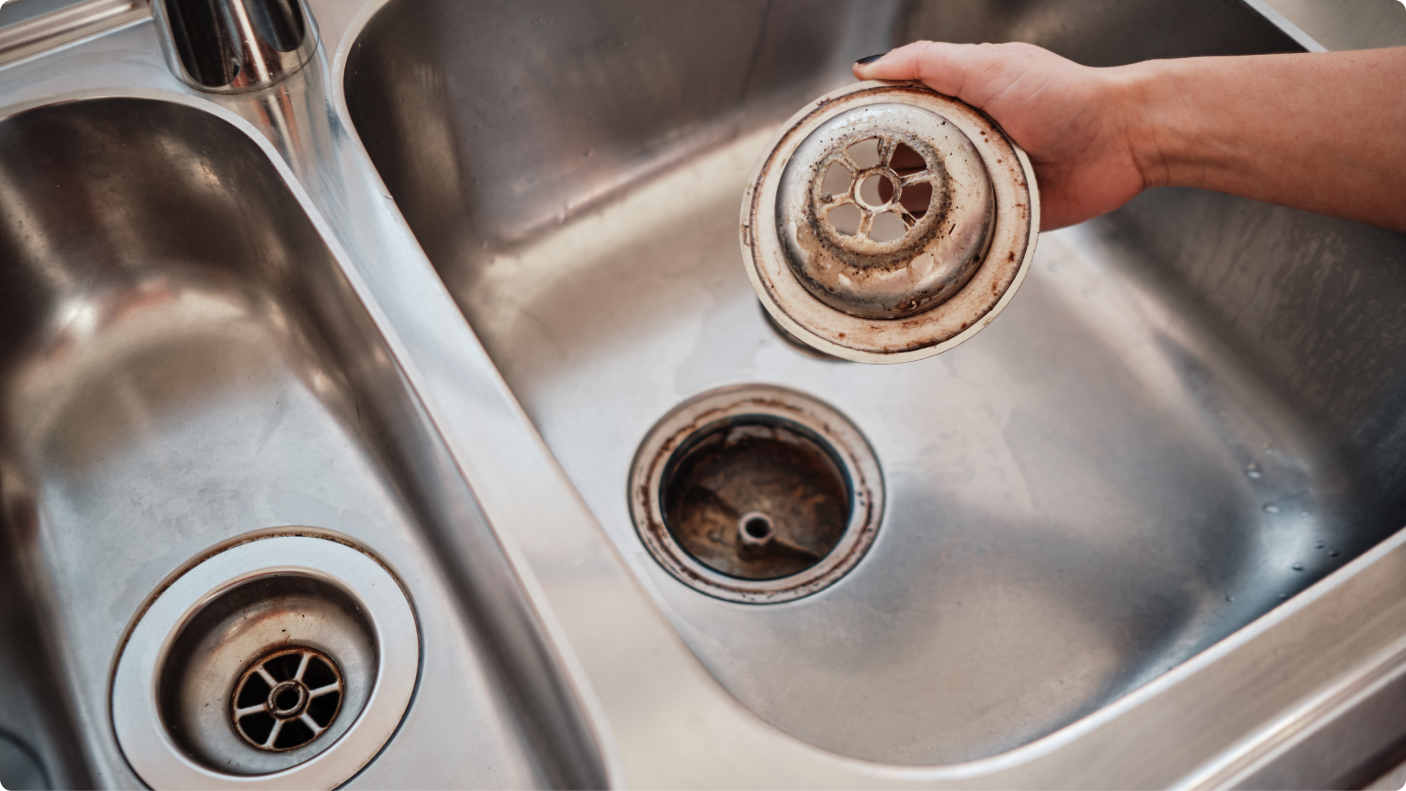
Removing the drain cover is the first step in cleaning your kitchen sink drain. It gives you access to the inside parts where debris often builds up. A clean drain cover helps prevent clogs and bad smells. This process is simple but needs care to avoid damage.
Locating The Cover
The drain cover sits right at the bottom of your kitchen sink. It usually looks like a round metal or plastic piece. Sometimes it has small holes or a mesh to catch food bits. Check the center of the sink basin to find it quickly. Some covers may be hidden under a strainer or stopper.
Safe Removal Techniques
Start by clearing any water from the sink. Use gloves to protect your hands from dirt and sharp edges. Grip the cover firmly but gently. Twist it counterclockwise if it screws on. If it is just placed, lift it straight up. Avoid using sharp tools that might scratch the sink.

Credit: www.wikihow.com
Clearing Visible Clogs
Clearing visible clogs in your kitchen sink drain is the first step to fix slow draining water. These blockages often cause water to back up and create bad smells. Removing them quickly keeps your sink clean and working well.
Start by using simple tools and methods. Most clogs are near the drain opening and easy to remove with the right approach. Here are two effective ways to clear visible clogs safely and fast.
Using A Plunger
A plunger can push clogs free with air pressure. First, fill the sink with some water. The water helps the plunger seal around the drain.
Place the plunger over the drain firmly. Push and pull the handle several times. This creates pressure that loosens the clog.
After a few tries, check if the water drains faster. Repeat if needed. Avoid using too much force to protect your pipes.
Manual Removal With Tools
Sometimes clogs are visible and easy to pull out. Use a pair of gloves for hygiene. Grab a wire coat hanger or a drain snake.
Insert the tool into the drain carefully. Twist and pull to catch hair or food debris. Remove the clog slowly to avoid pushing it further.
Dispose of the debris in the trash, not the sink. Rinse the drain with hot water to clear small bits left behind.
Applying Cleaning Solutions
Applying cleaning solutions is a key step in clearing your kitchen sink drain. It helps remove buildup and odors. Choosing the right method can make the process easier and faster. Two popular options are natural ingredients or commercial products. Both have their benefits and suit different needs.
Baking Soda And Vinegar Method
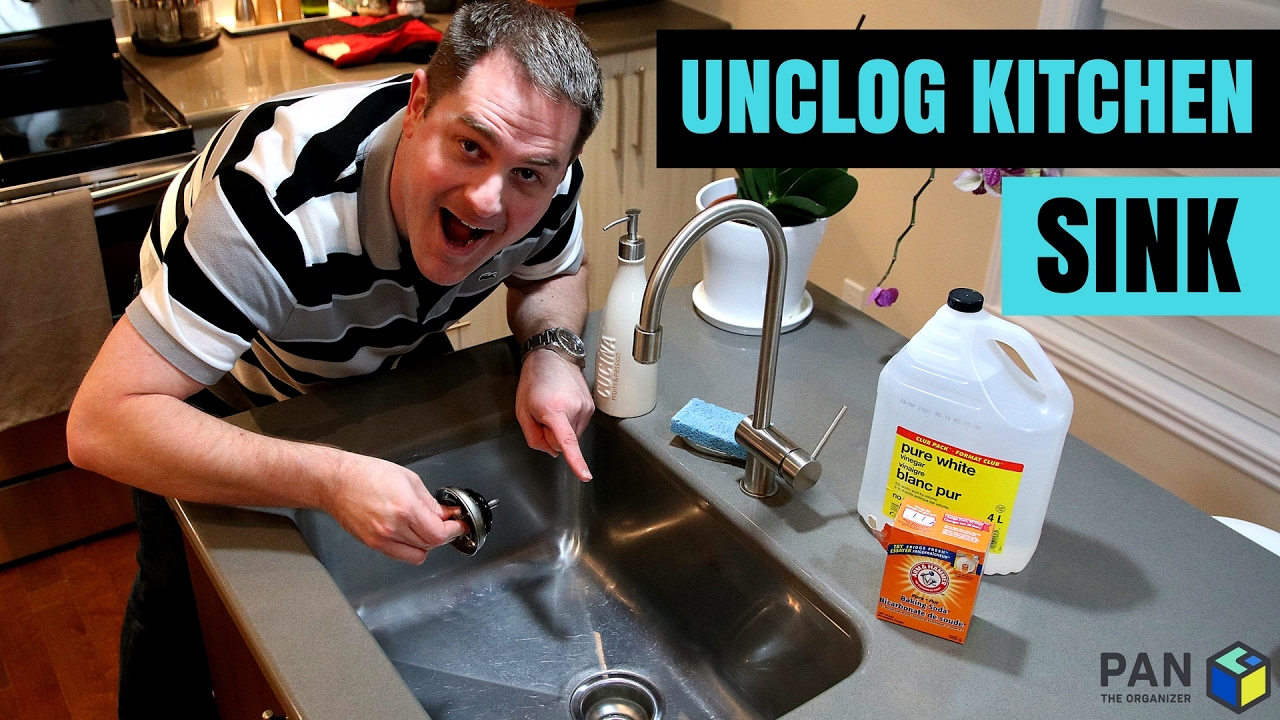
This natural method is safe and effective. Start by pouring half a cup of baking soda down the drain. Let it sit for a few minutes. Next, pour half a cup of white vinegar. You will see fizzing and bubbling. This reaction helps break down grime and loosen clogs. Wait for 15 minutes. Then, flush the drain with hot water. This clears away debris and freshens the drain.
Commercial Drain Cleaners
Commercial cleaners work fast and target tough clogs. Read the label and follow instructions carefully. Pour the recommended amount into the drain. Let it sit for the advised time. These cleaners use chemicals to dissolve grease and hair. After waiting, flush the drain with hot water. Use gloves and keep the area ventilated. Avoid mixing different cleaners to prevent harmful reactions.
Credit: www.youtube.com
Flushing The Drain
Flushing the drain is a simple way to keep your kitchen sink clean and free of clogs. It helps move dirt and grease down the pipes, preventing buildup. This process uses water to wash away particles that stick inside the drain. A regular flush keeps your sink smelling fresh and working well.
Using Hot Water
Start by boiling a pot of water. Carefully pour the hot water down the drain. The heat helps melt grease and loosen stuck food bits. Hot water clears away buildup that cold water cannot remove. Do this slowly to avoid splashing and allow the water to reach deep inside.
Repeating The Process
Flush the drain several times with hot water. Repeating the step breaks up stubborn grime. Wait a few minutes between each pour. This gives the water time to work on the clogs. Consistency helps keep the drain clear and smooth.
Maintaining A Clean Drain
Maintaining a clean kitchen sink drain helps avoid bad smells and clogs. A clean drain keeps water flowing smoothly. It also stops bacteria from growing. Small efforts make a big difference over time. The key is regular care and smart habits.
Regular Cleaning Schedule
Clean the drain once a week. Pour hot water down the drain to clear grease. Use a mixture of baking soda and vinegar monthly. Let it fizz for 10 minutes, then rinse with hot water. This breaks down buildup and refreshes the drain. Use a drain brush or pipe cleaner to remove stuck debris.
Preventive Tips
Do not pour grease or oil down the drain. They harden and cause blockages. Use a drain strainer to catch food scraps. Empty the strainer after each use. Avoid flushing coffee grounds or eggshells in the sink. Run cold water when using the garbage disposal. Cold water solidifies fats, so they chop better. Keep these habits daily for a fresh, clean drain.
Credit: www.liquidplumr.com
Frequently Asked Questions
How Often Should I Clean My Kitchen Sink Drain?
You should clean your kitchen sink drain at least once a month. Regular cleaning prevents clogs and bad odors. Frequent maintenance keeps the drain functioning smoothly and extends its lifespan.
What Household Items Clean Kitchen Sink Drains Effectively?
Baking soda and vinegar are effective household items for cleaning drains. Pour baking soda, then vinegar, and wait 15 minutes. Rinse with hot water to clear grease and debris naturally.
Can I Use Chemical Drain Cleaners Safely?
Chemical drain cleaners can be effective but may damage pipes if overused. Use them sparingly and follow instructions carefully. Consider natural cleaning methods to protect your plumbing and health.
How Do I Remove Foul Odors From The Kitchen Sink Drain?
Pour a mixture of baking soda and vinegar down the drain. Let it sit for 15 minutes, then flush with hot water. This method neutralizes odors and cleans buildup effectively.
Conclusion
Keeping your kitchen sink drain clean helps avoid clogs and bad smells. Regular cleaning saves time and money on repairs. Use simple ingredients like baking soda and vinegar for safe cleaning. Always rinse with hot water to clear residue. Clean drains make your kitchen more hygienic and fresh.
Small efforts lead to big results over time. Try these easy steps to keep your sink drain working well. A clean drain means a happy kitchen!
Disclosure: As an Amazon Associate, I may earn from qualifying purchases at no extra cost to you. Amazon and the Amazon logo are trademarks of Amazon.com, Inc, or its affiliates.
