

Are you tired of looking at stubborn stains on your beautiful granite sink? Those marks can make your entire kitchen feel less fresh and inviting.
The good news is, cleaning granite sink stains is easier than you might think. You’ll discover simple, effective methods to restore your sink’s natural shine. Keep reading, and you’ll learn how to make your granite sink look brand new again—without harsh chemicals or expensive products.
Your kitchen deserves that sparkle, and you’re just a few steps away from achieving it.
Credit: www.reddit.com
Granite Sink Basics
Granite sinks bring beauty and strength to kitchens. They blend well with many styles. Taking care of them keeps their shine and durability intact. Understanding granite’s nature helps prevent and remove stains effectively.
Properties Of Granite
Granite is a natural stone made of minerals. It is hard and dense. This makes it strong against scratches and heat. Granite is porous, meaning it can absorb liquids. Sealing granite reduces this porosity. Without sealing, stains can form easily. Its surface looks smooth but has tiny holes. These holes can trap dirt and spills.
Common Causes Of Stains
Stains on granite sinks often come from food and drinks. Coffee, wine, and oil leave marks. Hard water deposits also cause stains. Soap scum builds up over time. Rust can appear from metal objects left wet. Acidic substances like lemon juice damage the surface. Not wiping spills quickly makes stains worse.
Credit: southernhomeandhospitality.com
Daily Cleaning Tips
Daily cleaning helps keep your granite sink free from stains and damage. Regular care stops dirt and grime from building up. It also keeps the sink looking shiny and new. Small habits make a big difference in maintaining your granite sink’s beauty.
Gentle Cleaning Agents
Use mild soaps or dishwashing liquids for daily cleaning. Harsh chemicals can dull the granite’s surface. Mix soap with warm water for a safe cleaner. Apply with a soft cloth or sponge. Rinse well to remove any soap residue. This simple method keeps your sink fresh without harm.
Avoiding Abrasive Materials
Never scrub granite with rough pads or brushes. Abrasive tools can scratch and damage the stone. Use soft cloths or non-abrasive sponges instead. Avoid steel wool or harsh scrubbing pads. Gentle wiping protects the granite’s finish. This care helps your sink stay smooth and stain-free longer.
Removing Common Stains
Granite sinks are strong and beautiful but stains can spoil their look. Removing common stains quickly helps keep the sink clean and shiny. Different stains need different cleaning methods. This guide covers easy ways to treat common granite sink stains.
Water Spots And Mineral Deposits
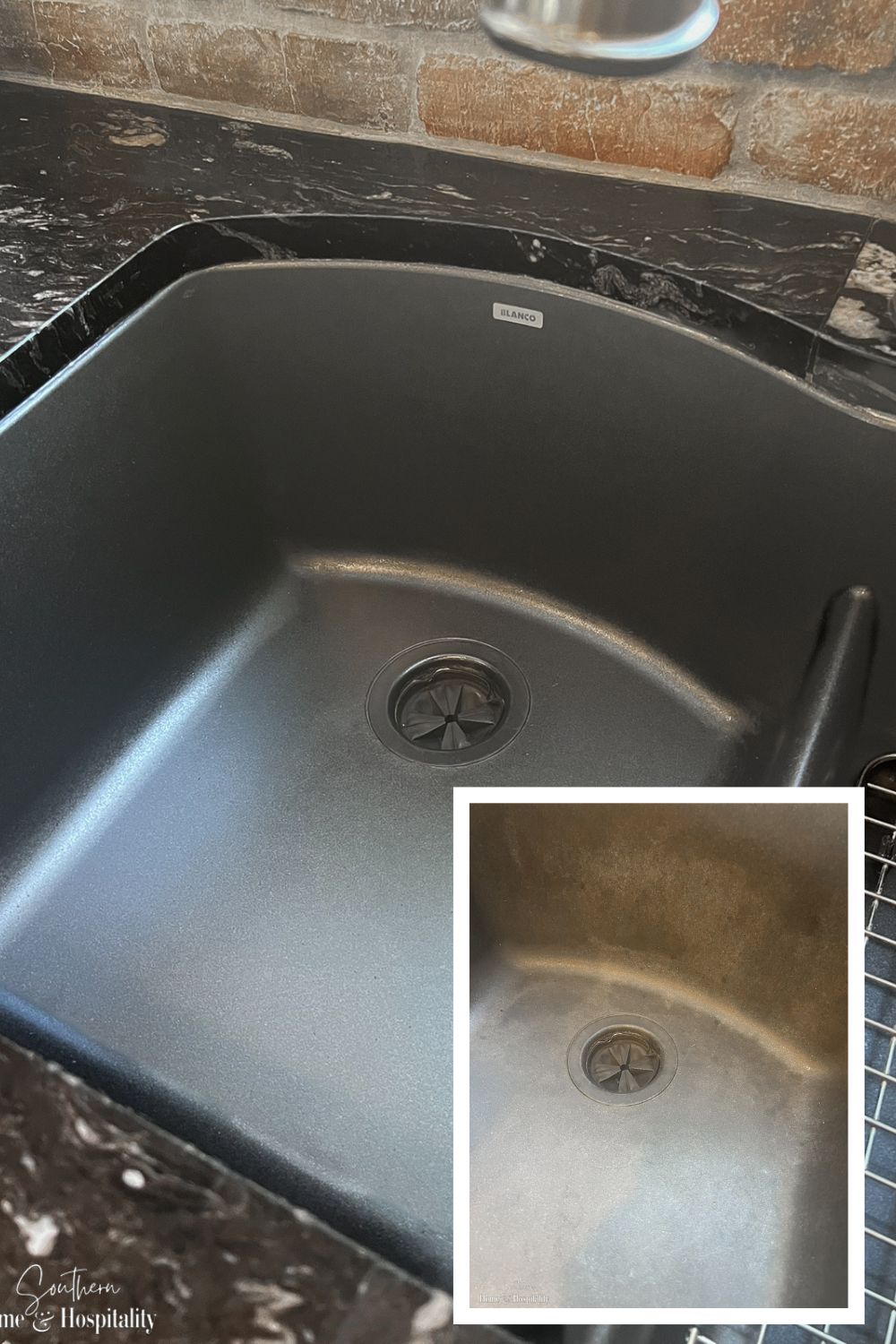
Water spots and mineral deposits often form from hard water. These stains look like white marks or cloudy patches. Use a soft cloth with vinegar to wipe the spots gently. Vinegar breaks down minerals without harming granite. Rinse well with water after cleaning. Dry the sink with a soft towel to stop new spots.
Oil And Grease Stains
Oil and grease stains come from cooking or food spills. These stains appear dark and sticky. Apply a paste made from baking soda and water. Spread it on the stain and let it sit for 15 minutes. Gently scrub with a soft brush or cloth. Rinse the area with warm water and dry it completely.
Rust And Metal Marks
Rust and metal marks happen from metal objects left in the sink. These stains look like orange or brown spots. Use a mixture of lemon juice and baking soda to treat rust. Apply the paste on the stain and leave it for 10 minutes. Rub softly and rinse well. Repeat if the stain remains but avoid harsh scrubbing.
Homemade Cleaning Solutions
Cleaning granite sink stains does not require harsh chemicals. Homemade cleaning solutions work well and keep your sink safe. These solutions are simple, cheap, and use ingredients found at home. They help remove stains without damaging granite’s surface.
Baking Soda Paste
Baking soda is gentle and effective on granite stains. Mix baking soda with water to make a thick paste. Apply the paste on the stained area. Let it sit for 10 to 15 minutes. Use a soft cloth or sponge to rub gently. Rinse with warm water and dry with a towel. Baking soda removes stains and absorbs odors.
Vinegar Alternatives
Vinegar is acidic and can harm granite. Use mild lemon juice or diluted castile soap instead. Lemon juice lifts stains and brightens the surface. Mix lemon juice with water and apply on stains. Let it sit for a few minutes before wiping. Castile soap diluted in water cleans without damage. Both options keep granite shiny and clean.
Hydrogen Peroxide Mixes
Hydrogen peroxide helps with tough stains on light-colored granite. Mix it with baking soda to form a paste. Apply the paste on stains and cover with plastic wrap. Leave it for 30 minutes to an hour. Remove the wrap and wipe the paste off. Rinse well with water and dry. Avoid using hydrogen peroxide on dark granite to prevent discoloration.
Step-by-step Stain Removal
Removing stains from a granite sink can be easy with the right steps. This guide walks through each part of the process. Follow these simple steps to restore your sink’s shine and cleanliness. Clear instructions help you handle even tough stains safely and effectively.
Preparing The Sink
Start by clearing the sink of any dishes or debris. Rinse the surface with warm water to remove loose dirt. Use a soft cloth to wipe away excess moisture. This prepares the sink for deeper cleaning and protects the granite from damage.
Applying Cleaning Solutions
Choose a cleaner made for granite or a mild dish soap mixed with water. Avoid harsh chemicals that can harm the stone’s surface. Apply the solution evenly over the stained areas. Let it sit for 5 to 10 minutes to loosen the stain.
Scrubbing Techniques
Use a soft sponge or cloth to scrub the stain gently. Move in small circles to lift dirt without scratching. For stubborn stains, use a paste of baking soda and water. Apply the paste, let it sit for 15 minutes, then scrub softly again.
Rinsing And Drying
Rinse the sink thoroughly with clean water to remove all cleaning residue. Use a soft towel to dry the surface completely. Drying prevents water spots and maintains the granite’s natural shine. Repeat the process if any stain remains visible.
Preventing Future Stains
Preventing stains on your granite sink is easier than fixing them. Small steps can keep your sink looking fresh and clean for a long time. Protecting the surface and cleaning regularly stops stains from settling deep into the stone. This saves time and effort later.
Sealing Granite Surfaces
Sealing your granite is the best way to block stains. The sealant forms a thin barrier on the stone’s surface. This barrier stops liquids from soaking in. Apply a good granite sealant every six to twelve months. Test by placing a few drops of water on the sink. If water beads up, the seal is strong. If it soaks in, it is time to reseal. Follow the sealant instructions carefully for the best result.
Regular Maintenance Routines
Cleaning your granite sink every day helps stop stains. Use a soft cloth and mild soap with water. Avoid harsh cleaners or scrubbing pads that can damage the surface. Wipe spills immediately, especially from acidic foods like lemon or tomato. Dry the sink after each use to prevent water spots. Regular care keeps your sink shiny and stain-free.
When To Call A Professional
Granite sinks are durable, but stains can sometimes be tough to remove. Some stains hide deep inside the stone. Others cause damage that simple cleaning cannot fix. Knowing when to call a professional can save you time and protect your sink.
Deep Stains And Damage
Stains that do not fade after cleaning need expert care. Deep stains may penetrate below the surface of the granite. Scratches, chips, or cracks also require special attention. Professionals use tools and products that are safe for granite. Attempting to fix severe damage alone can worsen the problem.
Professional Cleaning Services
Experts offer thorough cleaning that restores your sink’s look. They apply strong but safe cleaners to remove tough stains. Polishing and sealing services help protect granite from future damage. Hiring a professional ensures the job is done right. It also extends the life of your granite sink.
Credit: www.reddit.com
Frequently Asked Questions
How Do I Remove Stains From A Granite Sink?
To remove stains, use a gentle cleaner like baking soda paste. Apply it on the stain, let it sit for 10 minutes, then scrub gently with a soft cloth. Rinse thoroughly with water and dry the surface to prevent new stains.
What Household Items Clean Granite Sink Stains Effectively?
Baking soda, vinegar, and mild dish soap work well. Baking soda paste gently lifts stains, while vinegar disinfects and removes residue. Avoid harsh chemicals to protect the granite’s finish and maintain its natural shine.
Can Bleach Damage My Granite Sink?
Yes, bleach can damage granite by dulling its finish. It may cause discoloration and weaken the stone’s surface. Always use pH-neutral cleaners specifically designed for granite to keep your sink safe and stain-free.
How Often Should I Clean My Granite Sink?
Clean your granite sink daily with mild soap and water. For stains, deep clean weekly using baking soda paste. Regular cleaning prevents buildup, keeps the surface shiny, and extends your sink’s lifespan.
Conclusion
Granite sinks look best when clean and stain-free. Regular cleaning stops stains from building up. Use gentle cleaners to protect the stone’s surface. Act quickly to remove spills and marks. Avoid harsh chemicals that can damage granite. Simple steps keep your sink shiny and new.
A clean sink adds beauty to your kitchen. Keep these tips handy for easy care. Your granite sink will stay attractive for years. Clean sinks make your kitchen feel fresh and bright.
Disclosure: As an Amazon Associate, I may earn from qualifying purchases at no extra cost to you. Amazon and the Amazon logo are trademarks of Amazon.com, Inc, or its affiliates.
