
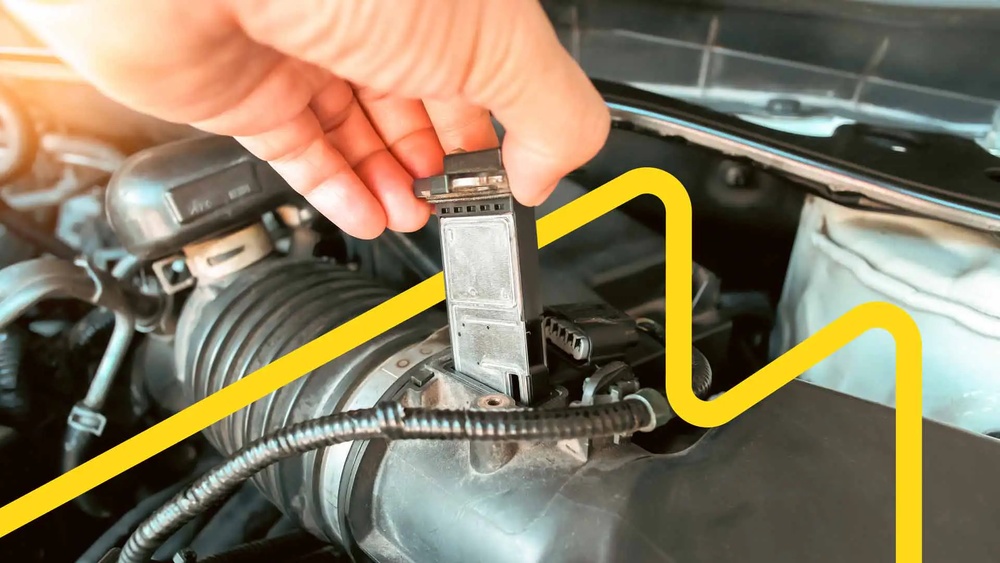
Cleaning your car’s MAF sensor (Mass Air Flow sensor) can bring new life to your engine. Many drivers try this maintenance themselves to fix rough idling, poor fuel economy, or check engine lights. But after cleaning, one question always comes up: How long should you wait before starting your car? Waiting the right amount of time is critical to protect the sensor and your engine. If you rush, you may cause damage or incorrect readings. If you wait too long, you waste time and miss the benefits of your effort.
This article will explain exactly how long to wait after cleaning a MAF sensor, why it matters, and what else you should do to get the best results. You’ll find practical steps, expert tips, and clear answers to common questions. Whether you’re a DIY beginner or have some experience, these insights will help your car run better and avoid common mistakes.
Understanding The Maf Sensor And Its Role
The MAF sensor is a small but vital part of your car’s engine management system. It measures the amount of air coming into the engine, and sends this information to the ECU (Engine Control Unit). The ECU then adjusts the fuel injection for the perfect air-fuel mix. A dirty MAF sensor can send wrong signals, causing poor performance, rough idling, or even stalling.
Modern cars rely on this data for smooth operation. When the sensor is dirty, your engine may use more fuel or run unevenly. Cleaning it can restore accuracy, but you need to handle it with care.
Why Waiting After Cleaning Matters
After you spray cleaner on the MAF sensor, it needs time to dry completely. Most MAF cleaners contain fast-evaporating solvents, but even these leave behind tiny drops that are invisible to the eye. If you reinstall and start the engine too soon, you risk:
- Short circuits if liquid bridges sensor contacts
- Damage to delicate wires or film
- Incorrect air/fuel ratio due to false readings
Even a little moisture can confuse the sensor or cause permanent damage. Patience is key.

Credit: www.crcindustries.com
How Long To Wait After Cleaning
The safe waiting time can vary based on the type of cleaner, temperature, and humidity. Let’s break it down:
Typical Wait Time
Most experts recommend waiting at least 15–30 minutes after spraying the MAF sensor with a designated cleaner. This ensures all solvent has evaporated and the sensor is dry.
- Quick-dry cleaners: 10–15 minutes may be enough in warm, dry air.
- Standard MAF cleaners: 20–30 minutes is safer, especially in cool or humid conditions.
Never rush this step. A little extra wait is always better than risking sensor failure.
Factors Affecting Drying Time
Several factors can make the drying time longer or shorter:
- Ambient temperature: Warmer air helps the cleaner evaporate faster.
- Humidity: High humidity means slower drying.
- Air movement: A gentle fan can speed up drying, but avoid strong air or heat.
- Amount of cleaner used: Extra sprays mean more drying time.
Example Drying Scenarios
| Condition | Recommended Wait Time | Notes |
|---|---|---|
| Warm, dry garage | 15 minutes | Normal use of quick-dry MAF cleaner |
| Cool, damp weather | 30+ minutes | Use extra caution, check for full dryness |
| Outdoor shade, light breeze | 20–25 minutes | Medium drying speed |
If you’re unsure, wait a bit longer. It’s better to be safe.
Step-by-step: Cleaning And Reinstalling The Maf Sensor
Cleaning the MAF sensor isn’t complicated, but a few careful steps can make a big difference.
1. Remove The Sensor
- Turn off the engine and disconnect the battery.
- Find the MAF sensor (usually between the air filter and throttle body).
- Use the proper tool (often a Torx or Phillips screwdriver) to remove it.
- Unplug the connector gently.
2. Spray The Cleaner
- Hold the sensor by the base; do not touch the wires or film.
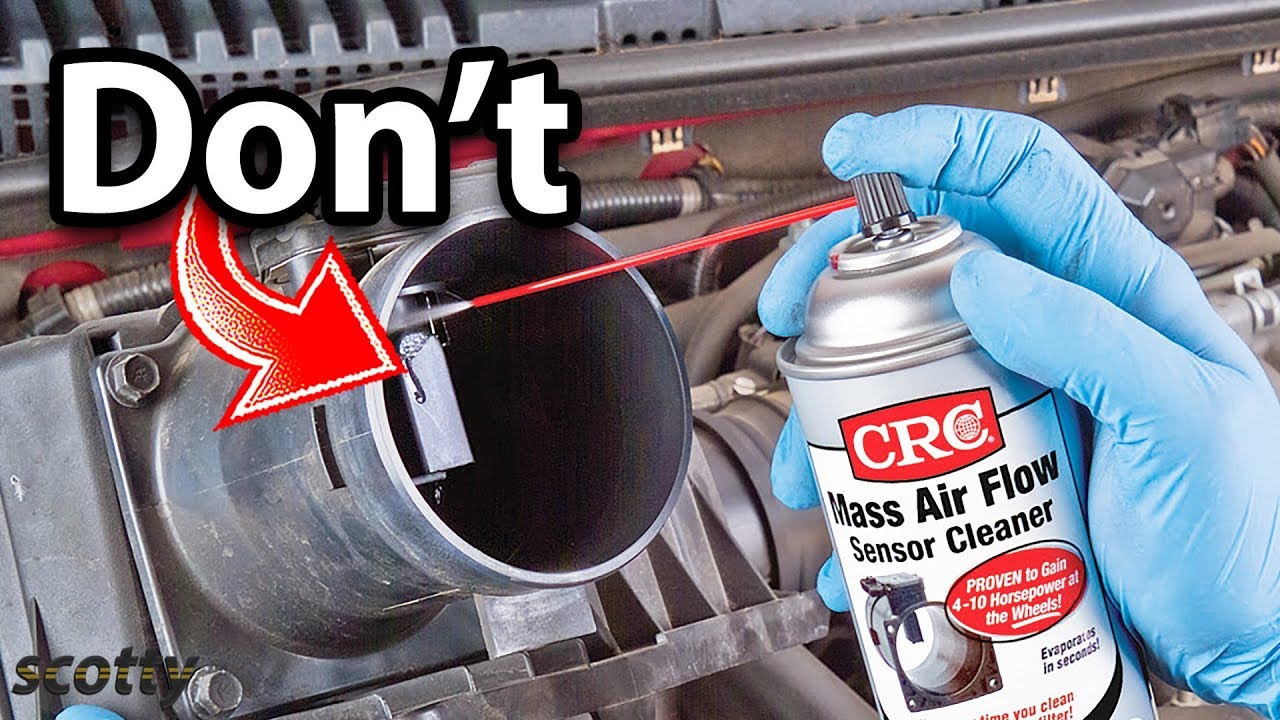
- Use a special MAF sensor cleaner. Other cleaners can leave residue or cause damage.
- Spray 10–15 short bursts, covering all sides.
- Let excess cleaner drip off naturally.
3. Wait For It To Dry
- Place the sensor on a clean, lint-free towel.
- Let it air dry for at least 15–30 minutes (see above).
- Do not use compressed air, heat guns, or hair dryers—they can damage the sensor.
4. Reinstall Carefully
- Make sure the sensor is 100% dry.
- Reconnect the wiring harness.
- Screw the sensor back in place.
- Reconnect the battery.
5. Start The Engine And Monitor
- Start the engine and let it idle for a few minutes.
- Watch for any check engine lights or unusual sounds.
- If the engine runs smoother, you’ve succeeded.
Quick Reference: Cleaning Timeline
| Step | Approximate Time |
|---|---|
| Remove sensor | 5–10 minutes |
| Spray cleaner | 2–3 minutes |
| Drying time | 15–30 minutes |
| Reinstall sensor | 5–10 minutes |
Total job time: 25–50 minutes (mainly drying).
Common Mistakes To Avoid
Many DIYers make small errors that can have big effects. Here are the most frequent mistakes:
- Not waiting long enough: Moisture inside the sensor causes false readings.
- Using the wrong cleaner: Only use a cleaner designed for MAF sensors.
- Touching sensor wires: Even light contact can break these delicate parts.
- Forcing drying: Never use compressed air, heaters, or direct sunlight.
- Skipping battery disconnect: This can trigger error codes or damage electronics.
Why Using The Right Cleaner Matters
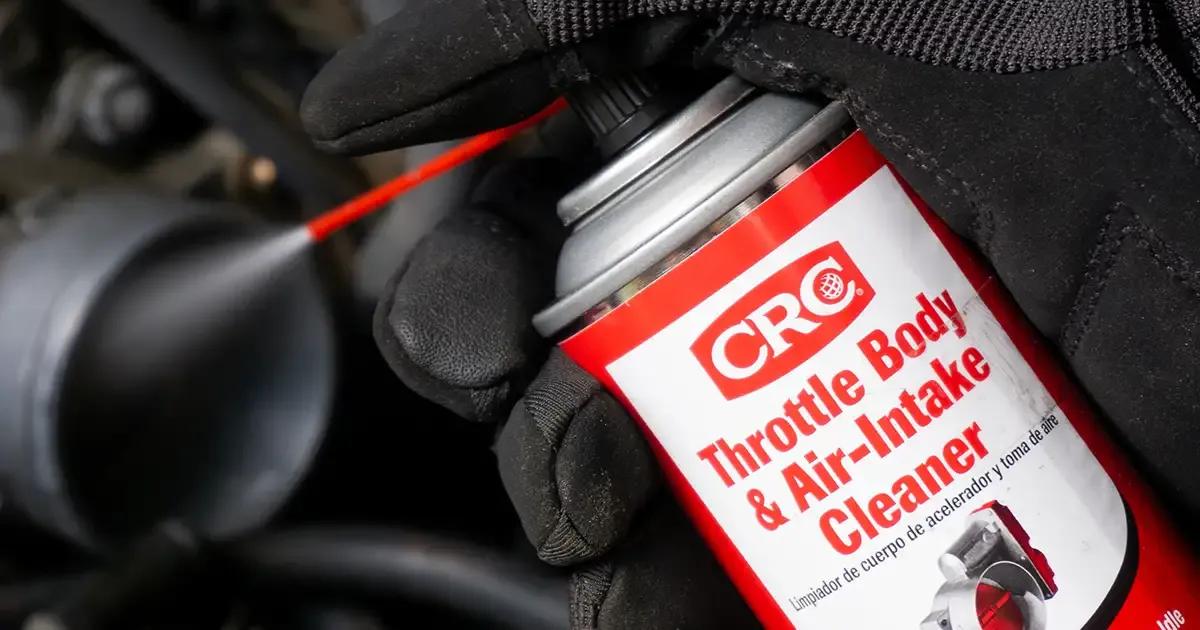
General-purpose cleaners like brake or carburetor cleaner may leave residue, damage the sensor, or not evaporate quickly enough. MAF cleaner is formulated for fast drying and no residue.
Signs Your Maf Sensor Is Not Dry
If you install the sensor before it’s fully dry, your car may show these symptoms:
- Check engine light appears
- Engine hesitates or stumbles at idle
- Poor acceleration, especially right after installation
- Strong fuel smell (too rich mixture)
- Car stalls or has trouble starting
If you see any of these, turn off the engine and check the sensor again.
Credit: www.youtube.com
How To Tell When The Sensor Is Fully Dry
Sometimes, it’s not easy to judge by looking. Here are some tips:
- Hold the sensor up to a bright light to check for shine or wet spots.
- Smell the sensor—if you can still smell strong solvent, wait longer.
- Gently tap the sensor base (not the wires) on a clean cloth—there should be no liquid marks.
- If in doubt, add an extra 10 minutes.
Should You Reset The Ecu After Cleaning?
Resetting the ECU is not always necessary, but it can help your car “learn” the new sensor readings faster. This is especially true if the check engine light was on before cleaning.
How To Reset
- Disconnect the battery for 10–15 minutes.
- Reconnect and start the car.
- Let it idle for a few minutes to re-learn idle speed.
Some cars will adapt quickly, while others may need a short drive cycle.
How Often Should You Clean The Maf Sensor?
Most experts recommend cleaning the MAF sensor every 12,000–15,000 miles or once a year, especially if you drive in dusty conditions or use an oiled air filter. If your car runs smoothly, you may go longer between cleanings.
Cleaning too often is not helpful and can risk damaging the sensor. Watch for signs like rough idle, poor MPG, or engine codes.
Real-world Example: Drying Time Comparison
Let’s compare different conditions to see how drying time changes:
| Scenario | Cleaner Type | Ambient Temp | Wait Time |
|---|---|---|---|
| Summer day, garage | Quick-evaporation | 80°F (27°C) | 12 minutes |
| Rainy morning, driveway | Standard MAF cleaner | 60°F (15°C) | 28 minutes |
| Winter, closed shop | Standard MAF cleaner | 40°F (4°C) | 40 minutes |
As you see, a cold, damp day increases drying time. Always adjust your wait based on real conditions, not just the label.
Additional Tips For Success
- Wear gloves: MAF cleaner can irritate skin.
- Work in a ventilated area: Fumes from cleaners can be strong.
- Label screws or connectors: Prevents mix-ups during reinstallation.
- Inspect air filter: A dirty air filter often causes MAF sensor problems.
When To Replace Instead Of Clean
If you clean the sensor but symptoms return quickly or the sensor is physically damaged, it may be time for a replacement. Look for:
- Broken wires or obvious cracks
- Repeated engine codes after cleaning
- No change in symptoms after cleaning and proper drying
New sensors range from $30–$200, depending on your vehicle.
Where To Find More Information
For official recommendations and deeper technical details, the Wikipedia page on mass flow sensors offers a strong overview.
Frequently Asked Questions
How Do I Know If My Maf Sensor Is Dry Enough?
Wait until the sensor has no visible liquid, does not smell strongly of solvent, and feels at room temperature. If you’re unsure, add an extra 10 minutes.
Can I Use A Hair Dryer To Speed Up Drying?
No. Heat can damage delicate sensor parts. Always allow air drying at room temperature.
What Happens If I Reinstall The Sensor Too Soon?
Moisture may cause false readings, engine hesitation, or even sensor damage. You may see the check engine light or experience poor engine performance.
Is It Okay To Use Rubbing Alcohol To Clean The Maf Sensor?
It’s best to use a dedicated MAF sensor cleaner. Rubbing alcohol may leave residue or not evaporate as quickly, risking sensor damage.
Should I Disconnect The Battery Before Cleaning?
Yes, disconnecting the battery prevents accidental electrical shorts and clears some stored error codes. Always do this before removing electronic sensors.
Taking the time to wait after cleaning your MAF sensor is a small step with big rewards. By following these guidelines, you’ll protect your engine, improve performance, and avoid costly mistakes. Patience and careful cleaning can keep your car running smoothly for miles to come.
Credit: www.crcindustries.com
Disclosure: As an Amazon Associate, I may earn from qualifying purchases at no extra cost to you. Amazon and the Amazon logo are trademarks of Amazon.com, Inc, or its affiliates.
