
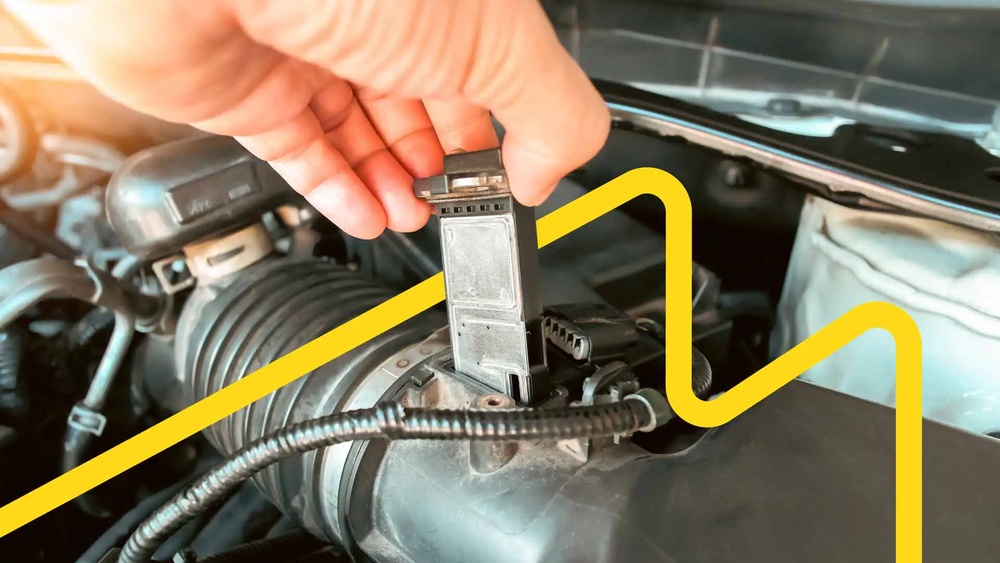
Cleaning your car’s MAF (Mass Air Flow) sensor can boost engine performance, improve fuel economy, and fix rough idling. But many people pause before the job, wondering: Do you need to disconnect the battery before cleaning MAF? This question seems simple, but it’s more important than most realize. Making the right choice can protect your car’s electronics and save you money on costly repairs.
In this guide, you’ll discover why battery disconnection matters, how to clean a MAF sensor safely, and what can go wrong if you skip steps. We’ll compare different cleaning methods, highlight practical tips, and answer common questions. Whether you’re a DIY beginner or have some experience, you’ll get clear advice and avoid mistakes that many car owners make.
Understanding The Maf Sensor
The MAF sensor measures the amount of air entering your engine. It sends this data to the ECU (Engine Control Unit), which adjusts fuel delivery for efficient combustion. A dirty MAF sensor can cause:
- Poor acceleration
- Low fuel economy
- Engine stalling
- Hard starting
- Rough idle
Modern MAF sensors use delicate wires or film that can be damaged by improper cleaning or electrical surges. That’s why the cleaning process needs care.
Why Battery Disconnection Matters
Most people think cleaning a sensor is simple: spray, wipe, reinstall. But modern cars have sensitive electronics. The MAF sensor is powered when the ignition is on, and sometimes even when the key is off (due to residual voltage). If you clean the sensor while it’s connected, you risk:
- Electrical short: Cleaning spray can cause a short circuit if the sensor is powered.
- ECU error codes: The ECU may detect abnormal readings and store a trouble code.
- Sensor damage: Static electricity can harm the MAF’s thin wires.
Disconnecting the battery ensures no power reaches the sensor, so you avoid accidental damage.
Real-world Example
A 2018 Toyota Corolla owner cleaned the MAF without disconnecting the battery. After reinstallation, the check engine light appeared, and the car ran rough. Diagnostics showed an ECU fault—resetting required a workshop visit. The issue would have been avoided by disconnecting the battery.
Step-by-step Guide: Cleaning Your Maf Sensor Safely
Let’s walk through the process, focusing on whether and when to disconnect the battery.
1. Gather Supplies
You’ll need:
- MAF sensor cleaner (no residue, specifically for MAF)
- Screwdriver or socket set (to remove MAF)
- Gloves
- Safety glasses
2. Turn Off Ignition
Always switch off the car and let it cool for 10–15 minutes.
3. Disconnect The Battery
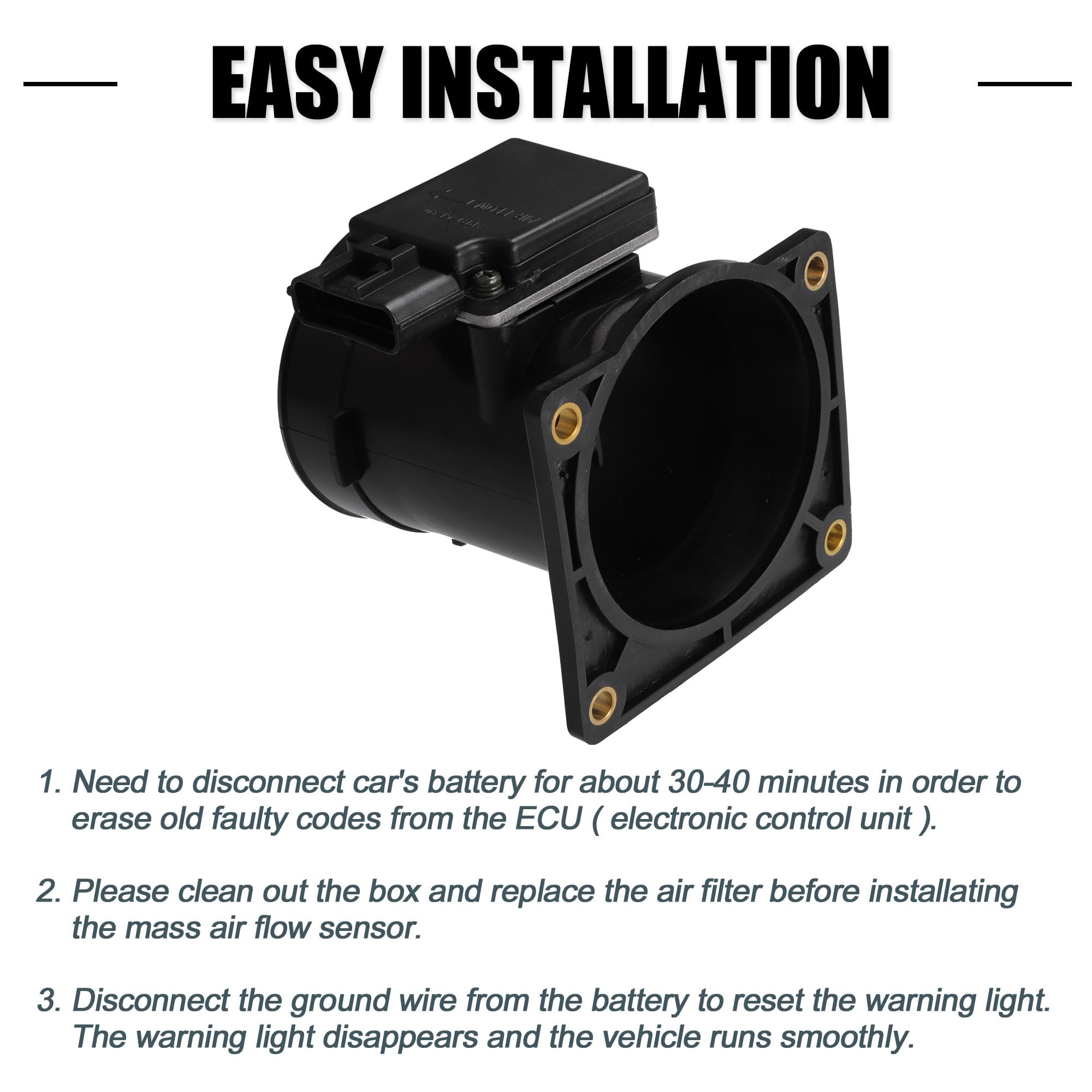
Locate the negative (-) terminal and remove the cable. This cuts power to all electronics. Wait another 5 minutes to let any residual charge dissipate.
4. Remove The Maf Sensor
Carefully unscrew the sensor from the air intake. Don’t touch the wires or film.
5. Clean The Sensor
Hold the sensor upright. Spray the cleaner onto the wires/film. Let it air dry for 20–30 minutes.
6. Reinstall The Maf Sensor
Once dry, fit the sensor back into its slot. Tighten screws gently.
7. Reconnect The Battery
Attach the negative cable and tighten.
8. Start The Engine
Check for smooth idle and see if any warning lights appear.
Comparing Cleaning With And Without Battery Disconnection
Here’s how the two methods compare:
| Method | Risk Level | ECU Error Chance | Sensor Safety |
|---|---|---|---|
| With Battery Disconnected | Low | Very Low | Safe |
| Without Battery Disconnected | High | Moderate-High | Risky |
Disconnecting the battery reduces risks, especially for newer cars with advanced electronics.
Common Mistakes And How To Avoid Them
Many beginners make errors during MAF cleaning:
- Using wrong cleaner: Household cleaners leave residue and damage the sensor. Use only MAF-specific spray.
- Touching sensor wires: Oils from your hands can ruin the sensor.
- Skipping battery disconnection: This often leads to error codes or sensor damage.
- Rushing drying time: If you reinstall a wet sensor, it can short out.
- Reversing battery cables: Always attach the negative cable last to avoid sparks.
How Battery Disconnection Affects Ecu Memory
Some worry that disconnecting the battery will erase important settings. Most modern ECUs store key data in non-volatile memory, so disconnecting for a short period doesn’t erase engine maps or radio presets. However, you may lose:
- Clock settings
- Trip computer data
- Radio stations (in some models)
Here’s a quick comparison:
| Car Model | Battery Disconnect Effect | ECU Data Loss | Other Settings Loss |
|---|---|---|---|
| Toyota Camry (2017) | Minor | No | Clock, Radio |
| Honda Civic (2019) | Minor | No | Trip, Clock |
| Ford F-150 (2020) | Minor | No | None |
So, battery disconnection is safe for MAF cleaning.
Practical Tips For Safe Maf Cleaning
- Work outdoors or in a ventilated area. MAF cleaner is flammable.
- Wear gloves to avoid skin irritation.
- Use only recommended cleaners. Never use brake or carburetor spray.
- Let the sensor dry fully before reinstalling.
- Check for codes after cleaning. If the check engine light appears, scan for trouble codes.
- Keep battery terminals clean. Dirty terminals cause poor electrical connections.
Non-obvious Insights Most Beginners Miss
- Residual voltage can linger even after the ignition is off. That’s why waiting after battery disconnection is important.
- MAF sensors can store electrical charges. Spraying cleaner while powered can cause a micro-surge and damage the sensor.
- ECU adapts to new sensor readings. After cleaning, it may take a few drives for the engine to run smoothly as the ECU recalibrates.
Credit: brt.cl
When You Might Not Need To Disconnect The Battery
There are rare cases where battery disconnection may not be required:
- Older cars with simple electronics (pre-2000 models)
- Quick air blow cleaning (no spray used)
However, since most modern cars have sensitive ECUs, it’s safer to disconnect.
Risks Of Not Disconnecting The Battery
Skipping battery disconnection can lead to:
- Permanent sensor damage
- ECU error codes
- Engine misfire
- Expensive repairs
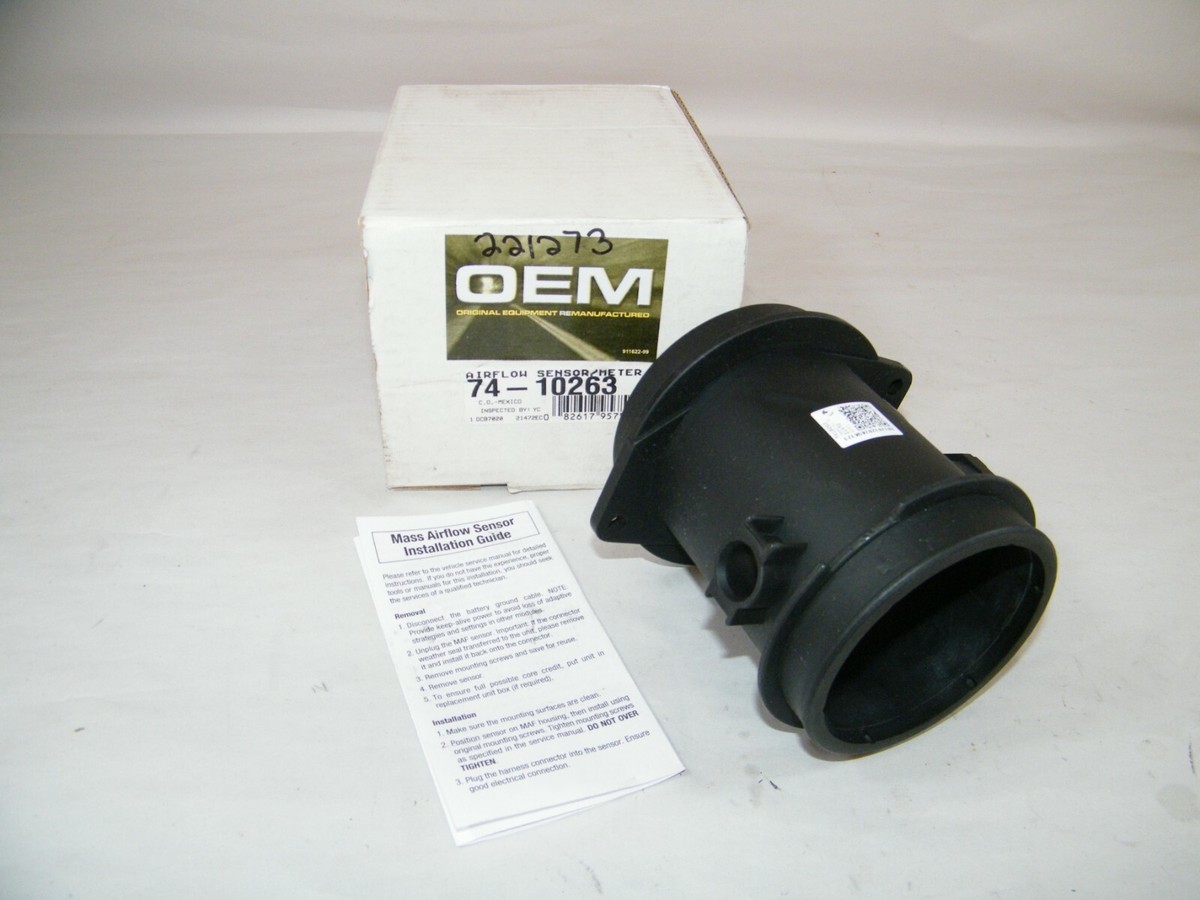
Some workshops report customers needing new MAF sensors after DIY cleaning attempts without battery disconnection. The cost for a new sensor can range from $60 to $400, depending on the model.
Credit: www.ebay.com
How Often Should You Clean The Maf Sensor?
Most manufacturers recommend cleaning the MAF sensor every 12,000 to 15,000 miles (19,000–24,000 km) or once a year. If you drive in dusty conditions, check it more often.
Professional Vs Diy Maf Cleaning
Should you do it yourself or let a mechanic handle it? Here’s a comparison:
| Method | Cost | Time Needed | Risk |
|---|---|---|---|
| DIY (with battery disconnected) | $8–$20 (cleaner) | 30–45 min | Low |
| Professional workshop | $50–$100 | 1–2 hours | Very Low |
DIY is cheaper and safe if you follow the correct steps.
Extra Precautions For Hybrid And Electric Vehicles
Hybrids and EVs have complex electrical systems. Always follow the manufacturer’s instructions, and disconnect both the main battery and auxiliary battery (if present) before cleaning.
What To Do If You Get An Error Code
If the check engine light comes on after cleaning:
- Scan the code with a basic OBD-II scanner.
- Reset the ECU by disconnecting the battery for another 10 minutes.
- Check connections. Loose MAF plug can trigger codes.
- Re-clean if needed, making sure the sensor is dry.
When Should You Replace The Maf Sensor Instead Of Cleaning?
If your MAF sensor shows physical damage, corrosion, or repeated error codes after cleaning, replacement is recommended. A faulty sensor can cause:
- Poor fuel economy
- Loss of power
- Emission test failure
Always use genuine parts for replacement.
Where To Find More Information
For more details on car sensors and safe cleaning, the Auto Care Association provides reliable guides.

Credit: www.youtube.com
Frequently Asked Questions
Is Disconnecting The Battery Always Necessary Before Cleaning The Maf Sensor?
It’s strongly recommended for modern cars. Disconnecting ensures the sensor is fully powered down, reducing the risk of electrical damage or ECU errors.
Can I Use Alcohol Or Other Cleaners Instead Of Maf Cleaner?
No. Only use MAF-specific cleaner. Other cleaners can leave residue or damage the sensor’s sensitive parts.
What Happens If I Clean The Maf Sensor While It’s Still Wet?
Installing a wet sensor can cause a short circuit or trigger error codes. Always let the sensor air dry for at least 20–30 minutes.
How Do I Know If My Maf Sensor Needs Cleaning?
Signs include rough idle, poor acceleration, reduced fuel economy, or a check engine light. You can also check for dirt buildup visually.
Will Disconnecting The Battery Erase All My Car’s Settings?
Disconnecting the battery may reset the clock and trip data, but most ECU settings are stored safely. In rare cases, radio presets may be lost.
Cleaning your MAF sensor is a simple job, but skipping battery disconnection can turn an easy fix into an expensive problem. By following the right steps, you protect your car’s electronics and ensure smooth running. If you’re unsure, seek professional help.
But for most DIYers, careful battery disconnection is the key to safe, successful MAF cleaning.
Disclosure: As an Amazon Associate, I may earn from qualifying purchases at no extra cost to you. Amazon and the Amazon logo are trademarks of Amazon.com, Inc, or its affiliates.
