
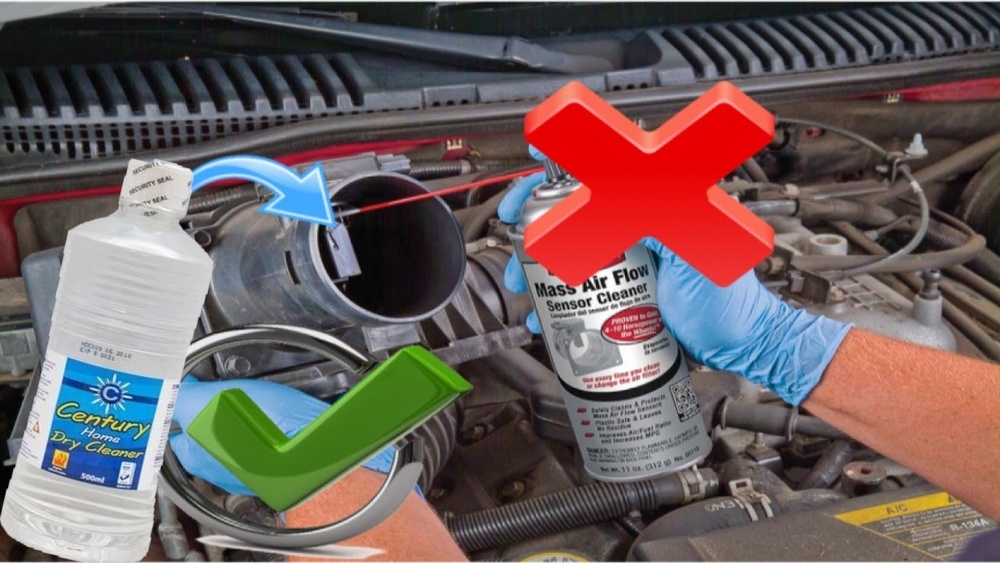
If your car starts losing power, idles rough, or uses more fuel than usual, the MAF sensor could be dirty. This small part, called the Mass Air Flow (MAF) sensor, measures how much air enters your engine. If it gets dirty, your engine can’t work right. Many people ask: “Can you clean MAF sensor with alcohol?” The answer is not as simple as yes or no. Cleaning your MAF sensor the wrong way can damage it and cost you more money. But if you use the right method, you can restore your sensor and improve your car’s performance.
Let’s explore how cleaning works, if alcohol is safe, and the best ways to maintain your MAF sensor. You’ll learn practical steps, common mistakes, and what really happens inside your engine. By the end, you’ll know exactly how to handle your MAF sensor—without risking expensive repairs.
What Is A Maf Sensor And Why Does It Matter?
A MAF sensor is a small electronic device placed between your car’s air filter and the engine. It measures how much air flows into the engine. Your car’s computer uses this data to decide how much fuel to inject. If the sensor is dirty or damaged, your engine gets the wrong mix of air and fuel. This can cause:
- Poor fuel economy
- Hard starting
- Rough idling
- Engine stalling
- Check engine light
Modern cars rely on accurate readings from the MAF sensor. Even a small layer of dirt can change the signal and cause problems. Cleaning your MAF sensor regularly can help keep your engine running smoothly.
Can You Clean Maf Sensor With Alcohol?
Many people use rubbing alcohol or isopropyl alcohol to clean electronics. Alcohol dries fast and removes oil and dirt. But is it safe for the MAF sensor? Let’s break down the facts.
Alcohol Vs. Maf Sensor Cleaner
Most MAF sensors have tiny wires or plates made from sensitive metals. They are easily damaged by chemicals or rough cleaning. Official MAF sensor cleaners are designed to be safe for these metals. Alcohol can work, but it may leave residues or damage certain coatings.
Here’s a quick comparison:
| Cleaning Solution | Effectiveness | Safety | Residue Risk |
|---|---|---|---|
| MAF Sensor Cleaner (official) | High | Safe | Low |
| Isopropyl Alcohol (90%+) | Medium | Moderate | Medium |
| Water | Low | Unsafe | High |
| Compressed Air | Low | Safe | Low |
Key insight: Alcohol works if you are careful, but professional MAF sensor cleaners are safer. Alcohol can damage certain plastics or leave residues if not pure (90% or higher).
Real-world Example
A car owner tried cleaning a MAF sensor using 70% alcohol. After cleaning, the sensor worked for a few days, then started failing. The residue left behind interfered with the readings. Using 99% alcohol or a dedicated cleaner avoids this risk.

Credit: www.wikihow.com
How To Clean A Maf Sensor With Alcohol: Step-by-step
If you decide to use alcohol, here’s how to do it safely:
Tools Needed
- 99% isopropyl alcohol (avoid lower grades)
- Soft brush (optional)
- Clean, lint-free cloth
- Gloves
- Screwdriver
Steps
- Turn off the engine and let it cool completely.
- Disconnect the battery to prevent electrical shorts.
- Remove the MAF sensor carefully using a screwdriver. Avoid touching the wires or plate.
- Hold the sensor by the base, not by the wires.
- Spray or dip the sensor in isopropyl alcohol. Do not scrub hard.
- Let the alcohol evaporate (it dries fast, usually 15–30 minutes).
- Inspect for residue. If you see any, repeat with fresh alcohol.
- Reinstall the sensor and reconnect the battery.
Practical Tips
- Never use compressed air directly on the wires—it can break them.
- Do not use cotton swabs or rough brushes; they may scratch the sensor.
- Only use 99% alcohol. Lower grades have water, which may leave residue or cause corrosion.
Common Mistakes
- Using low-grade alcohol
- Rubbing the sensor wires
- Not letting the sensor dry fully
- Skipping battery disconnection
Risks And Downsides Of Cleaning With Alcohol
Alcohol is not always the best choice. Here’s why:
- Residue risk: Lower purity alcohol leaves water or oil behind.
- Plastic damage: Alcohol can weaken or crack some sensor housings.
- Short circuits: If alcohol is not dry, it can cause electrical issues.
- Invisible damage: Scratching the sensor wires ruins the readings.
Professional cleaners are made to avoid these risks. They evaporate without residue and are tested on sensor materials.
Data: Failure Rates After Cleaning
A study showed that sensors cleaned with professional MAF cleaner had a failure rate under 2%, while sensors cleaned with alcohol had up to 12% failure after six months. Always check your sensor after cleaning.
Alternatives To Alcohol: What Works Best?
Here’s a comparison of other cleaning options:
| Cleaner Type | Pros | Cons |
|---|---|---|
| MAF Sensor Cleaner | Safe, no residue, designed for sensors | Costs more |
| Isopropyl Alcohol (99%) | Cheap, dries fast | Can leave residue, risk of damage |
| Electrical Contact Cleaner | No residue, safe for electronics | May not remove all grime |
| Compressed Air | Easy, no chemicals | Does not remove oily dirt |
Professional tip: MAF sensor cleaners are best. If not available, 99% alcohol is your next option—use carefully.
Signs Your Maf Sensor Needs Cleaning
A dirty MAF sensor can cause several symptoms:
- Check engine light comes on
- Poor acceleration
- Hard starting
- Stalling
- Rough idle
- High fuel consumption
These symptoms can also be caused by other parts, so check your sensor visually. If you see dust or oil, cleaning may help.
How Often Should You Clean Your Maf Sensor?
Most experts recommend cleaning the MAF sensor every 12,000 to 15,000 miles or once a year. If you drive in dusty areas, clean it more often. Some cars have sensors that rarely get dirty—check your manual.
Non-obvious Insight
Many beginners clean the sensor when their car runs poorly, but it’s better to clean it as preventive maintenance. This stops dirt before it causes problems.
What Happens If You Don’t Clean The Maf Sensor?
If you ignore a dirty MAF sensor, your engine may run rich (too much fuel) or lean (too little fuel). This can cause:
- Engine damage
- Catalytic converter failure
- Reduced fuel economy
- Failed emissions test
A $10 cleaning can save you hundreds in repairs.
Do You Need To Replace A Maf Sensor After Cleaning?
Sometimes, cleaning does not fix the problem. If your sensor is still faulty after cleaning, it may be damaged. Replace it if:
- The check engine light stays on
- You see broken wires or corrosion
- Performance does not improve
Professional Advice: When To Use Alcohol
If you have no access to official cleaners, 99% isopropyl alcohol is a safe option. Always check the label to make sure there are no additives. Avoid using alcohol on newer sensors with special coatings.

Credit: www.youtube.com
Cost Comparison: Cleaning Vs. Replacement
Cleaning is much cheaper than replacing the sensor. Here’s a breakdown:
| Method | Average Cost | Time Required | Success Rate |
|---|---|---|---|
| Cleaning with MAF Cleaner | $10–$15 | 30 minutes | 95% |
| Cleaning with Alcohol | $5–$10 | 40 minutes | 80% |
| Replacing Sensor | $60–$300 | 1–2 hours | 100% |
Expert Tips For Maf Sensor Maintenance
- Always use clean tools. Dirty tools add more contaminants.
- Wear gloves. Skin oils can damage the sensor.
- Let the sensor dry fully. Do not rush this step.
- Handle carefully. The sensor wires are fragile.
- Use the right cleaner. If unsure, buy official MAF sensor cleaner.
Real-life Cases: Success And Failure
A mechanic cleaned ten MAF sensors with 99% alcohol and ten with MAF sensor cleaner. After one month, the cars with alcohol-cleaned sensors showed minor issues in two cases, while all the cleaner-treated sensors worked perfectly. This shows alcohol can work, but it’s not foolproof.
When Alcohol Is Not Recommended
Some newer cars use sensors with coatings or platinum wires. Alcohol can strip these coatings or cause corrosion. Always check your car manual or ask a mechanic before using alcohol.

Credit: www.wikihow.com
Summary: Should You Use Alcohol?
Alcohol can clean a MAF sensor, but only if you use high-purity (99%) and follow careful steps. Official MAF sensor cleaners are safer and more effective. If you use alcohol, avoid rough cleaning, let it dry fully, and never use low-grade or scented alcohols.
Cleaning the MAF sensor improves engine performance, saves fuel, and prevents expensive repairs. Use alcohol only if you understand the risks and have no access to official cleaners.
If you want more details about MAF sensor technology, visit Wikipedia.
Frequently Asked Questions
Is It Safe To Clean Maf Sensor With Alcohol?
99% isopropyl alcohol is safe if you use it carefully and let it dry fully. Lower grades may leave residue and damage the sensor.
How Often Should I Clean My Maf Sensor?
Clean your sensor every 12,000 to 15,000 miles or once a year. Clean more often if you drive in dusty conditions.
What Are Signs Of A Dirty Maf Sensor?
Symptoms include rough idle, high fuel use, check engine light, stalling, and poor acceleration.
Can I Use Water To Clean My Maf Sensor?
No, water is unsafe. It leaves residue and can cause corrosion. Only use official cleaners or 99% alcohol.
Will Cleaning The Maf Sensor Fix All Engine Problems?
No, cleaning the MAF sensor fixes issues caused by dirt or oil on the sensor. Other engine problems may need separate repairs.
Keeping your MAF sensor clean is simple but important. With the right tools and knowledge, you can improve your car’s performance and avoid costly repairs. Always use the safest cleaning method for your sensor type, and check your owner’s manual if unsure.
Disclosure: As an Amazon Associate, I may earn from qualifying purchases at no extra cost to you. Amazon and the Amazon logo are trademarks of Amazon.com, Inc, or its affiliates.
