
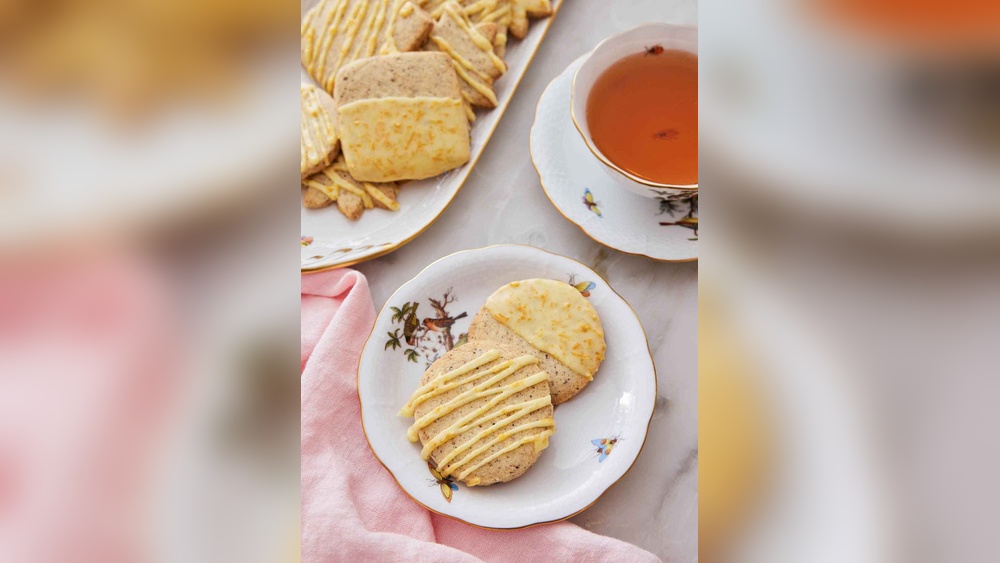
Butter cookies and tea biscuits are two classic favorites found in homes, cafes, and bakeries around the world. While they may look similar at first glance, they offer different flavors, textures, and traditions. If you ever wondered why your buttery Danish cookies melt in your mouth, but the tea biscuits you dunk in your morning tea stay crisp, this article will help you understand the real differences.
We’ll explore how each is made, how they taste, their histories, and which one suits different occasions. Whether you’re choosing treats for a party or just want a snack with your tea, knowing these details can turn a simple choice into a satisfying decision.
What Are Butter Cookies?
Butter cookies are a classic treat known for their rich flavor and delicate texture. The main ingredients are butter, sugar, and flour. These cookies are often associated with Danish baking, especially the famous blue tin cookies found during the holidays.
The high amount of butter gives these cookies a melt-in-your-mouth feel. They are usually baked until golden but not too hard. Their shapes can vary: round, pretzel, or even piped into fancy swirls. The dough is often chilled before baking to keep the cookies crisp and prevent spreading.
Origins And Cultural Significance
Butter cookies have roots in Scandinavian countries, especially Denmark. Danish butter cookies became popular worldwide in the 20th century, thanks to mass production and export. The blue tin became a symbol of quality and tradition, often gifted during Christmas.
In the US, butter cookies are served at parties, weddings, and as everyday snacks. Their popularity is due to their simple ingredients and universal appeal.
Typical Ingredients And Nutrition
A basic butter cookie recipe includes:
- 1 cup unsalted butter
- 3/4 cup sugar
- 2 cups all-purpose flour
- 1/2 teaspoon vanilla extract
- Pinch of salt
These cookies are high in fat and calories because of the butter. A single butter cookie (about 10g) can have 50-60 calories, mostly from fat and carbohydrates.
What Are Tea Biscuits?
Tea biscuits are crisp, light, and less sweet than butter cookies. They are made to pair with tea or coffee, without overpowering the drink. The main ingredients are flour, sugar, fat (but often less butter), and leavening agents like baking powder.
Tea biscuits are usually rolled thin and cut into rectangles or circles. Their texture is drier and more crumbly. These biscuits are often enjoyed by dunking in tea, which softens them without making them soggy.
Historical Background
Tea biscuits have a long history in British and European baking. In England, they became popular during the Victorian era, when afternoon tea became a fashionable social event. The biscuit was designed to complement tea, not steal its spotlight.
They are still a staple in British homes, often served with black tea and sometimes with butter or jam.
Common Ingredients And Nutrition
A standard tea biscuit recipe includes:
- 2 cups all-purpose flour
- 1/4 cup sugar
- 1/4 cup unsalted butter or vegetable shortening
- 1 tablespoon baking powder
- 1/2 cup milk
- Pinch of salt
Tea biscuits are lower in fat than butter cookies. One tea biscuit (about 10g) contains 35-45 calories, with less fat and sugar.

Credit: www.amazon.com
Texture, Taste, And Appearance
Understanding the sensory differences helps you choose the right treat. Here’s how butter cookies and tea biscuits compare:
| Feature | Butter Cookies | Tea Biscuits |
|---|---|---|
| Texture | Rich, soft, crumbly | Crisp, dry, snappy |
| Taste | Sweet, buttery, mild vanilla | Lightly sweet, mild, neutral |
| Appearance | Golden, shaped or piped | Pale, flat, round/rectangular |
| Smell | Rich butter aroma | Faint, floury |
How They Are Made
The making process of butter cookies and tea biscuits shows why they turn out so different.
Butter Cookie Preparation
- Cream the butter and sugar until light and fluffy.
- Add vanilla and salt; mix well.
- Blend in flour slowly, forming a soft dough.
- Chill the dough for 30–60 minutes.
- Shape or pipe onto a baking sheet.
- Bake at 350°F (175°C) for 10–12 minutes, until golden at the edges.
Chilling is key. It prevents excess spreading and keeps the cookies crisp.
Tea Biscuit Preparation
- Combine dry ingredients: Flour, sugar, baking powder, salt.
- Cut in butter or shortening until the mixture resembles crumbs.
- Add milk, mixing gently to form a dough.
- Roll out dough thinly.
- Cut into shapes (rounds or rectangles).
- Bake at 375°F (190°C) for 10–15 minutes, until just pale golden.
No chilling is needed. The dough is handled quickly to keep the biscuits light.
Nutritional Comparison
If you are watching your diet, the differences are important. Here’s a simple nutritional comparison for a typical serving (3 cookies/biscuits):
| Nutrient | Butter Cookies | Tea Biscuits |
|---|---|---|
| Calories | 150–180 | 105–130 |
| Fat (g) | 9–12 | 3–5 |
| Sugar (g) | 10–13 | 6–8 |
| Protein (g) | 2–3 | 2–3 |
Butter cookies are richer and heavier, while tea biscuits are lighter and less sweet.
Serving And Pairing
How you eat butter cookies and tea biscuits can be very different.
Butter Cookies
- Served alone, with coffee or milk
- Good for dessert platters
- Ideal for gifting, especially during holidays
- Sometimes dipped in chocolate or sprinkled with sugar
Tea Biscuits
- Served with hot tea or coffee
- Often paired with jam, butter, or clotted cream
- Ideal for afternoon tea settings
- Used for dunking, as they hold shape when dipped
If you plan a tea party, tea biscuits are traditional. For festive events, butter cookies add a touch of richness.
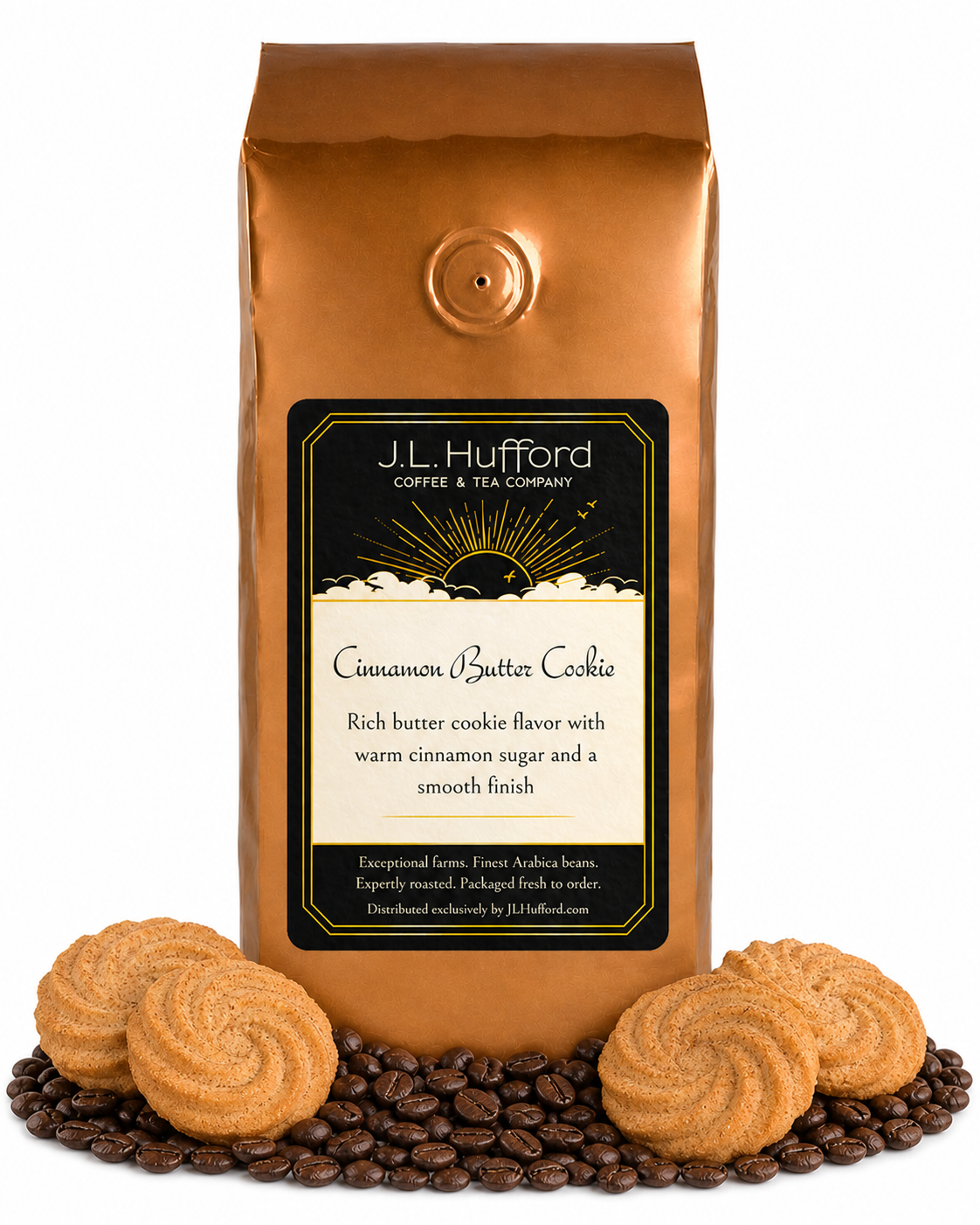
Credit: www.jlhufford.com
Variations And Regional Styles
Both cookies and biscuits have many regional twists. Exploring these can add depth to your understanding.
Butter Cookie Variations
- Danish Butter Cookies: Swirled, piped, in tins
- Shortbread (Scotland): Thicker, crumbly, pure butter
- German Spritz Cookies: Shaped with cookie press, sometimes chocolate-dipped
Tea Biscuit Variations
- Digestive Biscuits (UK): Whole wheat, slightly sweet
- Marie Biscuits (Europe): Thin, lightly sweet, often used in recipes
- Rich Tea Biscuits: Very mild, often used in British tea culture
Some countries use the word “biscuit” for what Americans call “cookie. ” In the UK, “biscuit” means a crisp, dry snack, not a soft bread roll.
Buying Guide: Choosing The Right Treat
When buying butter cookies or tea biscuits, consider these factors:
- Flavor Preference: If you like rich, buttery taste, go for butter cookies. For lighter, neutral flavor, choose tea biscuits.
- Texture: Butter cookies are soft and crumbly; tea biscuits are crisp and dry.
- Dietary Needs: Tea biscuits usually have less fat and sugar.
- Occasion: Butter cookies suit celebrations; tea biscuits fit casual tea breaks.
- Ingredients: Check for real butter in butter cookies. Tea biscuits may use vegetable oils.
- Shelf Life: Tea biscuits often last longer due to lower fat content.
A common mistake is assuming both are interchangeable. Their flavors and textures are quite different, so match them to your needs.
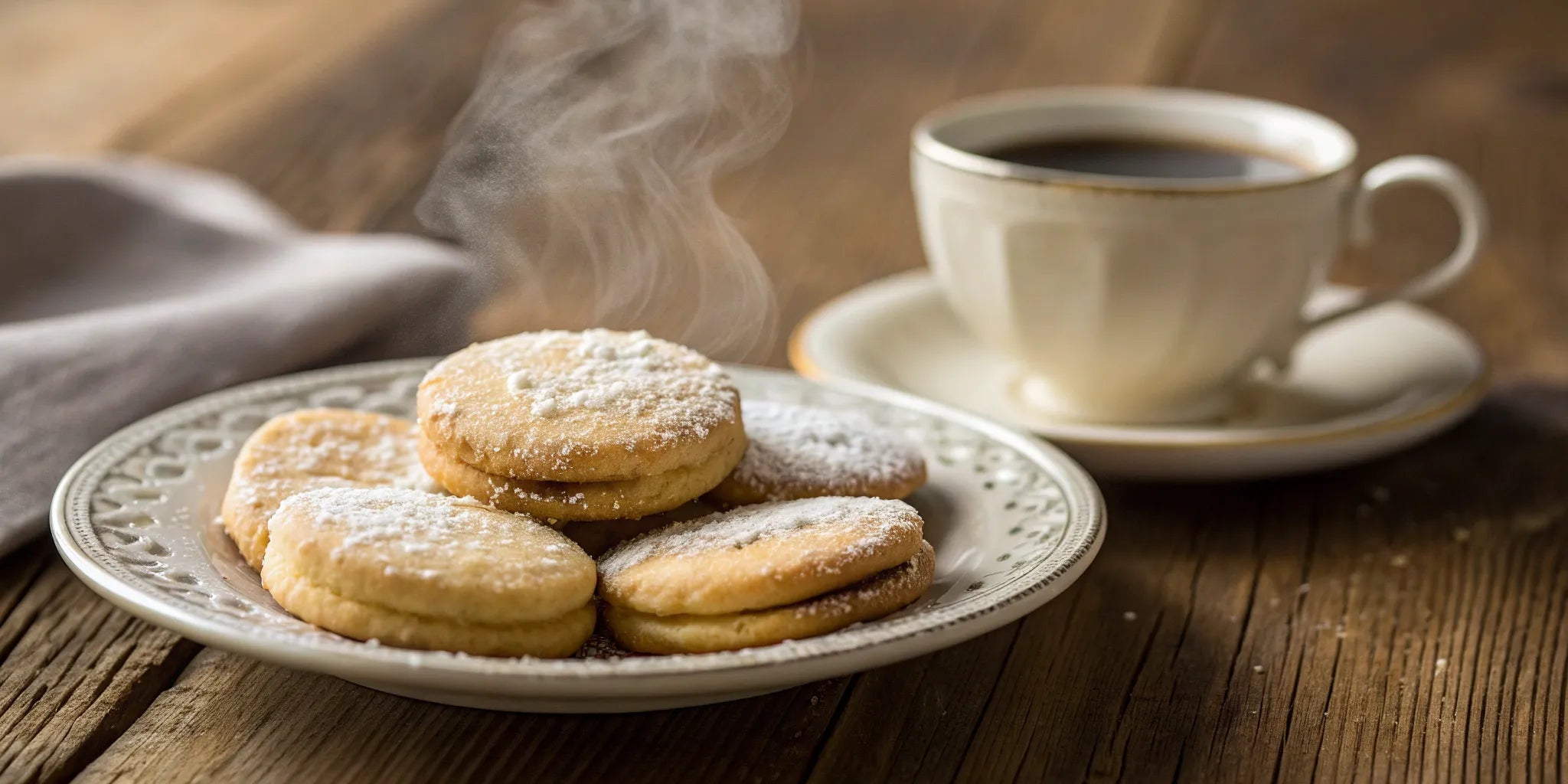
Credit: mollybz.com
Homemade Or Store-bought?
Both butter cookies and tea biscuits can be homemade or bought in stores. Homemade versions often taste fresher and allow you to control ingredients. Store-bought cookies are convenient and can have a longer shelf life.
If making at home, use real unsalted butter for butter cookies and avoid overmixing tea biscuit dough to keep them light.
Store-bought brands to try:
- Butter Cookies: Royal Dansk, Walkers, Pepperidge Farm
- Tea Biscuits: McVitie’s, LU, Parle
Check labels for quality ingredients. Avoid brands that use artificial flavors and preservatives if you want authentic taste.
Fun Facts And Surprising Differences
Here are a few insights many beginners miss:
- Butter cookies often use European-style butter (higher fat content), which makes them richer.
- Tea biscuits are sometimes used in recipes, like icebox cakes or layered desserts, because they soak up liquid without falling apart.
- Butter cookies can be shaped and decorated, making them popular for special occasions, while tea biscuits are rarely decorated.
- In some cultures, tea biscuits are considered a daily staple, not a treat.
Which Is Healthier?
If health is your priority, tea biscuits are generally the better choice. Their lower fat and sugar make them suitable for regular snacking. Butter cookies are richer and best enjoyed in moderation.
However, portion size matters. Eating many tea biscuits can still add up in calories, especially if paired with sweet spreads.
For a healthy twist, look for whole-grain tea biscuits or try adding nuts to butter cookies for extra nutrition.
Environmental And Ethical Considerations
Many mass-produced butter cookies use palm oil instead of butter. Palm oil farming can have environmental impacts. Check for sustainable sources or buy from companies that use real butter.
Tea biscuits often use wheat flour and vegetable oils. If you have allergies, always check the ingredient list. Some brands are certified for fair trade and sustainable practices.
For more details on sustainable food choices, check RSPO, the official site for sustainable palm oil.
Frequently Asked Questions On Butter Cookies Vs Tea Biscuits
What Is The Main Difference Between Butter Cookies And Tea Biscuits?
The main difference is the fat content and texture. Butter cookies use more butter, making them rich and crumbly, while tea biscuits have less fat and are crisp and dry.
Can Butter Cookies Be Used For Dunking In Tea?
Butter cookies can be dunked, but they often break or become soggy quickly. Tea biscuits are designed to hold their shape when dunked.
Are Tea Biscuits Healthier Than Butter Cookies?
Tea biscuits are usually lower in fat and sugar, making them a lighter choice. Butter cookies are richer and best for occasional treats.
Do Butter Cookies And Tea Biscuits Contain Eggs?
Most traditional butter cookies do not contain eggs, but some recipes add them for texture. Tea biscuits rarely contain eggs, especially classic British versions.
Which Lasts Longer: Butter Cookies Or Tea Biscuits?
Tea biscuits tend to last longer because they have less fat and moisture. Butter cookies can go stale faster due to their higher butter content.
Butter cookies and tea biscuits both have their place in the world of snacks. Whether you prefer the rich, buttery melt of a Danish cookie or the crisp, light bite of a tea biscuit, knowing the differences can help you make better choices for your taste, health, and occasion.
Explore both, and enjoy the variety they bring to your table.
Disclosure: As an Amazon Associate, I may earn from qualifying purchases at no extra cost to you. Amazon and the Amazon logo are trademarks of Amazon.com, Inc, or its affiliates.
