
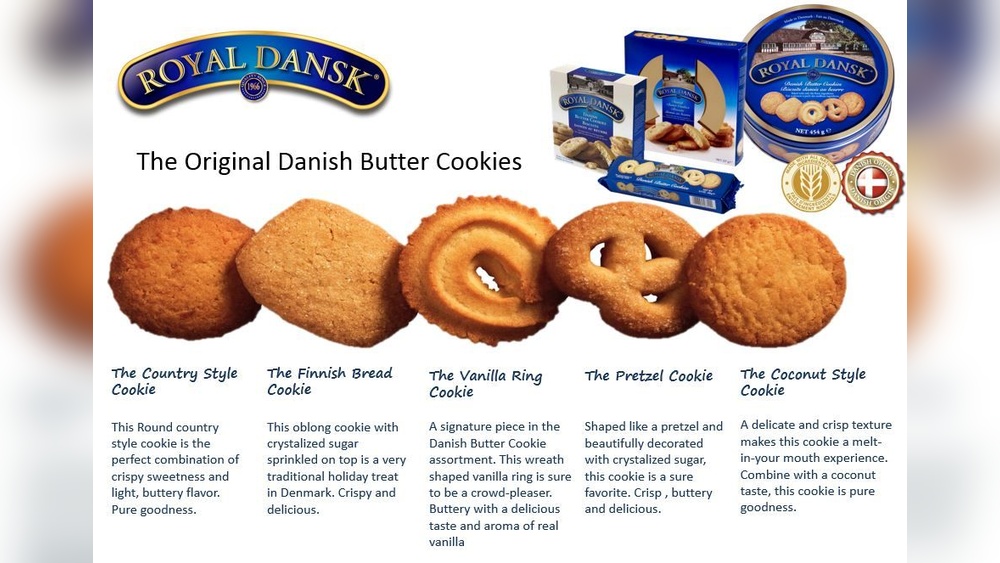
Butter cookies and Danish cookies are popular treats found in homes, bakeries, and supermarkets around the world. They often come in decorative tins, especially during holidays, and both types are known for their rich, buttery taste and crumbly texture. However, while people sometimes use these names interchangeably, there are key differences between butter cookies and Danish cookies.
If you’ve ever wondered what sets them apart, this article will help you understand their unique qualities, history, and how to choose the right cookie for any occasion.
The Origins Of Butter Cookies
Butter cookies have a simple, classic history. Their roots can be traced back to European baking, especially in countries like Scotland and Germany. The main ingredients — butter, flour, and sugar — are combined to create a dough that bakes into crisp, golden cookies. Early recipes were made in home kitchens using basic tools and ingredients, making butter cookies a favorite for everyday treats and special occasions.
Over time, butter cookies became popular worldwide, thanks to their easy recipe and delicious flavor. They are often shaped into rounds, bars, or pressed with cookie cutters, making them versatile for different celebrations. In many cultures, butter cookies are given as gifts, served at tea time, or enjoyed as a simple snack.
Danish Cookies: A Scandinavian Tradition
Danish cookies, sometimes called Danish butter cookies, have a more specific origin: Denmark. They began as a regional specialty but grew into a global brand, especially after the rise of companies like Royal Dansk in the 1960s. Danish cookies are known for their distinctive shapes — pretzel, ring, or swirl — and for being sold in iconic blue tins.
The Danish approach to cookie-making is rooted in tradition. Bakers use high-quality butter, and often add vanilla or almond extracts to enhance flavor. The dough is sometimes piped, which gives Danish cookies their unique appearance. While Danish cookies are technically a type of butter cookie, they have their own identity due to their specific recipes, shapes, and branding.
Ingredients: What Makes Them Different?
Both butter cookies and Danish cookies use similar core ingredients, but there are subtle differences in their recipes.
| Ingredient | Butter Cookies | Danish Cookies |
|---|---|---|
| Butter | Unsalted or salted | Always unsalted, high-quality |
| Flour | All-purpose | All-purpose |
| Sugar | Granulated | Granulated (sometimes powdered) |
| Eggs | Optional | Rarely used |
| Flavorings | Vanilla, lemon, almond | Vanilla, almond (more common) |
| Salt | Optional | Optional |
Danish cookies usually have a higher butter content and a smoother texture. Some recipes skip eggs entirely, which leads to their delicate crumb. Butter cookies may include eggs for a slightly richer, softer bite.
Shapes And Presentation
The shapes of these cookies are one of the easiest ways to tell them apart. Butter cookies are often simple, round, or pressed into basic shapes. Danish cookies, on the other hand, feature distinctive forms that make them stand out.
| Cookie Type | Common Shapes | Presentation |
|---|---|---|
| Butter Cookies | Rounds, bars, cut-outs | Loose, in boxes or bags |
| Danish Cookies | Pretzel, ring, swirl, rectangle | Stacked in tins, separated by paper |
Danish cookie tins are famous for their neat arrangement. Each cookie sits in a paper cup, keeping them fresh and preventing breakage. Butter cookies are usually more rustic, sometimes packed together in bags or boxes.
Taste And Texture: What To Expect
When you bite into a butter cookie, you get a crisp, buttery flavor with a hint of sweetness. The texture can be sandy or crumbly, depending on the recipe. Some butter cookies melt in your mouth, while others have a slight snap.
Danish cookies are known for their rich, buttery taste and delicate crunch. The use of high-quality butter gives them a smooth, creamy flavor. Many Danish cookies have a lighter texture, almost airy, because of the whipped dough and absence of eggs.
A surprising detail: Danish cookies often have a subtle vanilla or almond aroma, which sets them apart from plain butter cookies. If you enjoy a more complex flavor, Danish cookies may appeal to you.
Baking Methods And Techniques
Butter cookies can be baked in several ways. Home bakers often roll the dough and cut shapes, or drop spoonfuls onto baking sheets. Some recipes call for chilling the dough, which makes it easier to handle and creates a crisper cookie.
Danish cookies use piping bags for their signature shapes. The dough is soft but firm enough to hold detailed patterns. Special star or swirl tips are used to create the classic ring or pretzel designs. Danish cookies are baked at moderate temperatures, which helps keep their color light and their texture tender.
A tip many beginners miss: The butter must be softened but not melted. If the butter is too warm, cookies will spread too much and lose their shape. For Danish cookies, chilling piped dough before baking helps keep the designs sharp.
Packaging And Shelf Life
Butter cookies are usually sold in bags, boxes, or simple containers. They last about 1-2 weeks at room temperature, but homemade versions can go stale faster due to fewer preservatives.
Danish cookies are famous for their decorative tins. The tins aren’t just for looks — they keep cookies fresh for months. The airtight seal prevents moisture and protects the delicate shapes. Some tins are so well made that people reuse them for storage.
A non-obvious insight: Danish cookie tins have become collectible items. Many families keep them for years, using them to hold sewing supplies, tea bags, or small household items.
Nutritional Comparison
Both cookies are indulgent, but their nutrition profiles have small differences. Here’s a quick comparison:
| Per 1 cookie (approx.) | Butter Cookie | Danish Cookie |
|---|---|---|
| Calories | 55-60 | 60-65 |
| Fat (g) | 3.5-4 | 4-4.5 |
| Sugar (g) | 2-3 | 2.5-3 |
| Protein (g) | 0.5-0.7 | 0.4-0.6 |
Danish cookies have slightly more calories and fat, mainly due to their higher butter content. Neither type is a diet food, but both can be enjoyed in moderation.

Credit: www.reddit.com
Popular Brands And Market Presence
Butter cookies are made by many bakeries and brands worldwide. Famous names include Walkers Shortbread (Scotland), Keebler (USA), and local artisan bakeries.
Danish cookies, especially those in blue tins, are usually made by Royal Dansk and Kjeldsens. These brands have a strong presence in Asia, Europe, and North America. Royal Dansk alone sells millions of tins each year, making Danish cookies one of Denmark’s biggest food exports.
According to a market report, Danish butter cookies contribute over $500 million annually to Denmark’s economy. Their export success is tied to their branding and packaging.
How To Choose: Butter Or Danish?
If you’re shopping for cookies, consider these points:
- Flavor preference: Butter cookies are simple and classic. Danish cookies have richer, more complex notes.
- Presentation: Danish cookies are ideal for gifting due to their tins and neat shapes. Butter cookies are more casual.
- Texture: Danish cookies are lighter and crispier. Butter cookies may be more crumbly.
- Ingredients: If you have allergies, check for eggs in butter cookies. Danish cookies rarely use them.
- Occasion: Danish cookies fit formal events or holidays. Butter cookies are great for everyday snacks.
Baking At Home: Practical Tips
Want to try baking these cookies yourself? Here are practical tips:
- Use high-quality, unsalted butter for both types.
- Chill dough before shaping or piping.
- For Danish cookies, use a piping bag with a star tip for authentic shapes.
- Avoid overbaking; cookies should be pale golden, not brown.
- Store in airtight containers for freshness.
A common mistake: Using margarine instead of butter. Margarine changes the flavor and texture, making cookies less rich.
Cultural Significance
Butter cookies are part of many European traditions. They appear during holidays, weddings, and family gatherings. In Scotland, shortbread (a type of butter cookie) is given at New Year’s as a symbol of prosperity.
Danish cookies, especially those in blue tins, have become a global icon. They are often exchanged during Christmas and Lunar New Year in Asian countries. The tin itself is sometimes more prized than the cookies inside.

Credit: www.royal-dansk.com
Environmental And Ethical Considerations
The butter used in these cookies comes from dairy farms. Some brands use sustainably sourced butter to reduce environmental impact. If you care about ethical choices, look for cookies made with organic or grass-fed butter.
Danish cookie brands often highlight their use of local Danish butter, which supports regional farmers. Butter cookies from smaller bakeries may use local ingredients, reducing transportation emissions.
The Verdict: Which Is Better?
There’s no clear winner between butter cookies and Danish cookies. It depends on your taste, the occasion, and even nostalgia. Danish cookies are perfect for gifting and formal events, while butter cookies suit casual snacks and home baking.
If you enjoy delicate, piped shapes and rich, buttery flavor, Danish cookies are a great choice. If you prefer simple, crumbly cookies with a classic taste, butter cookies may be more appealing.
For more in-depth information about Danish cookies, visit the Wikipedia page on Danish butter cookies.

Credit: www.amazon.com
FAQs About Butter Cookies vs Danish Cookies
What Is The Main Difference Between Butter Cookies And Danish Cookies?
The main difference is their origin and recipe. Butter cookies are a broad category found in many countries, while Danish cookies come from Denmark and have unique shapes and higher butter content. Danish cookies are often piped and sold in tins.
Are Danish Cookies Healthier Than Butter Cookies?
Both are high-calorie treats due to their butter and sugar content. Danish cookies may have slightly more calories and fat, but the difference is small. Neither cookie is considered healthy; enjoy them in moderation.
Can I Make Danish Cookies At Home?
Yes, you can make Danish cookies at home. You need unsalted butter, flour, sugar, and vanilla. Use a piping bag with a star tip for authentic shapes, and chill the dough before baking.
Why Are Danish Cookies Usually Sold In Tins?
Danish cookies are sold in tins to protect their delicate shapes and keep them fresh. The tins also help with branding and make them popular for gifting.
Are Butter Cookies And Shortbread The Same?
Butter cookies and shortbread are similar, but not exactly the same. Shortbread has a higher butter-to-flour ratio and is denser. Butter cookies are lighter and sometimes include eggs or flavorings.
Butter cookies and Danish cookies each have their own charm, flavor, and history. Whether you prefer the rustic simplicity of butter cookies or the elegance of Danish cookies, both are delicious choices that bring joy to any occasion.
Disclosure: As an Amazon Associate, I may earn from qualifying purchases at no extra cost to you. Amazon and the Amazon logo are trademarks of Amazon.com, Inc, or its affiliates.
