
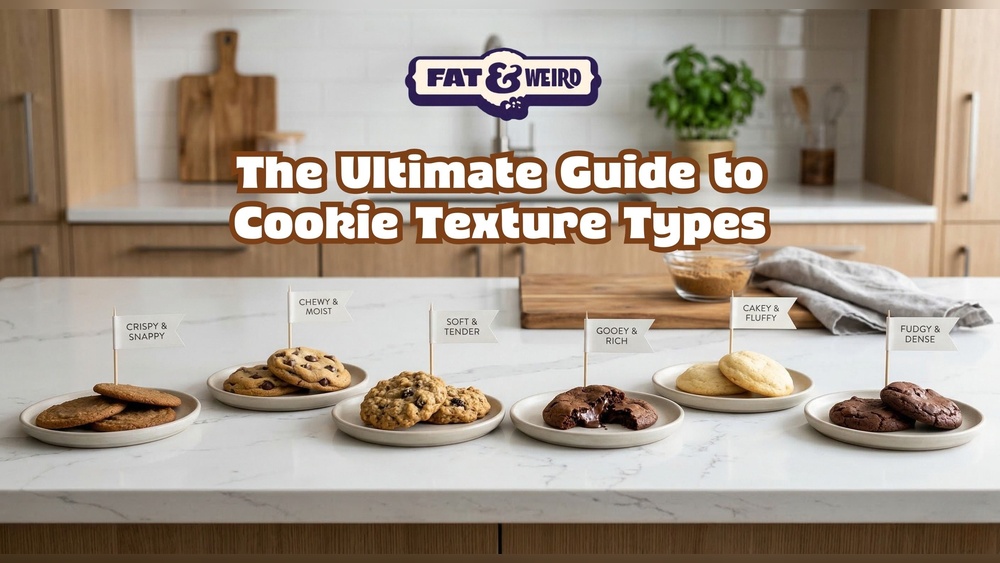
When you think of shortbread cookies, what comes to mind first? For some, it’s the delicate snap and light crunch of a perfectly baked biscuit. For others, it’s that melt-in-your-mouth, almost fudgy texture that lingers with every bite. Shortbread cookies have a long and delicious history, dating back to 12th-century Scotland, and their popularity has only grown around the world. But there’s a friendly debate in many kitchens: are crispy or chewy shortbread cookies better?
This guide breaks down the differences, highlights what makes each type unique, and offers practical tips to help you master both styles.
Exclusive Amazon Early Sales & Discounts!
Save big with limited-time price drops across top-rated kitchen essentials, tools, auto parts, and accessories on Amazon.
⚡ Shop Prime Big Deal DaysWhat Defines A Shortbread Cookie?
Shortbread is a simple cookie made from three main ingredients: butter, sugar, and flour. The magic lies in how these ingredients are mixed, the proportions used, and how the dough is treated. Unlike other cookies, shortbread usually has no eggs or leavening agents (like baking powder or baking soda). This gives shortbread its dense, rich texture and buttery flavor.
But not all shortbread is the same. Two main textures dominate the scene:
- Crispy shortbread: Firm, snappy, and crumbly. Often has a sandy, delicate crunch.
- Chewy shortbread: Soft in the center, with a slight bend and a moist, tender bite.
Both types rely on a careful balance of ingredients and technique. Understanding what sets them apart is key if you want to bake your favorite kind at home.
Ingredient Differences: Crispy Vs Chewy
Let’s break down how the main ingredients change the final cookie.
| Ingredient | Crispy Shortbread | Chewy Shortbread |
|---|---|---|
| Butter | High amount, cold | High amount, often softened |
| Sugar | White granulated sugar | Powdered or brown sugar |
| Flour | All-purpose, sometimes with cornstarch | All-purpose, sometimes cake flour |
| Liquid (milk/cream) | Rarely used | May add a small amount |
| Eggs | Never | Sometimes one yolk for chewiness |
Butter is the star in both versions. But for crispy cookies, bakers often use cold butter and work quickly to avoid melting. For chewy cookies, using softened butter or even a touch of oil helps create a softer bite.
Sugar type makes a big difference. White sugar leads to more crispness, while powdered sugar or brown sugar holds moisture, making cookies softer and chewier.
Adding cornstarch to flour creates a more delicate, sandy texture—ideal for crispy shortbread. Cake flour also produces a tender bite, but can make the cookie chewier if used in the wrong ratio.
Baking Techniques: The Secret To Texture
How you mix, shape, and bake shortbread is just as important as what goes in.
For Crispy Shortbread
- Cold Ingredients: Use cold butter and avoid overmixing. This keeps the dough crumbly.
- Rolling and Cutting: Roll dough thin (about 1/4 inch) and cut into shapes. Thin dough means more surface area to crisp up.
- Low and Slow Baking: Bake at a lower temperature (about 300–325°F) for a longer time. This dries the cookie without browning too fast.
- No Eggs: Eggs add moisture, which makes cookies chewy, so leave them out.
For Chewy Shortbread
- Softened Butter: Cream butter and sugar until light, which adds air and tenderness.
- Thicker Dough: Pat dough out thicker (about 1/2 inch) or make drop-style cookies.
- Shorter Baking Time: Bake at a slightly higher temperature (325–350°F), but for less time. This keeps the center soft.
- Moisture-Rich Ingredients: Use brown sugar, powdered sugar, or a splash of cream. Even an egg yolk can help.
| Technique | Effect on Cookie | Best For |
|---|---|---|
| Low temp, long bake | Dries out, makes crispy | Crispy shortbread |
| High temp, short bake | Keeps center soft | Chewy shortbread |
| Chilling dough | Less spread, crumblier | Crispy |
| No chilling | More spread, softer | Chewy |
One thing beginners often miss: oven accuracy matters. A few degrees difference can turn a chewy cookie crisp, or vice versa. Use an oven thermometer if you want consistent results.
Flavor And Texture: What To Expect
Crispy Shortbread
- Texture: Light, sandy, and fragile. Snaps easily when broken.
- Flavor: Strong butter flavor, sometimes with a hint of salt. The crispness lets flavors shine.
- Appearance: Pale golden, often with sharp edges and sometimes a dusting of sugar.
Chewy Shortbread
- Texture: Soft, slightly bendy, and moist in the center. May crumble less when bitten.
- Flavor: Buttery, with deeper notes if brown sugar is used. Sometimes richer due to added yolk or cream.
- Appearance: Thicker, with rounded edges. Surface may crack slightly.
Non-obvious insight: Humidity affects texture. On damp days, crispy cookies may soften. Store them in airtight containers with a silica packet or dry rice to keep them crisp.
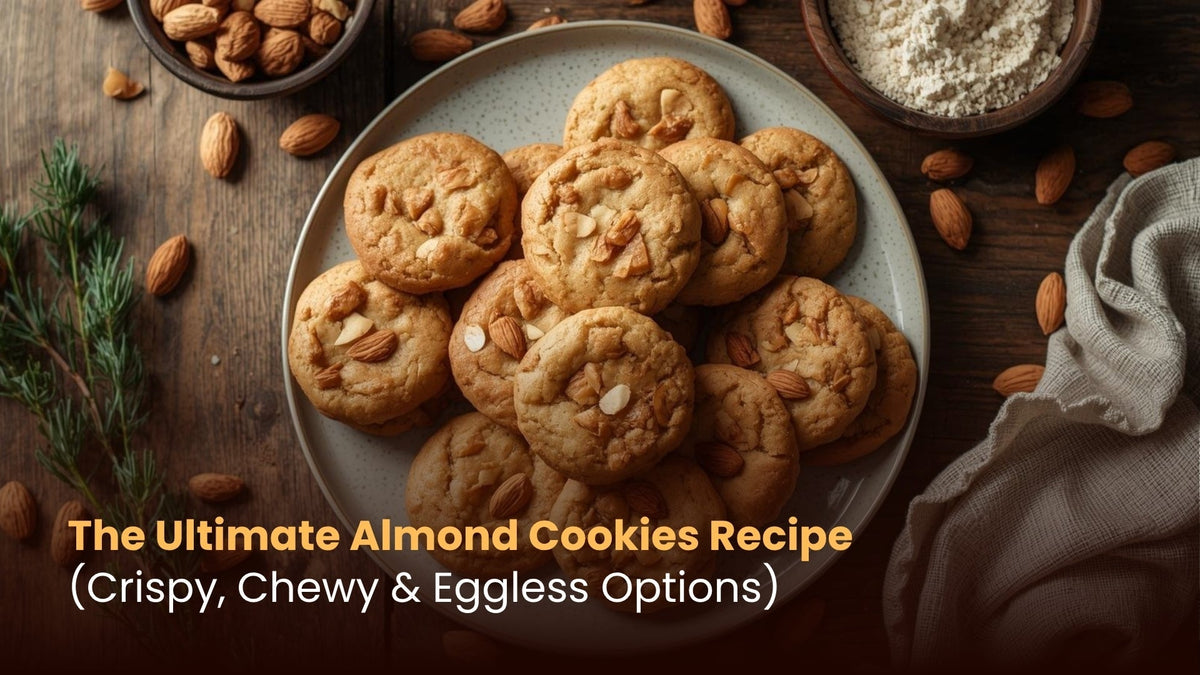
Credit: krishival.com
Classic Recipes: Side-by-side
Here’s how two classic shortbread recipes compare. Both make about 24 cookies.
Crispy Shortbread Cookies
- 1 cup (2 sticks) cold unsalted butter
- 2 cups all-purpose flour
- 1/2 cup granulated sugar
- 1/4 cup cornstarch
- 1/2 teaspoon salt
Instructions:
- Preheat oven to 325°F (163°C).
- In a bowl, whisk flour, cornstarch, and salt.
- Cut cold butter into chunks and work into dry ingredients using a pastry cutter or fingertips until mixture resembles breadcrumbs.
- Add sugar and mix gently.
- Press dough together, but do not overwork.
- Roll to 1/4 inch thick, cut shapes.
- Place on parchment-lined baking sheet.
- Bake 18–22 minutes, until just barely golden at edges.
- Cool completely before storing.
Chewy Shortbread Cookies
- 1 cup (2 sticks) softened unsalted butter
- 2 cups all-purpose flour (or 1 1/2 cups AP flour + 1/2 cup cake flour)
- 1/2 cup powdered sugar
- 1/4 cup brown sugar
- 1 large egg yolk
- 1/2 teaspoon salt
- 1 tablespoon heavy cream (optional)
Instructions:
- Preheat oven to 350°F (177°C).
- Cream butter, powdered sugar, and brown sugar until light.
- Beat in egg yolk and cream (if using).
- Mix in flour and salt until just combined.
- Pat dough into a 1/2-inch thick rectangle; chill for 30 minutes if sticky.
- Cut into bars or squares.
- Bake 12–14 minutes, until just set but not browned.
- Cool slightly before removing to wire rack.
Tip: For extra chewiness, underbake slightly and let the cookies finish setting as they cool.
Nutritional And Shelf Life Comparison
Let’s look at how each type stacks up for nutrition and storage.
| Type | Calories (per cookie) | Fat (g) | Sugar (g) | Shelf Life |
|---|---|---|---|---|
| Crispy | 85 | 5.5 | 3.5 | 2–3 weeks (airtight) |
| Chewy | 95 | 6 | 4 | 5–7 days (airtight) |
Crispy cookies last longer due to lower moisture. Chewy cookies have a shorter shelf life but can be frozen.
Pros And Cons: Which Should You Choose?
Both styles have their fans and best uses.
Crispy Shortbread
Pros:
- Longer shelf life
- Easy to ship or gift
- Classic flavor
Cons:
- Can feel dry to some
- May crumble easily
Chewy Shortbread
Pros:
- Soft, indulgent mouthfeel
- Stays moist
- Pairs well with chocolate or fillings
Cons:
- Shorter shelf life
- May become too soft in humid climates
Non-obvious insight: Serving style matters. Crispy shortbread is great for dunking in tea. Chewy shortbread is perfect as a base for bars or with add-ins like dried fruit or nuts.
Common Mistakes And How To Avoid Them
- Overmixing the dough: Leads to tough cookies. Mix just until ingredients come together.
- Wrong oven temperature: Too high dries out chewy cookies, too low makes crispy cookies soggy.
- Not chilling the dough (when needed): Soft dough spreads too much, especially for crispy shortbread.
- Storing together: Never store crispy and chewy cookies in the same container. Moisture from chewy cookies will soften the crispy ones.
- Skipping the salt: Even a pinch enhances the buttery flavor.
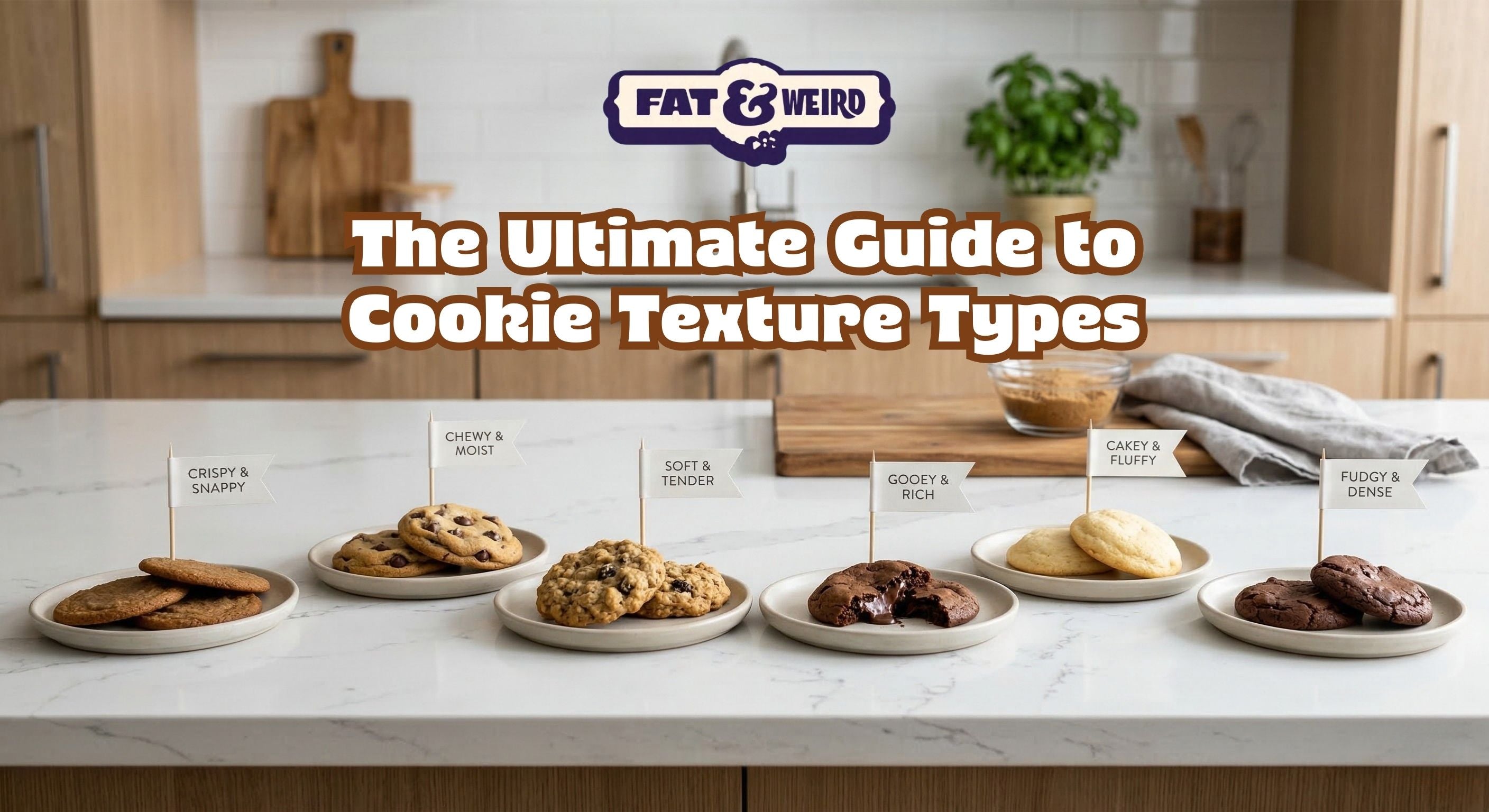
Credit: www.fatandweirdcookie.com
When To Bake Each Type
- Crispy shortbread is ideal for holiday tins, gifts, and as a simple tea-time treat.
- Chewy shortbread works well for dessert platters, or when you want a more decadent cookie.
If you’re baking for a crowd, consider making both types. Offer a variety so everyone finds a favorite.
Expert Tips For Perfect Shortbread
- Use the best butter you can find. The flavor comes through in every bite.
- For a more intense flavor, try browning the butter for chewy shortbread.
- Add-ins like citrus zest or chopped nuts work better in chewy cookies, as they won’t fall out as easily.
- Dust crispy cookies with sugar before baking for extra crunch.
- Let cookies cool completely before storing to prevent sogginess.

Credit: recipestreets.com
Frequently Asked Questions
What Makes Shortbread Cookies Crispy?
Crispy shortbread comes from using cold butter, white sugar, and a low, slow bake. Keeping moisture low and rolling cookies thin also helps.
How Can I Make Chewy Shortbread Cookies?
Use softened butter, brown or powdered sugar, and sometimes a bit of egg yolk or cream. Bake at a slightly higher temperature and keep the cookies thicker.
Can I Freeze Shortbread Cookies?
Yes, both types freeze well. Wrap tightly and store for up to 2 months. Thaw at room temperature for best texture.
Why Did My Shortbread Cookies Turn Out Dry?
Overbaking or using too much flour can dry cookies. Watch bake time closely and measure flour by weight if possible.
Are Shortbread Cookies Gluten-free?
Traditional shortbread is not gluten-free. However, you can use a gluten-free flour blend with good results. For tips and recipes, see King Arthur Baking.
Whether you love a crisp snap or a soft, chewy center, mastering the art of shortbread opens up a world of simple, satisfying baking. With the right technique and ingredients, you can create your perfect cookie every time. Happy baking!
Disclosure: As an Amazon Associate, I may earn from qualifying purchases at no extra cost to you. Amazon and the Amazon logo are trademarks of Amazon.com, Inc, or its affiliates.
