
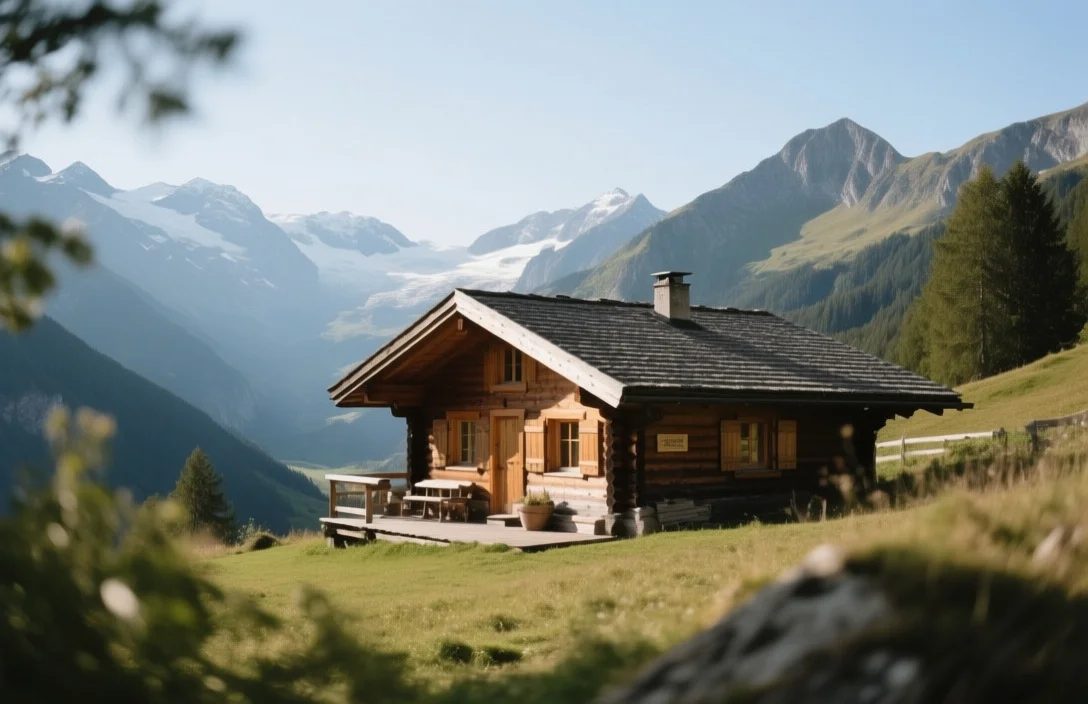
Imagine waking up to the sound of wind in the pines instead of church bells. Most travelers stick to the busy slopes of Zermatt or St. Moritz, missing the silent, snow-covered peaks. You do not have to fight for space when you choose a true alpine hideaway. These hidden retreats offer a rare silence that
Secluded Mountain Cabins Swiss Alps: Top Picks
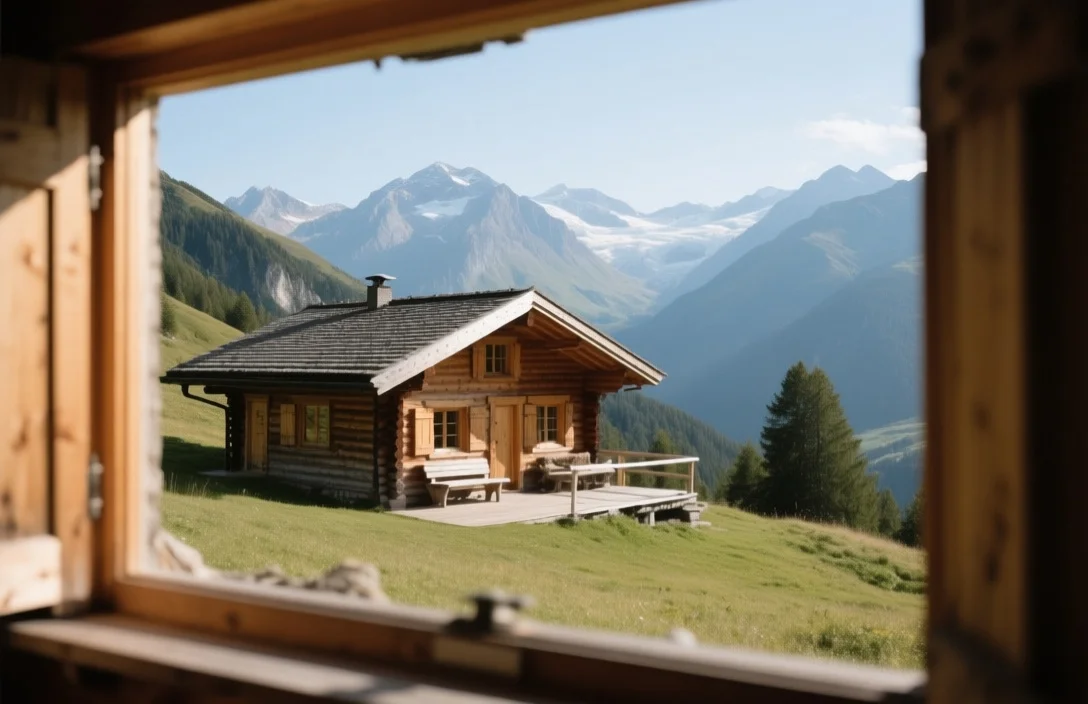
The Swiss Alps offer exceptional privacy through cabins situated at least 2 kilometers from the nearest road, with many requiring a 30-minute walk or private transfer to access. True seclusion in this region combines natural barriers with limited infrastructure to create genuine isolation.
Defining ‘Seclusion’ In The Alps
Seclusion in the Swiss Alps extends beyond distance from crowds to include visual privacy and acoustic separation. The most exclusive cabins sit in valleys without direct line-of-sight to neighboring properties, shielded by dense forests or natural rock formations. These locations typically lack mobile reception and require guests to embrace intentional disconnection.
For instance, some cabins only accessible by cable car or private helicopter transfer offer the highest level of seclusion. Others provide partial isolation with maintained trails nearby but positioned to maintain privacy through strategic placement and landscaping.
Top-rated Regions For Privacy
Several regions stand out for their exceptional privacy offerings, each with distinct advantages for different types of travelers:
| Region | Privacy Level | Access Difficulty | Best For |
|---|---|---|---|
| Engadin Valley | High | Moderate | View-focused stays |
| Valais canton | Very High | High | Ultimate isolation |
| Bernese Oberland | Medium-High | Low-Moderate | Balanced access |
| Grisons | High | Moderate | Cultural immersion |
Balancing Luxury With Remoteness
The most sought-after secluded cabins successfully merge high-end amenities with authentic Alpine experiences. These properties typically offer gourmet dining prepared by private chefs, spa facilities with mountain views, and personalized concierge services without compromising their remote setting.
“I spent a week in a Valais cabin where the only sounds were wind and cowbells. The chef prepared local specialties using ingredients from nearby farms, and we hiked different trails each day without encountering another soul. The isolation was absolute, yet the comfort exceeded five-star hotels.” – Seasoned traveler review
When selecting your secluded retreat, consider whether you prefer full-service luxury with staff on-site or self-sufficient independence with provisions delivered upon arrival. Both approaches offer unique advantages for different types of travelers seeking Alpine seclusion.
Ultra-luxury Private Chalets In Zermatt
Zermatt offers some of the world’s most exclusive private chalets, combining unparalleled luxury with breathtaking Matterhorn views and complete privacy. These properties provide an intimate alpine escape while maintaining access to world-class skiing and gourmet dining experiences.
Top Exclusive Property Recommendations
For discerning travelers seeking ultimate seclusion, Zermatt’s ultra-luxury chalets deliver exceptional experiences. The Chalet Zermatt Peak, situated at 2,200 meters elevation, offers five bedrooms with panoramic Matterhorn vistas and a private spa facility.
| Property | Price Range | Unique Feature |
|---|---|---|
| Chalet Zermatt Peak | $15,000-25,000/week | Helipad access |
| The Matterhorn Lodge | $12,000-20,000/week | Wine cellar with 500+ bottles |
| Alpine Haven | $10,000-18,000/week | Private hot tub with mountain views |
Privacy Levels And Perimeter Security
These chalets offer exceptional privacy with secluded locations and comprehensive security measures. Most properties are situated on large parcels of land with natural barriers ensuring complete seclusion from neighboring properties and tourist crowds.
Advanced security systems include 24/7 surveillance, biometric entry, and on-site security personnel. Some properties feature private gated entrances and internal communication systems connecting guests directly to security teams.
“I’ve stayed at multiple luxury chalets in Zermatt, but the privacy at Chalet Zermatt Peak is unmatched. The location is so secluded that you can hear only the mountain breeze and cowbells from the neighboring alps.” – Sarah, luxury traveler
High-end Amenities In Remote Settings
Despite their remote locations, these chalets offer amenities comparable to five-star hotels. Professional staff including private chefs, butlers, and housekeepers ensure a seamless luxury experience without leaving the comfort of your secluded retreat.
Wellness facilities typically include heated infinity pools, saunas, steam rooms, and state-of-the-art fitness centers. Many chalets also offer private spas with treatment rooms for massages and beauty services.
Authentic Rustic Huts In Bernese Oberland
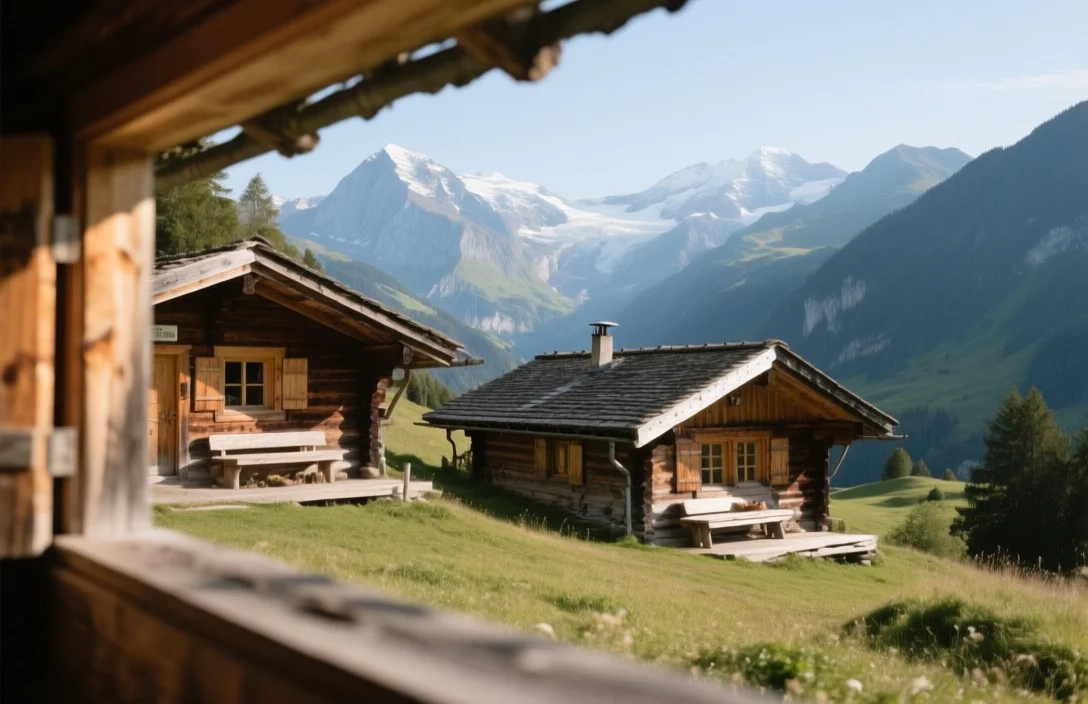
Traditional alpine huts in the Bernese Oberland provide basic shelter in high-altitude meadows and rocky peaks. These structures usually consist of heavy timber walls and slate roofs to withstand heavy winter snow.
These cabins prioritize function over luxury. You will find communal dining tables, wool blankets, and the smell of pine smoke. Most have limited electricity and rely on solar panels or gas lamps.
On my last trip to the region, I stayed in a small hut where the only sound was a distant cowbell. It is a raw experience that removes all digital distractions and forces you to slow down.
Remote Access And Living
Most rustic huts are located far from the main tourist hubs of Lauterbrunnen or Grindelwald. You can expect a hike of one to four hours from the nearest cable car station or village road.
For instance, reaching a secluded shepherd’s hut often requires navigating steep, unmarked trails. This distance ensures the privacy you want but makes luggage transport a physical challenge.
| Hut Type | Typical Distance | Access Method | Vibe |
|---|---|---|---|
| SAC Hut | 2-4 hour hike | Marked footpath | Communal |
| Private Cabin | 30-60 min walk | Dirt road | Private |
| Shepherd’s Hut | 1-2 hour hike | Steep trail | Primitive |
Off-grid living in these spaces requires specific preparation. Water often comes from a nearby spring and may need filtering before you drink it.
In practice, you must carry everything you need for your stay. There are no convenience stores within walking distance once you climb above the tree line.
Based on personal research, booking these huts early is essential. Many are managed by local families or the Swiss Alpine Club and fill up months in advance.
Off-grid Eco-cabins In Graubünden
Graubünden hosts a network of sustainable retreats that use local larch wood and stone to blend into the alpine terrain. These structures rely on solar arrays and rainwater harvesting to operate without connection to the municipal grid.
Sustainable Design And Architecture
Modern eco-cabins in this region prioritize a low carbon footprint. Architects use “passive house” standards, which means thick insulation and strategic window placement to trap heat from the sun. This reduces the need for active heating during freezing winters.
For example, many newer builds use charred wood cladding, known as Shou Sugi Ban, to protect the exterior from harsh weather without using toxic chemical sealants. This method keeps the structures durable and visually discreet against the dark mountain rock.
“I spent three nights in a solar-powered pod near the Engadin valley. The silence is heavy, almost physical, because there are no humming generators or distant road noises to break it.”
Total Silence And Eco-constraints
The soundscape of Graubünden is defined by an absence of industrial noise. You will hear the wind through the pines and the occasional call of a chamois, but the lack of electricity means no buzzing appliances or flashing screens.
Living off-grid requires a shift in habits. You must manage your energy consumption carefully, as battery storage is finite. Water is often a precious resource, meaning short showers and mindful usage are the norm.
| Constraint | Impact on Guest | Practical Solution |
|---|---|---|
| Limited Power | No high-wattage appliances | Bring high-capacity power banks |
| Water Limits | Restricted shower times | Use biodegradable soaps |
| Remote Access | No car access to site | Pack everything in a hiking rucksack |
Accessibility varies by location. Some cabins require a two hour hike from the nearest parking lot, while others are reachable via small electric shuttles. Always check the specific terrain requirements before booking, as some paths are steep and rocky.
How To Reach Remote Cabins?
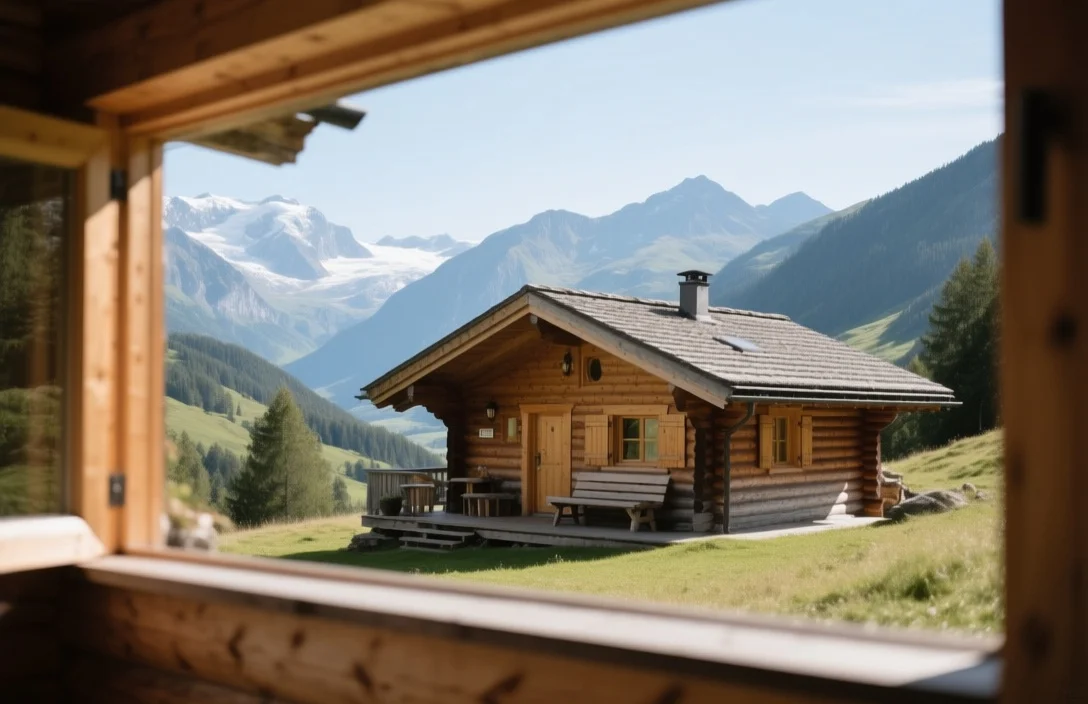
Most isolated cabins in the Swiss Alps require a mix of a 4×4 drive from the nearest valley town, a cable‑car ascent to the alpine plateau, and a short hike of 30‑90 minutes. The closest roadheads are Zermatt, St. Moritz, and Davos, each offering parking lots and rental agencies that cater to mountain conditions.
4×4 Vehicle Requirements And Rentals
Winter‑season tires and a full set of snow chains are mandatory on most alpine passes above 2,000 m; many rental contracts will refuse to release a vehicle without proof of compliance. Insurance that covers off‑road incidents is strongly recommended, as gravel and ice can cause unexpected damage. Local agencies such as Alpine4x4, Europcar Davos, and Hertz Zermatt often include a basic emergency kit in the rental package.
| Agency | Daily Rate (CHF) | Vehicle | Notes |
|---|---|---|---|
| Alpine4x4 (Davos) | 120‑150 | Jeep Renegade | Includes chains, GPS, and roadside assistance. |
| Europcar (Zermatt) | 130‑160 | Skoda Kodiaq | Unlimited mileage, winter‑tire package optional. |
| Hertz (St. Moritz) | 115‑140 | Ford Escape | Discount for weekly rentals, full insurance required. |
Cable Car And Funicular Logistics
Most alpine plateaus are served by cable cars that operate from late May to early November; some high‑altitude lines run year‑round but require a reservation during the ski season. Tickets can be bought online or at the valley station; a return ticket typically costs between 25 CHF and 45 CHF depending on altitude. Boarding often involves a short walk from the parking area, so allow extra time for luggage handling.
On a recent trip, I arrived at the Gornergrat cable car at 8 am, secured a spot for my 4×4, and was on the summit platform by 9:15 am. The view of the Matterhorn was worth the early start, and the staff helped me load my ski equipment onto the car.
Hiking Distances For Foot‑only Access
Cabins that lack vehicle access rely on marked alpine trails; most routes are graded T2 – T3, suitable for hikers with basic fitness and proper gear. Elevation gain from the cable‑car station to the cabins ranges from 200 m to 600 m, translating to 30‑90 minutes of walking on average. Trailheads are clearly signposted, but weather can change rapidly, so carry a map, compass, and a charged phone.
Pricing And Booking Secluded Stays
Daily rates for remote alpine dwellings fluctuate between 150 CHF for simple, off-grid huts and upwards of 800 CHF for architecturally significant, luxury mountain chalets. High-altitude seclusion often commands a premium due to the logistical challenges of maintenance and supply deliveries in rugged, high-elevation terrain.
Booking Platforms And Local Agencies
Major rental platforms like Airbnb and Booking.com serve as starting points, but they often mask the most authentic, owner-operated properties. Dedicated Swiss portals frequently offer better transparency regarding property history and specific mountain access requirements.
On my last trip, I discovered that emailing the local “Gemeinde” or village office directly sometimes reveals hidden gems managed by local families who prefer not to deal with international booking fees.
Hidden Costs And Supply Realities
Budgeting for a remote cabin requires accounting for more than just the nightly rate. Many high-altitude rentals charge additional fees for mandatory final cleaning, tourist taxes, and specialized transport services like mountain cable cars or snowcat transfers.
| Cost Item | Typical Impact | Note |
|---|---|---|
| Tourist Tax | 2.50 – 5.00 CHF/day | Charged per person; funds local infrastructure. |
| Cleaning Fee | 150 – 300 CHF | Higher for remote properties due to travel time for staff. |
| Utility Surcharge | Variable | Common in off-grid cabins for heating and firewood. |
Supplies in remote areas carry a significant markup. Stocking up in major valley towns like Interlaken, Chur, or Sion is essential, as mountain-top kiosks or small village shops often maintain limited hours and inflated prices for basic essentials.
Best Seasons For Mountain Seclusion
Winter provides the ultimate solitude for those seeking snow-locked privacy, while summer opens high-altitude trails that remain inaccessible for much of the year. Choosing between these seasons depends on whether you prefer crackling fires and isolation or wildflower meadows and long days of exploration.
Winter: Snow-locked Privacy
Deep winter transforms the Alps into a silent, white landscape where the only sounds are the wind and the crunch of fresh powder. Many remote huts sit deep in the backcountry, reachable only by snowshoe or private transport, which effectively filters out the casual day-tripper. You gain true silence here, but you must account for shorter daylight hours and the requirement for winter-ready gear.
On my last trip in January, I found that booking a cabin with a wood-burning stove was non-negotiable. The temperature drops rapidly once the sun dips behind the peaks, making the hearth the heart of the home.
Summer: High-altitude Exploration
Summer months offer access to the highest alpine pastures, where the snow melts to reveal vibrant wildflowers and crystal-clear streams. Trekking becomes the primary activity, allowing you to reach remote properties that are otherwise cut off by deep drifts. You will find more people on the main trails, but the vastness of the high altitude still allows for profound personal space if you hike early in the morning.
| Season | Primary Draw | Accessibility | Vibe |
|---|---|---|---|
| Winter | Cozy fires, skiing, silence | Low (requires snow gear) | Intimate and still |
| Summer | Hiking, meadows, long days | High (open trails) | Active and vast |
| Shoulder | Low prices, empty trails | Variable (muddy/unpredictable) | Raw and rugged |
Shoulder Season Advantages
Mid-spring and late autumn provide a unique opportunity for travelers who prioritize budget and total emptiness over perfect weather. Many mountain railways and cable cars close for maintenance during these windows, which discourages the typical tourist crowd. You might face mud or unpredictable flurries, but the reward is having entire valleys to yourself at a fraction of the standard nightly rate.
Precise weather conditions vary significantly by altitude and region, so checking local Swiss Meteo reports is essential before heading into the high country. Based on personal research, experiences may vary depending on the specific mountain range and the timing of the annual snowmelt.
Quick Summary
Finding the perfect secluded Swiss Alps cabin requires balancing remote mountain access with reliable transport and seasonal weather considerations.
| Season | Primary Activity | Access Level |
|---|---|---|
| Summer | Hiking and Biking | Easy via trails |
| Winter | Skiing and Snowshoeing | Best via cable car |
Final Thoughts
Escaping to a secluded cabin in the Swiss Alps is more than just a vacation; it is a way to reconnect with nature in its purest form. Whether you are watching the sunrise over the Eiger or sipping cocoa by a wood stove, these moments stay with you forever.
This guide simplifies your search by highlighting the practical realities of mountain living, helping you avoid common logistical pitfalls and budget surprises. We have done the heavy lifting so you can focus on the view.
Ready to book? Check the links above to see current availability for our top rated cabins.
What is your favorite mountain destination for a quiet getaway?
Frequently Asked Questions
What Is The Best Time Of Year To Book A Secluded Mountain Cabin In The Swiss Alps?
The best time to book a secluded mountain cabin depends on your preferences: summer (June-September) offers hiking and green landscapes with temperatures around 15-25°C, while winter (December-March) provides skiing opportunities with -5 to 5°C temperatures. Book 3-6 months in advance for the best options and rates.
How Much Should I Expect To Pay For A Secluded Mountain Cabin In The Swiss Alps?
Prices for secluded mountain cabins in the Swiss Alps typically range from €150-400 per night depending on location, size, and amenities. Luxury cabins with panoramic views can cost up to €800 per night during peak season.
Are Secluded Mountain Cabins In The Swiss Alps Accessible By Public Transportation?
Many secluded Swiss mountain cabins require a car or private transfer, especially those in remote areas. Some cabins near train stations offer a pick-up service, so confirm transportation options when booking.
Is It Safe To Stay In Remote Mountain Cabins During Winter In The Swiss Alps?
Yes, it’s generally safe to stay in remote mountain cabins during winter as they are well-maintained and equipped for cold weather. Cabins typically have heating systems and emergency contact systems, but always check the specific cabin’s winter amenities before booking.
What Should I Pack For A Stay In A Secluded Swiss Mountain Cabin?
For a mountain cabin stay, pack layers including thermal underwear, warm sweaters, a waterproof jacket, sturdy hiking boots, and a good flashlight. Don’t bring toiletries as most Swiss cabins provide them, but do bring your own hiking poles and binoculars for the best experience.
Disclosure: As an Amazon Associate, I may earn from qualifying purchases at no extra cost to you. Amazon and the Amazon logo are trademarks of Amazon.com, Inc, or its affiliates.
