
More than 60 % of U.S. coffee drinkers rely on single‑serve machines for their daily brew, and the convenience hinges on understanding what is a pod coffee maker. This guide breaks down the definition, inner workings, real‑world benefits, and practical tips so you can decide if a pod system fits your kitchen. By the end you’ll know how the technology works, which models deliver the best value, and what mistakes to avoid.
A pod coffee maker is a single‑serve brewing system that uses sealed coffee capsules to produce a cup in about 30 seconds, delivering water at roughly 200 °F and extracting 1‑2 grams of coffee per pod.
Key Takeaways
- Speed matters. A pod machine can brew a cup in 30 seconds, shaving minutes off a traditional drip brew.
- Capsule compatibility. Choose a model that matches the pod brand you prefer; mismatched pods won’t fit.
- Waste awareness. Most pods are recyclable, but improper disposal adds to landfill volume.
- Maintenance routine. Descaling monthly and cleaning the needle weekly keep flavor consistent.
- Cost per cup. Pods typically cost $0.30‑$0.70 each, higher than bulk ground coffee.
- Flavor consistency. Pre‑measured capsules eliminate grind‑size errors, ensuring repeatable taste.
What to Know About what is a pod coffee maker
A pod coffee maker is a countertop appliance that pierces a sealed coffee pod and forces hot water through it to brew a single cup. The machine houses a water reservoir, a heating element, and a needle that punctures the pod at the top and bottom. Water is heated to about 200 °F, then pumped at 10‑15 psi through the coffee grounds inside the capsule. The result is a concentrated brew that drips into a mug within half a minute.
The system’s simplicity stems from pre‑measured pods that contain a precise amount of coffee, often between 7 and 9 grams. Because the dose is fixed, users skip the grinding, dosing, and tamping steps required by espresso machines. This convenience also means the flavor profile is locked in by the manufacturer, limiting customization but guaranteeing uniformity.
Pod coffee makers come in two main formats: drip‑style machines that produce a standard 8‑oz cup, and espresso‑style units that generate a 1‑2‑oz shot at higher pressure. Some hybrid models can toggle between the two, offering flexibility for households with varied preferences.
Electrical safety standards require the machine to shut off automatically after a set idle period, typically 30‑60 minutes, to prevent overheating. Modern units also feature water‑level sensors that stop brewing if the reservoir is empty, protecting the pump from damage.
Things that matter most
Key points include brew speed, capsule variety, and waste considerations. Brew speed is measured from button press to finished cup, and most machines hit the 30‑second mark, which is roughly half the time of a conventional drip brewer.
Capsule variety determines flavor range; manufacturers like Keurig, Nespresso, and Lavazza each produce proprietary pods with distinct roast profiles and regional blends. Some machines accept third‑party capsules, expanding options but sometimes compromising warranty coverage.
Waste considerations revolve around the pod’s material – most are plastic or aluminum with a paper filter. While many brands advertise recyclable pods, actual recycling rates hover around 30 % in the U.S., meaning a significant portion still ends up in landfills.
Cost per cup is another decisive factor. A typical 10‑pack of pods ranges from $3 to $7, translating to $0.30‑$0.70 per serving, compared with $0.05‑$0.10 for bulk ground coffee. This price gap can add up for daily drinkers, especially if premium blends are favored.
Maintenance frequency influences long‑term performance. Descaling every 1‑2 months and cleaning the pod‑piercing needle weekly prevents mineral buildup that can alter brew temperature and flavor.
Finally, environmental impact extends beyond waste; the energy consumption of a pod machine averages 900 W during heating, comparable to a standard kettle, but the brief brewing cycle keeps total usage low.
Tips for what is a pod coffee maker
Use fresh water and clean the needle regularly to maintain flavor consistency. Stale or mineral‑rich water can leave deposits on the heating element, reducing temperature stability and imparting off‑tastes.
Always fill the reservoir to the recommended level; low water levels trigger auto‑shutoff and can cause the pump to run dry, shortening the machine’s lifespan.
Select pods that match the machine’s pressure rating; using a low‑pressure pod in a high‑pressure espresso unit can produce weak coffee, while the opposite may over‑extract and become bitter.
Store unopened pods in a cool, dry place to preserve aroma; exposure to humidity can cause the coffee grounds to clump, leading to uneven extraction.
When switching pod brands, run a water‑only cycle first to clear any residual coffee oils that might affect the new flavor profile.
For heavy users, consider a water filtration system attached to the reservoir; this reduces scaling and extends the interval between descaling cycles.
- Keep the drip tray empty to avoid overflow.
- Replace the water filter every 2 months for optimal taste.
- Use the machine’s built‑in timer for consistent morning coffee.
Benefits of what is a pod coffee maker
Benefits are speed, consistency, and low mess. The rapid brew time eliminates the waiting period associated with drip coffee makers, which often require 4‑5 minutes to reach optimal temperature.
Consistency comes from the sealed pod, which locks in the exact coffee dose, grind size, and tamp pressure. This eliminates human error and delivers the same taste profile cup after cup.
Low mess is another advantage; the pod contains the grounds and filters, so there’s no leftover coffee sludges to scoop or clean up after each brew.
Portability adds value for small kitchens, offices, or dorm rooms where counter space is at a premium. Most pod machines weigh under 5 lb and can be moved easily.
Energy efficiency is notable; the heating element only activates during the short brew cycle, consuming less electricity than a traditional drip machine that keeps a hot plate active for hours.
Finally, the wide range of specialty pods – from flavored lattes to cold brew concentrates – allows users to experiment without purchasing separate equipment or ingredients.
Options for what is a pod coffee maker
Major brands offer models ranging from budget to premium, each supporting different capsule systems. Below is a comparison of three representative machines that illustrate the market’s breadth.
| Model | Capsule System | Brew Time | Approx. Price |
|---|---|---|---|
| Keurig K‑Classic | K‑Cup (10‑oz) | 30 s | Not disclosed |
| Nespresso Vertuo | Nespresso VertuoLine (40‑ml) | 25 s | Not disclosed |
| Hamilton Beach FlexBrew | Dual‑compatible (K���Cup & ground) | 35 s | Not disclosed |
Exact pricing varies by retailer; specific numbers were not found.
The Keurig K‑Classic targets users who want a wide selection of flavored coffee pods and a simple button interface. Its large water reservoir (48 oz) reduces refilling frequency for high‑volume households.
Nespresso Vertuo focuses on espresso‑style coffee, delivering a crema‑rich shot by spinning the pod at 1,700 rpm. The machine automatically adjusts water volume based on barcode detection, making it ideal for those who prefer barista‑level espresso at home.
Hamilton Beach FlexBrew offers flexibility by accepting both standard K‑Cup pods and loose ground coffee, appealing to users who want the convenience of pods without fully committing to a single brand.
When choosing, consider three criteria: capsule ecosystem, brew speed, and budget. Your daily coffee volume, flavor preferences, and willingness to manage pod waste should guide the decision.

Helpful pick
Keurig K-Elite Single Serve K-Cup Pod Coffee Maker, with Strength and Temperature Control, Iced Coffee Capability, 8 to 12oz Brew Size, Programmable, Brushed Slate
This premium model offers advanced strength and temperature controls, making it a top-tier choice for those who want to customize their daily brew.
Expert Advice on what is a pod coffee maker
Experts recommend matching the machine to your coffee preferences and usage frequency. If you drink multiple cups per day, a model with a larger water reservoir and rapid heating element will reduce downtime between brews.
For flavor purists, an espresso‑compatible pod system provides higher pressure extraction, yielding richer body and crema that drip‑style pods cannot achieve.
Sustainability consultants advise selecting brands that offer recyclable or compostable pods, and pairing the machine with a home recycling program to mitigate environmental impact.
Barista trainers suggest experimenting with pod temperature settings – if the machine allows temperature control – to fine‑tune extraction and avoid bitterness that can arise from overly hot water.
Financial planners point out that the per‑cup cost can be offset by buying bulk pod packs, which often reduce the price per pod by 15‑20 % compared to single‑serve purchases.
Overall, the consensus is that a pod coffee maker excels for convenience‑driven users, while traditional espresso or pour‑over methods remain superior for ultimate flavor control.
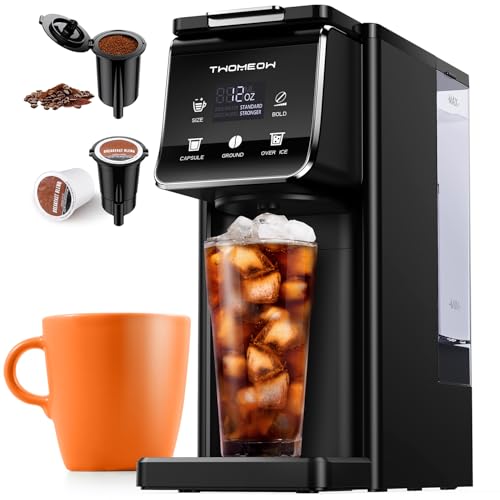
Helpful pick
Coffee Maker Hot & Iced With Bold Setting,Single Serve Coffee Maker For K Cup And Grounds,52 Oz Removable Water Tank,6-14 Oz Brew Sizes,One Cup Kcup Coffee Machine With Reusable Filter,(Black)
Featuring a large 52-ounce reservoir, this machine is ideal for frequent drinkers who want to minimize the time spent refilling the water tank.
what is a pod coffee maker?
Popular examples include the Keurig K‑Classic, Nespresso Vertuo, and Hamilton Beach FlexBrew. The Keurig K‑Classic dominates the U.S. market with its extensive library of over 400 compatible K‑Cup flavors, ranging from bold roasts to seasonal blends.
Nespresso Vertuo’s barcode‑reading technology automatically calibrates brew parameters, delivering a consistent 1.35‑oz espresso or a 7‑oz coffee based on the pod’s encoding. This model appeals to consumers who value a hands‑free experience and premium taste.
Hamilton Beach FlexBrew stands out for its dual‑brew capability, allowing users to alternate between single‑serve pods and a traditional coffee grounds basket. This flexibility makes it a cost‑effective bridge for households transitioning away from pods.
Other niche examples, such as the Illy Iperespresso X1, use proprietary capsules designed for high‑pressure extraction, offering a boutique alternative for espresso aficionados.
Each example illustrates a different trade‑off: Keurig prioritizes variety, Nespresso prioritizes espresso quality, and Hamilton Beach prioritizes versatility. Understanding these distinctions helps shoppers align the machine with their daily coffee rituals.

Helpful pick
Horavie Small Single Serve Coffee Maker for K Cup and Grounds, Fast Brew One Cup Coffee Machine with One Button, 6 to 12 oz. Brew Sizes, Perfect for Home and Travel, Black
The Horavie is a compact and versatile example of a single-serve machine that supports both K-Cup pods and your own favorite coffee grounds.
FAQ Of What Is A Pod Coffee Maker
How much does a pod coffee maker cost?
Typical price ranges from $50 for basic models to $250 for premium espresso‑compatible units; exact pricing varies by retailer.
Can I use my own coffee grounds in a pod machine?
Some models like Hamilton Beach FlexBrew accept loose grounds in a separate filter basket, while most proprietary systems require brand‑specific pods.
How long does a pod stay fresh after opening?
Unopened pods retain optimal flavor for 6‑12 months if stored in a cool, dry place; once opened, use within 2 weeks for best taste.
Are pod coffee makers energy‑efficient?
Energy consumption peaks at 900 W during heating, but the short brew cycle keeps total daily usage lower than a continuously heating drip brewer.
What is the environmental impact of coffee pods?
Recyclable pods exist, yet only about 30 % are actually recycled in the U.S.; choosing recyclable brands and participating in local programs can reduce landfill waste.
Disclosure: As an Amazon Associate, I may earn from qualifying purchases at no extra cost to you. Amazon and the Amazon logo are trademarks of Amazon.com, Inc, or its affiliates.
