
When you want to camp with your truck, two main options stand out: truck bed tents and roof top tents. Both promise adventure, convenience, and a place to rest. But their differences can change your camping experience completely. Knowing which fits your needs will save you money, time, and frustration. Let’s dive deep into what makes each type unique, and help you decide which is right for your next trip.
What Is A Truck Bed Tent?
A truck bed tent is designed to fit inside your truck’s bed. It creates a sheltered space above the cargo area. You set it up on the flat surface of your pickup, and sleep off the ground but still lower than a roof top tent.
Most truck bed tents use flexible poles and fabric, similar to regular ground tents. They attach to the sides of your bed and usually have a rainfly for weather protection. Some models fit short beds, others fit long beds. Sizes and shapes vary, so matching your tent to your truck is important.
Truck bed tents are popular for their affordability and easy setup. They turn any truck into a campsite, and you don’t need special gear or modifications.
What Is A Roof Top Tent?
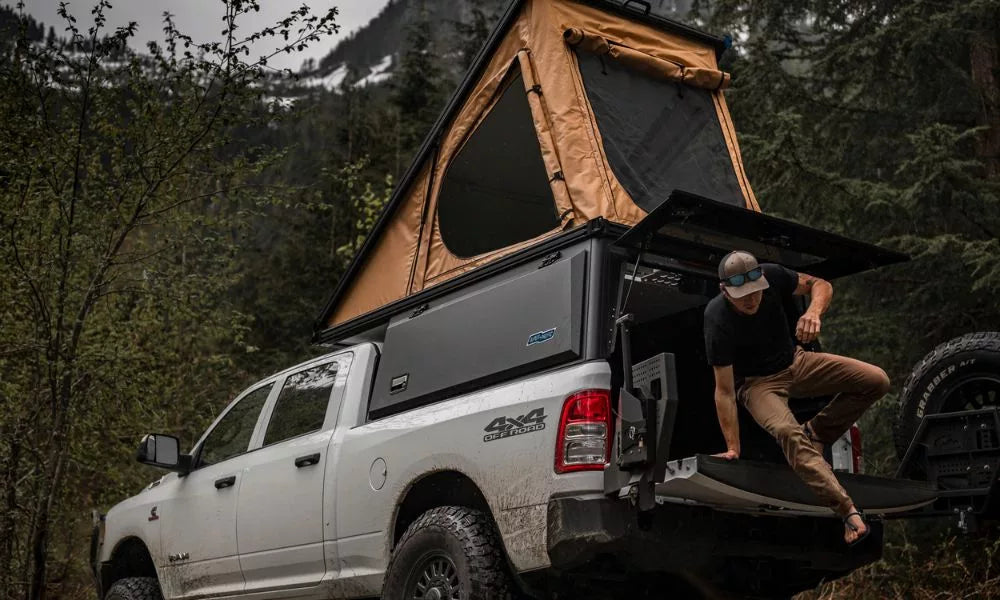
A roof top tent sits on top of your truck’s cab or cargo rack. It folds out above the roof, often with a hard shell or strong base. You climb up with a ladder to sleep on a raised platform.
Roof top tents are famous for quick setup and sturdy construction. They use thicker materials, insulated floors, and often come with comfortable mattresses. Many models have built-in lighting, windows, and extra storage.
People choose roof top tents for their comfort, durability, and ability to camp anywhere. If your truck has a strong roof rack, you can install one and camp above the ground—safe from mud, bugs, and some animals.
Key Differences
Understanding the main differences helps you pick the right tent. Here’s a simple table comparing the basics:
| Feature | Truck Bed Tent | Roof Top Tent |
|---|---|---|
| Location | In truck bed | On truck roof/rack |
| Setup time | 10–20 minutes | 2–5 minutes |
| Comfort | Basic, depends on mattress | High, built-in mattress |
| Price range | $150–$400 | $800–$2,500+ |
| Weight | 10–30 lbs | 80–200 lbs |
| Weather protection | Moderate | Strong |
| Storage space | Limited | Extra compartments |
| Sleeping height | Bed height (low) | Roof height (high) |
Cost And Value
If you’re budget-conscious, a truck bed tent wins. Most cost between $150 and $400, while roof top tents start at around $800 and can reach $2,500 or more for premium models.
But cost isn’t everything. Roof top tents usually last longer, because they use strong materials and better construction. Truck bed tents might need replacing after a few years, especially with frequent use.
Think about long-term value. If you camp often and want comfort, the higher price for a roof top tent may be worth it. For occasional camping, a truck bed tent saves you money.
Setup And Convenience
Truck bed tents take more time to set up. You need to assemble poles, attach straps, and secure the tent to your bed. Most people need 10–20 minutes for setup, and a similar time to pack it away. It’s easier with two people, but solo setup is possible.
Roof top tents are much faster. With a hard shell model, you just unlock and fold out the tent. Soft shell tents might take a minute or two more, but overall setup is 2–5 minutes. Packing up is also quick.
One non-obvious tip: truck bed tents need your truck bed empty and clean. If you store gear or tools in your bed, you must unload before camping. Roof top tents let you keep your bed full of gear, which is a big advantage for longer trips.
Comfort And Sleeping Experience
Roof top tents offer more comfort. Most include a built-in mattress, usually 2–3 inches thick. They stay flat, dry, and insulated. Some high-end models even have memory foam.
Truck bed tents rely on what you bring. If you use a thin pad, you might feel the hard bed underneath. Upgrading to a thick air mattress improves comfort, but adds cost and setup time.
Sleeping higher with a roof top tent also means less exposure to ground moisture and bugs. You get better airflow, more privacy, and a feeling of safety.
But some people prefer truck bed tents because they’re easier to climb into. Roof top tents require a ladder, which can be tricky for children or people with mobility issues.
Weather Protection And Durability
Roof top tents excel in harsh weather. Their materials are thicker, seams are sealed, and rainflies cover the full tent. Many withstand strong winds, heavy rain, and even snow.
Truck bed tents protect against light rain and wind, but can struggle in storms. The tent is lower to the ground, and water can splash in from the sides. If your bed has a liner, it might help, but not fully.
Durability is another key difference. Roof top tents last 5–10 years or more with care, while truck bed tents may last 2–5 years with regular use. Hard shell roof top tents are almost indestructible, but cost much more.
Mobility And Versatility
Truck bed tents are easy to move and store. They fold small, weigh little, and fit in a closet or trunk. You can take them off your truck and use them as ground tents in emergencies.
Roof top tents are heavier and bulkier. Once installed, you usually leave them on your truck. Removing and storing requires at least two people and extra space.
But roof top tents open up more camping locations. You can camp anywhere your truck can go, even rocky or uneven ground, because your tent stays level on the roof.
One smart insight: if you travel with bikes, kayaks, or extra gear, a roof top tent can block your roof rack. Truck bed tents leave your roof free, so you can carry more toys.

Credit: gofsr.com
Safety And Security
Sleeping above the ground gives you extra safety. Roof top tents help avoid snakes, rodents, and small animals. You’re also less likely to get surprise visits from curious wildlife.
Truck bed tents offer some elevation, but not much. Animals can access your bed more easily, and you’re closer to muddy or wet conditions.
Security from people is similar for both tents. Locking your truck doors helps, but tents themselves are not strong against theft. If you camp in public areas, don’t leave valuables inside your tent.
Storage And Packing
Packing space is important for truck campers. Here’s how both tents compare:
| Type | Packed Size | Weight | Storage Needs |
|---|---|---|---|
| Truck Bed Tent | 22″ x 10″ x 10″ | 12–30 lbs | Small closet or trunk |
| Roof Top Tent | 48″ x 48″ x 12″ | 80–200 lbs | Garage or large space |
If your home has limited storage, a truck bed tent is easier to keep. Roof top tents need a dedicated spot, and moving them is a big job.
Installation And Compatibility
Truck bed tents are made for specific truck models and bed sizes. You must check your bed’s length and width before buying. Some tents fit short beds, others fit standard or long beds.
Roof top tents require a strong roof rack. Most racks must support at least 150–200 lbs for safe use. If your truck doesn’t have a rack, installing one adds cost and complexity. Not all trucks can handle roof top tents, especially small pickups.
A common mistake: buying a tent without checking compatibility. Always measure your bed or rack, and read the manufacturer’s guide.
Pros And Cons Summary
Let’s sum up the main strengths and weaknesses:
| Type | Pros | Cons |
|---|---|---|
| Truck Bed Tent | Affordable Lightweight Easy to store Fits most trucks | Lower comfort Longer setup Less weather protection Bed must be empty |
| Roof Top Tent | High comfort Fast setup Great weather resistance Can camp anywhere | Expensive Heavy Needs strong rack Hard to store |
Real-life Examples
Sarah owns a Ford F-150 and camps once a month. She started with a truck bed tent, spending $250. Setup was easy, but she struggled in heavy rain and felt cold. After two years, she upgraded to a roof top tent for $1,200. Now, her trips are more comfortable, and she camps in new places.
Mike drives a Toyota Tacoma and goes camping twice a year. He uses his truck for work, and needs to keep tools in the bed. A roof top tent lets him camp without unloading gear. The $900 investment paid off with less hassle and more flexibility.
These stories show how your needs shape the best choice.
Environmental Impact
Truck bed tents have less impact. They use fewer materials and create a smaller footprint. Most are made from polyester and fiberglass, which are easy to recycle.
Roof top tents use more resources: aluminum, steel, thick fabrics, and foam. Their production and shipping create more emissions. But because they last longer, their lifetime impact balances out.
If sustainability matters, choose a tent that fits your camping frequency and avoid unnecessary upgrades.
Expert Tips For Choosing
- Check your truck’s specs before buying. Measure bed size or rack strength.
- Think about your camping style. Do you need comfort, or just a place to sleep?
- Consider setup time. Will you camp alone or with friends?
- Plan for weather. If you camp in rainy areas, roof top tents are safer.
- Don’t forget storage. Make sure you have space at home for your tent.
One advanced insight: some roof top tents work on trailers or SUVs, not just trucks. If you change vehicles, this flexibility can save money.
Where To Buy And Learn More
You can find both types of tents online or at outdoor stores. Always read reviews and check warranty details. For more detailed specs and advice, visit Wikipedia.

Credit: trailtacoma.com
Final Thoughts
Choosing between a truck bed tent and a roof top tent depends on your needs, budget, and camping style. Truck bed tents are great for beginners, light packers, and those who want to save money. Roof top tents are best for frequent campers, adventurers, and anyone who values comfort and fast setup.
Look at your truck, your travel plans, and your wallet. With the right tent, you’ll enjoy the outdoors more and camp with confidence.
Frequently Asked Questions
What Is The Main Advantage Of A Roof Top Tent Over A Truck Bed Tent?
The biggest advantage is comfort and weather protection. Roof top tents have built-in mattresses, are higher off the ground, and keep you safe from rain, mud, and bugs. They also set up faster.
Can Any Truck Use A Roof Top Tent?
No. Your truck must have a strong roof rack that can support at least 150–200 lbs. Always check your vehicle’s specs and the tent’s requirements before buying.
Are Truck Bed Tents Good For Winter Camping?
Truck bed tents work in mild winter conditions with a good sleeping bag. But they offer less insulation than roof top tents. For cold weather, roof top tents are warmer and more protective.
How Long Do These Tents Last?
Roof top tents last 5–10 years or more, depending on care. Truck bed tents usually last 2–5 years with regular use. Durability depends on materials and maintenance.
Is A Roof Top Tent Worth The Extra Cost?
If you camp often, want comfort, or need quick setup, a roof top tent can be worth the price. For occasional trips or tight budgets, a truck bed tent is a better choice.
Credit: superpacificusa.com
Disclosure: As an Amazon Associate, I may earn from qualifying purchases at no extra cost to you. Amazon and the Amazon logo are trademarks of Amazon.com, Inc, or its affiliates.
