

Is your garage door opener suddenly not working when you need it most? It’s frustrating, isn’t it?
You rely on your garage door opener every day for quick and easy access. When it stops working, it can disrupt your routine and leave you wondering what went wrong. But don’t worry—you’re not alone, and this problem often has simple fixes.
You’ll discover the most common reasons why your garage door opener isn’t working and learn easy steps to get it back up and running fast. Keep reading, and take control of your garage door once again.
Common Garage Door Opener Issues
Garage door openers often stop working due to common issues. These problems are usually easy to fix. Knowing what causes them helps in quick repairs. Here are frequent reasons why your opener might fail.
Power Supply Problems
Power supply issues are a top cause of garage door failures. Check if the opener is plugged in properly. A tripped circuit breaker can cut power to the opener. Sometimes, the outlet itself might be faulty. Testing the outlet with another device can help find the problem.
Remote Control Malfunctions
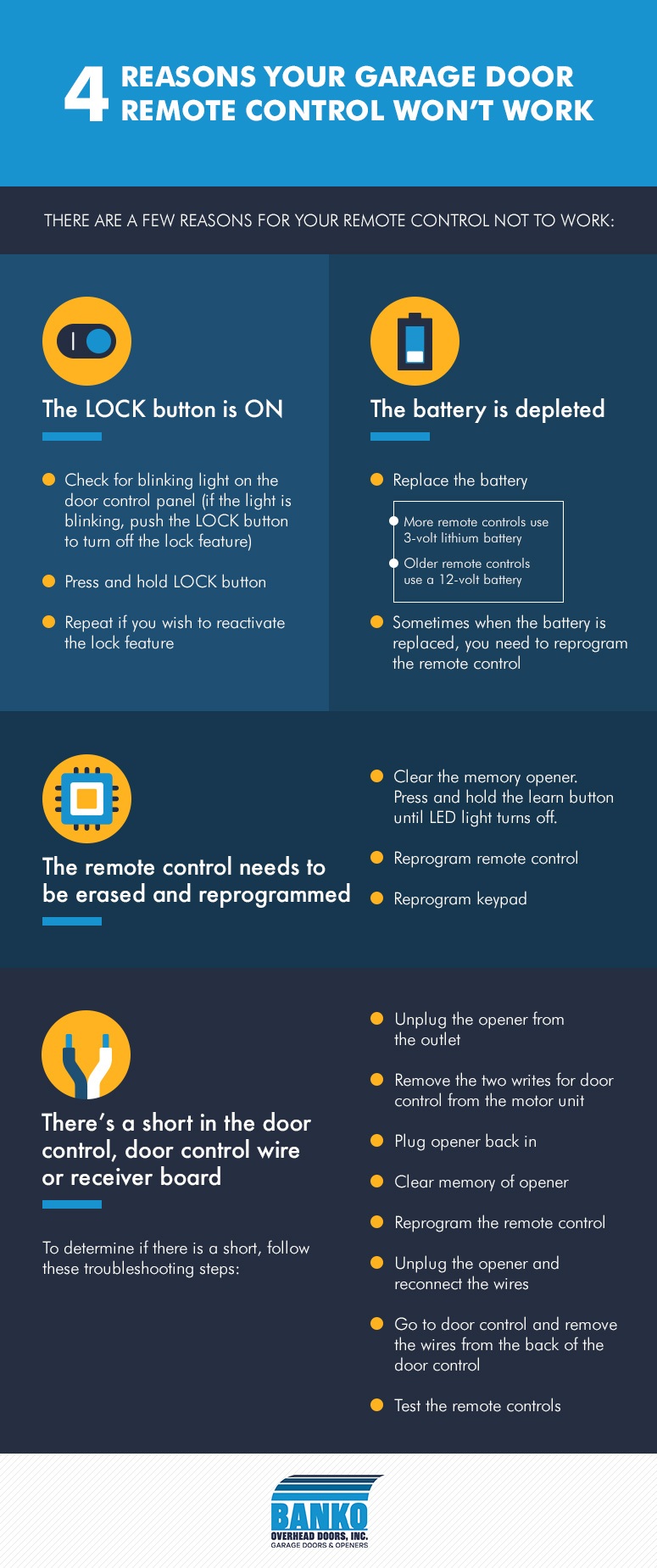
Remote controls can stop working for simple reasons. Dead batteries are the most common cause. Replacing batteries often solves the issue. Signal interference from other devices may block the remote. Also, the remote might need reprogramming to the opener.
Sensor Misalignment
Safety sensors prevent the door from closing on objects. If these sensors are out of alignment, the door won’t close. Dirt or spider webs can block the sensors too. Cleaning and adjusting the sensors usually restores function. Make sure both sensors face each other directly.
Worn Out Components
Over time, parts inside the opener wear out. Gears, springs, and belts can break or lose tension. Worn components cause the door to move slowly or stop. Regular maintenance helps spot these issues early. Replacing damaged parts keeps the opener running smoothly.
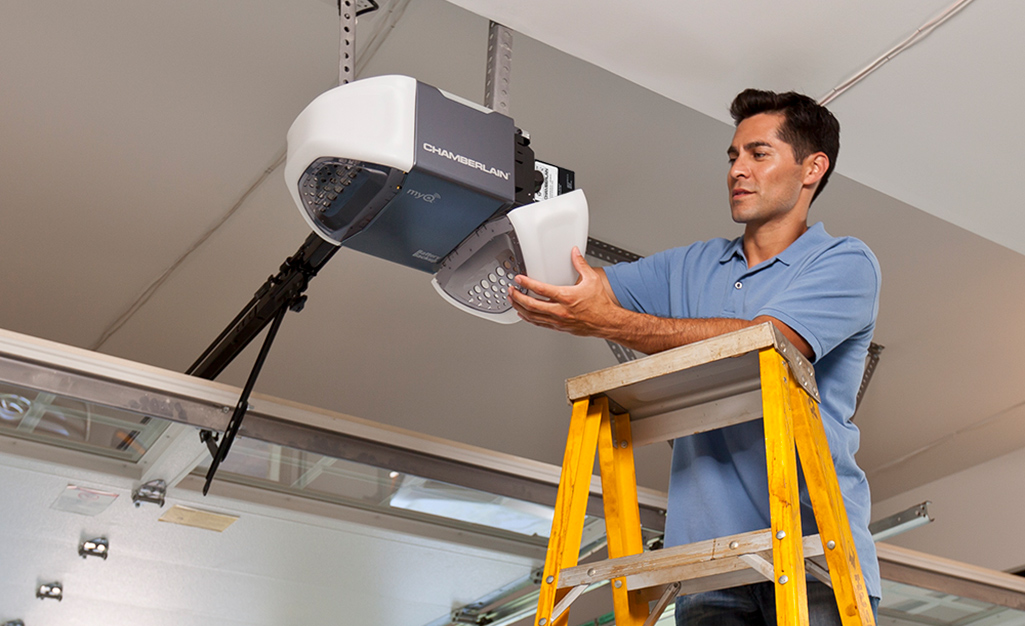
Credit: www.homedepot.com
Troubleshooting Power Supply
Power supply issues often cause garage door openers to stop working. Checking the power supply first can save time and effort. It helps to find simple problems that are easy to fix. This section guides you through basic power checks for your garage door opener.
Checking The Power Source
Start by ensuring the garage door opener is plugged in. Sometimes the plug gets loose or falls out. Look for any damage to the power cord. A damaged cord can stop electricity flow. Make sure the power switch near the opener is turned on. Some models have a separate switch for power.
Inspecting Circuit Breakers
Next, check the circuit breaker panel in your home. The breaker that controls the garage may have tripped. A tripped breaker cuts power to the garage door opener. Flip the breaker off and then back on to reset it. If the breaker trips again, call an electrician.
Testing The Outlet
Test the power outlet with another device like a lamp. If the lamp doesn’t work, the outlet has no power. The outlet may be faulty or have a loose connection. Try plugging the garage door opener into a different outlet. This test shows if the problem is with the outlet or the opener.
Fixing Remote Control Issues
Remote control problems often cause garage door openers to stop working. Fixing these issues can restore your door’s function quickly. Many times, the problem lies with the remote rather than the opener itself. Simple steps can fix common remote control troubles. The following tips cover battery replacement, reprogramming, and interference clearing.
Replacing Batteries
Dead or weak batteries often cause remote controls to fail. Check the battery compartment for corrosion or leaks. Replace old batteries with fresh ones of the same type. Make sure to insert batteries in the right direction. Test the remote after replacement to see if it works. Regular battery replacement helps avoid sudden failures.
Reprogramming The Remote
Sometimes the remote loses connection to the opener. Reprogramming restores this link. Find the “learn” button on the garage door opener motor. Press it and then press a button on the remote. Wait for a light or sound to confirm programming. Follow your opener’s manual for exact instructions. Reprogramming often solves unresponsive remotes.
Clearing Signal Interference
Signal interference blocks remote signals from reaching the opener. Nearby electronics or wireless devices may cause this. Move other devices away from the garage door opener. Remove metal objects that can block signals. Try operating the remote closer to the door opener. Reducing interference improves remote control reliability.

Credit: thegarageguys.com.au
Aligning And Cleaning Sensors
Garage door sensors play a key role in safe operation. They stop the door from closing if something blocks the path. Sensors can lose alignment or get dirty. This causes the opener to stop working.
Aligning and cleaning sensors helps fix many common issues. It is a simple task anyone can do. Checking sensor position, cleaning sensor lenses, and testing sensor functionality are important steps.
Checking Sensor Position
Sensors must face each other directly. Check if they are on the same height. Even a small tilt can cause problems. Adjust the brackets if needed. Make sure nothing blocks the sensor path. Clear any objects or debris near the sensors.
Cleaning Sensor Lenses
Sensor lenses can get dusty or dirty. This stops the sensors from working properly. Use a soft cloth to wipe the lenses gently. Avoid using water or harsh cleaners. Clean lenses allow the sensors to see clearly. This prevents false signals and errors.
Testing Sensor Functionality
After alignment and cleaning, test the sensors. Close the door and watch if it stops when blocked. Place an object in front of the sensors. The door should reverse or stop closing. If it does not, sensors might need replacement. Proper sensor function keeps your garage safe and secure.
Repairing Or Replacing Components
Repairing or replacing parts of your garage door opener can fix many common problems. Small issues like squeaky sounds or slow movements often mean parts need attention. Fixing these parts can save time and money. Some tasks are easy, while others might need a professional.
Lubricating Moving Parts
Moving parts need smooth motion to work well. Use a silicone spray or garage door lubricant on rollers and hinges. Avoid using heavy oils; they attract dirt. Regular lubrication reduces friction and wear. This helps the opener run quietly and smoothly.
Replacing Worn Gears
Gears inside the opener wear out over time. Worn gears cause grinding noises or the door to stop. Check the gears for cracks or broken teeth. Replace damaged gears with new ones made for your model. This restores proper movement and prevents further damage.
Fixing The Door Springs
Springs balance the door’s weight for easy opening. Broken springs cause the door to drop or not open. Fixing springs is risky because they hold strong tension. Call a professional if springs need repair or replacement. Proper spring function ensures safe and smooth operation.
When To Call A Professional
Knowing when to call a professional for your garage door opener saves time and avoids damage. Some problems need expert skills and tools. Trying to fix them alone can be risky and cause more issues. Understanding the signs helps you decide the right moment to get help.
Safety Concerns
Garage door openers have strong springs and moving parts. These can cause injuries if handled incorrectly. If the door falls suddenly or the opener makes strange noises, stop using it. A professional knows how to fix these safely. Do not try to repair electrical parts or broken springs yourself.
Complex Repairs
Issues like motor failure, circuit board problems, or broken gears need special tools. Professionals have the right equipment to diagnose and fix these. Complex repairs require skill and experience. Attempting them without knowledge can lead to bigger damage and higher costs later.
Regular Maintenance Tips
Regular checks keep your opener working well. Clean the tracks and remove debris often. Lubricate moving parts every few months. Test the safety sensors to ensure they stop the door from closing on objects. Simple maintenance helps prevent big problems and extends the opener’s life.
Credit: www.bankogaragedoors.com
Frequently Asked Questions
Why Won’t My Garage Door Opener Respond?
Your garage door opener may not respond due to power issues, dead batteries, or faulty wiring. Check if the opener is plugged in and the circuit breaker is on. Replace remote batteries and ensure the wall switch works properly.
How To Fix A Garage Door Opener That Won’t Close?
If the opener won’t close, check for obstructions on the door path. Clean or realign the safety sensors. Also, inspect the opener’s settings or reset the system to fix any programming errors.
What Causes A Garage Door Opener To Beep But Not Work?
A beeping garage door opener usually signals a problem with the safety sensors or wiring. It may also indicate a low battery or a malfunctioning motor. Inspect and fix these components to resolve the issue.
Can A Remote Control Cause Garage Door Opener Problems?
Yes, a faulty or unpaired remote control can stop the opener from working. Replace batteries, reprogram the remote, or test with another remote to identify the problem.
Conclusion
A garage door opener can stop working for many reasons. Check the batteries and power first. Look for any broken or stuck parts. Clean the sensors if they seem dirty. Sometimes, resetting the opener helps fix the problem. Small fixes can save time and money.
If the issue stays, call a professional for help. Regular maintenance keeps your opener working well. Don’t ignore warning signs or strange noises. A working garage door opener adds safety and convenience to your home. Stay calm and follow simple steps to solve the issue.
Disclosure: As an Amazon Associate, I may earn from qualifying purchases at no extra cost to you. Amazon and the Amazon logo are trademarks of Amazon.com, Inc, or its affiliates.
