
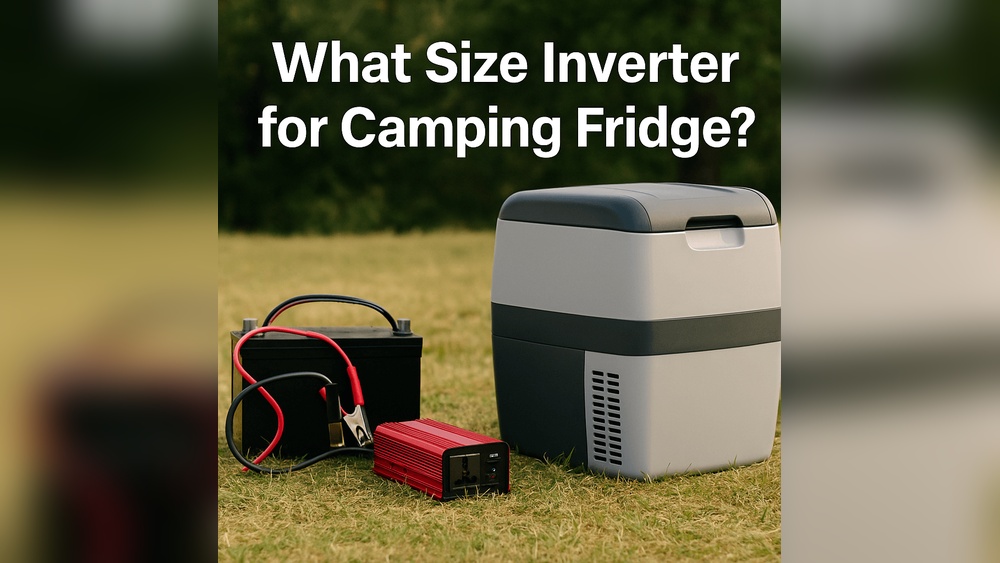
Choosing The Right Size Inverter For Camping: Complete Guide
Imagine waking up in the wild, wanting a hot cup of coffee, charging your phone, or running a small fridge. You reach for your inverter, but it’s too weak—or maybe too powerful and wastes battery. Picking the correct inverter size for camping isn’t just about convenience; it’s about safety, battery life, and enjoying your trip without worries. Many beginners make mistakes, like buying oversized units or forgetting to check their device wattages. Let’s explore how to choose the right inverter, what sizes work best, and key tips for making your camping experience smooth and powered.
What Is An Inverter And Why Is It Important For Camping?
An inverter changes DC power (from batteries) into AC power (like your home outlets). This lets you use regular appliances—fans, lights, chargers, or even TVs—when you are away from electrical grids.
Most camping gear runs on low-voltage DC, but many campers prefer AC appliances for comfort. Using an inverter gives you freedom to enjoy modern amenities outdoors. But, choosing the wrong size can lead to:
- Drained batteries too quickly
- Overheating or damaging equipment
- Not being able to run important devices
So, understanding inverter sizes is essential before you buy.
Common Camping Appliances And Their Power Needs
Before picking an inverter, list all devices you want to use. Each device has a watt rating—the power it needs.
Here are typical camping appliances and their average wattage:
| Appliance | Average Watts |
|---|---|
| LED Light | 5–15 |
| Smartphone Charger | 5–10 |
| Laptop | 40–65 |
| Portable Fan | 20–40 |
| Mini Fridge | 40–80 |
| Coffee Maker | 600–1200 |
| Electric Grill | 1000–1500 |
| Small TV | 50–100 |
Most campers use lights, chargers, fans, and sometimes a fridge. Bigger appliances like coffee makers and grills need much more power and a larger inverter.

Credit: outbacksafetrack.com.au
How To Calculate The Inverter Size You Need
Choosing the right inverter is not guesswork. You need to add up the total wattage of all devices you plan to use at the same time.
Step 1: List All Appliances
Write down every appliance you want to run. Include their wattage (found on labels or manuals).
Example:
- 2 LED lights (10W each): 20W
- 1 phone charger: 10W
- 1 portable fan: 30W
- 1 mini fridge: 60W
Total: 120w
Step 2: Add Extra Margin
Inverters are not 100% efficient. Add 20–30% extra to your total wattage as a safety margin.
120w + 30% = 156w
Step 3: Consider Surge Power
Some appliances (fridges, pumps) need extra power to start. This is called surge power. Check if your devices have high surge ratings.
For example, a mini fridge may need 150W for a few seconds when starting, but only 60W after. Make sure your inverter can handle these surges.
Step 4: Choose Nearest Standard Size
Inverters come in standard sizes: 150W, 300W, 500W, 1000W, 1500W, 2000W, etc. Always round up.
For our example: 156W. Choose a 300W inverter.
Step 5: Match Inverter Voltage
Most camping batteries are 12V. Make sure your inverter matches your battery voltage. Using the wrong voltage can be dangerous.
Inverter Size Recommendations For Different Camping Styles
Camping varies from lightweight backpacking to full RV adventures. The inverter size you need depends on your style.
Tent Camping (minimal Gear)
If you only use LED lights, phone chargers, and maybe a small fan, a 150W–300W inverter is enough.
- Easy to carry
- Uses less battery
- Good for short trips
Car Camping (comfortable Setup)
If you use a mini fridge, laptop, and small TV, consider a 300W–500W inverter.
- Handles multiple devices
- Still compact
- Good for weekend trips
Rv Camping (full Amenities)
If you want to run coffee makers, microwaves, or electric grills, you need a 1000W–2000W inverter.
- Powers large appliances
- Needs bigger battery bank
- Good for long trips or families
Here’s a quick comparison:
| Camping Style | Typical Devices | Recommended Inverter Size |
|---|---|---|
| Tent Camping | Lights, chargers, fan | 150–300W |
| Car Camping | Mini fridge, laptop, TV | 300–500W |
| RV Camping | Coffee maker, microwave, grill | 1000–2000W |
Types Of Inverters For Camping
There are two main types:
- Modified Sine Wave Inverter
- Cheaper
- Good for basic devices
- Not ideal for sensitive electronics (laptop, fridge)
- Pure Sine Wave Inverter
- More expensive
- Safest for all devices
- Needed for medical equipment, fridges, TVs
If budget allows, always go for pure sine wave. It protects your devices and ensures smooth operation.
Battery Considerations: Will Your Inverter Last?
An inverter is only as good as the battery powering it. If your battery is too small, your devices will stop working quickly.
Understanding Battery Capacity
Battery capacity is measured in amp-hours (Ah). To estimate run time:
- Find your total wattage: E.g., 120W
- Convert watts to amps: Amps = Watts / Volts (for 12V battery: 120W / 12V = 10A)
- If you have a 100Ah battery:
Run time = 100Ah / 10A = 10 hours (but only if battery is fully charged and discharged completely)
Most batteries should only be discharged to 50% to avoid damage. So, real run time is less.
Practical Example
If you use a 300W inverter and run 150W of devices, with a 100Ah battery:
- 150W / 12V = 12.5A
- 50Ah usable (50% of 100Ah)
- 50Ah / 12.5A = 4 hours
This means you can run your devices for about 4 hours before needing a recharge.
Key Insight
Beginners often forget that bigger inverters drain batteries faster. If you buy a huge inverter but only have a small battery, you won’t get much use.

Credit: carspa.cc
Common Mistakes When Choosing An Inverter Size
Many campers make errors when buying an inverter. Here are pitfalls to avoid:
1. Overestimating Needs
Buying a 2000W inverter for a small tent setup is wasteful. It drains the battery faster and costs more.
2. Ignoring Surge Ratings
Some appliances need extra power to start. If your inverter can’t handle surges, devices may not turn on.
3. Not Checking Battery Compatibility
If your battery can’t supply enough power, even the best inverter won’t help.
4. Skipping Pure Sine Wave For Sensitive Devices
Using a cheap modified sine wave inverter for laptops or fridges can cause damage.
5. Poor Installation
Loose connections, wrong cables, or missing fuses can cause hazards.
6. No Safety Margin
Running devices at maximum inverter capacity can cause overheating. Always add 20–30% margin.
Real-world Example: Weekend Car Camping
Let’s say you’re planning a weekend trip with friends. Your gear list:
- 2 LED lights (10W each)
- 2 phones charging (10W each)
- 1 laptop (60W)
- 1 mini fridge (70W)
Total: 170w
Add 30% Margin: 221w
Choose a 300W pure sine wave inverter.
Battery: 100ah
Devices run for about 4 hours before needing recharge.
If you want to run a coffee maker (1000W), you need a 1500W inverter and a much bigger battery, often two or more in parallel.
Table: Comparing Inverter Sizes For Camping
Here’s a quick overview of common inverter sizes and their best uses.
| Inverter Size | Best For | Devices Supported | Battery Needed |
|---|---|---|---|
| 150W | Minimal tent camping | Lights, chargers | 50Ah+ |
| 300W | Small car camping | Lights, fan, fridge | 100Ah+ |
| 500W | Comfort camping | Laptop, mini fridge, TV | 150Ah+ |
| 1000W | RV camping | Coffee maker, microwave | 200Ah+ |
| 2000W | Luxury camping | Grill, multiple appliances | 300Ah+ |
Non-obvious Insights For Choosing Camping Inverters
1. Check Appliance Labels Carefully
Some devices list *average* wattage, not *peak* (surge) wattage. Always check the manual or manufacturer site for surge ratings.
2. Consider Inverter Efficiency
Most inverters waste 10–20% of power as heat. If you use a 300W inverter, you may need up to 360W from your battery. This is why adding a margin is vital.
Safety Tips For Using Inverters Outdoors
- Always use correct cables—too thin wires can overheat.
- Install a fuse between battery and inverter for safety.
- Keep inverter dry and away from dust.
- Never run inverter continuously at full power; allow cooling breaks.
- Store inverter in a ventilated space.
For more technical details on inverter safety and sizing, check out Wikipedia’s Power Inverter page.
Frequently Asked Questions
What Happens If I Use An Inverter That Is Too Small For My Devices?
If your inverter is too small, it may shut down, overheat, or fail to start appliances—especially those with high surge power. Devices won’t work reliably, and you risk damaging the inverter.
Can I Use A Car Battery To Power My Camping Inverter?
Yes, you can use a car battery for small inverters (up to 300W), but car batteries are not designed for deep discharge. Using them for camping regularly will shorten their life. It’s better to use a deep-cycle battery.
Is It Safe To Run Multiple Devices On A Camping Inverter?
It’s safe if the total wattage is below the inverter’s continuous rating. Always check device labels, add a safety margin, and avoid plugging in too many devices at once.
How Do I Know If My Inverter Is Pure Sine Wave Or Modified Sine Wave?
Check the product manual or specifications. Pure sine wave inverters are usually labeled as such and cost more. Modified sine wave inverters may cause buzzing or interference on sensitive devices.
Do I Need A Larger Inverter If I Plan To Use Solar Panels?
Not always. The solar panel size affects battery charging, not inverter size. Choose inverter size based on your devices. If your solar panels charge your battery fast enough, you can use the same inverter.
Camping with the right inverter size makes your outdoor experience more enjoyable. Choose wisely, and you’ll have reliable power wherever you go. Always consider your appliances, battery size, and safety to ensure your inverter fits your needs perfectly.

Credit: www.generators-direct.co.uk
Disclosure: As an Amazon Associate, I may earn from qualifying purchases at no extra cost to you. Amazon and the Amazon logo are trademarks of Amazon.com, Inc, or its affiliates.
