
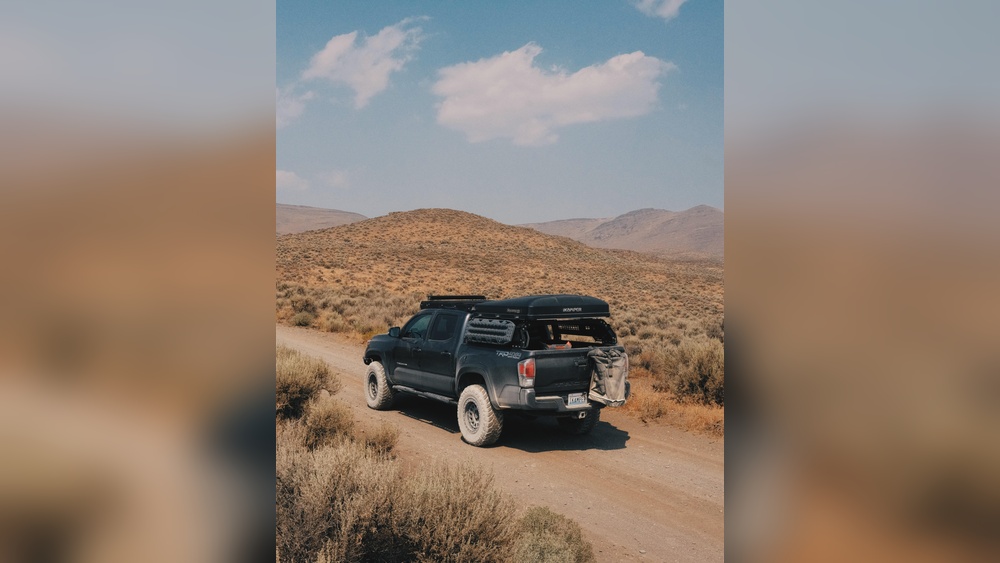
There is a growing trend among outdoor lovers and travelers: roof top tents. If you’ve seen cars parked in nature with tents set up on top, you may have wondered—are roof top tents really worth it? The answer depends on your needs, budget, and camping style. Many people buy roof top tents for easier setup, safety, and comfort, but others stick to ground tents or camper vans. In this article, we’ll break down every aspect of roof top tents: what they offer, their drawbacks, real-life examples, and how to decide if one fits your lifestyle.
What Is A Roof Top Tent?
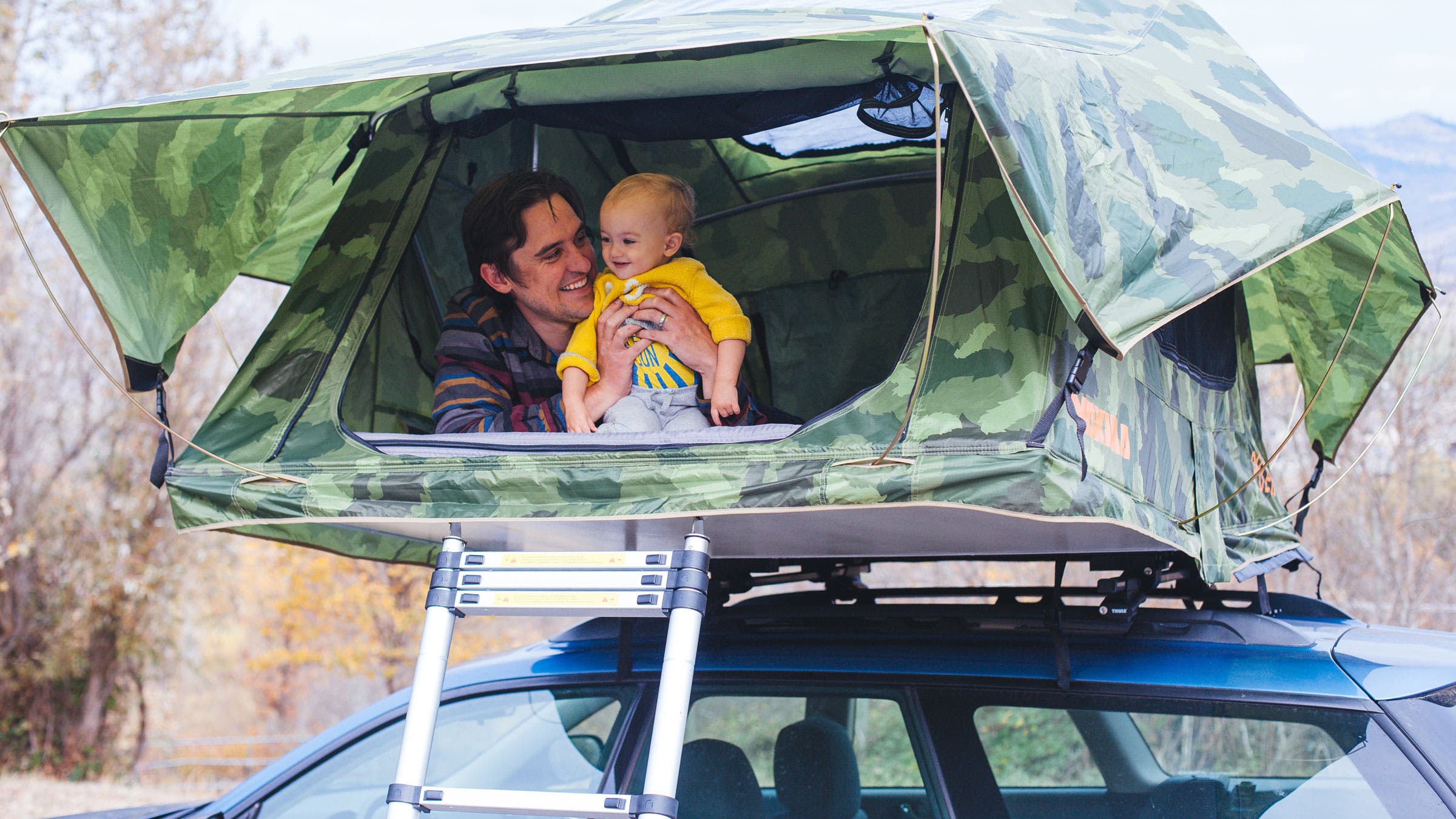
A roof top tent is a portable shelter that mounts on the roof rack of your car, SUV, or truck. Unlike ground tents, you sleep above the ground, usually on a flat platform. Most roof top tents fold open and have ladders for access. They come in different sizes, materials, and prices.
Roof top tents first appeared in Australia and Africa, where wild animals and uneven terrain made ground camping risky. Now, they’re popular worldwide, especially with overlanders, road trippers, and weekend campers.
Main Benefits Of Roof Top Tents
Let’s look at why many people choose roof top tents over traditional tents.
1. Quick Setup And Pack Down
Most roof top tents take just 2–5 minutes to set up. You simply unfold the tent, extend the ladder, and you’re ready. Packing up is almost as fast. This saves time and energy, especially after a long day.
2. Comfort And Sleep Quality
Roof top tents have built-in mattresses. They keep you off rocky, wet, or cold ground. The mattress is often 2–3 inches thick, providing more comfort than a sleeping pad. Many users report sleeping better in roof top tents compared to ground tents.
3. Safety From Animals And Flooding
Sleeping off the ground reduces risk from snakes, insects, and other wildlife. In areas with heavy rain, you avoid puddles and flooding. Some campers feel safer and more relaxed knowing they are above ground.
4. Views And Ventilation
High position means better views. You can wake up to the sunrise or watch stars from your tent. Roof top tents often have windows on all sides, improving airflow and reducing condensation.
5. Built-in Convenience
Many models include features like USB ports, storage pockets, lights, and rainfly covers. You don’t need to carry extra gear for shelter; everything is integrated.
Credit: www.reddit.com
Drawbacks And Limitations
Roof top tents are not perfect. Here are some downsides to consider.
1. Cost
Roof top tents are expensive compared to ground tents. Prices range from $800 to $3,000+. You also need a strong roof rack, which can cost $200–$600 extra.
2. Vehicle Dependence
You need a car with a solid roof rack. If your car can’t support the weight, you may need to upgrade. Once the tent is set up, moving your car means packing it down.
3. Fuel Efficiency
Adding a roof top tent increases wind resistance. Some drivers report a drop of 5–15% in fuel efficiency, especially with larger tents.
4. Weight And Storage
Roof top tents are heavy, usually 100–200 pounds. Removing or installing them is a two-person job. When not in use, storage can be a challenge.
5. Accessibility
Climbing a ladder may not be ideal for older campers or families with small children. Night-time bathroom trips can feel tricky.
Roof Top Tent Vs. Ground Tent: Which Is Better?
To help you compare, here’s a data table showing key differences.
| Feature | Roof Top Tent | Ground Tent |
|---|---|---|
| Setup Time | 2–5 minutes | 10–20 minutes |
| Comfort | Thick mattress | Thin pad/air bed |
| Safety | Off ground, safer | On ground, exposed |
| Price | $800–$3,000+ | $50–$500 |
| Mobility | Attached to car | Portable anywhere |
| Weather Protection | Good, stays dry | Depends on terrain |
| Storage | Bulky, needs space | Compact |
Credit: www.outsideonline.com
Types Of Roof Top Tents
There are two main types: soft shell and hard shell.
Soft Shell Roof Top Tents
These are made from fabric, usually canvas. They fold out like a book, offering larger sleeping areas. Soft shell tents are lighter and cheaper but less aerodynamic.
Hard Shell Roof Top Tents
Hard shell tents have a solid top and bottom, often made from fiberglass or aluminum. They pop open vertically or horizontally. Hard shells are more durable, weather-resistant, and faster to set up, but cost more.
Here’s a comparison table for quick reference:
| Type | Setup Speed | Weight | Durability | Price Range |
|---|---|---|---|---|
| Soft Shell | 5 min | 100–130 lbs | Medium | $800–$1,800 |
| Hard Shell | 2 min | 130–200 lbs | High | $1,500–$3,000+ |
Who Should Consider A Roof Top Tent?
Roof top tents are best for people who:
- Camp often, especially in areas with wildlife or rough terrain.
- Want fast setup and pack down.
- Value comfort and sleep quality.
- Travel in a vehicle with a strong roof rack.
- Don’t mind spending more for convenience.
They are less ideal for:
- Beginners who camp only once or twice a year.
- Families with young kids or people with mobility issues.
- Budget campers.
Real-life Examples And Data
Some campers report using roof top tents for months at a time. For instance, a family drove across North America with a hard shell tent, camping in forests, deserts, and parks. They found setup easy, sleep comfortable, and appreciated safety in wild areas.
On the other hand, some users faced problems. One couple parked in a city, but had to pack down the tent every time they moved the car. Another camper found that wind noise and reduced gas mileage made long drives tiring.
According to a survey by Overland Journal, 68% of roof top tent owners said the tent improved their camping experience. However, 22% said they would switch back to ground tents for easier mobility and lower cost.
Important Factors When Choosing A Roof Top Tent
If you decide a roof top tent is worth it, consider these things:
1. Weight Capacity
Check your car’s roof load limit. Most vehicles handle 100–165 pounds dynamic weight. Exceeding this can damage your car.
2. Size And Sleeping Capacity
Choose a tent that fits your needs. Most roof top tents fit 2–3 people. Larger models are heavier and may need special racks.
3. Weather Resistance
Look for waterproof materials and strong construction. If you camp in cold areas, pick a tent with insulation.
4. Ease Of Installation
Some tents are easy to install, others require tools and help. Read reviews and watch videos before buying.
5. Warranty And Support
Check if the brand offers a warranty and good customer support. Roof top tents are big investments.
Credit: www.reddit.com
Common Mistakes Beginners Make
Many beginners forget these points:
- Not checking roof rack compatibility—some racks cannot handle the tent’s weight.
- Ignoring vehicle height—rooftop tents add 12–18 inches to your car’s height, so parking garages and tunnels may be a problem.
- Overlooking local laws—some places do not allow camping in vehicles overnight.
- Storing the tent incorrectly—roof top tents need dry, clean storage to prevent mold.
- Buying without testing—renting or borrowing a tent first can save money and prevent regret.
Is A Roof Top Tent Worth It? (straight Answer)
If you camp often, value comfort, and have a suitable vehicle, a roof top tent can be a game changer. For weekend trips or remote camping, they offer safety, fast setup, and good sleep. If you camp rarely or have a limited budget, ground tents may serve you better.
The real value is in convenience and experience—not just price. Some campers say the tent lets them explore more places, with less stress and more fun. Others find the cost and limitations too much. Before buying, think about your camping style, travel plans, and vehicle.
For more detailed information, you can check Wikipedia.
Frequently Asked Questions
Can I Use A Roof Top Tent On Any Car?
Not all cars can handle roof top tents. Check your vehicle’s roof load limit and make sure you have a strong roof rack. Compact cars usually cannot support large tents.
How Much Does A Roof Top Tent Weigh?
Most roof top tents weigh 100–200 pounds. Soft shell models are lighter, hard shell models are heavier. Always check your car’s capacity before buying.
Is It Safe To Sleep In A Roof Top Tent?
Yes, roof top tents are generally safe. They keep you off the ground, away from animals and flooding. Make sure the tent is securely installed and follow all safety guidelines.
Do Roof Top Tents Affect Fuel Efficiency?
Yes, installing a roof top tent can reduce fuel efficiency by 5–15% due to extra weight and wind resistance. Hard shell tents are more aerodynamic, so they may affect fuel less.
Can Families With Kids Use Roof Top Tents?
Some families use roof top tents, but climbing the ladder can be a challenge for small children. Consider your family’s needs and safety before choosing.
Roof top tents are not for everyone, but they offer unique advantages for the right camper. Whether you choose a roof top tent or stick to ground camping, the most important thing is to enjoy your outdoor adventure.
Disclosure: As an Amazon Associate, I may earn from qualifying purchases at no extra cost to you. Amazon and the Amazon logo are trademarks of Amazon.com, Inc, or its affiliates.
