
Overlanding and camping are two ways people enjoy the outdoors. They both bring adventure, nature, and freedom—but they are not the same. Understanding their differences helps you plan a trip that fits your style, budget, and expectations. Many beginners mix up these activities, but knowing what sets them apart makes your journey safer and more enjoyable.
Imagine driving for days across wild landscapes, sleeping wherever you want, and discovering new cultures. That’s overlanding. Now, picture a weekend in the woods with a tent, a campfire, and maybe a hike. That’s camping. Both can be amazing, but your gear, skills, and mindset will change depending on which you choose.
This article breaks down what overlanding and camping really mean, how they compare, and why each appeals to different adventurers. Whether you’re a curious beginner or planning your next trip, you’ll find clear advice, practical examples, and honest insights to help you decide.
What Is Overlanding?
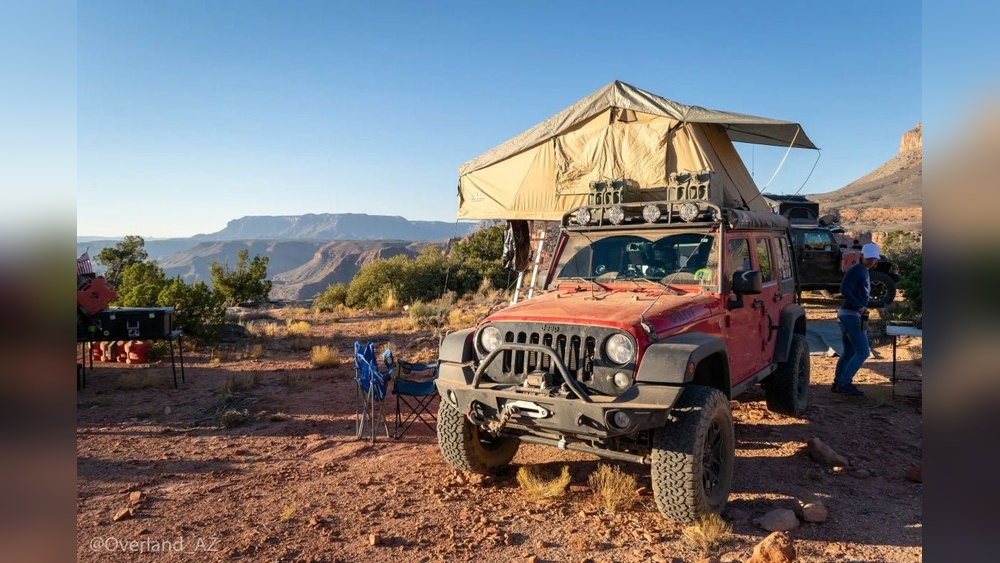
Overlanding is more than just driving off-road. It’s a style of travel focused on self-reliant exploration across long distances, often through remote places. The journey matters more than the destination. Most overlanders use vehicles like SUVs, trucks, or motorcycles that can handle rough terrain and carry supplies.
Key features of overlanding:
- Travel overland (not by air or sea)
- Long distances—days, weeks, or even months
- Remote or wild locations, often far from cities
- Vehicle-based, usually with your own sleeping setup
- Focus on adventure, discovery, and self-sufficiency
Overlanding started as a way to cross continents, like Africa or Australia, where roads are rough and towns are far apart. Today, it’s popular worldwide. People travel through jungles, deserts, mountains, or forests, learning new skills and connecting with different cultures.
Typical Overlanding Activities
Overlanders don’t just drive. They:
- Plan routes across countries or regions
- Set up campsites wherever they find space
- Cook meals from supplies in their vehicle
- Handle repairs and navigation themselves
- Meet other travelers and locals along the way
Overlanding Gear And Vehicles
The gear for overlanding is specialized:
- 4×4 vehicles or adventure motorcycles
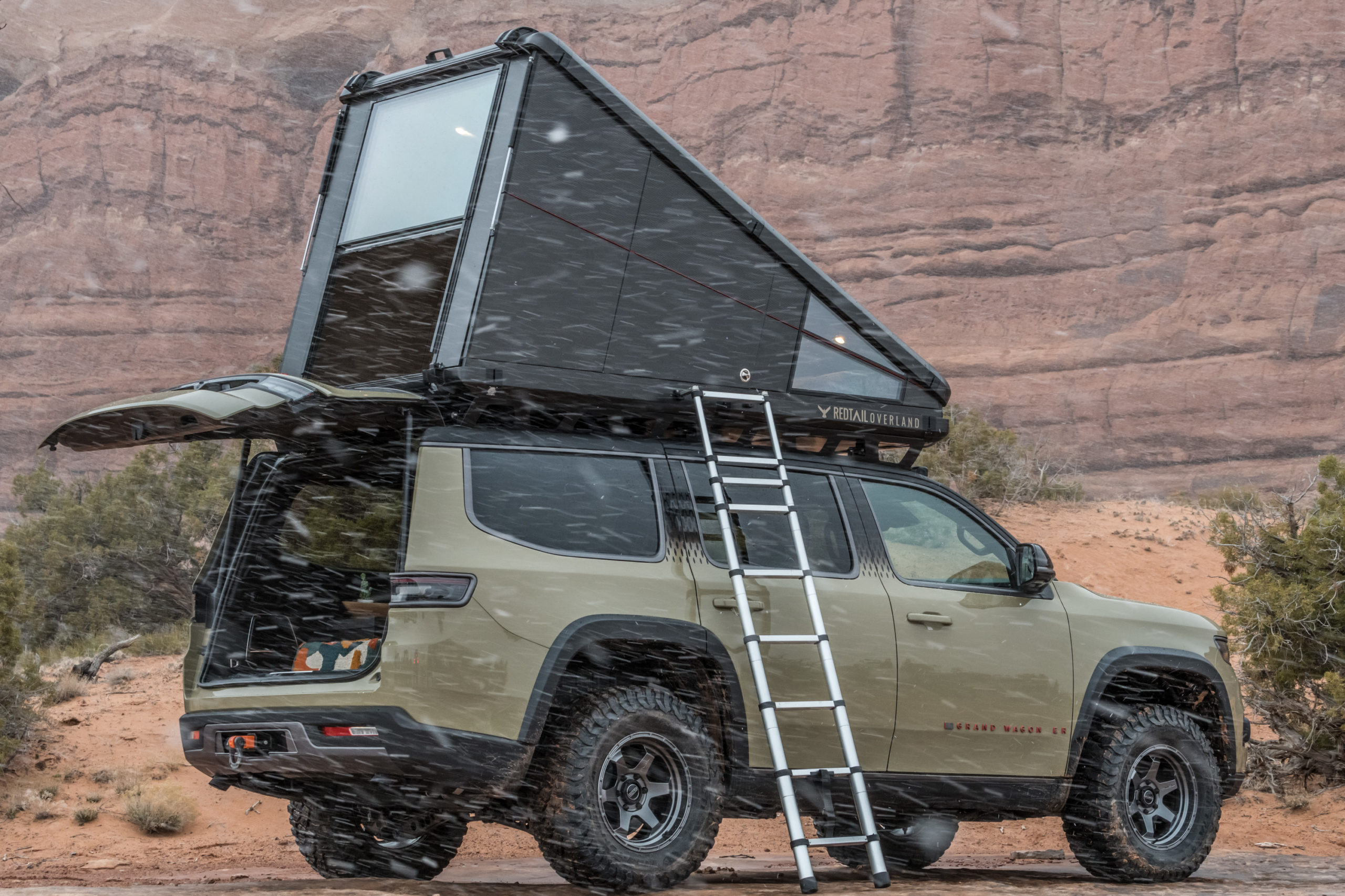
- Roof tents or built-in beds for sleeping
- Large water and fuel tanks
- Recovery tools (winches, shovels, tire repair kits)
- Solar panels or batteries for power
- Portable fridges, stoves, and medical kits
Some overlanders spend thousands of dollars customizing their vehicles. Others keep it simple, focusing on experience instead of equipment.
Overlanding Statistics
- Average overlanding trip lasts 2–4 weeks
- Typical daily distance: 100–300 km
- Most popular regions: North America, Australia, Africa
- Average spending per trip: $1,000–$5,000 depending on gear and route
Many beginners underestimate how much planning, money, and skill overlanding requires. It’s not just camping with a car—it’s a lifestyle.
What Is Camping?
Camping is about spending time outdoors, usually for a short period. It’s a way to escape city life, relax in nature, and enjoy simple pleasures. Camping can be as basic as a tent in the backyard or as advanced as a week in the wilderness.
Main types of camping:
- Tent camping: Most common, easy, and affordable
- RV camping: Using a recreational vehicle for comfort
- Backpacking: Hiking with all gear on your back
- Car camping: Sleeping near your parked car
- Glamping: Luxury camping with modern amenities
Camping focuses on staying in one place, enjoying local activities, and spending time with friends or family. It’s usually short-term—a weekend or a few days.
Typical Camping Activities
Campers often:
- Set up tents or shelters at designated sites
- Build campfires and cook simple meals
- Hike, fish, swim, or play games
- Share stories and relax under the stars
Camping is popular because it’s accessible. Anyone can try it with basic gear, and many campgrounds offer facilities like toilets and showers.
Camping Gear
Camping gear is simple compared to overlanding:
- Tent, sleeping bag, and mat
- Portable stove or grill
- Cooler for food and drinks
- Flashlight or lantern
- Basic first aid kit
Most campers spend less than $500 on gear for their first trip. Many borrow or rent equipment to save money.
Camping Statistics
- Over 40 million Americans go camping every year
- Average camping trip: 2–3 nights
- Most campers travel less than 100 km from home
- Family camping is the most popular style
A common mistake is thinking camping needs expensive gear. With good planning, you can have a great experience for little money.
Overlanding Vs Camping: Key Differences
To make the differences clear, here’s a side-by-side comparison:
| Aspect | Overlanding | Camping |
|---|---|---|
| Duration | Days to months | 1–7 days |
| Travel Distance | Long, cross-country | Short, local |
| Accommodation | Vehicle-based, mobile | Tent, RV, fixed spot |
| Gear | Heavy-duty, specialized | Basic, easy to carry |
| Skills Needed | Navigation, mechanics, survival | Outdoor basics |
| Cost | High (vehicle, gear, fuel) | Low (gear, campsite fees) |
| Focus | Adventure, exploration | Relaxation, recreation |
Overlanding and camping share some similarities, but their purpose, gear, and cost are very different. Overlanding is about movement and challenge. Camping is about staying, resting, and enjoying nature.
Who Should Choose Overlanding?
Overlanding suits people who:
- Love adventure and discovery
- Enjoy driving and exploring new places
- Want to test their skills in navigation and survival
- Are comfortable with uncertainty and risk
- Like being self-sufficient and independent
If you dream of crossing continents or seeing remote landscapes, overlanding is perfect. You need to plan carefully, invest in gear, and be ready for tough situations. Overlanding is not for everyone—it’s demanding, sometimes risky, and can get expensive fast.
Real-life Example
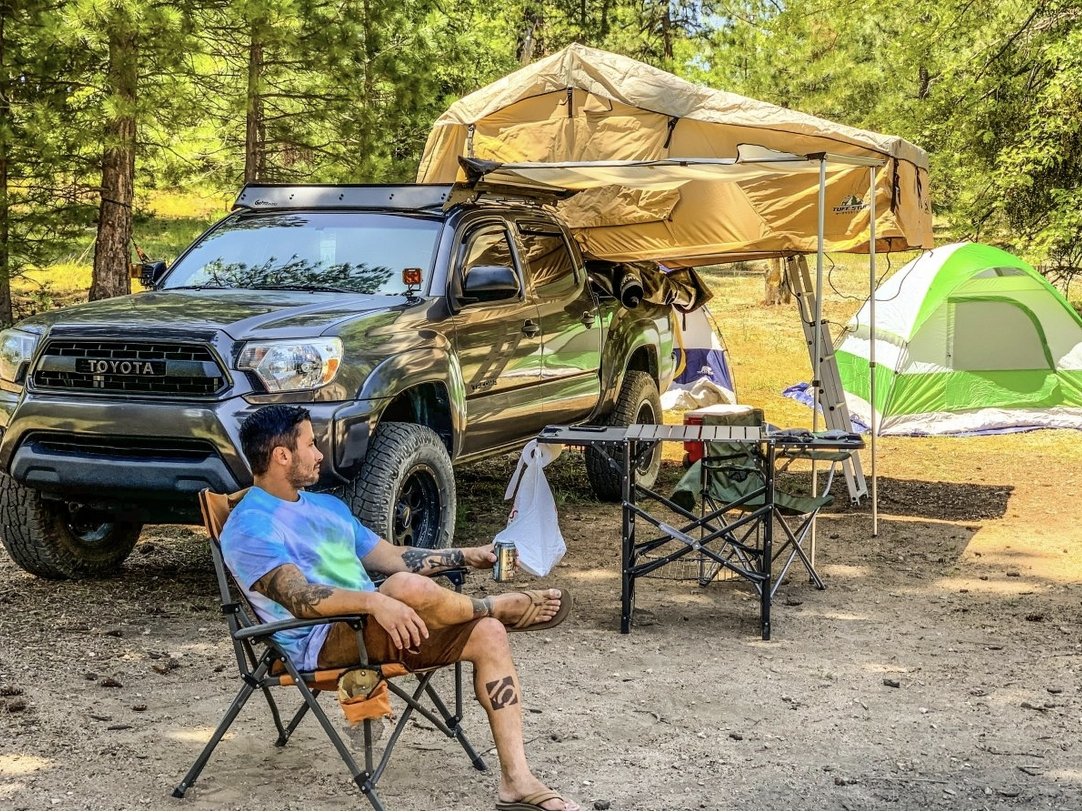
Anna, a 32-year-old from Germany, spent 4 months overlanding across Africa. She drove a modified Toyota Hilux, slept in a roof tent, and visited remote villages. She learned to fix her car, cook with local ingredients, and handle emergencies alone.
Anna spent about $10,000, but says the experience changed her life.
Credit: tuffstuffoverland.com
Who Should Choose Camping?
Camping is great for:
- Families, friends, and beginners
- People who want easy, affordable outdoor fun
- Those who prefer short trips with less planning
- Anyone looking for relaxation, not adventure
If you want to escape the city, connect with nature, and enjoy simple activities, camping is ideal. You don’t need much gear or skills, and you can start close to home.
Real-life Example
John and his family camp every summer in national parks. They use a tent, cook simple meals, and hike during the day. Their trips cost less than $500 each, and everyone enjoys the time together. Camping helps them bond, relax, and learn new things.
Common Mistakes Beginners Make
Many beginners confuse overlanding with camping. Here are mistakes to avoid:
- Underestimating overlanding costs: Vehicle upgrades, fuel, and gear add up quickly.
- Ignoring skills: Overlanding needs navigation, repair, and survival knowledge.
- Packing too much for camping: Keep camping gear simple—you don’t need everything.
- Choosing the wrong location: Overlanding needs remote routes; camping needs safe, accessible sites.
- Skipping planning: Both activities require route, weather, and gear checks.
- Missing local rules: Some areas have strict camping or vehicle restrictions.
- Expecting comfort: Overlanding can be tough, camping can be basic—don’t expect luxury.
One insight many miss: overlanding requires daily adaptation. Weather, road conditions, and safety change fast. Camping, on the other hand, is predictable—you set up, relax, and return home.
Overlanding Vs Camping: Cost Breakdown
Here’s a look at typical expenses for each activity:
| Expense Type | Overlanding (per trip) | Camping (per trip) |
|---|---|---|
| Vehicle & Gear | $2,000–$10,000 | $100–$500 |
| Fuel | $300–$1,500 | $50–$200 |
| Food | $200–$800 | $50–$300 |
| Campsites | $100–$500 | $20–$100 |
| Permits/Fees | $50–$200 | $10–$50 |
| Total | $2,650–$13,000 | $230–$1,150 |
Overlanding is much more expensive, mainly because of vehicle costs. Camping can be almost free if you use public lands and basic gear.
Overlanding Vs Camping: Safety And Risks
Safety is a big concern in both activities, but overlanding has more risks.
| Risk Type | Overlanding | Camping |
|---|---|---|
| Vehicle breakdown | High (remote areas) | Low (near roads) |
| Weather | Unpredictable, may change plans | Usually manageable |
| Wildlife | Possible in remote regions | Common near campsites |
| Navigation | Critical; maps, GPS needed | Simple; follow trails |
| Medical help | Far from hospitals | Close to services |
A surprising insight: Many overlanders need basic medical training. In remote places, you can’t depend on fast help. Campers can usually call for assistance or reach a hospital quickly.
Credit: gearjunkie.com
Practical Tips For Both Activities
- Always check weather and road conditions before leaving.
- Let someone know your route and expected return.
- Pack only what you need—extra gear can slow you down.
- Learn basic first aid and safety skills.
- Respect nature: Leave no trace, follow local rules.
- For overlanding, practice vehicle repair and navigation.
- For camping, learn how to set up tents, build fires, and store food safely.
Which Is Right For You?
Ask yourself:
- Do I want adventure or relaxation?
- Am I comfortable with long travel and uncertainty?
- How much can I spend on gear and travel?
- What skills do I have (or want to learn)?
- Who will join me—family, friends, solo?
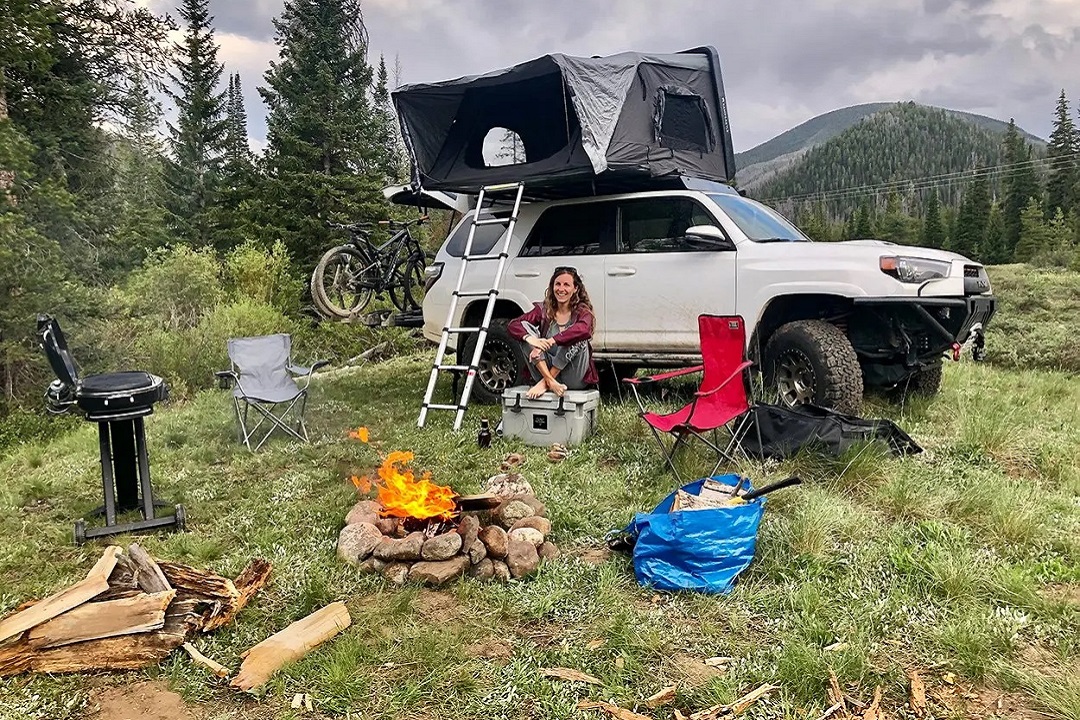
If you want adventure, challenge, and discovery, try overlanding. If you prefer comfort, simplicity, and fun, choose camping.
For more guidance on outdoor travel, check out this Wikipedia guide.
Credit: terrain-mag.com
Frequently Asked Questions
What Is The Main Difference Between Overlanding And Camping?
The main difference is overlanding focuses on long-distance, vehicle-based travel and adventure. Camping is about staying in one place for a short time, enjoying nature with simple gear.
Can I Go Overlanding With A Regular Car?
It’s possible, but risky. Overlanding needs off-road vehicles for tough terrain and carrying gear. A regular car can work for light overlanding, but avoid remote or rough routes.
Is Camping Cheaper Than Overlanding?
Yes, camping is usually much cheaper. You need less gear, don’t travel far, and pay lower fees. Overlanding costs more because of vehicle upgrades, fuel, and advanced equipment.
How Can I Stay Safe While Overlanding?
Prepare by learning navigation, vehicle repair, and first aid. Always check weather and road conditions, carry extra supplies, and share your route with someone.
What Gear Do I Need For My First Camping Trip?
Start with a tent, sleeping bag, mat, stove, flashlight, and basic first aid kit. Add extra gear only as you gain experience. Keep it simple for your first trip.
Both overlanding and camping open doors to the outdoors. Knowing the difference helps you choose the best adventure for your skills, budget, and dreams. Whether you cross continents or camp in a backyard, the most important thing is to enjoy the journey and respect nature.
Disclosure: As an Amazon Associate, I may earn from qualifying purchases at no extra cost to you. Amazon and the Amazon logo are trademarks of Amazon.com, Inc, or its affiliates.
