
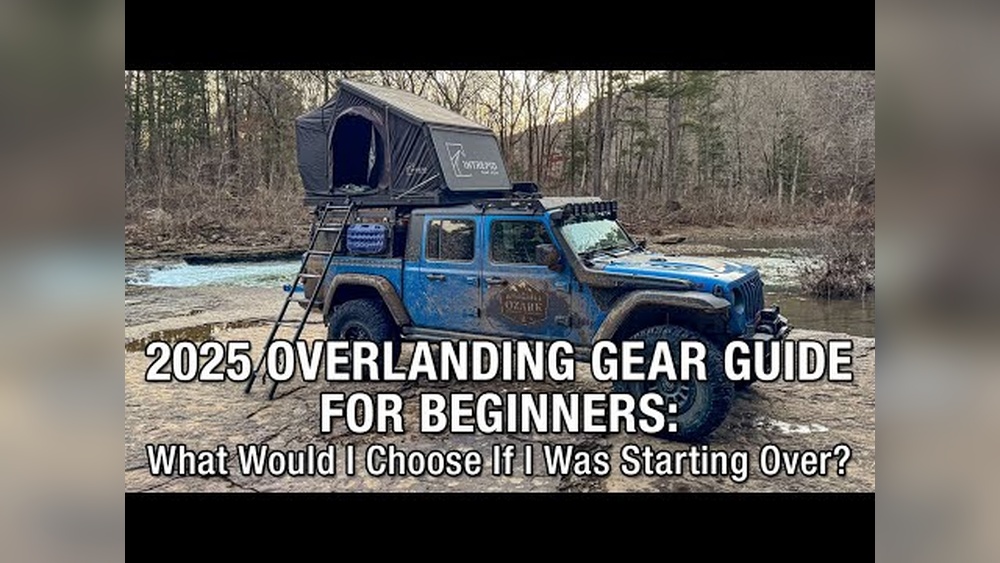
Overlanding has become a popular way to explore remote places with your own vehicle. It’s exciting, but it’s also demanding, especially for beginners. If you’re new to overlanding, you probably wonder what gear is essential and what can wait. Packing the right equipment can make your first journey safe, comfortable, and fun.
This guide breaks down every item you need for your first overlanding adventure. It explains why each piece matters, how to choose wisely, and what mistakes to avoid. You’ll find practical advice, helpful examples, and even a few tips that most beginners miss.
Whether you’re planning a weekend escape or a longer expedition, use this checklist to prepare with confidence.
Essential Vehicle Gear
Your vehicle is your home and lifeline during overlanding. Having the right gear for your car or truck is crucial.
Recovery Equipment
Getting stuck is common in overlanding. Mud, sand, snow—these obstacles can surprise you. For beginners, recovery gear is a must.
- Recovery straps (20,000 lbs minimum)
- D-shackles or soft shackles
- Shovel
- Traction boards (like Maxtrax)
- Winch (optional for beginners, but useful)
A common mistake is relying only on 4WD. Even the best vehicles can get stuck. Always carry at least a shovel and recovery straps.
Spare Tire And Tire Repair
Flat tires happen, especially off-road. Carry:
- Full-size spare tire (not a space-saver)
- Tire repair kit (plug kit, patches)
- Portable air compressor
A tire repair kit can handle small punctures, while a compressor helps air up after rocky or sandy terrain. Beginners often forget to check their spare tire’s condition before leaving.
Basic Tools
You should have tools for simple repairs. Include:
- Socket set
- Screwdrivers
- Pliers
- Adjustable wrench
- Multitool
Don’t overload with tools you don’t know how to use. Focus on basics.
Vehicle Fluids
Bring small bottles of:
- Engine oil
- Coolant
- Brake fluid
- Windshield washer fluid
Leaks and overheating can happen far from help. Carrying extra fluids can save your trip.
Jump Starter And Battery Charger
A jump starter is smart insurance, especially if you camp in cold places. Modern lithium jump starters are compact and reliable. Also consider a portable battery charger for longer trips.
Comparison: Recovery Gear Vs Tire Repair Kit
Here’s a simple table to compare their uses:
| Gear | Purpose | When Needed | Beginner Tip |
|---|---|---|---|
| Recovery Gear | Get vehicle unstuck | Mud, sand, snow | Practice using straps before trip |
| Tire Repair Kit | Fix flat tires | Rocky, rough roads | Learn to plug tire safely |
Camping Gear
You’ll spend nights outdoors, so camping gear is vital for comfort and safety.
Tent Or Roof Top Tent
Choose a tent suitable for your climate. Ground tents are cheaper and easier for beginners. Roof top tents offer convenience but are expensive and bulky.
- Ground tent (3-season, easy setup)
- Roof top tent (optional)
Check if your tent can handle rain and wind. Beginners often buy large tents, but smaller ones are faster to set up.
Sleeping System
Sleep well to stay energized. You’ll need:
- Sleeping bag (rated for lowest expected temperature)
- Sleeping pad or air mattress
- Pillow
For cold weather, add a liner to your sleeping bag. Many new overlanders underestimate how cold nights can be.
Cooking Equipment
Eating well is important. Bring:
- Portable stove (propane or butane)
- Cooking pot and pan
- Plates, bowls, utensils
- Knife
- Lighter and backup matches
Don’t forget dish soap and a sponge for cleaning up. Many beginners pack too much cookware; keep it simple.
Food And Water Storage
Store food safely and keep water clean.
- Cooler or portable fridge
- Food containers (sealed)
- Water jugs (at least 4 liters per person per day)
- Water filter or purification tablets
Water is heavier than you think—plan carefully. Most beginners bring too little water, especially for remote areas.
Lighting
Overlanding camps can be dark. Bring:
- Headlamp (hands-free)
- Lantern
- Spare batteries
Avoid relying only on your vehicle’s lights. Headlamps are practical for cooking and setup.
Camping Gear Comparison
Compare sleeping bag vs sleeping pad:
| Item | Main Function | Comfort Level | Beginner Advice |
|---|---|---|---|
| Sleeping Bag | Warmth | High if rated for weather | Check temperature rating |
| Sleeping Pad | Cushion and insulation | Medium to high | Test pad at home first |

Credit: www.youtube.com
Navigation And Communication
Knowing where you are—and keeping in touch—is essential.
Gps Navigation
Paper maps are good, but a GPS device is easier for beginners. Use:
- Dedicated GPS units (like Garmin)
- Smartphone apps (Gaia, Maps.me)
- Offline maps
Always download maps before leaving, as cell service can drop unexpectedly.
Paper Maps And Compass
Digital devices can fail. Carry:
- Regional paper maps
- Compass
Learn basic navigation skills. Most beginners never use a compass, but it’s a simple backup.
Radios And Emergency Communication
Stay safe by keeping in touch.
- Walkie-talkies (GMRS or FRS)
- Satellite messenger (like Garmin InReach)
- Emergency whistle
Satellite messengers can send SOS signals if you’re out of cell range. For beginners, a whistle is cheap but powerful in emergencies.
Navigation Gear Comparison
How Does Gps Compare To Paper Maps?
| Navigation Tool | Reliability | Ease of Use | Beginner Insight |
|---|---|---|---|
| GPS Device | High (with power) | Easy | Keep it charged |
| Paper Map | Very high | Requires skill | Practice before trip |
Safety And First Aid
Being prepared for injuries and emergencies is vital.
First Aid Kit
Bring a first aid kit with:
- Bandages (various sizes)
- Antiseptic wipes
- Pain relief (ibuprofen, acetaminophen)
- Tweezers
- Medical gloves
Check kit contents before each trip. Add personal medicines as needed.
Fire Extinguisher
Small vehicle fires can happen. Carry a compact fire extinguisher rated for vehicles.
Personal Locator Beacon
For remote trips, a personal locator beacon can alert rescuers in case of emergency. It’s more reliable than a phone in wilderness areas.
Sunscreen And Bug Spray
Protect yourself from the elements. Sunscreen prevents burns, and bug spray keeps insects away. Beginners often forget these, leading to sunburn and bites.
Credit: www.ecoflow.com
Clothing And Personal Items
Comfortable, weather-appropriate clothing makes a big difference.
Layered Clothing
Pack clothing in layers:
- Moisture-wicking base layer
- Insulating mid-layer (fleece or wool)
- Waterproof outer layer (jacket, pants)
Adjust layers as weather changes. Overpacking is common—focus on essentials.
Footwear
Sturdy boots are best for hiking and rough terrain. Bring sandals or camp shoes for relaxing.
Hat And Sunglasses
Protect your eyes and skin. Wide-brim hats are better than caps for sun protection.
Hygiene Items
Don’t neglect hygiene:
- Biodegradable soap
- Toothbrush and toothpaste
- Wet wipes
- Toilet paper
- Small shovel (for digging toilet holes)
Many beginners skip wet wipes, but they’re useful when water is scarce.
Optional Comfort And Extra Gear
Some gear isn’t essential but makes your trip more comfortable.
Camp Chairs And Table
Lightweight chairs and a small table make mealtime easier.
Awning Or Shade Shelter
For sunny or rainy weather, an awning provides shelter. Beginners often overlook shade, but it makes midday breaks comfortable.
Power Bank
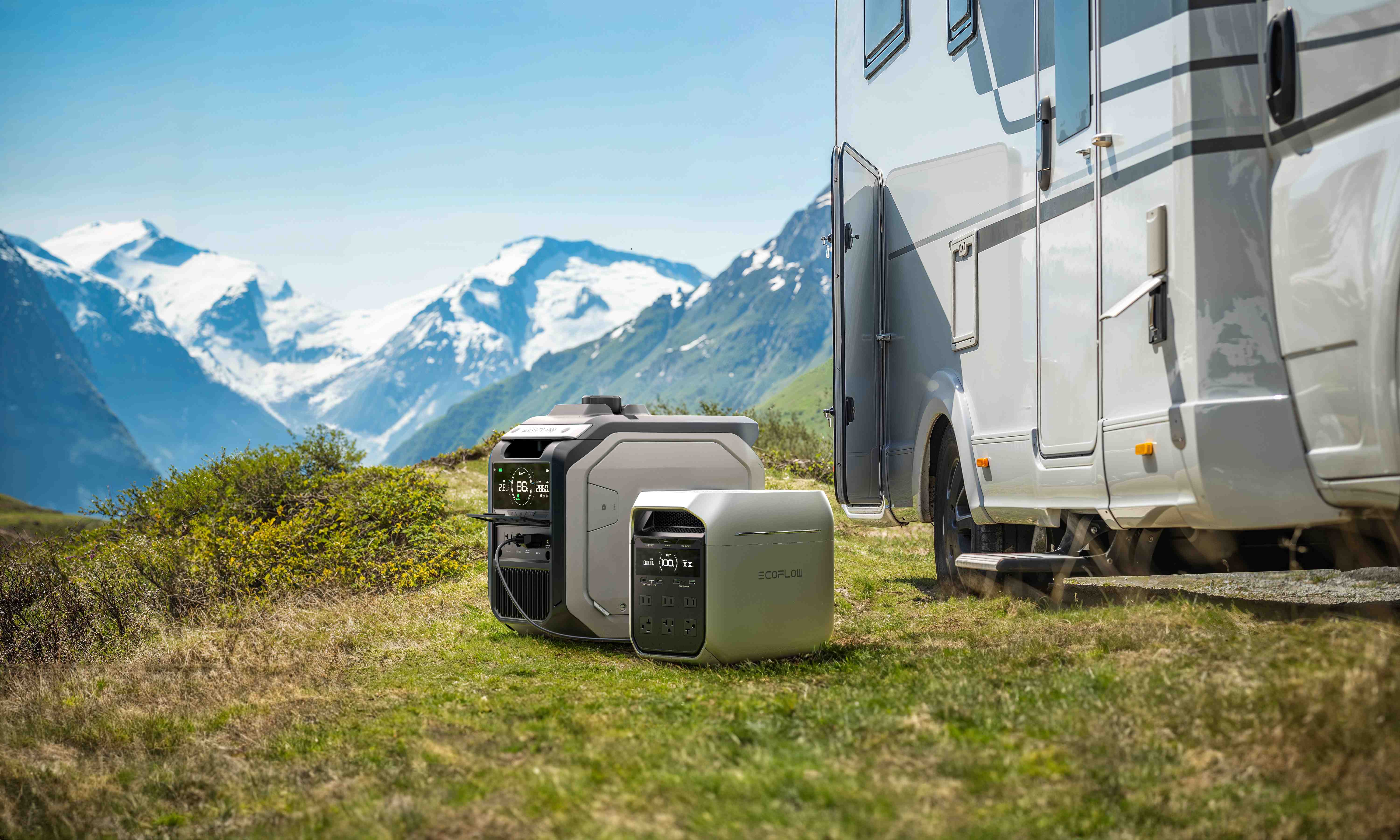
Charge phones and small devices. Solar chargers are slow but useful for long trips.
Camera
Capture memories. A phone camera works, but a dedicated camera gives better results.
Credit: overlandgearsupply.com
Two Non-obvious Beginner Insights
1. Practice Using Your Gear Before The Trip
Many beginners buy everything at once but never test it. Spend an afternoon practicing with your tent, stove, and recovery gear. It will save time and trouble.
2. Plan For Waste Management
Overlanding means packing out all trash and waste. Bring extra bags for garbage, and learn how to handle human waste responsibly. It’s easy to forget, but crucial for keeping nature clean.
Overlanding Gear Checklist Summary
Here’s a quick summary of the must-have gear for beginners:
- Recovery equipment (straps, shovel, boards)
- Spare tire and repair kit
- Basic tools and fluids
- Jump starter
- Tent and sleeping system
- Cooking equipment
- Food and water storage
- Lighting (headlamp, lantern)
- GPS and offline maps
- Radios or satellite messenger
- First aid kit
- Fire extinguisher
- Sunscreen and bug spray
- Layered clothing and sturdy boots
- Hygiene items
- Optional: Camp chairs, awning, power bank, camera
Each item plays a role in keeping you safe, comfortable, and ready for adventure.
If you want more detailed gear reviews and tips, check the Expedition Portal for expert advice.
Frequently Asked Questions
What Is The Most Important Overlanding Gear For Beginners?
The most important gear is recovery equipment and a first aid kit. These help you handle emergencies and stay safe when unexpected problems happen.
How Much Water Should I Bring For Overlanding?
Plan for at least 4 liters per person per day. Bring extra for cooking, cleaning, and emergencies. Always carry more than you think you need.
Can I Use Regular Camping Gear For Overlanding?
Yes, you can use regular camping gear, but choose items that are durable and compact. Overlanding involves rough travel, so gear should withstand bumpy roads and weather.
How Do I Keep Food Safe During Overlanding?
Use a cooler or portable fridge and sealed containers. Keep perishable foods cold and pack dry snacks for backup. Avoid leaving food out to keep animals away.
What Navigation Apps Are Best For Overlanding?
Popular apps include Gaia GPS, Maps.me, and Google Maps (offline mode). Always download maps before you leave, and carry paper maps for backup.
Preparing for your first overlanding trip can feel overwhelming, but with this gear checklist, you’re ready to start your adventure. Remember, practice and planning are just as important as the gear itself. Enjoy the journey and stay safe!
Disclosure: As an Amazon Associate, I may earn from qualifying purchases at no extra cost to you. Amazon and the Amazon logo are trademarks of Amazon.com, Inc, or its affiliates.
