
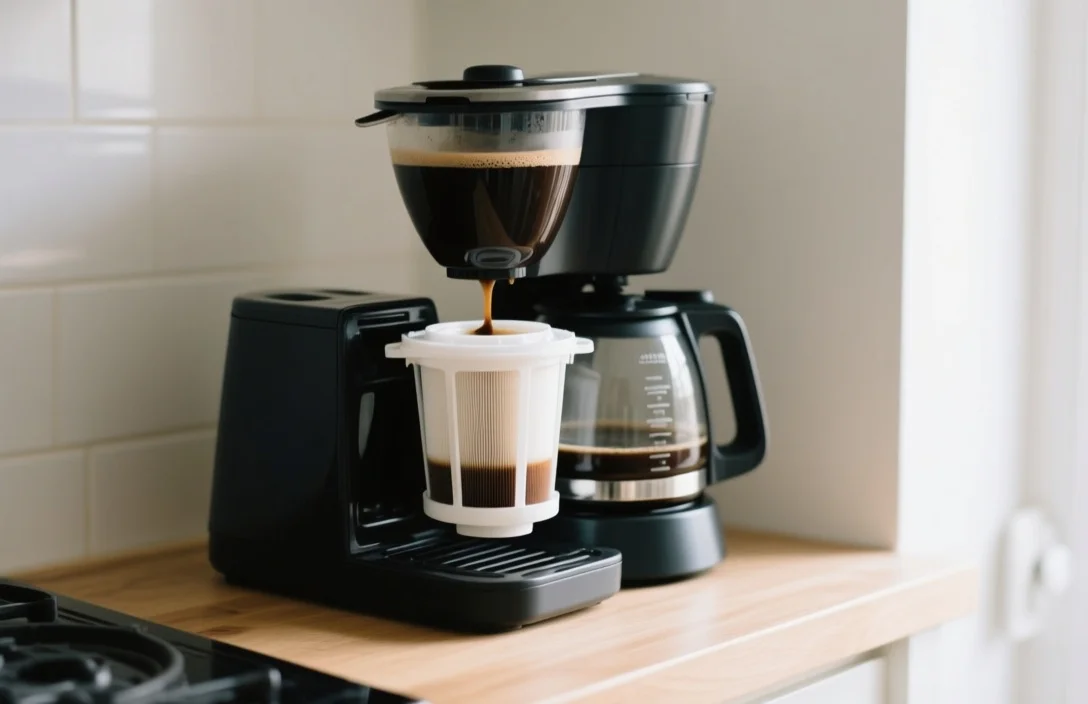
Replacing your coffee maker‘s water filter takes less than 10 minutes but makes a noticeable difference in taste and machine longevity. Over time, filters become clogged with minerals and contaminants, slowing water flow and affecting coffee quality. Regular replacement ensures your machine performs optimally and delivers clean, great-tasting coffee every time.
A coffee maker water filter should be replaced every 2-3 months, or when the filter status light indicates it’s time, or if you notice slower water flow or changes in coffee taste. Most filters are designed to treat 40-60 gallons of water before needing replacement.
Key Takeaways
- Timing matters. Replace your filter every 2-3 months for optimal performance.
- Always prep. Run fresh water through the new filter before brewing coffee.
- Compatibility check. Match the replacement filter to your coffee maker model.
- Clean the housing. Wipe the filter compartment during replacement to remove buildup.
- Reset the indicator. Don’t forget to reset the replacement light if your model has one.
- Water quality matters. Filter replacement frequency increases with hard water areas.
How to begin
Replacing a coffee maker water filter is a simple maintenance task that most homeowners can complete without specialized tools. Before beginning, confirm your coffee maker uses replaceable water filters rather than having a built-in filtration system. Most modern drip coffee makers from brands like Cuisinart, Keurig, and Ninja include removable filter cartridges that require periodic replacement.
Gather your supplies: the correct replacement filter (check your model’s manual or the old filter for part number), a clean cloth, and possibly a small bowl if your machine requires priming. Work in a well-lit area near a sink, as some water may spill during the process. Always unplug the coffee maker before starting any maintenance to prevent electrical hazards.
Basics of How to Replace a Coffee Maker Water Filter
Water filters in coffee makers typically use activated carbon to remove chlorine, calcium, and other impurities that affect taste and can cause mineral buildup. The most common filter types are carbon block cartridges and charcoal filters, which sit in dedicated compartments within the water reservoir or along the water path. Filter life varies by brand and water hardness but generally ranges from 40 to 60 gallons of treated water.
Understanding your coffee maker’s filter system is crucial. Some models have filter status lights that indicate when replacement is needed, while others require manual monitoring based on time or water usage. Refer to your owner’s manual to locate the filter compartment and identify the correct replacement part number. Using incompatible filters can lead to poor performance or damage to your machine.
How to Replace a Coffee Maker Water Filter
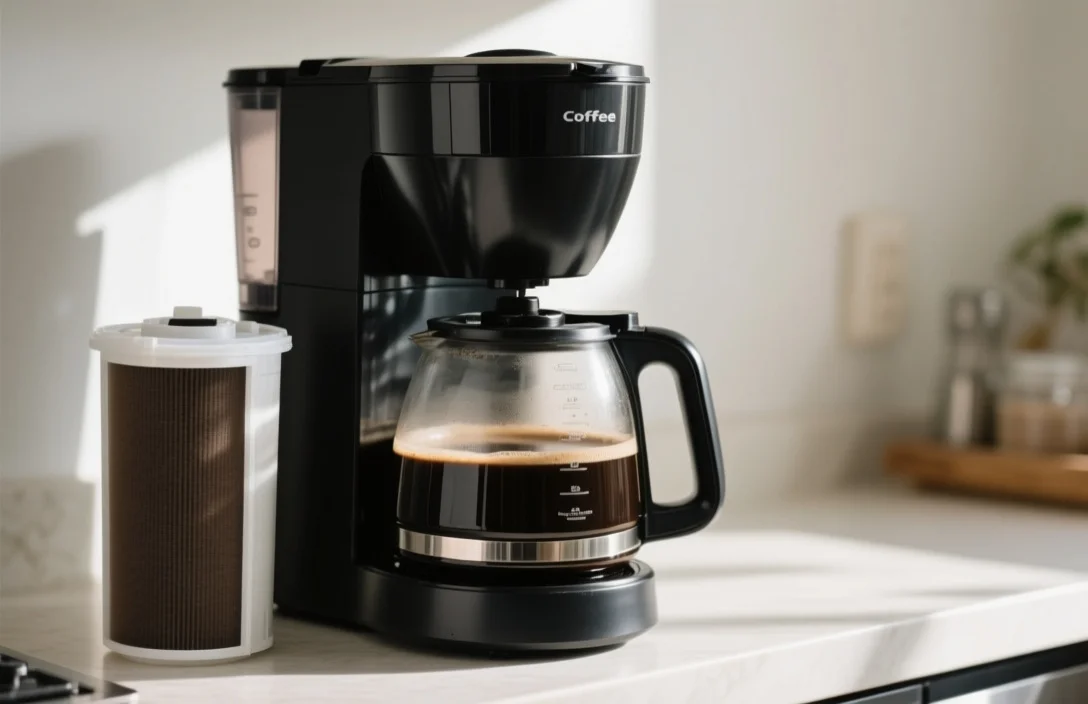
- Unplug the coffee maker and remove any remaining water from the reservoir. Empty the carafe and discard any coffee grounds.
- Locate the filter compartment – this is typically inside the water reservoir, along the water path, or in a separate housing. Consult your manual if unsure.
- Remove the old filter by twisting it counterclockwise (most common), pulling straight out, or releasing a clamp depending on your model. Note how it was positioned for proper reinstallation.
- Clean the filter housing with a damp cloth to remove any mineral deposits or debris. Rinse if necessary and dry thoroughly.
- Install the new filter according to the manufacturer’s instructions, ensuring it seats properly in the compartment. Some filters require a brief soak before installation.
- Prime the new filter by running fresh water through the system without coffee grounds. Most machines require 2-3 full reservoir cycles to properly saturate the filter and remove carbon particles.
- Reset the filter indicator if your coffee maker has one – this is often done by holding a specific button for 5-10 seconds as outlined in your manual.
Helpful pick
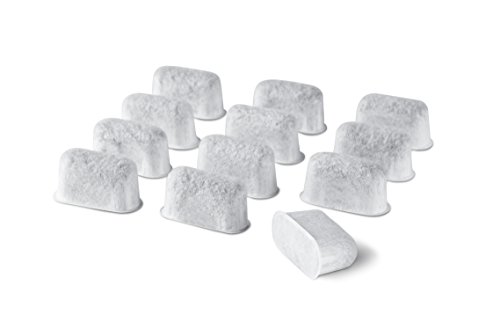
12-Pack Replacement Charcoal Water Filters for Use with Cuisinart coffee machines
Keep this 12-pack of replacement charcoal filters on hand so you are always prepared to swap out your old filter during routine maintenance.
Things that matter most
Proper filter installation requires attention to detail to ensure effective filtration. When inserting the new filter, listen for a click or feel for resistance to confirm it’s fully seated. For twist-lock filters, hand-tighten until snug – overtightening can damage the housing. If your machine requires priming, pour water slowly to allow the filter to absorb liquid gradually, preventing overflow and ensuring optimal performance.
Water quality in your area significantly impacts filter life. If you have hard water (high mineral content), replace filters every 1-2 months instead of the standard 2-3 months. Keep track of replacement dates using a calendar app or by noting the installation date on the filter itself. For machines with bypass settings, consider using filtered water for brewing while bypassing the filter for cleaning cycles to extend filter life.
What works in practice
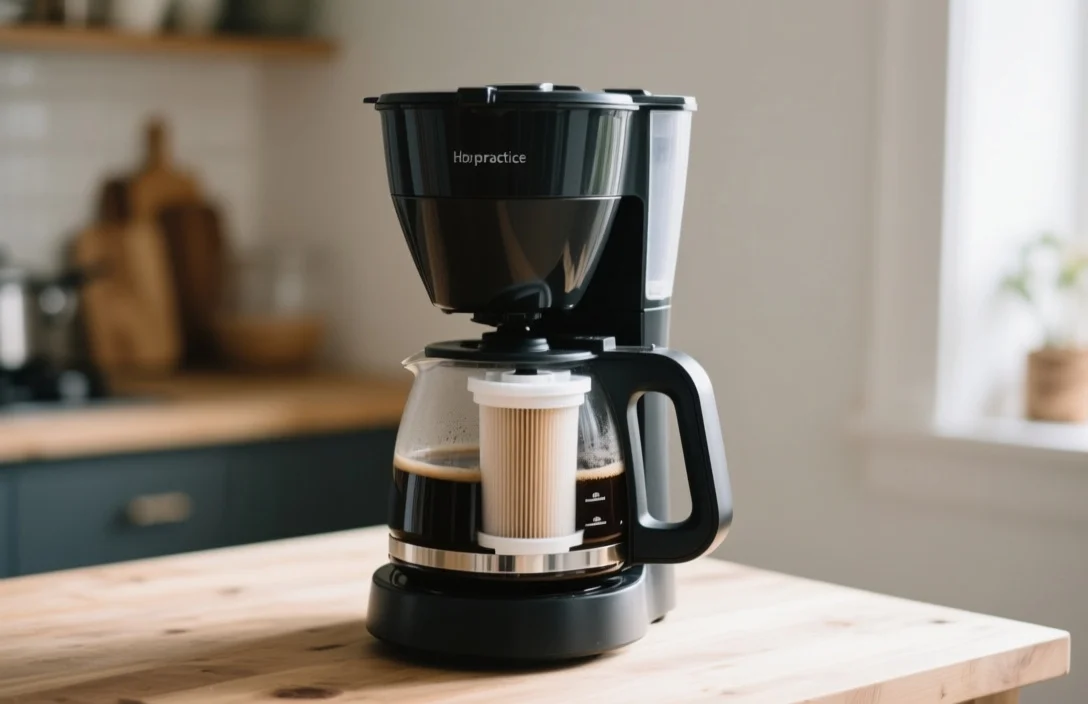
Develop a regular maintenance schedule to keep your coffee maker performing at its best. Mark your calendar for filter replacements and machine descaling (every 3-6 months) to prevent buildup. Always use manufacturer-recommended replacement filters – generic alternatives may not fit properly or provide adequate filtration. Keep a spare filter on hand to avoid delays when replacement is needed.
Store replacement filters in a cool, dry place away from direct sunlight and strong odors, which can affect their carbon media. After installation, run several cycles of plain water before brewing coffee to remove any carbon dust or manufacturing residue. Monitor your coffee’s taste and the machine’s water flow between replacements as early indicators that maintenance is needed.
Mistakes to Avoid with How to Replace a Coffee Maker Water Filter
Never reuse a water filter, even if it appears clean. Once saturated with contaminants, filters lose effectiveness and can release trapped particles back into your water. Avoid forcing a filter into place – if it doesn’t fit smoothly, check for proper orientation or compatibility. Don’t skip the priming step with new filters, as dry filters can restrict water flow and cause brewing problems.
Many users overlook resetting the filter status light after replacement, leading to premature filter changes. Always consult your specific model’s instructions rather than assuming universal procedures. Never use damaged or cracked filters, as they can leak or allow contaminants to bypass the filtration media. Additionally, avoid mixing filter types within the same machine unless explicitly approved by the manufacturer.

Helpful pick
Coffee Maker Water Filter Replacement For GE Cafe Drip Coffee Maker UNIV1CFLTR6PK Carbon Coffee Filter G7CDABSSTSS, G7CDAASSTSS, C7CDAAS3PD3, C7CDAAS4PW3, 6 Pcs
Avoid the mistake of reusing old filters by keeping a fresh supply of these carbon cartridges specifically designed for GE Cafe drip machines.
Pro Tips for How to Replace a Coffee Maker Water Filter
For hard water areas, consider alternating between standard filters and specialized descaling filters to tackle both taste and mineral buildup. Keep a small notebook in your kitchen to record filter installation dates and performance observations. If you notice reduced water flow even after replacing the filter, check for clogs in the water lines or mineral buildup in the showerhead – these may require separate cleaning.
When purchasing replacement filters, buy from authorized retailers to avoid counterfeit products that may not meet filtration standards. Some advanced models allow filter replacements without completely emptying the reservoir – check if your machine has this feature for easier maintenance. For optimal coffee flavor, replace filters at the recommended intervals rather than waiting for taste changes to occur, as contaminants can affect coffee quality before you notice a difference.

Helpful pick
Pack of 12 Replacement Charcoal Water Filters for Keurig Brewers – Coffee Machine Compatible Water Filter Cartridges Universal Fit (NOT CUISINART) for Keurig 2.0 & 1.0 Coffee Makers
For those using Keurig brewers, these universal fit charcoal filters are an excellent choice to help manage water quality and improve coffee flavor.
FAQ About Replace A Coffee Maker Water Filter
How often should I replace my coffee maker water filter?
Replace your coffee maker water filter every 2-3 months under normal usage. If you have hard water or brew large volumes daily, replace it every 1-2 months. Always change it when the status light indicates or if you notice slower water flow or changes in coffee taste.
Can I use a generic replacement filter instead of the brand name?
Generic replacement filters are often compatible and cost-effective, but verify they match your model’s specifications. Some coffee makers have proprietary designs that require brand-specific filters. Check your manual or consult the manufacturer to ensure compatibility before purchasing alternatives.
Why does my coffee taste bad even after replacing the filter?
Several factors can cause poor coffee taste after filter replacement: improper priming of the new filter, mineral buildup in other parts of the machine, or stale coffee beans. Run several water-only cycles to prime the filter, descale the machine if overdue, and ensure you’re using fresh, properly stored coffee beans.
Do I need to clean the coffee maker when replacing the filter?
Yes, basic cleaning during filter replacement is recommended. Wipe the filter housing and check for mineral deposits. For optimal performance, descale your coffee machine every 3-6 months using a commercial descaling solution or vinegar solution, especially if you have hard water or notice slower brewing times.
How much does a replacement water filter cost for coffee makers?
Coffee maker replacement filters typically cost $5-15 per filter, depending on the brand and model. Some subscription services offer discounts for regular deliveries. While cheaper than bottled water, costs add up over time – budget approximately $20-60 annually for filter replacements if changing every 2-3 months.
Disclosure: As an Amazon Associate, I may earn from qualifying purchases at no extra cost to you. Amazon and the Amazon logo are trademarks of Amazon.com, Inc, or its affiliates.
