
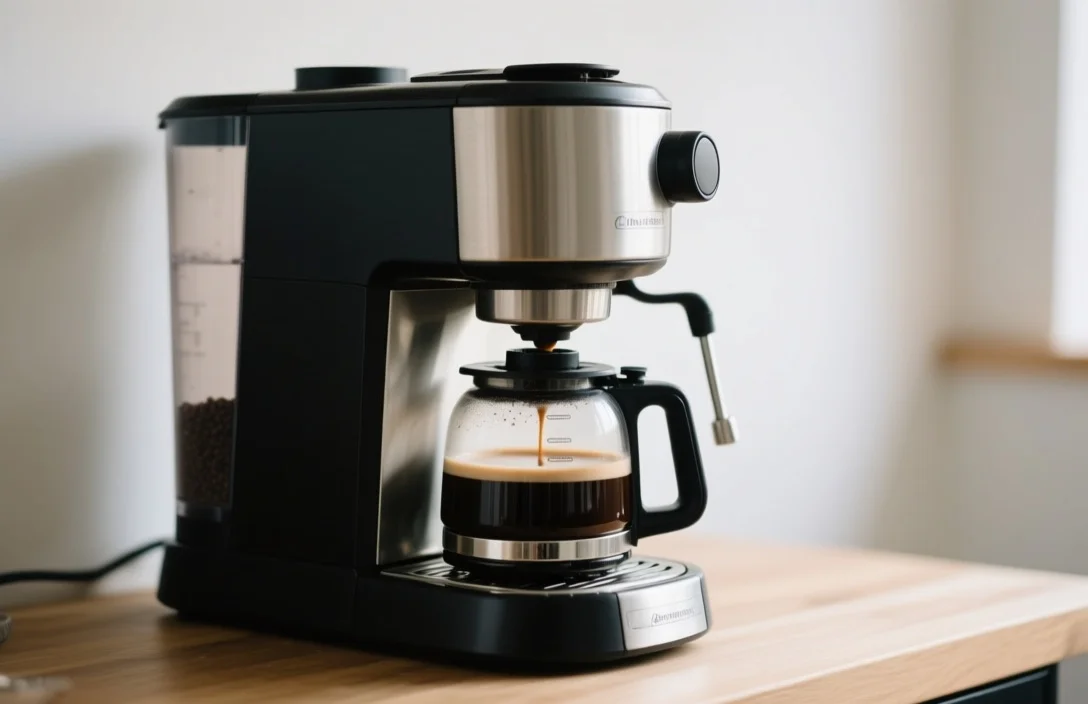
A coffee maker with a grinder is an all-in-one appliance that crushes whole beans and brews them into a cup of coffee within a single machine. By combining the grinding stage and the brewing stage into one footprint, these devices remove the need for a separate countertop grinder. You simply load your beans into the hopper, select your strength, and the machine handles the rest of the process automatically.
Most coffee makers with integrated grinders use a dedicated bean hopper located at the top of the unit to feed whole beans into a grinding chamber. Once the beans pass through the grinder, the resulting grounds drop directly into the filter basket or portafilter, where hot water immediately extracts the coffee. This workflow eliminates the need to transfer grounds manually, keeping your kitchen counter cleaner and your morning routine faster.
Key Takeaways
- Freshness is guaranteed. Grinding beans immediately before brewing prevents the rapid oxidation that ruins the flavor of pre-ground coffee.
- Save counter space. Combining two appliances into one unit reduces the clutter on your kitchen counter significantly.
- Consistent coffee strength. Integrated grinders allow you to calibrate the exact amount of coffee used for every single pot.
- Ease of use. Pressing a single button to grind and brew simplifies the process for early morning caffeine needs.
- Maintenance requires diligence. You must clean the grinder chute and bean hopper regularly to prevent old oils from turning rancid.
- Cost varies widely. Entry-level models start around $100, while professional-grade machines can exceed $1,000 based on build quality.
Coffee Maker with Grinder Operation and Components
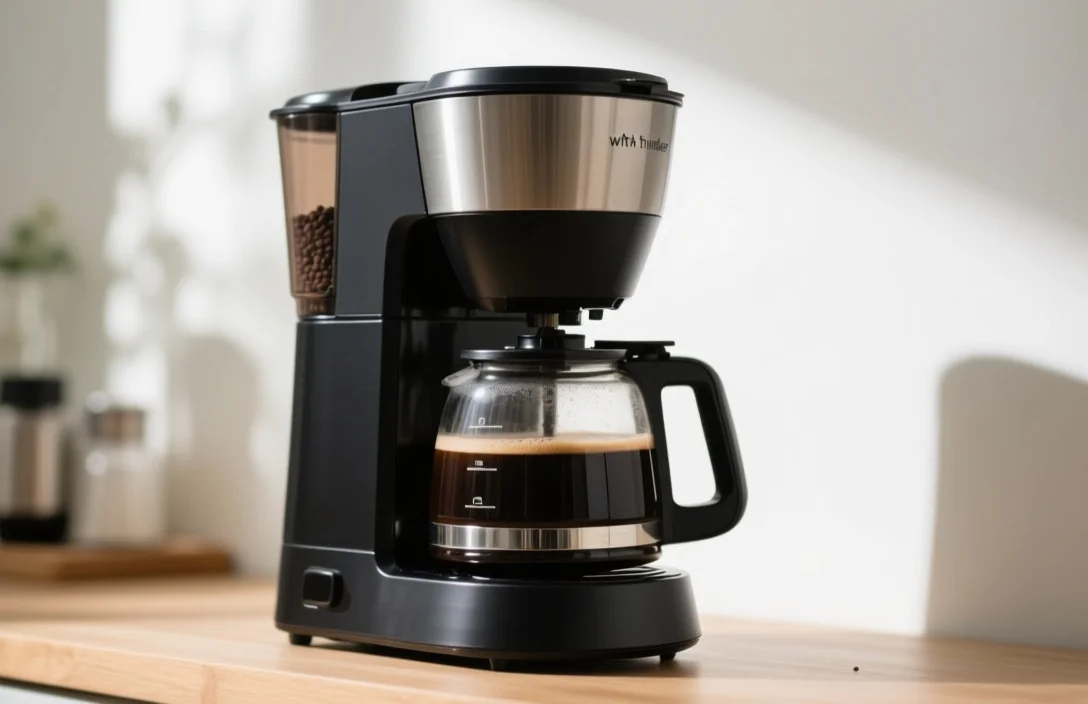
The core of a coffee maker with a grinder is the synchronization between the motor-driven crushing mechanism and the heating element. When you initiate a brew cycle, the machine first activates the grinder for a predetermined amount of time. This timing is critical because it dictates the dose of coffee. Once the grinding is complete, the machine triggers the water pump or gravity-fed system to begin the brewing process.
Internal components include the bean hopper, the grinding chamber, the chute, and the brew basket. The hopper stores the beans in a sealed environment, while the chute acts as a bridge between the grinder and the filter. If any part of this path becomes clogged with old, oily coffee dust, the machine may fail to dispense the correct amount of coffee. Modern units often feature sensors that detect when the hopper is empty or when the lid is not properly secured.
Burr Grinder vs Blade Grinder Integration
Burr grinders crush beans between two surfaces with a consistent gap, while blade grinders use high-speed spinning metal to shatter beans unevenly. For a coffee maker with a grinder, a burr mechanism is superior because it produces uniform particle sizes. Uniform grounds ensure that water extracts flavor evenly, preventing the bitter, over-extracted notes common with the inconsistent dust produced by blade grinders.
Blade grinders are typically found in lower-end models because they are cheaper to manufacture and replace. However, they rely on timing rather than precision to determine grind size. If you run a blade grinder for too long, the friction heats the beans and can scorch them before they even reach the water. Burr grinders, especially conical ones, operate at lower speeds and keep the beans cool, which preserves the delicate volatile oils responsible for aroma.
| Feature | Burr Grinder | Blade Grinder |
|---|---|---|
| Grind Uniformity | High (Consistent) | Low (Inconsistent) |
| Heat Generation | Minimal | High |
| Flavor Profile | Balanced and Clear | Often Bitter |
| Typical Cost | Higher | Lower |
Grinding Beans Freshly for Better Flavor
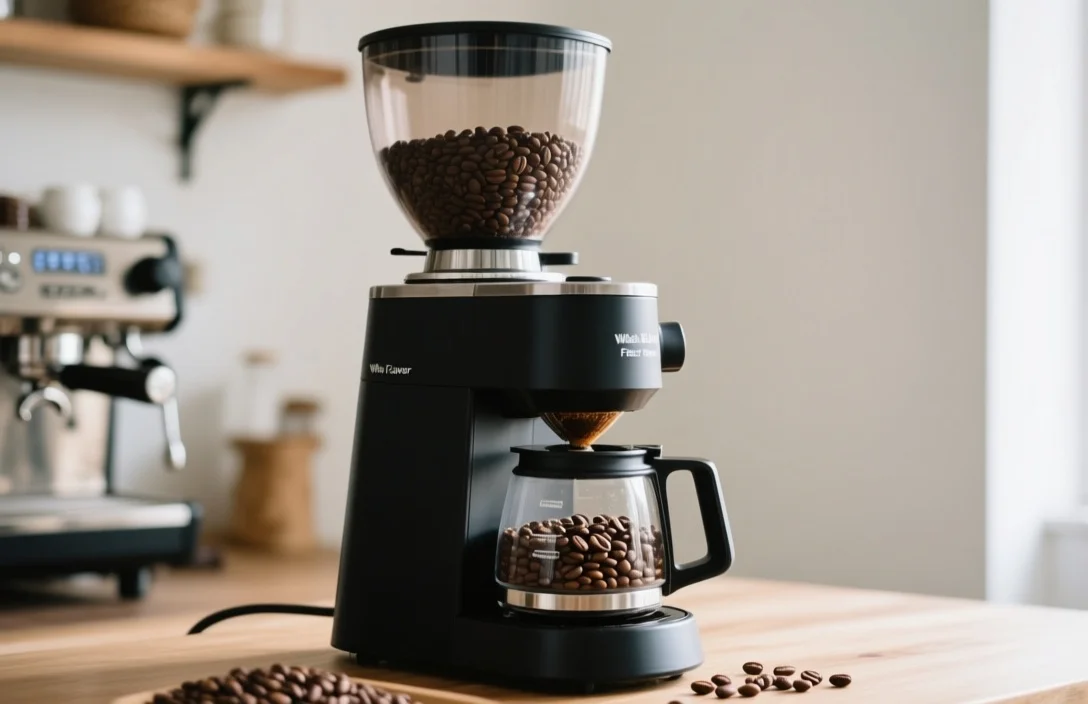
Freshly ground coffee contains chemical compounds that evaporate within minutes of exposure to air. When you purchase pre-ground coffee, the beans have already lost a significant portion of their aromatic oils during the packaging and shipping process. An integrated grinder forces you to wait until the exact moment of brewing to break the cell structure of the bean, locking in the most vibrant flavor notes.
Beyond aroma, fresh grinding allows you to adjust the grind size to match your specific brewing method. If your coffee tastes sour, you can adjust the grinder to a finer setting to slow down the water flow. If it tastes bitter, a coarser setting helps. Having this control at your fingertips ensures that you are not stuck with a factory-set grind size that might not suit your personal taste preferences.
Automatic Drip Coffee Makers with Grinders
Automatic drip machines with grinders are designed for users who want a full pot of coffee without the hassle of manual equipment. These machines function like standard drip brewers but include a built-in hopper and a grinding motor above the filter basket. You set the number of cups you want, and the machine calculates how many beans to grind to achieve the desired strength.
These units are the most popular choice for households because they prioritize convenience over granular control. They often include programmable timers, allowing you to load beans at night and wake up to the sound of the grinder working in the morning. Reliability is the main trade-off, as the more moving parts a machine has, the higher the likelihood of a mechanical failure in the long term.

Helpful pick
ecozy 12-Cup Drip Coffee Maker with Electric Coffee Grinder Combos, Programmable Coffee Machine with Washable Basket Filter, Auto Shutoff Function, No Drip Pause & Pour, Brezzano DuoSet
The ecozy Brezzano DuoSet is a perfect example of a high-capacity automatic drip machine with an integrated grinder.
Espresso Machines with Built-in Grinders
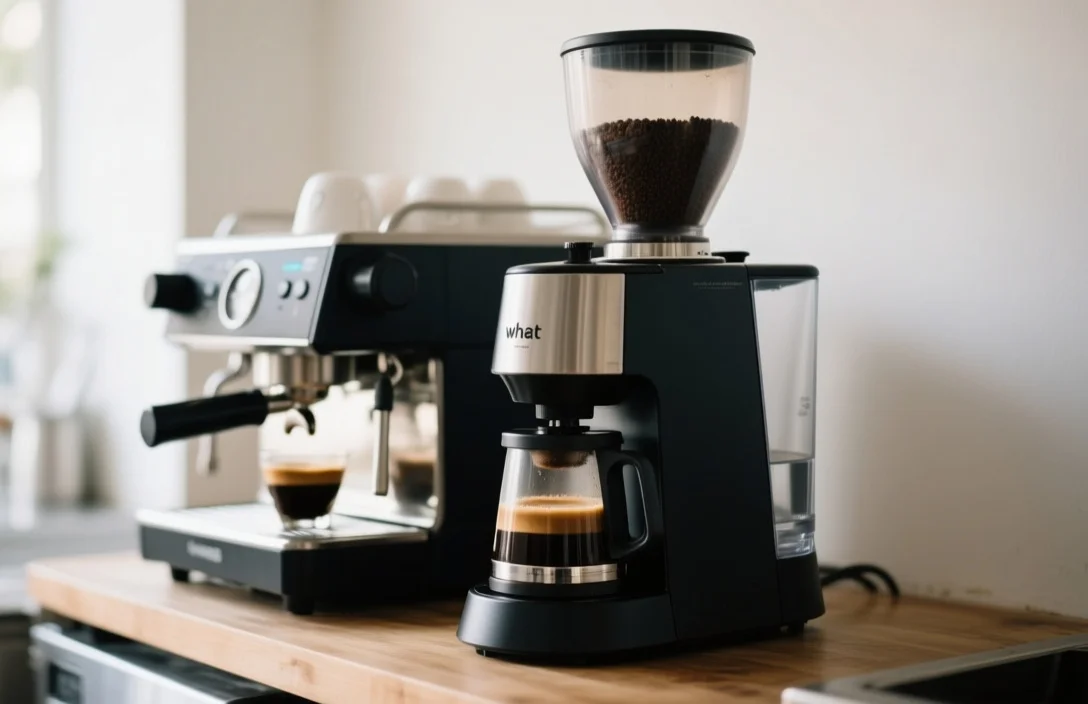
Espresso machines with built-in grinders are precision tools designed to produce a concentrated shot of coffee under high pressure. Unlike drip machines, these grinders must be capable of producing a very fine, powdery grind to create the necessary resistance against the pressurized water. Most of these machines offer micro-adjustments for the grind size, allowing you to dial in the perfect shot for different bean roasts.
The integration here is more complex because the grinder must dispense grounds directly into a portafilter handle. Many high-end models include “grind-on-demand” technology, which weighs the coffee as it hits the basket to ensure exactly 18 or 20 grams of grounds are used. If you are serious about espresso, look for machines that offer a wide range of grind settings, as even a minor change in particle size affects the flow rate significantly.
Cleaning Integrated Grinding Components
Cleaning is the most overlooked aspect of owning a coffee maker with a grinder, yet it is essential for flavor quality. Coffee beans are oily, and those oils leave a residue on the burrs and inside the chute. If you do not clean these parts, the rancid oils will coat your next batch of fresh beans, leading to a stale, cardboard-like taste in your coffee.
You should aim to wipe out the hopper every time you finish a bag of beans. For the internal burrs, use a stiff-bristled brush to clear out trapped grounds once a month. Some machines have removable burrs for deeper cleaning, while others require a specialized cleaning tablet that you run through the grinder to absorb oil. Never use water to clean the grinding burrs, as moisture can cause rust and damage the motor components.
FAQ About What Is A Coffee Maker With Grinder
Is a coffee maker with a grinder worth the extra cost?
Yes, if you value freshness and convenience. By grinding immediately before brewing, you capture aromatic oils that are lost within 15 minutes of pre-grinding, significantly improving flavor. You also save the cost and counter space of buying a standalone grinder.
How often do I need to clean the grinder?
You should brush out the internal chute and burrs at least once a month. If you notice the coffee tasting stale or the grinder sounding strained, clean it immediately. Use a dry brush or specialized cleaning pellets to remove oil buildup without using water.
Can I use flavored beans in a machine with a grinder?
It is not recommended. Flavored beans are coated in oils and syrups that will clog the internal grinding mechanism and leave a lingering taste that ruins every subsequent cup of plain coffee. Use a separate, cheap blade grinder for flavored beans if you must use them.
What happens if the grinder gets jammed?
A jam usually occurs due to an oily bean or a foreign object like a rock mixed in with the beans. Most modern machines have a thermal protection circuit that shuts off the motor to prevent burning it out. Unplug the machine and clear the blockage manually before attempting to restart.
Does the grinder setting affect the coffee temperature?
The grinder setting itself does not change the water temperature, but it affects the extraction speed. A finer grind increases resistance, which keeps the water in contact with the coffee longer, potentially leading to a hotter, more intense cup. Always adjust your grinder before changing your brewing ratio.
Investing in a machine with a built-in grinder is the fastest way to upgrade your home coffee quality without becoming a hobbyist. Start by identifying whether you prefer drip coffee or espresso, then choose a model that offers easy access to the grinding chamber for maintenance. A clean machine is the difference between a café-quality cup and a bitter, stale brew.
Disclosure: As an Amazon Associate, I may earn from qualifying purchases at no extra cost to you. Amazon and the Amazon logo are trademarks of Amazon.com, Inc, or its affiliates.
