
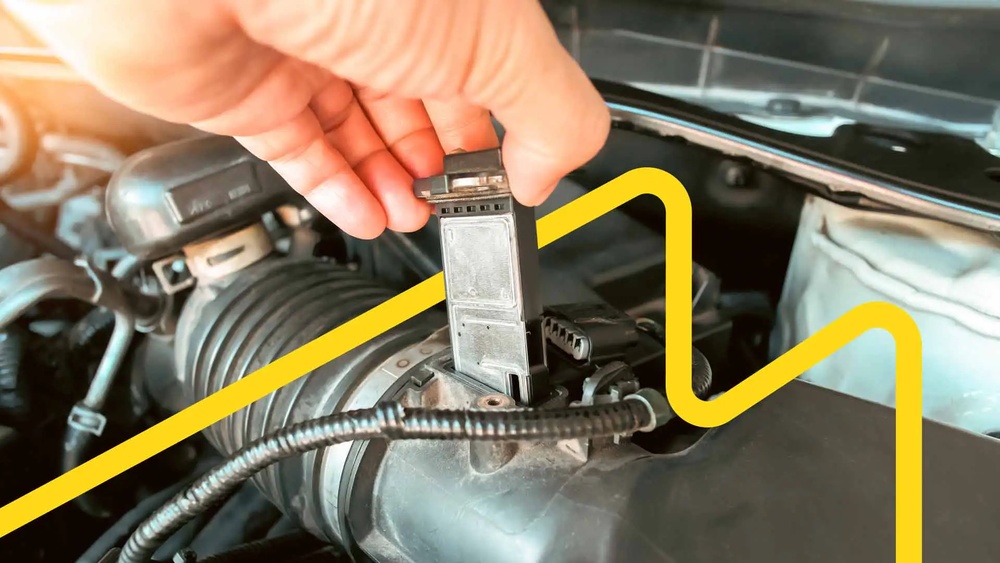
If you drive a car, you probably know it needs regular care. Oil changes, tire checks, and brake inspections are common. But there’s one small part that’s easy to forget: the MAF sensor. This sensor sits between your air filter and engine. Its job is simple but important—it measures the air entering your engine. If you ignore cleaning it, your car won’t run the way it should. Let’s look at what happens if you don’t clean your MAF sensor, why it matters, and how to avoid costly problems.
What Is A Maf Sensor And Why Is It Important?
The MAF sensor (Mass Air Flow sensor) is a device in your car’s intake system. It checks how much air comes into the engine. The engine’s computer uses this info to mix the right amount of fuel with the air. If the mix is wrong, your engine can’t perform well.
Most modern cars use either a hot wire or a vane meter MAF sensor. The hot wire type is more common. It works by heating a wire and seeing how much it cools as air flows past. The cooler the wire, the more air is coming in.
A clean MAF sensor means your engine gets accurate air readings. This leads to:
- Smooth acceleration
- Good fuel economy
- Stable engine performance
If the sensor is dirty, it gives wrong data. The engine then makes mistakes in the air-fuel mix. This can cause many issues.
What Happens If You Don’t Clean Maf Sensor
Ignoring your MAF sensor can lead to real trouble. Here are the main problems:
Poor Fuel Economy
When the MAF sensor is dirty, it misreads air flow. The engine computer may add too much fuel or too little. Usually, it adds more fuel “just in case.” This leads to higher fuel consumption. You might notice your car needs more gas than before.
According to the EPA, a faulty sensor can reduce fuel efficiency by up to 10% or more. For a car that averages 30 miles per gallon, you could lose 3 miles per gallon, costing extra money each month.
Engine Performance Issues
A dirty MAF sensor can cause:
- Rough idling (engine shakes when stopped)
- Hesitation or stumbling during acceleration
- Stalling (engine stops suddenly)
These problems happen because the engine can’t mix fuel and air correctly. Sometimes, you’ll feel your car “lag” when you press the gas pedal.
Check Engine Light
One of the most common signs is the Check Engine light turning on. Your car’s computer notices the sensor is not working right and warns you. Mechanics often find a dirty MAF sensor as the cause when scanning for error codes.
Increased Emissions
If your car burns too much fuel, it releases more carbon monoxide and other pollutants. A dirty MAF sensor makes your car fail emissions tests. This is especially important if you live in places with strict rules.
Hard Starting And Misfiring
Sometimes, a dirty sensor causes hard starting. Your car may take longer to start or not start at all. Misfires (when the engine “skips” or does not fire one cylinder) are also possible. These are signs your engine isn’t getting the right air-fuel mixture.
Possible Engine Damage
Over time, running with a bad air-fuel mix can damage engine parts. Excess fuel can wash away oil from the cylinder walls. This leads to increased wear and possible engine failure. While this takes months or years, it’s a real risk.
Reduced Power And Throttle Response
A dirty MAF sensor makes your car feel slow. You might press the gas but not get the power you expect. This is called reduced throttle response. It’s frustrating for drivers, especially when merging or passing.
False Diagnostics
When the MAF sensor is dirty, mechanics might misdiagnose the problem. You could end up replacing parts that aren’t broken, wasting money and time.

Credit: www.crcindustries.com
Real-world Examples: How A Dirty Maf Sensor Affects Cars
Let’s see some actual cases:
- Toyota Camry (2012 Model): Owner noticed lower mileage and rough idling. Cleaning the MAF sensor improved mileage by 4 miles per gallon and stopped engine shaking.
- Ford F-150 (2015 Model): Check Engine light appeared. Mechanic found the MAF sensor was covered in dust. After cleaning, the light went off and acceleration improved.
- Honda Civic (2018 Model): Failed emissions test due to high carbon monoxide. Cleaning the sensor fixed the issue.
These examples show that ignoring the sensor can affect many parts of car performance.
Data Table: Symptoms Before And After Maf Sensor Cleaning
Here’s a comparison showing what happens before and after cleaning the sensor:
| Symptom | Before Cleaning | After Cleaning |
|---|---|---|
| Fuel Economy | Decreased (up to 10%) | Restored to normal |
| Engine Performance | Rough idle, hesitation | Smoother operation |
| Emissions | Increased | Reduced |
| Throttle Response | Sluggish | Quick |
| Check Engine Light | On | Off |

Credit: www.youtube.com
Why Do Maf Sensors Get Dirty?
The MAF sensor gets dirty mainly from:
- Dust and debris entering through the air filter
- Oil vapor from crankcase ventilation
- Pollen and bugs in the air
Even with a good air filter, small particles can slip through. If you use an oiled filter, some oil can coat the sensor, making it sticky and attracting more dirt.
How Often Should You Clean Your Maf Sensor?
Most experts recommend cleaning the MAF sensor every 20,000 to 40,000 miles. If you drive in dusty areas or use an oiled filter, clean it more often. Always check your car’s manual for advice.
Common Mistakes When Cleaning Or Ignoring Maf Sensors
Many beginners miss these points:
- Using the wrong cleaner: Only use MAF sensor cleaner. Other sprays (like brake cleaner) can damage the sensor.
- Touching the sensor wire: Never touch the wire inside the sensor. It’s delicate and easy to break.
- Ignoring regular maintenance: Waiting for a problem before cleaning leads to bigger issues.
- Not checking air filters: A dirty air filter lets more debris reach the sensor.
Comparison Table: Dirty Maf Sensor Vs. Other Engine Issues
Sometimes, symptoms overlap with other problems. Here’s how a dirty MAF sensor compares to other common issues:
| Issue | Fuel Economy | Performance | Emissions | Common Sign |
|---|---|---|---|---|
| Dirty MAF Sensor | Low | Rough, sluggish | High | Check Engine Light |
| Bad Spark Plugs | Low | Misfiring | High | Hard Starting |
| Clogged Air Filter | Low | Reduced power | High | Dirty filter |
| Faulty O2 Sensor | Low | Unstable idle | High | Check Engine Light |
How To Prevent Maf Sensor Problems
You can avoid trouble by following these steps:
- Check your air filter regularly. Change it as needed, usually every 12,000 to 15,000 miles.
- Use the right MAF cleaner. Only buy products labeled for MAF sensors.
- Clean the sensor gently. Spray the cleaner, let it dry, and never touch the wires.
- Avoid oiled air filters if your car isn’t designed for them.
- Keep the intake area clean. Wipe any dust or debris around the air filter housing.
Cost Of Ignoring A Dirty Maf Sensor
If you don’t clean your MAF sensor, you could face:
- Extra fuel costs: Up to $200/year for heavy drivers
- Failed emissions tests: Fines or repair costs in some countries
- Engine repairs: Can cost $500–$2,000 if damage occurs
- Unnecessary part replacements: Wasting money on parts that aren’t broken
Cleaning the sensor takes just 10–15 minutes and costs less than $10 for cleaner. It’s a small job with big benefits.

Credit: www.youtube.com
Non-obvious Insights
Many people don’t realize:
- A dirty MAF sensor can mimic other engine problems. Mechanics may replace spark plugs or O2 sensors when the real issue is the sensor.
- MAF sensor performance can decline slowly. You may not notice changes for months, but the effects build up. Regular cleaning keeps your car running its best.
When To Seek Professional Help
If you clean your MAF sensor and still see problems, it’s time to visit a mechanic. The issue may be:
- A failing sensor (needs replacement)
- Wiring problems
- Other engine faults
Don’t guess—let a professional check your car.
Data Table: Maf Sensor Cleaning Vs. Replacement
Here’s how cleaning compares to replacement:
| Option | Cost | Time | Effectiveness |
|---|---|---|---|
| Cleaning | $5–$10 | 10–15 minutes | High (if sensor is dirty) |
| Replacement | $100–$300 | 30–60 minutes | High (if sensor is broken) |
Frequently Asked Questions
What Is A Maf Sensor?
The MAF sensor measures how much air enters your car’s engine. The engine uses this info to mix fuel and air correctly.
How Do I Know If My Maf Sensor Is Dirty?
Signs include poor fuel economy, rough engine idle, hesitation, and the Check Engine light. You may also fail emissions tests.
Can I Clean My Maf Sensor Myself?
Yes. Buy a MAF sensor cleaner and follow instructions. Never touch the sensor wire. If unsure, ask a mechanic.
What Happens If I Ignore A Dirty Maf Sensor?
You risk higher fuel costs, poor performance, failed emissions, and even engine damage. Problems may get worse over time.
Where Can I Learn More About Maf Sensors?
Visit Wikipedia’s MAF sensor page for more technical details.
Keeping your MAF sensor clean is easy and saves money. It helps your car run smoothly and avoids bigger troubles. Don’t wait for warning signs—make sensor cleaning part of your routine. Your car (and wallet) will thank you.
Disclosure: As an Amazon Associate, I may earn from qualifying purchases at no extra cost to you. Amazon and the Amazon logo are trademarks of Amazon.com, Inc, or its affiliates.
