
When you press the gas pedal and your car feels slow to respond, you might wonder if something is wrong under the hood. Many drivers search for ways to improve acceleration, and one common piece of advice is to clean the MAF sensor. But does cleaning the MAF sensor really make your car faster? Let’s explore how this small sensor affects your engine, when cleaning is helpful, and what results you can expect.
What Is A Maf Sensor And Why Does It Matter?
The Mass Air Flow (MAF) sensor is a small but important part of your engine. It sits between your air filter and the engine’s intake manifold. Its job is to measure how much air goes into the engine. The car’s computer (ECU) uses this information to mix the right amount of fuel with the air. If the mix is wrong, your car’s power, fuel efficiency, and emissions all suffer.
A dirty or faulty MAF sensor can send wrong data to the ECU. This can make your engine run “rich” (too much fuel) or “lean” (too little fuel). Both conditions can hurt acceleration and cause other problems. Many modern cars will even show a check engine light if the MAF sensor fails.
How A Dirty Maf Sensor Affects Acceleration
When the MAF sensor collects dust, oil, or debris, its readings become less accurate. Here’s what can happen:
- Slower Acceleration: The engine may not get the right mix of air and fuel, so it feels less powerful. You step on the gas, but the response is weak.
- Rough Idle: The engine may shake or run unevenly, especially when stopped.
- Poor Fuel Economy: The car uses more fuel than normal, costing you more money.
- Engine Hesitation: There may be a delay or “stutter” when you try to accelerate quickly.
- Check Engine Light: Sometimes, a dirty sensor can trigger warning lights.
Let’s look at a quick comparison to see the effects of a clean vs. dirty MAF sensor:
| Condition | Acceleration | Fuel Economy | Idle Quality |
|---|---|---|---|
| Clean MAF Sensor | Strong and smooth | Normal/Optimal | Stable |
| Dirty MAF Sensor | Sluggish or delayed | Poor | Rough or uneven |
Why Does Cleaning The Maf Sensor Help?
The MAF sensor uses a thin wire or film to measure air flow. Over time, small particles from the air filter, oil vapors, or even bugs can stick to this wire. When this happens, the sensor can’t measure correctly.
Cleaning the sensor removes these contaminants, allowing it to send accurate data again. As a result, the engine gets the right mix of air and fuel, restoring lost acceleration and improving performance.
What Evidence Supports This?
Automotive experts and mechanics agree that cleaning a dirty MAF sensor can improve:
- Throttle response (how quickly the car reacts when you press the gas)
- Fuel efficiency
- Overall engine smoothness
In some cases, tests have shown up to a 10% improvement in acceleration after cleaning a very dirty sensor. But this only works if the sensor was dirty enough to cause problems. If your sensor is already clean, you won’t notice a big change.
How To Tell If Your Maf Sensor Needs Cleaning
Not every car needs its MAF sensor cleaned regularly. Here are signs that cleaning might help:
- Poor acceleration or engine hesitation
- Drop in fuel economy
- Rough or unstable idle
- Check engine light with codes related to air/fuel mix or MAF sensor
- Black smoke from exhaust (a sign of running rich)
- Recent use of low-quality air filters (which may let more dust through)
Many modern vehicles can display error codes with an inexpensive OBD2 scanner. If you see codes like P0100, P0101, P0102, or P0103, your MAF sensor may be involved.

Credit: www.reddit.com
How To Clean A Maf Sensor Safely
Cleaning a MAF sensor is a simple task, but it must be done carefully. The sensor is delicate and can break easily.
Here’s a step-by-step guide:
- Turn off your engine and let it cool down.
- Disconnect the battery (to avoid any electrical shorts).
- Locate the MAF sensor. It is usually just after the air filter box.
- Remove the sensor. Unplug the connector and carefully unscrew or unclamp the sensor.
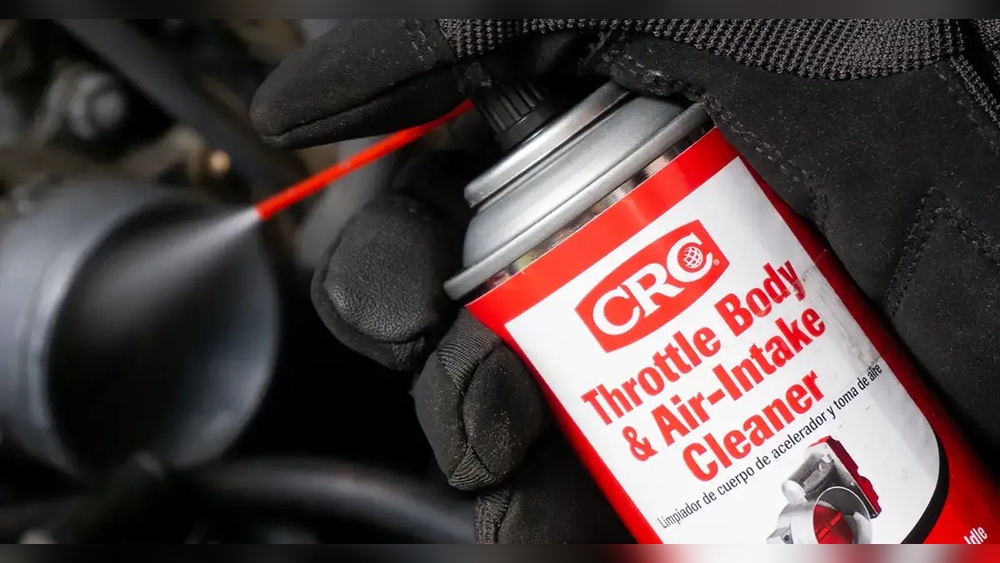
- Spray with MAF cleaner. Use only a special MAF sensor cleaner spray. Do not use brake cleaner or compressed air. Hold the spray about 10cm away and apply 10-15 short bursts.
- Let it dry completely. Do not wipe or touch the thin wires.
- Reinstall the sensor. Plug everything back in and reconnect the battery.
Most people can finish this job in 20–30 minutes. If you’re not confident, ask a mechanic.
Common Mistakes When Cleaning
- Using the wrong cleaner (can damage the sensor)
- Touching or scrubbing the wire (can break it)
- Not letting the sensor dry fully before reinstalling
When Cleaning Won’t Help Acceleration
Sometimes, cleaning the MAF sensor does not improve acceleration. This can happen if:
- The sensor is already clean or only slightly dirty
- The sensor is damaged or faulty
- The problem is somewhere else (like clogged fuel injectors, dirty air filter, or bad spark plugs)
Here’s a quick table to show when cleaning works and when it doesn’t:
| Situation | Cleaning Improves Acceleration? |
|---|---|
| Sensor is dirty | Yes |
| Sensor is damaged | No (needs replacement) |
| Other engine problems | No (find root cause) |
| Sensor is clean | No noticeable effect |
How Often Should You Clean The Maf Sensor?
There’s no single answer. Most car manufacturers do not list MAF sensor cleaning as regular maintenance. However, you may want to clean it every 20,000 to 30,000 miles (32,000 to 48,000 km) if:
- You drive in dusty conditions
- You use oiled or poor-quality air filters
- You notice symptoms of a dirty sensor
Some performance-focused drivers clean their sensor once a year as a precaution, but for most people, only clean it when there are problems.
Real-world Examples: Does Cleaning Actually Help?
Let’s look at some real cases:
- Case 1: A 2012 Honda Accord owner complained of weak acceleration and a rough idle. After cleaning the MAF sensor, the car’s throttle response improved and idle smoothed out.
- Case 2: A Volkswagen Golf TSI showed a check engine light and high fuel consumption. Cleaning the MAF sensor cleared the warning and restored normal performance.
- Case 3: A Toyota Camry owner cleaned the MAF sensor as routine maintenance but noticed no difference. The sensor was already clean, and the car had no symptoms.
These cases show that cleaning the MAF sensor can improve acceleration—but mainly if the sensor is dirty enough to cause problems. For cars running well, cleaning rarely gives a big performance boost.
Is It Worth Doing Yourself?
Cleaning the MAF sensor is cheap (a can of spray costs $8–$12 USD) and does not require special tools. Compared to other repairs, it’s a simple way to try solving acceleration problems.
However, not all acceleration issues are caused by the MAF sensor. If cleaning does not help, you may need to look at:
- Spark plugs
- Fuel injectors
- Air filter
- Throttle body
- Vacuum leaks
Fixing these parts often has a bigger impact on acceleration than cleaning a MAF sensor that is only slightly dirty.
How Cleaning Compares To Other Performance Fixes
It helps to compare MAF sensor cleaning with other common fixes for poor acceleration:
| Action | Difficulty | Cost | Impact on Acceleration |
|---|---|---|---|
| MAF Sensor Cleaning | Easy | Low | Medium (if dirty) |
| Replacing Spark Plugs | Medium | Medium | High (if worn) |
| Fuel Injector Cleaning | Medium | Medium-High | High (if clogged) |
| Replacing Air Filter | Easy | Low | Medium |
| Throttle Body Cleaning | Medium | Low-Medium | Medium-High |
Cleaning the MAF sensor is a good first step because it’s easy and cheap. But for large acceleration problems, a full engine check is often necessary.
Two Insights Beginners Often Miss
Many people think cleaning the MAF sensor is a “magic fix.” In reality:
- It only works if the sensor is dirty enough to affect readings. If your car has no symptoms, cleaning won’t give you extra power.
- A bad air filter can quickly re-contaminate a clean sensor. Always check and replace your air filter at the same time to avoid repeating the problem.
Expert Tips For Best Results
- Use only MAF sensor cleaner—never carburetor or brake cleaner.
- Handle the sensor gently—never poke or scrape the wire.
- Wear gloves to protect your hands from chemicals.
- Let the sensor dry completely before reinstalling.
- If your car still runs badly after cleaning, scan for error codes and check other engine parts.

Credit: www.reddit.com
Final Thoughts
Cleaning your MAF sensor can improve acceleration, but only if the sensor is dirty. It’s a smart, low-cost fix for many cars with sluggish response or poor fuel economy. However, it’s not a cure-all. If you clean your sensor and still notice problems, it’s time to check other parts of your engine.
For more information on how MAF sensors work, you can visit the Wikipedia page on Mass Flow Sensors.
Frequently Asked Questions
Can Cleaning The Maf Sensor Damage It?
If you use the correct cleaner and handle the sensor carefully, cleaning is safe. But using harsh chemicals or touching the wire can damage it.
How Do I Know If My Maf Sensor Is Dirty?
Common signs are poor acceleration, rough idle, high fuel use, or a check engine light. You can also use a scan tool to check for error codes.
How Often Should I Clean My Maf Sensor?
Only clean it if you have symptoms or every 20,000–30,000 miles in dusty areas. Most cars don’t need regular cleaning if the air filter is good.
Will Cleaning The Maf Sensor Fix All Acceleration Problems?
No. It only helps if the MAF sensor is dirty. Other engine issues can also cause poor acceleration.
Is It Better To Replace Or Clean The Maf Sensor?
Try cleaning first. If problems remain, or the sensor is damaged, replacement may be necessary.

Credit: www.crcindustries.com
Disclosure: As an Amazon Associate, I may earn from qualifying purchases at no extra cost to you. Amazon and the Amazon logo are trademarks of Amazon.com, Inc, or its affiliates.
