
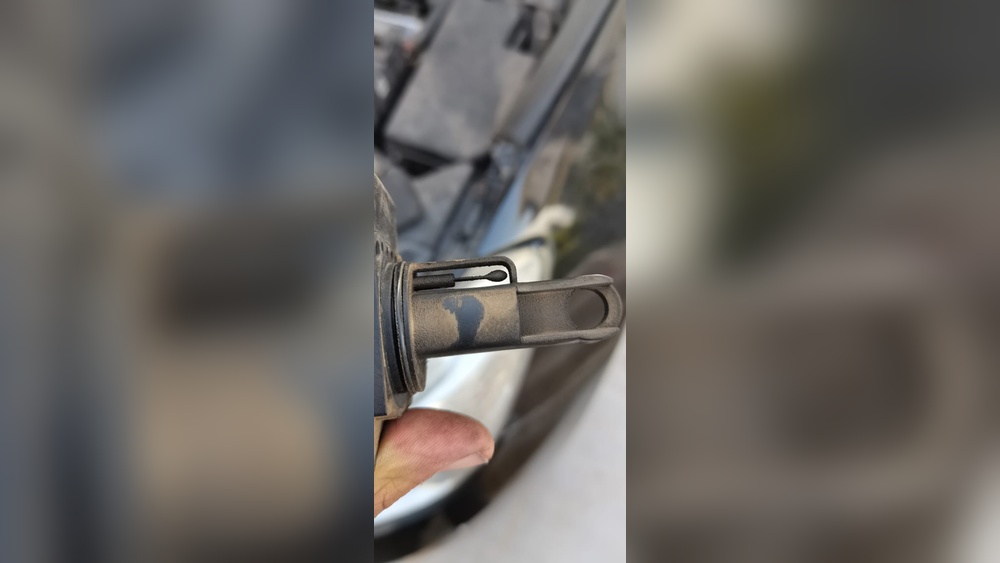
Every car owner wants their vehicle to run smoothly, but sometimes the engine feels weak, fuel consumption rises, or the “Check Engine” light comes on. If you notice these signs, your MAF sensor (Mass Air Flow sensor) could be the reason. This small part plays a big role in your car’s performance. But how do you know if it just needs a cleaning, or if it’s time for a full replacement? Understanding the difference can save you money and headaches.
Let’s look at how to spot the symptoms, what causes them, and how to decide whether to clean or replace your MAF sensor with confidence.
What Does The Maf Sensor Do?
The MAF sensor measures the amount of air entering your engine. The engine control unit (ECU) uses this information to add the right amount of fuel. If the sensor gets dirty or fails, the air-fuel mix becomes unbalanced. This leads to poor performance, higher emissions, and sometimes engine damage.
You’ll find the MAF sensor between your air filter and the throttle body. Most modern cars use this system, whether gasoline or diesel.
Why Maf Sensors Fail Or Get Dirty
Dirt, oil, and dust can coat the sensor’s wire or film. Sometimes, a clogged air filter lets particles reach the sensor. Other times, oil from aftermarket filters (like K&N filters) can stick to the sensor. Over time, the electronics can also fail due to age or exposure to heat and moisture.
It’s important to understand that not all problems with the MAF sensor mean it’s broken. Many issues come from simple dirt, not a dead sensor.
Signs Your Maf Sensor Needs Attention
You might see one or more of these symptoms if your MAF sensor is dirty or failing:
- Rough or uneven idling
- Hesitation or jerking during acceleration
- Black smoke from the exhaust
- Poor fuel economy
- Engine stalling soon after starting
- Engine misfires
- Check Engine light (often with codes P0100–P0104)
But how do you know if you can fix the problem with a good cleaning, or if it’s time to replace the sensor? Let’s break down the differences.
Signs Your Maf Sensor Needs Cleaning
A dirty MAF sensor is very common, especially in older cars or those driven in dusty areas. Cleaning is often the first and cheapest solution. Here are key signs that cleaning may solve your problem:
1. Gradual Loss Of Power
If your car slowly loses power over weeks or months, especially at higher speeds, it’s often due to a buildup of dirt. The sensor can’t read airflow correctly, so the ECU sends less fuel, making the engine feel weaker.
2. Hesitation When Accelerating
A dirty MAF sensor can cause a “lag” or stumble when you press the gas. The car may jerk or hesitate before moving smoothly. This is a classic sign of a dirty, but not dead, sensor.
3. Poor Fuel Economy
If you’re filling up more often but driving the same routes, your MAF sensor may be sending incorrect air readings. The ECU adds too much fuel, wasting gas. Cleaning usually restores your mileage.
4. Check Engine Light With Airflow Codes
If you scan your car and get codes like P0100, P0101, P0102, or P0104, these often relate to airflow problems. If there are no other codes (like oxygen sensor or misfire codes), try cleaning first.
5. No Physical Damage
If you inspect the MAF sensor and see no broken wires or burnt spots, it’s probably just dirty. Cleaning can restore it to good working order.
6. Recent Air Filter Change Or K&n Filter Use
If you recently changed your air filter, especially to an oiled type, and the problem started soon after, oil or dust may have coated the sensor. Cleaning is usually effective.
Non-obvious insight: Many people skip cleaning because they think sensors are too delicate. But with the right MAF sensor cleaner, gentle cleaning is safe and often fixes issues without buying a new part.
Signs Your Maf Sensor Needs Replacement
Not all problems can be fixed with a cleaning. Sometimes the sensor’s electronics or wires fail. Here’s how you know replacement is needed:
1. Engine Runs The Same After Cleaning
If you’ve cleaned the MAF sensor properly and the symptoms remain, the sensor’s internal parts may be damaged. Persistent problems after cleaning point to replacement.
2. Hard Starting Or No Start
A completely failed MAF sensor can send false signals (or no signal) to the ECU. The engine may crank but not start, or start and die immediately. This is usually a sign of a failed sensor, not just dirt.
3. Extreme Surging Or Stalling
If your engine surges wildly or stalls even at idle, especially after cleaning, the sensor may be giving random readings. Internal failure is likely.
4. Visible Damage
If the sensor’s wire or film is broken, burnt, or corroded, cleaning will not help. Physical damage means the sensor is dead.
5. Check Engine Light Returns Immediately
If the Check Engine light comes back right after cleaning and resetting codes, and you see the same airflow codes, replacement is often the only fix.
6. High Mileage Or Age
Most MAF sensors last 80,000–150,000 miles. If your car is over this range and symptoms match, the sensor may simply be worn out. Cleaning old sensors rarely works.
Non-obvious insight: Even if cleaning seems to work for a few days, if issues return quickly, it’s likely the sensor’s electronics are failing. Replacement is more reliable long-term.
How To Clean A Maf Sensor Safely
If you suspect your MAF sensor is dirty, careful cleaning can often fix the issue. Here’s how to do it:
- Disconnect the battery to avoid accidental shorts.
- Remove the sensor carefully. Never touch the wires or film with your fingers.
- Use a dedicated MAF sensor cleaner (not regular carb or brake cleaner).
- Spray the sensor from a short distance. Let it air dry completely.
- Reinstall the sensor and reconnect the battery.
Never use compressed air, a brush, or strong chemicals. These can damage the sensor.
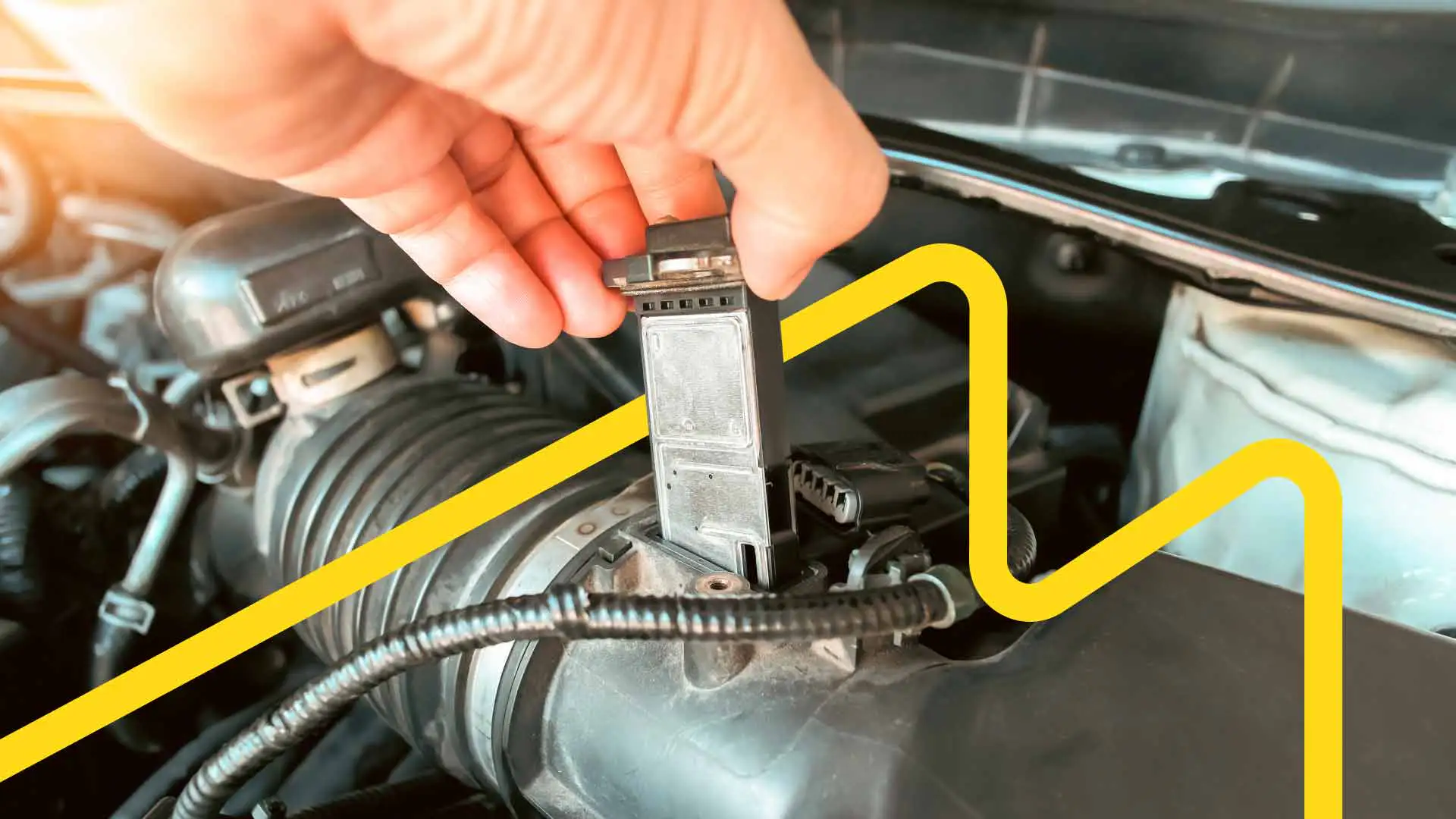
Credit: www.shopmonkey.io
When To Replace Vs. Clean: A Quick Comparison
The following table summarizes the key differences between cleaning and replacement:
| Symptom | Cleaning | Replacement |
|---|---|---|
| Gradual loss of power | Often fixes | Rarely needed |
| Immediate return of symptoms after cleaning | Ineffective | Required |
| Visible damage | Not possible | Essential |
| Check Engine light (airflow code only) | Usually works | Sometimes needed |
| High mileage (>120,000 miles) | Less effective | Recommended |
How Mechanics Diagnose Maf Sensor Problems
A professional mechanic uses more than just a code scanner. They often check:
- Live sensor data with a scan tool to see real-time air readings.
- Compare the sensor’s voltage to manufacturer specs.
- Swap in a known-good sensor to see if symptoms disappear.
This data-driven approach helps avoid unnecessary replacements.
Here’s how a typical diagnosis process compares:
| Diagnostic Method | What It Reveals | When Used |
|---|---|---|
| OBD-II scanner (codes only) | Airflow/system faults | First check |
| Live data graph | Sensor accuracy, response | When codes unclear |
| Physical inspection | Dirt, damage | Before cleaning/replacement |
| Swap test | Confirms sensor is cause | Final confirmation |
Common Mistakes When Dealing With Maf Sensors
Many car owners and even some mechanics make these mistakes:
- Using the wrong cleaner: Carb or brake cleaner can destroy the sensor’s delicate film.
- Touching the sensor element: Oils from your fingers can cause permanent damage.
- Ignoring the air filter: A dirty filter will quickly re-contaminate a cleaned sensor.
- Not resetting the ECU: After cleaning or replacement, always clear codes with a scan tool or disconnect the battery for a few minutes.
- Rushing to replace: Many MAF sensors are replaced unnecessarily, when a simple cleaning would fix the issue.
How Much Does It Cost To Clean Or Replace A Maf Sensor?
- Cleaning: A can of MAF sensor cleaner costs $7–$12. DIY cleaning takes 20–30 minutes.
- Replacement: A new sensor costs $50–$300 depending on make and model. Labor adds $50–$100 if you hire a mechanic.
Cleaning first can save you over $200, especially on older cars.
Real-world Example
A 2012 Toyota Corolla owner noticed poor acceleration and worse fuel economy. The Check Engine light was on with code P0101. After cleaning the MAF sensor with a proper cleaner, the car ran smoothly again and the code disappeared. But a 2005 Ford Focus with 180,000 miles had similar symptoms.
Cleaning worked for a few days, but the problem returned. Replacing the sensor fixed the issue completely.
This shows that cleaning is worth trying first, but replacement is sometimes the only solution for older or damaged sensors.
How To Avoid Maf Sensor Problems
- Use only recommended air filters and change them on time.
- Avoid over-oiling reusable filters.
- Inspect and clean the MAF sensor every 20,000–30,000 miles.
- Drive in clean environments when possible.
These steps help the sensor last longer and keep your engine running well.
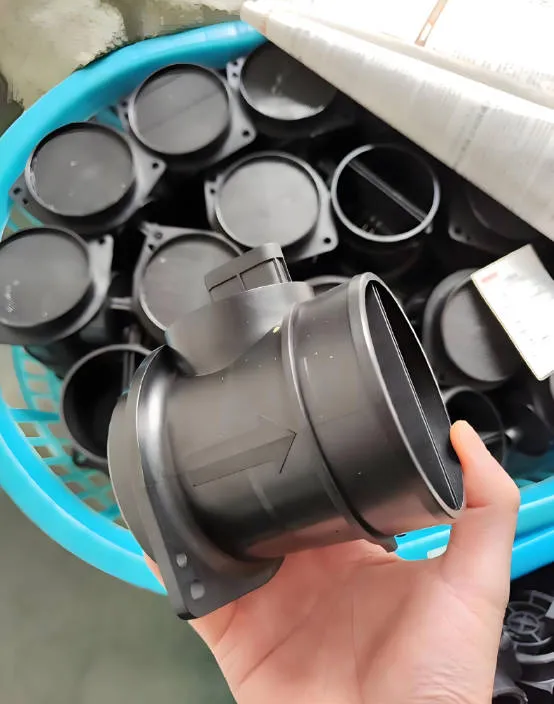
Credit: www.bettlink.com
When To Seek Professional Help
If you’re not comfortable working with car electronics, or if cleaning doesn’t help, it’s wise to visit a mechanic. Persistent symptoms after cleaning usually mean replacement is needed.
For more technical details and advanced guides, you can check resources like the Wikipedia Mass Flow Sensor page.
Frequently Asked Questions
How Often Should I Clean My Maf Sensor?
Most experts recommend cleaning the MAF sensor every 20,000–30,000 miles, or whenever you change your air filter, especially if you drive in dusty areas.
Can I Drive With A Faulty Maf Sensor?
You can drive for a short time, but it’s not recommended. A bad MAF sensor can cause poor performance, high emissions, and even engine damage if not fixed soon.
What’s The Difference Between Maf And Map Sensors?
The MAF sensor measures air entering the engine, while the MAP sensor (Manifold Absolute Pressure) measures air pressure inside the intake manifold. Some cars use both, others only one.
Is It Safe To Clean The Maf Sensor Myself?
Yes, if you use a proper MAF sensor cleaner and follow instructions carefully. Never touch the wires or use strong chemicals.
Will A New Maf Sensor Need Programming?
Most replacement MAF sensors are plug-and-play, but some newer cars require the sensor to be programmed or the ECU to be reset for best results.
Keeping your MAF sensor clean and working is key to good engine health. By learning the signs and taking action early, you can save money, keep your car reliable, and avoid bigger engine problems down the road.

Credit: www.origin-ic.com
Disclosure: As an Amazon Associate, I may earn from qualifying purchases at no extra cost to you. Amazon and the Amazon logo are trademarks of Amazon.com, Inc, or its affiliates.
