
Choosing the right bathroom safety aid can feel overwhelming, especially when you want to stay safe and comfortable in the shower. You might be wondering whether a shower chair or a transfer bench is better for your needs.
Both options have their benefits, but which one suits you best? You’ll discover the key differences between a shower chair and a transfer bench. By the end, you’ll feel confident making the choice that keeps your daily routine easier and safer.
Keep reading to find out which option matches your lifestyle perfectly.
Shower Chair Basics
A shower chair helps people sit safely while bathing. It offers stability and comfort. Many find it easier to clean without standing for long.
These chairs come in different styles. Each design meets specific needs and bathroom spaces. Understanding these basics helps choose the right one.
Design And Features
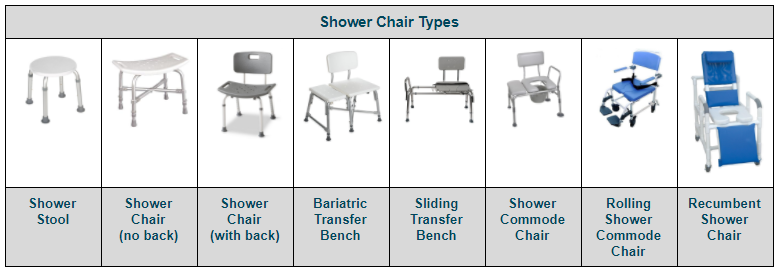
Shower chairs usually have a wide seat and back support. They often include non-slip feet for safety. Some models have armrests to aid sitting and standing.
Materials like plastic and aluminum resist water damage. Height-adjustable legs fit different users. Easy-to-clean surfaces keep hygiene high.
Who Benefits Most
People with balance problems find shower chairs helpful. Older adults and those recovering from surgery use them often. They provide security and reduce fall risk.
Anyone tired of standing long in the shower gains comfort. They also assist users with weak legs or joint pain. Caregivers appreciate the added safety too.
Transfer Bench Essentials
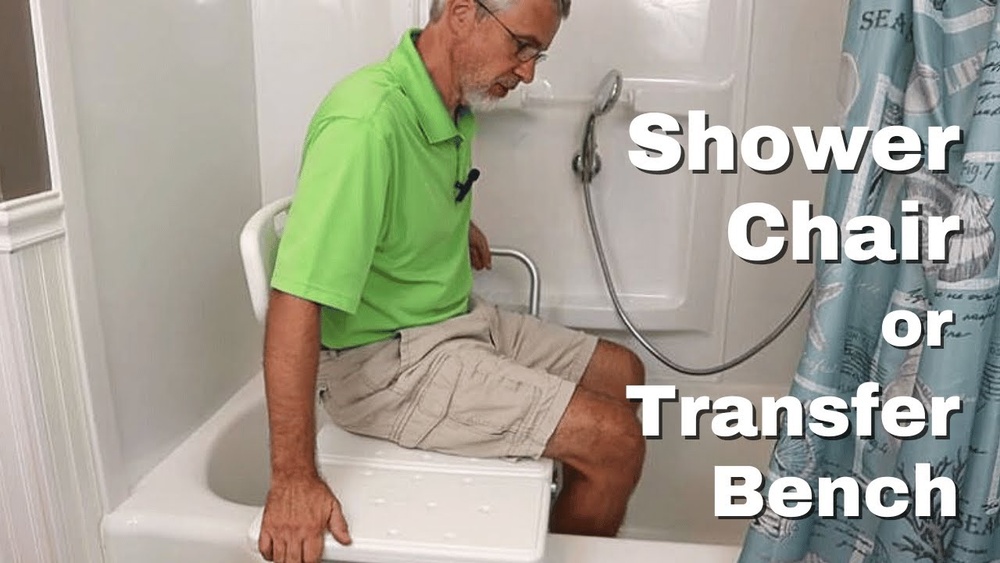
A transfer bench helps people enter and exit the bathtub safely. It supports users who find stepping over the tub edge hard. The bench extends outside the tub, allowing a seated transfer. This design reduces the risk of slips and falls during bathing.
Using a transfer bench can increase independence in personal hygiene. It offers a stable seat and a smooth way to move in and out of the tub. Understanding its structure and ideal users helps in choosing the right model.
Structure And Function
The transfer bench has a long seat that spans the tub edge. One side rests outside the tub, while the other sits inside. This setup lets the user sit down outside the tub and slide over safely.
It usually features adjustable legs to fit different tub heights. Non-slip rubber tips keep it firmly in place. Some models include backrests and armrests for extra support.
The bench is made from water-resistant materials like plastic and aluminum. This makes it durable and easy to clean. Its design focuses on safety and comfort during bathing.
Ideal Users
Transfer benches suit people with limited leg strength or balance problems. Seniors and individuals recovering from surgery often benefit. Users who struggle stepping over the tub edge find it helpful.
It suits those who need extra support but can still sit independently. The bench helps people avoid risky movements and reduces caregiver assistance. It offers a practical solution to maintain bathroom safety.
Safety Factors To Consider
Choosing between a shower chair and a transfer bench means focusing on safety first. Both help make bathing easier and safer for those with limited mobility. Understanding key safety factors helps pick the right option for your needs.
Stability And Support
Stable seating prevents falls and injuries. Shower chairs usually have four legs and a wide base for balance. Transfer benches extend outside the tub for easy sliding. Strong armrests and back support help maintain posture. Look for chairs with adjustable legs to fit uneven floors.
Slip Resistance
Wet surfaces cause slips. Shower chairs often have rubber tips on legs to stop sliding. Transfer benches feature non-slip pads under legs for firm grip. Seats may have textured surfaces to reduce slipping. Make sure the product you choose offers good traction in wet conditions.
Weight Capacity
Weight limits affect safety and durability. Check the maximum weight the chair or bench can hold. Choose one that supports more than the user’s weight for extra security. Heavy-duty models suit larger users and provide better stability. Always follow manufacturer guidelines to avoid accidents.
Credit: www.loneralj.com
Ease Of Use
Ease of use is a key factor when choosing between a shower chair and a transfer bench. It affects safety and comfort during bathing. Both tools help individuals with limited mobility, but they differ in how easy they are to use.
Getting In And Out
A shower chair allows users to sit inside the shower easily. It is simple to place the chair and sit down. Getting out requires standing up from the chair, which may need some strength.
A transfer bench extends outside the shower. Users can sit on the bench outside and slide into the shower. This method reduces the need to step over high edges. It is safer for people with balance issues.
Adjustability And Comfort
Shower chairs often have adjustable legs to fit different heights. Some models come with armrests and backrests for extra support. The seat is usually padded for comfort during use.
Transfer benches also offer height adjustments and back support. Their longer seat can make sliding in and out more comfortable. Padded seats and armrests add to the overall comfort.
Installation And Maintenance
Choosing between a shower chair and a transfer bench involves more than comfort and safety. Installation and maintenance play key roles in deciding which option suits your bathroom best. Both devices require different setup steps and care routines to keep them safe and functional.
Setup Requirements
A shower chair is simple to set up. Place it inside your shower or tub. No tools or extra parts needed. Make sure the floor is clean and dry before use. Adjust the legs for stability and height. Check that the chair does not wobble.
A transfer bench needs more space and setup. It extends outside the tub for easy entry. Attach it securely to the tub edge. Some models require tools for assembly. Follow the manufacturer’s instructions closely. Ensure the bench is stable before use.
Cleaning Tips
Clean a shower chair after each use. Use mild soap and warm water. Avoid harsh chemicals that can damage the surface. Dry it thoroughly to prevent mold or rust. Check for cracks or loose parts regularly.
Transfer benches need similar care. Clean all surfaces, including the seat and legs. Pay attention to the areas where water collects. Dry the bench to avoid slipping hazards. Inspect for wear and tear often to maintain safety.

Credit: www.amazon.com
Cost And Durability
Choosing between a shower chair and a transfer bench means thinking about cost and durability. Both products help with bathroom safety. Yet, they differ in price and how long they last.
Understanding these differences helps you pick the best option for your needs and budget.
Price Range Comparison
Shower chairs usually cost less than transfer benches. Basic models start around $30. More advanced chairs with features can reach $100 or more.
Transfer benches tend to be pricier. Prices often start near $60 and can go beyond $150. This is due to their larger size and extra parts.
Choosing depends on your budget and how much support you need in the shower.
Material Longevity
Most shower chairs use plastic and aluminum. These materials resist water and rust well. Good quality chairs last several years with proper care.
Transfer benches also use similar materials but often have stronger frames. This helps them handle more weight and last longer in tough conditions.
Check the product details to see what materials are used. This can tell you how long the item might last in your bathroom.
User Experience And Feedback
User experience and feedback reveal how shower chairs and transfer benches perform in daily use. They show the real benefits and issues users face. This insight helps others choose the right product for their needs. Reviews often focus on comfort, safety, and ease of use.
Common Challenges
Many users find shower chairs hard to fit in small spaces. Some report difficulty in getting in and out safely. Transfer benches can be tricky to install securely on uneven surfaces. Both products may cause discomfort if not padded well. Cleaning and maintaining these aids can also be a hassle for some.
Positive Outcomes
Users praise shower chairs for providing stable seating during showers. They say it helps reduce fear of slipping. Transfer benches are valued for making transfers easier and safer. Many users feel more independent using these aids. Overall, both products improve bathing comfort and confidence.
Choosing The Right Option
Choosing the right option between a shower chair and a transfer bench can improve safety and comfort. Both help people with limited mobility, but each serves different needs. Understanding which one fits best ensures a safer bathing experience.
Assessing Individual Needs
Think about the user’s mobility level. A shower chair suits those who can step into the shower easily but need to sit while bathing. It offers stability and comfort inside the shower area.
A transfer bench works well for users who find stepping over the tub edge difficult. It provides a seat that extends outside the tub, allowing a smooth transfer into the shower.
Consider the bathroom layout too. Space can limit options. Check if the shower or tub can fit the chosen aid safely.
Consulting Healthcare Professionals
Healthcare experts can assess physical ability and recommend the best option. They understand specific needs and risks involved in bathing.
Therapists and doctors can suggest additional aids or modifications. Their advice helps prevent falls and injuries.
Professional guidance ensures the chosen equipment matches the user’s condition and home setup.

Credit: www.youtube.com
Frequently Asked Questions
What Is The Main Difference Between A Shower Chair And Transfer Bench?
A shower chair is used inside the shower for sitting, while a transfer bench extends outside. Transfer benches help users slide safely into the tub, reducing fall risk. Both provide stability but serve different mobility needs.
Who Should Use A Shower Chair Versus A Transfer Bench?
Use a shower chair if you can step into the shower safely. Use a transfer bench if stepping over the tub edge is difficult or unsafe. Both assist those with limited mobility during bathing.
Can A Transfer Bench Fit In Small Bathrooms?
Yes, many transfer benches are adjustable and designed for compact spaces. Measure your bathroom space before purchase to ensure proper fit. This helps maintain safety without overcrowding.
Are Shower Chairs Or Transfer Benches Easier To Clean?
Shower chairs are generally easier to clean due to their simpler design. Transfer benches have more parts and require careful cleaning to prevent mold. Both should be cleaned regularly to maintain hygiene.
Conclusion
Choosing between a shower chair and a transfer bench depends on your needs. A shower chair offers stable sitting inside the shower. A transfer bench helps you get in and out safely. Both improve bathroom safety and comfort. Think about your mobility and space before deciding.
Either option makes showering easier and safer. Keep safety as your top priority. Your choice should support your daily routine well.
Disclosure: As an Amazon Associate, I may earn from qualifying purchases at no extra cost to you. Amazon and the Amazon logo are trademarks of Amazon.com, Inc, or its affiliates.
