
Resistance bands offer a gentle yet effective workout option for seniors. They provide a low-impact way to improve strength and flexibility.
As we age, maintaining physical fitness becomes crucial for a healthy lifestyle. Resistance bands are ideal for seniors seeking to enhance their fitness without putting stress on joints. These bands are versatile, lightweight, and can be used anywhere. They help in building muscle strength, increasing range of motion, and improving balance.
Unlike heavy weights, resistance bands cater to all fitness levels. They also allow for gradual progression, making them perfect for seniors. This blog will explore the benefits of incorporating resistance bands into a senior fitness routine. Discover how these simple tools can help you or your loved ones stay active and healthy.
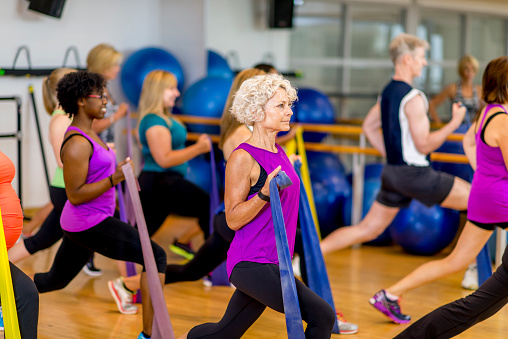
Credit: time4seniors.com
Introduction To Resistance Bands
Explore the benefits of resistance bands for senior fitness. These versatile tools aid in building strength and improving balance. Perfect for gentle exercises that cater to various fitness levels.
Resistance bands are a fantastic tool for seniors looking to maintain their strength and flexibility. These bands are versatile, affordable, and easy to use. They offer a safe and effective way to improve your fitness level without the need for heavy equipment or expensive gym memberships.
Benefits For Seniors
Resistance bands provide numerous benefits for seniors. They help improve balance, which can reduce the risk of falls—a major concern for many older adults. Unlike weights, resistance bands put less strain on your joints while still providing a good workout. They are also lightweight and portable, allowing you to exercise at home or even while traveling. Imagine being able to keep up with your fitness routine while visiting your grandchildren. Plus, using resistance bands can enhance your flexibility, making everyday tasks easier and more comfortable.
Types Of Resistance Bands
There are several types of resistance bands available, each offering a unique workout experience. – Loop Bands: These are circular and ideal for lower body exercises like leg lifts and squats. They come in various strengths, so you can start with lighter resistance and work your way up. – Tube Bands: These have handles and are excellent for upper body workouts. They are perfect for exercises like bicep curls or shoulder presses. The handles provide a good grip, making them easy to use even if you have arthritis. – Therapy Bands: These are flat and often used in physical therapy.
They offer gentle resistance, making them a great choice if you are recovering from an injury or just starting out. Choosing the right type of band can make all the difference in your fitness journey. Have you ever tried a resistance band workout? If not, what’s stopping you from giving it a go? Remember, it’s never too late to start something new and beneficial for your health.
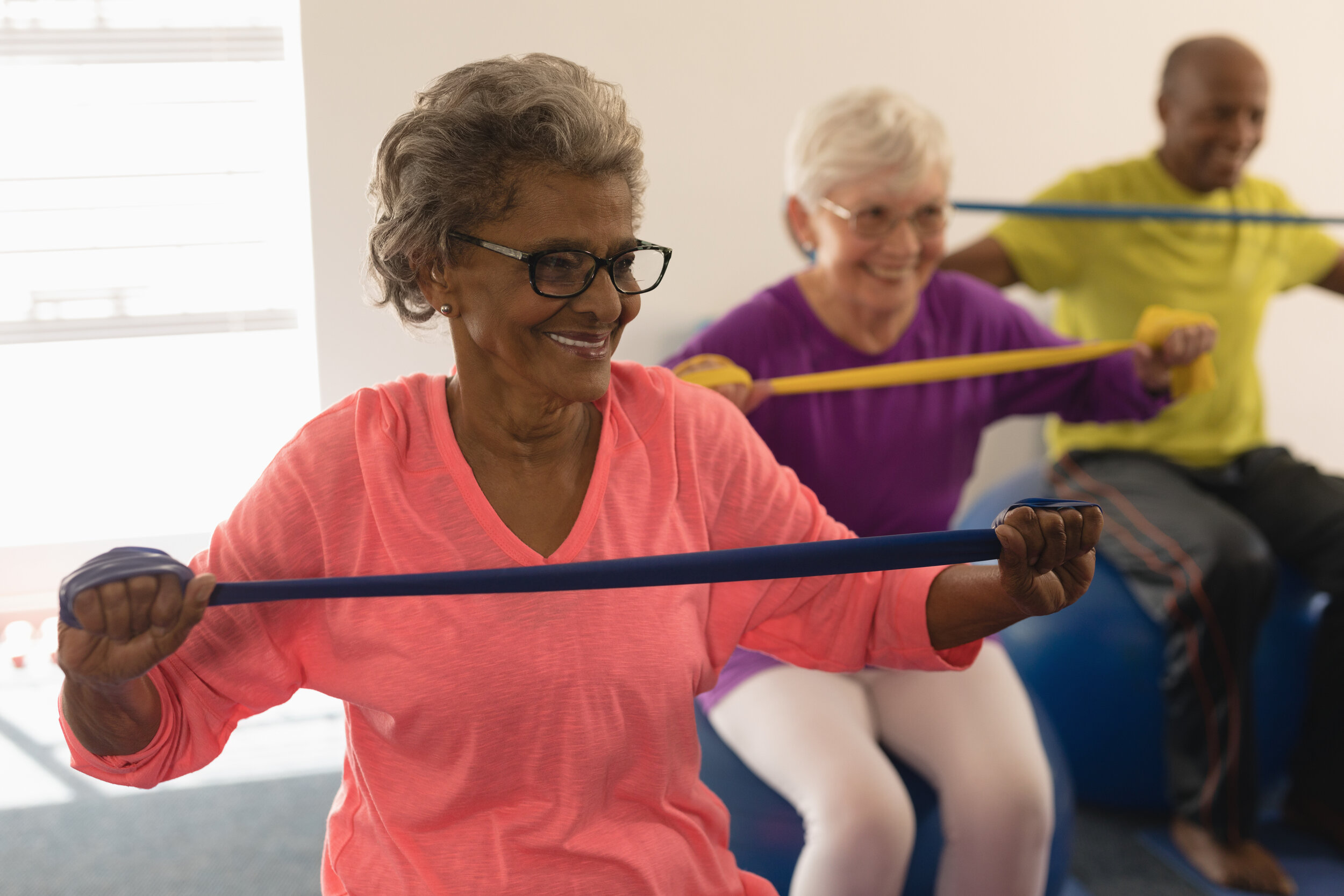
Credit: yes2next.com
Why Choose Resistance Bands
Resistance bands are gaining popularity in senior fitness for good reasons. They’re versatile, easy to use, and offer a gentle way to stay fit. But why should you choose them for your exercise routine?
Safety And Comfort
Your safety is paramount, especially when exercising. Resistance bands offer a low-impact workout, reducing strain on joints and minimizing injury risk. Imagine exercising without worrying about heavy weights or hard equipment.
These bands are soft and flexible, adapting to your body’s movements. They provide the comfort you need while still challenging your muscles. Have you ever tried stretching with a band and felt the gentle pull that encourages you to go further?
Affordability And Accessibility
Think about the cost of gym memberships or home exercise equipment. Resistance bands are an affordable option that won’t break the bank. They offer quality workouts at a fraction of the price.
Moreover, they’re incredibly accessible. Whether you’re at home, traveling, or visiting family, you can slip them into your bag and take them anywhere. Have you considered how convenient it would be to exercise during a vacation?
Resistance bands are not just tools for exercise; they’re companions for a healthier lifestyle. They invite you to explore new movements and challenge your body safely. Why not give them a try and see how they can transform your fitness journey?
Preparing For A Workout
Preparing for a workout with resistance bands is crucial to ensure both safety and effectiveness, especially for seniors. Proper preparation can make a significant difference in how you feel during and after your exercise routine. Let’s dive into the essential steps to get ready for your workout.
Proper Warm-up Techniques
Warming up is a vital part of any workout, especially for seniors. It helps increase blood flow to your muscles and joints, reducing the risk of injury.
Start with simple movements like shoulder rolls or ankle circles. These gentle motions prepare your body for more intense exercises.
Consider adding light cardio such as walking or marching in place. Just five to ten minutes can elevate your heart rate and set the stage for a productive workout.
Have you ever noticed how a quick warm-up can change your energy levels? It’s like kick-starting your engine after a cold night.
Choosing The Right Band
Resistance bands come in various levels of tension. Picking the right one can transform your workout experience.
Begin with a band that offers light resistance. It’s crucial to start easy and gradually progress as your strength builds.
Look for bands that are labeled or color-coded to indicate their resistance levels. This makes selecting the correct band straightforward.
Have you tried experimenting with different bands? You might find that a medium tension band challenges you just enough without overwhelming your muscles.
Think about your fitness goals. Are you aiming to improve balance or build strength? Your objectives can guide you in choosing the perfect band.
Preparing for your workout is not just about physical readiness; it’s also about mental preparation. How do you feel before you start? Excited, anxious, or maybe a bit hesitant? Identifying these feelings can help tailor your approach, ensuring your resistance band workout is both enjoyable and effective.
Basic Exercises For Beginners
Resistance bands are perfect for senior fitness. They offer a safe way to build strength. Especially for beginners, these bands are gentle on joints. They provide the right amount of resistance. Basic exercises can help seniors improve mobility and strength. Let’s explore some beginner-friendly exercises using resistance bands.
Leg Strengthening Moves
Start with seated leg presses. Sit in a sturdy chair. Loop the band under your feet. Hold the ends in your hands. Slowly push your feet forward. Extend your legs fully, then return to start. Aim for 10 repetitions.
Try standing leg curls next. Stand and wrap the band around your ankles. Hold onto a chair for balance. Bend one knee, bringing your heel toward your buttocks. Return to the start. Repeat 10 times on each leg.
Upper Body Exercises
Begin with bicep curls. Sit or stand with feet shoulder-width apart. Step on the band with both feet. Grip the band ends with palms facing up. Curl your hands toward your shoulders. Slowly lower them back down. Perform 10 repetitions.
For tricep extensions, hold the band in both hands. Raise it above your head. Bend your elbows, lowering your hands behind your head. Extend your arms back up. Complete 10 repetitions.
These exercises can improve strength and flexibility. Consistent practice can lead to better movement and balance.
Advanced Exercises For Seniors
Advanced exercises with resistance bands offer seniors a dynamic way to boost fitness. These exercises strengthen muscles and improve mobility. They cater to the unique needs of seniors, focusing on balance and core stability. With consistent practice, seniors can enjoy enhanced physical well-being.
Core Stability Routines
Core stability is crucial for maintaining posture and preventing falls. Resistance bands help engage and strengthen core muscles effectively. Begin with seated core twists using a band. Secure the band and twist the torso side to side. This movement targets oblique and abdominal muscles. Another exercise is the banded plank hold. Place the band around wrists, hold a plank position, and maintain tension. This engages the entire core, promoting stability and strength.
Improving Balance
Good balance is vital for everyday activities. Resistance bands assist in enhancing balance through controlled movements. Try the banded side leg raise. Stand tall, loop the band around ankles, and raise one leg to the side. This improves lateral stability and strengthens hip muscles. Another useful exercise is the banded single-leg stand. Place the band under one foot, hold the ends, and lift the opposite foot. Focus on maintaining balance while holding the band.
Incorporating Resistance Bands In Daily Life
Resistance bands are valuable tools for senior fitness. They offer low-impact strength training. Incorporating them in daily life can improve mobility and flexibility. Seniors can use them without needing heavy gym equipment. They are portable and easy to use. Resistance bands fit into many daily routines.
Short Home Workouts
Short workouts with resistance bands can be effective. Seniors can do them at home. Just 15 minutes a day can make a difference. Simple exercises like bicep curls or leg lifts work well. These exercises help build strength and improve balance. Doing them regularly boosts overall health. Resistance bands provide adjustable resistance. This makes them suitable for different fitness levels.
Using Bands In Physical Therapy
Resistance bands are useful in physical therapy. Therapists use them for rehabilitation exercises. They help seniors regain strength and mobility. Bands offer gentle resistance, which is safe for seniors. They support muscle recovery after injuries or surgeries. Physical therapists can guide seniors in using them correctly. This ensures safety and effectiveness. Regular use can enhance recovery and prevent further injuries.
Safety Tips And Precautions
Resistance bands are an excellent tool for senior fitness. They offer a low-impact workout. But safety is crucial. Proper use can prevent injuries and ensure progress. Understanding safety tips and precautions is essential.
Avoiding Common Injuries
Choose the right resistance band. Beginners should start with light resistance. Check bands for wear and tear. Replace damaged bands immediately. Use a firm grip on the handles. Secure bands under feet or around sturdy objects. Move slowly and control the bands. Avoid jerky movements. Keep your posture straight to protect your back.
Monitoring Progress Safely
Track your fitness progress regularly. Note improvements in strength and flexibility. Listen to your body. Stop if you feel pain or discomfort. Consult a fitness professional for advice. Adjust resistance levels as you grow stronger. Increase resistance gradually to avoid strain. Stay hydrated during workouts. Proper hydration supports muscle function.
Success Stories And Testimonials
Discover inspiring success stories from seniors who improved their fitness with resistance bands. These testimonials highlight increased strength and flexibility, making daily activities easier. Seniors find joy and renewed energy through simple exercises tailored to their abilities.
Success stories and testimonials can be powerful motivators, especially when they come from people who are in similar situations as you. For seniors, hearing how others have benefited from resistance bands can be the encouragement needed to start a new fitness journey. Let’s delve into some transformative experiences and expert recommendations that highlight the effectiveness and accessibility of resistance bands for senior fitness.
Transformative Experiences
Consider Mary, a 68-year-old retiree who struggled with joint pain and limited mobility. After incorporating resistance bands into her routine, she noticed a significant improvement in her strength and flexibility. Her daily walks became longer, and she felt more energetic. Then there’s John, a 72-year-old who was initially skeptical about the effectiveness of resistance bands. To his surprise, he gained muscle tone and balance, reducing his risk of falls.
His confidence soared, allowing him to participate in more social activities. These personal stories demonstrate the tangible benefits of using resistance bands. They are not just fitness tools; they’re gateways to a more active and fulfilling life. Have you considered how resistance bands might transform your own fitness journey?
Expert Recommendations
Fitness experts often advocate for resistance bands due to their versatility and effectiveness. Dr. Emily Carter, a physical therapist, recommends them for seniors because they offer low-impact strength training that’s gentle on the joints. Personal trainers emphasize the convenience of resistance bands, highlighting their portability and ease of use. You can perform a wide range of exercises at home, in the park, or even while traveling.
Experts agree that consistency is key. Set realistic goals and slowly increase the intensity of your workouts. By doing so, you’re more likely to stick with your routine and see results over time. Are you ready to take the advice of experts and start your journey with resistance bands? Engaging with these success stories and expert insights can provide the inspiration and knowledge you need to enhance your fitness journey. Resistance bands offer a practical and accessible way to improve your health and well-being. So, what’s stopping you from giving them a try?
Conclusion And Encouragement
Resistance bands offer an effective, low-impact way for seniors to build strength and flexibility. They are easy to use and can be incorporated into daily routines, encouraging seniors to stay active and healthy.
As you wrap up your journey into the world of resistance bands for senior fitness, it’s essential to remember that staying active is a lifelong commitment. It’s not just about adding exercises to your routine, but about embracing a healthier lifestyle. Let’s dive into some key points to help you stay motivated and reap long-term health benefits.
Staying Motivated
Maintaining motivation can be challenging, but setting realistic goals helps. Start small, perhaps with a 10-minute routine, and gradually increase your time and intensity. Celebrate every milestone, no matter how small, because each step is a victory. Find a workout buddy to keep you accountable. Exercising with a friend can make your routine more enjoyable and foster a sense of community. Plus, sharing your progress can be incredibly encouraging.
Consider keeping a journal of your fitness journey. Documenting your exercises, improvements, and feelings can provide a visual reminder of your accomplishments. Reflecting on how far you’ve come can be a powerful motivator on days when your energy wanes.
Long-term Health Benefits
Consistent use of resistance bands can lead to significant health improvements. They can enhance your strength, flexibility, and balance, which are crucial for maintaining independence as you age. Improved balance reduces the risk of falls, a common concern for seniors. Resistance training also supports bone health. By strengthening the muscles around your bones, you’re contributing to bone density, which can help in preventing conditions like osteoporosis.
It’s a proactive approach to maintaining your body’s foundation. Additionally, the mental health benefits are undeniable. Physical activity releases endorphins, which boost your mood and reduce stress. Over time, you’ll likely notice an improvement in your overall well-being and a more positive outlook on life.
As you incorporate these insights into your routine, remember that every bit of effort counts. How will you use resistance bands to enhance your fitness journey? The possibilities are endless, and the benefits are within your reach. Keep pushing forward, and your future self will thank you.

Credit: ordinary-times.com
Frequently Asked Questions
Should Seniors Use Resistance Bands?
Yes, seniors should use resistance bands. They improve strength, flexibility, and balance, reducing fall risk. Easy to use and adjust, they cater to various fitness levels. Resistance bands offer a low-impact, effective workout suitable for seniors, enhancing overall health and well-being.
Always consult a doctor before starting any exercise regimen.
What Is The Best Resistance Band For Seniors?
The best resistance band for seniors is a light to medium resistance loop band. It offers gentle support and promotes flexibility. Brands like TheraBand and Fit Simplify are popular choices. Always ensure the band is durable and easy to grip for safety and effective workouts.
How Should An 80 Year Old Use Resistance Bands For Legs?
Elderly individuals should start with light resistance bands and perform exercises seated or standing. Focus on slow, controlled movements to improve leg strength and balance. Always prioritize safety and consult a healthcare provider before beginning new exercises. Consistency is key for effective results.
How Do I Know What Weight Resistance Band To Get?
Choose a resistance band based on your fitness level and exercise goals. Beginners can start with lighter bands, while advanced users may opt for heavier ones. Check the color coding or resistance levels provided by the manufacturer for guidance. Always ensure the band provides a challenging yet manageable resistance for your workouts.
Conclusion
Resistance bands make senior fitness easy and effective. They are affordable and portable. Seniors can work out at home or while traveling. These bands offer a gentle way to build strength. Regular use improves balance and flexibility. Safety is important, so consult a doctor before starting.
Begin with simple exercises and progress slowly. Enjoy the benefits of staying active in later years. A healthier lifestyle is within reach. Stay consistent and see positive changes over time. Resistance bands are a great addition to any senior’s fitness routine.
Keep moving and stay healthy.
Disclosure: As an Amazon Associate, I may earn from qualifying purchases at no extra cost to you. Amazon and the Amazon logo are trademarks of Amazon.com, Inc, or its affiliates.
