
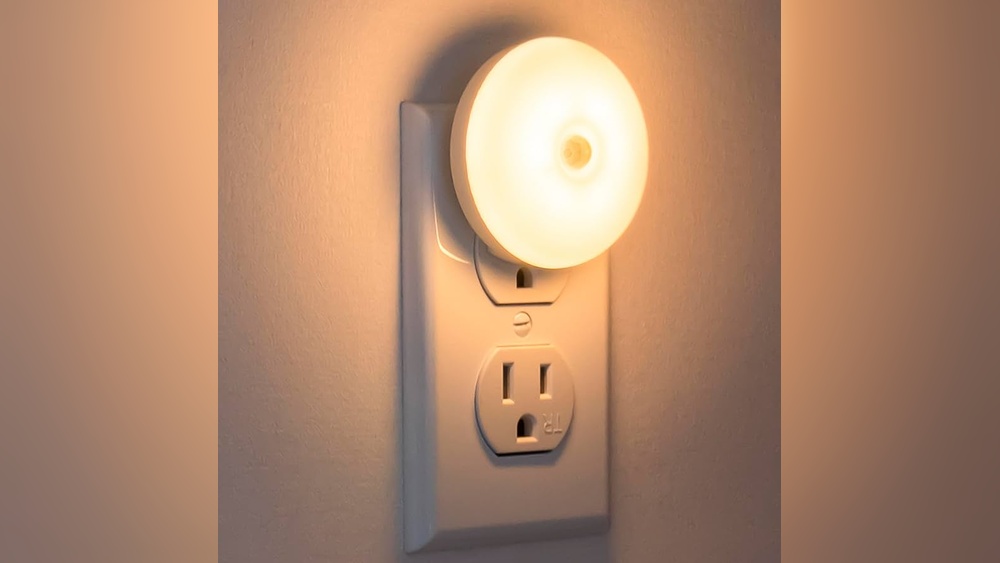
Are you tired of stumbling in the dark when you get up at night? Choosing the right night light can make all the difference for your safety and comfort.
But should you go for motion sensor lights or plug-in night lights? Each option has its own benefits, and knowing which one fits your needs can save you time, energy, and hassle. Keep reading to discover which night light will brighten your nights the smartest way.
Motion Sensor Lights Basics
Motion sensor lights provide light only when needed. They save energy and add safety. These lights detect movement to turn on and off automatically. Understanding their basics helps choose the right light for your space.
Motion sensor lights come in different styles and sizes. Many use infrared technology to sense heat and movement. They work well in homes, yards, and public places. Knowing how they work and their benefits helps decide between motion sensor lights and plug-in night lights.
How Motion Sensors Work
Motion sensors detect body heat or changes in light. Most common types use passive infrared (PIR) sensors. These sensors sense heat from people or animals moving nearby. When detected, the sensor sends a signal to turn on the light. After no movement, the light turns off automatically.
Some motion sensors use ultrasonic or microwave technology. These send waves and detect reflections from moving objects. This method works in dark or light areas. Sensors have adjustable settings for sensitivity and light duration. This control helps save power and avoid false alarms.
Common Uses And Benefits
Motion sensor lights improve safety around doors, stairs, and driveways. They help prevent accidents in dark spaces. These lights also deter burglars by lighting up when motion is detected. Many use them for outdoor security and indoor convenience.
Energy savings are a big benefit. Lights only turn on when needed, reducing electricity use. They last longer because they are not on all the time. Motion sensor lights also add comfort by lighting paths or rooms automatically.
Plug-in Night Lights Essentials
Plug-in night lights offer a simple way to keep spaces softly lit at night. They plug directly into wall outlets and provide steady light. These lights are easy to use and require no installation. Many homes and workplaces use them for safety and comfort during dark hours.
Types Of Plug-in Night Lights
There are several types of plug-in night lights. Some have a fixed light bulb that stays on all night. Others feature LED bulbs for energy saving and longer life. Some models include sensors that turn the light on only in darkness. There are also lights with timers that switch off after a set time. Designs range from plain to decorative, fitting different tastes and needs.
Typical Applications
Plug-in night lights fit many places and uses. They are common in bedrooms to help children feel safe. Hallways benefit from gentle lighting for safe walking at night. Bathrooms often use them for low light without waking others. Kitchens and basements can also have these lights for easy visibility. They help prevent trips and falls in dark areas. Offices and hotels sometimes use them to offer subtle light without distraction.
Energy Efficiency Comparison
Energy efficiency plays a big role when choosing lighting for your home. Both motion sensor lights and plug-in night lights save electricity in different ways. Comparing their energy use helps pick the best option for your needs. Let’s explore how much power each uses and which one could lower your electricity bills.
Power Consumption Of Motion Sensor Lights
Motion sensor lights use power only when they detect movement. This means they stay off most of the time. The light turns on only for a few minutes after motion is detected. This short usage helps save a lot of energy. Many models use LED bulbs, which consume very little electricity. Overall, motion sensor lights use energy efficiently by working only when needed.
Energy Use Of Plug-in Night Lights
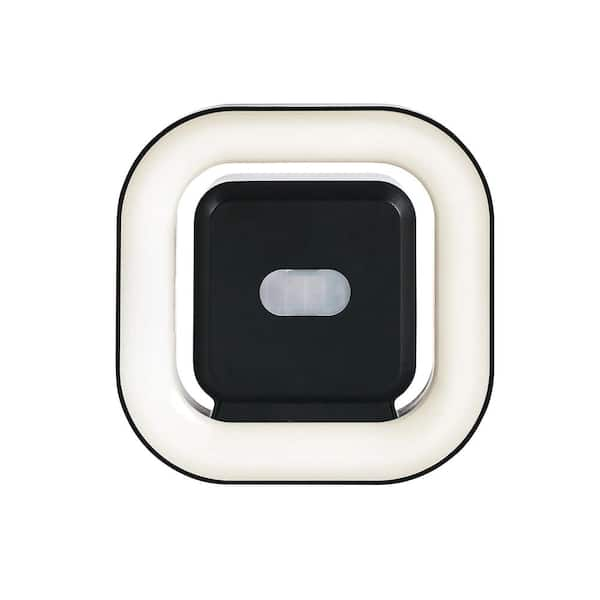
Plug-in night lights stay on all night long. They use a small amount of electricity but run continuously. Most night lights use LED bulbs, which lower energy use. Still, the constant power draw adds up over time. Some models have dim settings or timers to reduce energy use. Compared to motion sensor lights, plug-in night lights consume more energy because they do not turn off automatically.
Credit: www.homedepot.com
Installation And Maintenance
Installation and maintenance play a big role in choosing between motion sensor lights and plug-in night lights. Both need different setups and care. Knowing these details helps you pick the right light for your home. It also saves time and effort in the long run.
Setting Up Motion Sensor Lights
Motion sensor lights need more work to install. First, choose a spot where the sensor can easily detect movement. Usually, this means near doors or hallways. Mount the light securely on a wall or ceiling.
Some models need wiring. Others run on batteries. Battery models are easier to place anywhere. Wired lights require a power source, which might need an electrician.
Adjust the sensor’s sensitivity and light timer. This controls how long the light stays on after detecting motion. Test the light to make sure it works well in dark conditions.
Installing Plug-in Night Lights
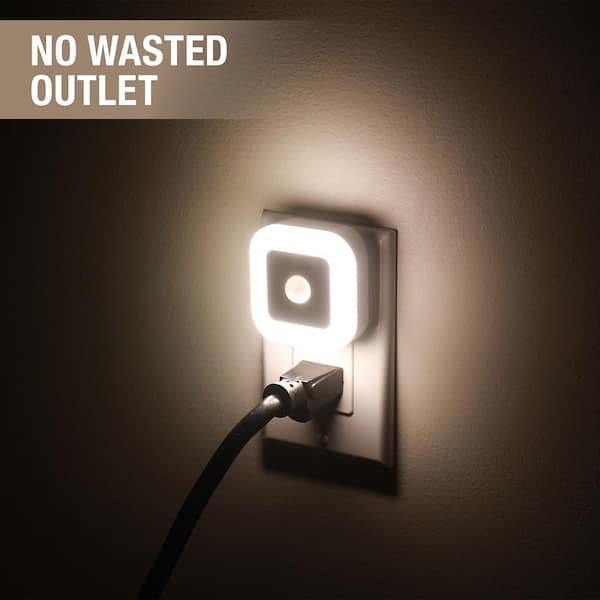
Plug-in night lights are simple to install. Just plug them into any electrical outlet. No tools or wiring needed. They work immediately.
Choose a low-traffic outlet near the floor or bed. Some models have a built-in sensor that turns the light on in the dark. Others stay on all night.
These lights are very portable. Move them easily from room to room. Great for renters or those who want a quick light solution.
Upkeep And Longevity
Motion sensor lights need occasional cleaning. Dust on the sensor can reduce performance. Check batteries regularly if your model uses them. Replace bulbs as needed.
Plug-in night lights require less upkeep. Wipe the surface to keep it clean. Bulbs last a long time, especially LED models. Replace bulbs only when they stop working.
Both types can last for years with proper care. Choose based on how much time you want to spend on maintenance.
Cost Analysis
Cost is a key factor when choosing between motion sensor lights and plug-in night lights. Understanding the price differences helps you pick the right option for your budget. Both types have initial costs and ongoing expenses.
Initial Purchase Price
Motion sensor lights usually cost more upfront. They need sensors and sometimes batteries or wiring. Prices range from $15 to $50 depending on features and brand. Plug-in night lights are cheaper. Most cost between $5 and $15. They simply plug into an outlet and do not need extra parts.
Long-term Expenses
Motion sensor lights save energy by turning off when no one is nearby. This lowers your electricity bill. They may need battery replacement if wireless. Plug-in night lights use power all night. This can increase electricity costs over time. Their bulbs may also need changing more often.
Safety And Security
Safety and security are key reasons to use lights at home. Good lighting helps prevent accidents. It also protects your home from unwanted visitors. Choosing the right type of light is important for these reasons.
Motion sensor lights and plug-in night lights serve different safety roles. Each offers unique benefits. Understanding these can help you choose better lighting for your needs.
Deterring Intruders With Motion Sensor Lights
Motion sensor lights turn on only when they detect movement. This sudden light can startle intruders. It makes hiding near your home difficult. Intruders prefer dark, unlit areas.
These lights also alert you to someone’s presence. You can see activity outside your home. This helps you react quickly to possible threats. Motion sensor lights cover large outdoor areas well.
Providing Comfort With Night Lights
Night lights offer soft, steady illumination indoors. They create a comforting atmosphere in dark rooms. Night lights help children and adults move safely at night. They reduce the risk of tripping or falling.
Plug-in night lights make it easier to see without turning on bright lights. This is helpful in bedrooms, hallways, and bathrooms. They provide security by guiding your way quietly and gently.
Aesthetic And Design Options
Choosing lighting for your home is about more than function. Aesthetic and design matter too. Lights can blend in or stand out as part of your décor. Both motion sensor lights and plug-in night lights offer many design choices. These choices affect how well the lights fit into your home’s style.
Styles Available For Motion Sensor Lights
Motion sensor lights come in sleek and modern designs. Many have a minimalist look with smooth lines. Others mimic traditional fixtures for a classic feel. They can be small and discreet or larger to make a statement. Some models feature adjustable heads to direct light where needed. Colors vary from white and black to metallic finishes like bronze or silver. This variety helps match the lighting to different room styles.
Variety In Plug-in Night Lights
Plug-in night lights offer a wide range of fun and practical designs. Many are shaped like animals or cartoon characters, perfect for children’s rooms. Others have simple shapes like stars or moons for a soft glow. Some models include decorative patterns or color-changing bulbs. The compact size makes them easy to place near beds or hallways. These night lights often come in warm or cool light options to suit mood and space.
Credit: www.homedepot.com
Best Uses For Each Light Type
Choosing the right light can make a big difference in your home. Motion sensor lights and plug-in night lights serve different purposes. Knowing their best uses helps you pick the perfect one for each space. Both types add safety and comfort but work best in different settings.
Ideal Spaces For Motion Sensor Lights
Motion sensor lights work well in areas with low light and occasional traffic. They turn on only when movement is detected. This feature saves energy and adds security.
Outdoor spaces like driveways and backyards benefit from motion sensor lights. They scare off intruders and light the path at night. Hallways and staircases inside the home also suit these lights. They provide light only when needed, preventing trips and falls.
Garages and basements often have motion sensor lights. These places are dark and used at irregular times. The light activates as you enter, making it easier to see.
Where Plug-in Night Lights Shine
Plug-in night lights offer a soft, constant glow. They provide comfort and visibility in rooms used during the night. Bedrooms, especially children’s rooms, are good spots. The gentle light helps reduce fear of the dark.
Bathrooms also benefit from plug-in night lights. They give enough light for nighttime trips without waking everyone. Kitchens and hallways can use these lights for safe night navigation.
Plug-in night lights are great for any room needing low light all night. They are easy to install and use little power. These lights create a calm and cozy atmosphere.
User Experience And Feedback
User experience plays a big role in choosing between motion sensor lights and plug-in night lights. Homeowners share their thoughts and feelings about each type. Their feedback helps others decide which light suits their needs best.
Many users focus on ease of use, reliability, and comfort. They want lights that work well without hassle. Comments from real users reveal the strengths and weaknesses of both lighting options.
Pros And Cons From Homeowners
Motion sensor lights often get praise for saving energy. They turn on only when needed. This makes them ideal for hallways and bathrooms. Users also like that these lights feel modern and smart.
Some say motion sensors can be too sensitive or not sensitive enough. This inconsistency can cause frustration. Another downside is the need for batteries or wiring. This can mean extra cost and effort.
Plug-in night lights are simple and easy to use. Homeowners appreciate that they plug directly into outlets. No installation is needed. They provide steady light all night, which many find comforting.
On the downside, plug-in lights use power all the time. This can increase electricity bills. Some users find them less flexible in placement. They must be near an outlet, limiting options.
Common Complaints And Praise
Many homeowners praise motion sensor lights for security. They feel safer with lights that turn on automatically. This feature is especially popular for outdoor use.
Complaints include false triggers from pets or passing cars. This can drain batteries quickly. Some users find the lights turn off too soon, leaving dark spots.
Plug-in night lights receive praise for their soft glow. They provide comfort for children and elderly people at night. Users like that these lights reduce the fear of darkness.
Common complaints are that plug-in lights can be too bright. This brightness may disturb sleep. Some find the design bulky or unattractive, affecting room decor.

Credit: www.amazon.com
Frequently Asked Questions
What Are The Main Differences Between Motion Sensor And Plug-in Night Lights?
Motion sensor lights activate only when they detect movement, saving energy. Plug-in night lights stay on continuously, providing constant illumination. Motion sensors enhance security, while plug-ins offer steady comfort. Each serves different needs depending on usage and location.
Are Motion Sensor Lights More Energy-efficient Than Plug-in Night Lights?
Yes, motion sensor lights are more energy-efficient. They operate only when motion is detected, reducing electricity use. Plug-in night lights consume power constantly, even when no one is around. This makes motion sensors ideal for saving energy in low-traffic areas.
Which Night Light Option Is Better For Children’s Rooms?
Plug-in night lights are usually better for children’s rooms. They offer a soft, steady glow that helps kids feel safe. Motion sensor lights might turn off unexpectedly, which could disturb a sleeping child. Consistent lighting is often preferred in bedrooms.
Can Motion Sensor Lights Improve Home Security Effectively?
Yes, motion sensor lights enhance home security. They illuminate when motion is detected, deterring intruders. This sudden light can alert homeowners to movement outside. Plug-in night lights do not provide this reactive security benefit.
Conclusion
Motion sensor lights save energy by turning on only when needed. Plug-in night lights provide constant, soft lighting through the night. Both types improve safety and comfort in dark areas. Choose motion sensors for places with occasional use. Pick plug-in lights for steady, gentle illumination.
Each has clear benefits depending on your needs. Think about where and how you want light. This helps you decide which option fits best. Simple steps make your home safer and brighter.
Disclosure: As an Amazon Associate, I may earn from qualifying purchases at no extra cost to you. Amazon and the Amazon logo are trademarks of Amazon.com, Inc, or its affiliates.
