

Are you thinking about upgrading your kitchen sink but unsure if a 16 gauge sink is the right choice for you? Choosing the perfect sink can feel overwhelming with so many options out there.
You want something durable, stylish, and worth every penny. A 16 gauge sink promises just that, but is it truly worth the investment? You’ll discover the real benefits and potential downsides of a 16 gauge sink. By the end, you’ll have a clear answer to help you make the best decision for your kitchen and your lifestyle.
Keep reading to find out if a 16 gauge sink is the smart choice for you.
Gauge And Thickness
Gauge and thickness are key factors in choosing a sink. They affect durability and quality. Understanding gauge helps you pick the right sink for your needs. A lower gauge number means thicker metal and better strength. Sinks with different gauges offer varying levels of performance and price.
What Does 16 Gauge Mean
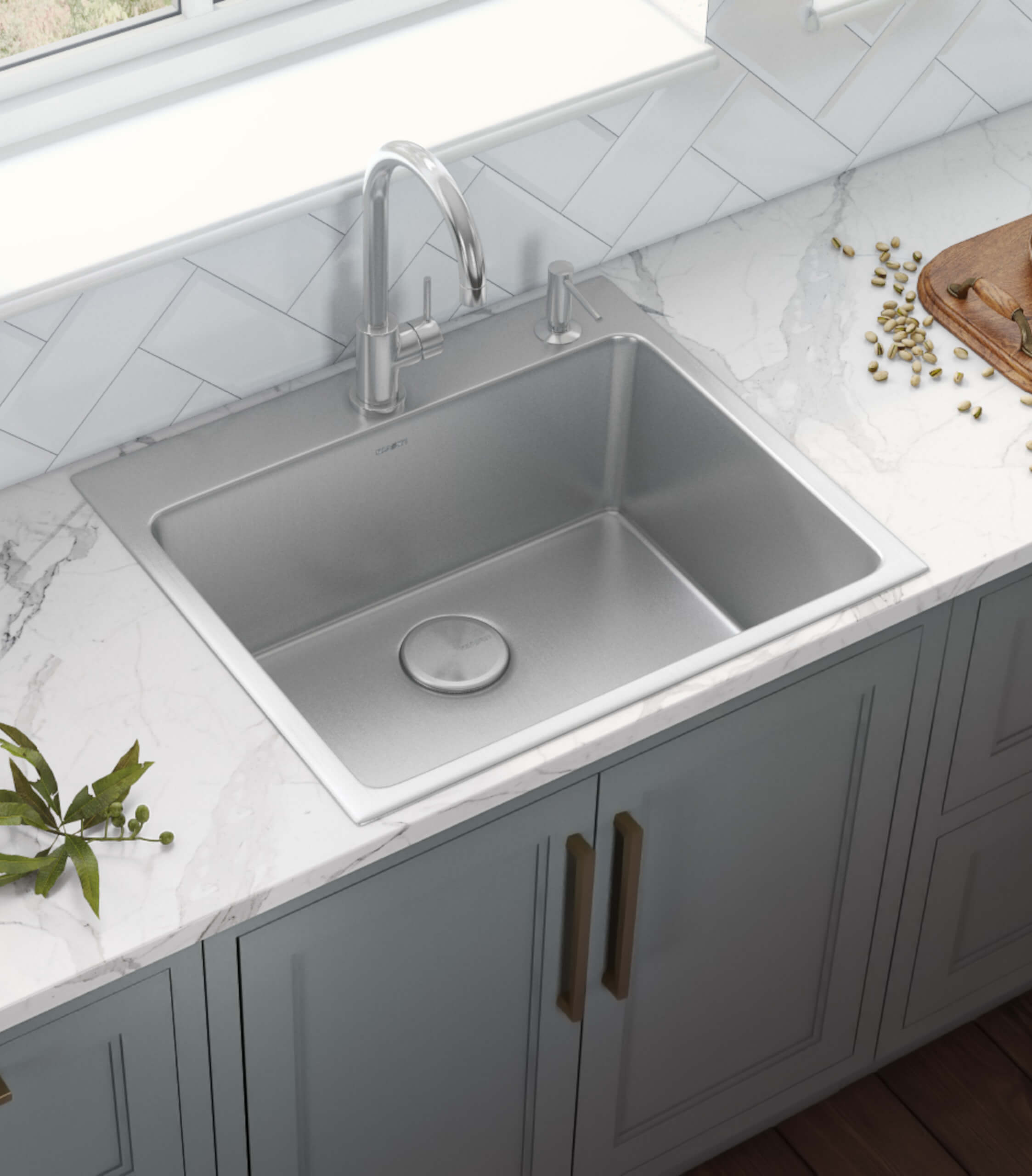
16 gauge means the sink metal is 0.0625 inches thick. It is thicker than many common sink gauges. Thicker metal resists dents and noise better. A 16 gauge sink usually lasts longer and feels solid. This thickness is common in mid to high-end kitchen sinks. It balances strength and cost well.
Comparison With Other Gauges
Common sink gauges include 18, 16, and 14. An 18 gauge sink is thinner at 0.05 inches. It is lighter but less durable. A 14 gauge sink is thicker at 0.075 inches. It offers excellent strength but costs more. 16 gauge is a middle ground. It provides good durability without a very high price.
Credit: www.ruvati.com
Durability Factors
Durability is a key factor when choosing a kitchen sink. The thickness of the metal affects how long the sink lasts and how well it handles daily use. A 16 gauge sink offers a strong balance between weight and toughness. Understanding its durability helps decide if it fits your needs.
Resistance To Dents And Damage
Thicker metal means better protection against dents. A 16 gauge sink is thicker than many other sinks. It can handle heavy pots and pans without bending. This thickness reduces the chance of scratches and dents from dropped items. It keeps the sink looking good for years.
Corrosion And Rust Protection
Steel sinks need protection from rust and corrosion. A 16 gauge sink often uses high-quality stainless steel. This steel resists rust even in wet kitchen environments. It stays clean and shiny with simple care. Rust protection adds to the sink’s lifespan and value.
Value Considerations
Choosing the right sink involves thinking about value. A 16 gauge sink offers certain benefits and costs. It is important to weigh these aspects carefully. Value considerations help decide if the sink fits your needs and budget.
Cost Vs Longevity
A 16 gauge sink costs more than thinner sinks. The price reflects its thicker steel and stronger build. This thickness means the sink lasts longer. It resists dents and scratches better. The sink needs less repair or replacement over time. Spending more upfront can save money later.
Impact On Home Value
A good quality sink can improve your home’s appeal. Buyers notice durable and attractive kitchen fixtures. A 16 gauge sink shows attention to detail and quality. It adds a small but positive boost to home value. It makes your kitchen look modern and well-maintained. This can help sell your home faster.
Installation And Maintenance
Installation and maintenance are key factors for any kitchen sink. A 16 gauge sink offers a good balance between strength and ease of handling. Understanding how to install and care for it helps keep the sink looking new and working well for years.
Ease Of Installation
Most 16 gauge sinks fit standard kitchen cutouts. They are not too heavy, making them easier to handle during installation. You can install it yourself with basic tools. Secure mounting clips usually come with the sink for quick setup. Proper sealing around edges prevents leaks. A well-installed sink avoids water damage and keeps your kitchen safe.
Cleaning Tips For Longevity
Clean your 16 gauge sink regularly to maintain its shine. Use mild soap and a soft cloth to wipe it down. Avoid harsh chemicals that can damage the metal surface. Dry the sink after each use to prevent water spots. For tough stains, use a paste of baking soda and water. Regular care keeps the sink strong and attractive for many years.
Design And Style Options
Design and style play a big role in choosing a sink. A 16 gauge sink offers many options. It fits well with different kitchen looks. You can find styles that match modern and classic kitchens. The variety helps you pick one that fits your taste and needs.
Popular Finishes
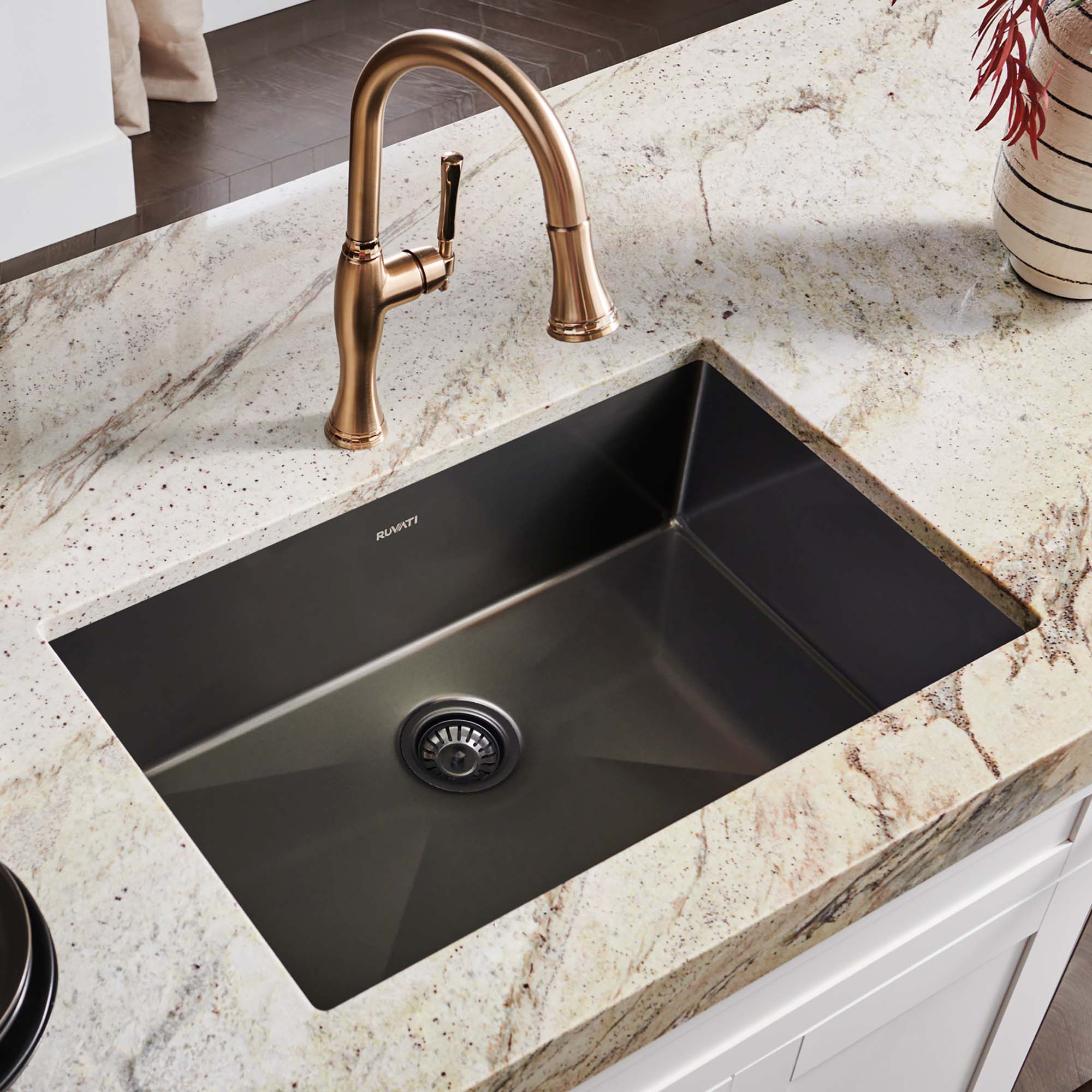
Stainless steel is the most common finish for 16 gauge sinks. It looks clean and shines nicely. Brushed finishes hide scratches better than polished ones. Matte finishes give a soft, elegant look. Some sinks come with special coatings to resist stains and spots. These finishes keep the sink looking new longer.
Suitability For Different Kitchens
16 gauge sinks suit many kitchen types. They work well in busy kitchens because they are strong. Their thickness helps reduce noise from running water. Small kitchens benefit from sleek, simple styles. Larger kitchens can have bigger, deeper sinks for heavy use. The design options allow these sinks to blend with various kitchen themes easily.

Credit: www.kraususa.com
Alternatives To 16 Gauge
Choosing the right sink gauge affects durability and price. Alternatives to 16 gauge sinks offer options for different budgets and needs. Exploring these can help find a sink that fits your kitchen style and function.
18 Gauge Sinks
18 gauge sinks are thinner than 16 gauge. They cost less and weigh less, making installation easier. These sinks still resist dents and scratches well. They suit kitchens with light to moderate use. For busy kitchens, 16 gauge might be better. But 18 gauge sinks balance quality and affordability nicely.
Other Materials
Besides stainless steel, other materials offer unique benefits. Granite composite sinks are tough and resist stains. They add a modern look to kitchens. Porcelain sinks provide a classic style but can chip. Copper sinks kill bacteria naturally and develop a patina over time. Each material has pros and cons. Choose based on style, maintenance, and budget needs.
Credit: www.ruvati.com
Frequently Asked Questions
What Is A 16 Gauge Sink?
A 16 gauge sink is made from stainless steel 0. 0625 inches thick. It’s thicker and more durable than thinner gauges, offering better resistance to dents and noise.
Is A 16 Gauge Sink More Durable Than Thinner Ones?
Yes, 16 gauge sinks are stronger and last longer. They resist dents and scratches better, making them ideal for heavy kitchen use.
How Does A 16 Gauge Sink Affect Kitchen Noise?
Thicker 16 gauge sinks absorb sound well. They reduce noise from running water and clattering dishes, providing a quieter kitchen environment.
Are 16 Gauge Sinks Worth The Extra Cost?
Investing in a 16 gauge sink is worthwhile. Its durability, noise reduction, and long lifespan justify the slightly higher price compared to thinner sinks.
Conclusion
Choosing a 16 gauge sink means getting strong and durable quality. It handles daily use without bending or denting easily. This thickness offers good noise reduction while washing dishes. The price fits well with the value you receive. It suits both busy kitchens and casual home use.
Think about your needs and budget before buying. A 16 gauge sink often balances cost and performance well. This sink type can last many years with proper care. Overall, it is a smart choice for many households.
Disclosure: As an Amazon Associate, I may earn from qualifying purchases at no extra cost to you. Amazon and the Amazon logo are trademarks of Amazon.com, Inc, or its affiliates.
