

Is your kitchen sink draining slowly or not at all? A clogged sink can turn simple tasks into frustrating chores.
But before you call a plumber or reach for harsh chemicals, there are easy steps you can take to fix the problem yourself. In this guide, you’ll discover simple, effective ways to unclog your kitchen sink quickly. Keep reading to learn how to get your sink flowing smoothly again—and save time and money in the process.
Common Causes Of Kitchen Sink Clogs
Kitchen sink clogs happen often. They stop water from draining well. Knowing the common causes helps you fix clogs fast. It also helps to stop them from coming back.
Food Particles And Grease
Food pieces often get stuck in the drain. Small bits build up and block water flow. Grease from cooking oils cools and hardens. This creates a sticky layer inside pipes. Over time, the layer grows and clogs the sink.
Soap Scum And Mineral Buildup
Soap leaves a white, slimy film called soap scum. It sticks to pipe walls and narrows the drain. Hard water adds minerals like calcium. These minerals form deposits inside pipes. The buildup slows down water and causes clogs.
Foreign Objects
Items like bottle caps, small toys, or jewelry can fall in. These objects block the drain and trap debris. They cause sudden and stubborn clogs. Removing them quickly stops damage to your plumbing.
Credit: www.youtube.com
Tools Needed For Diy Unclogging
Unclogging a kitchen sink can be simple with the right tools. Having basic items ready saves time and effort. These tools help clear blockages safely and quickly. They work for most common sink clogs in homes.
Gathering these tools helps you fix the problem yourself. No need to call a plumber for small clogs. These tools are easy to use and usually found at home or local stores.
Plunger
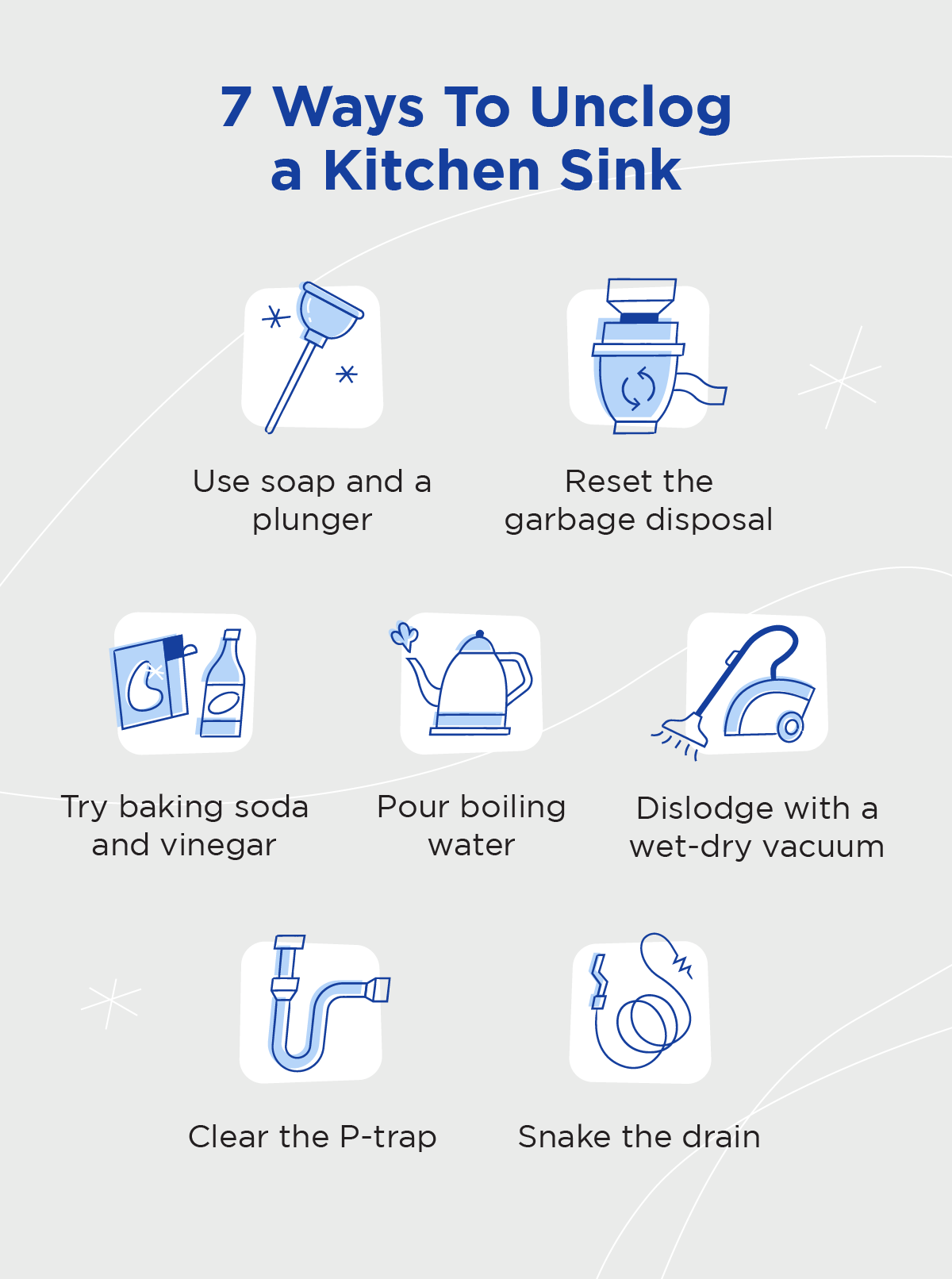
A plunger creates pressure to push clogs away. It works well for minor blockages. Use a cup-shaped plunger made for sinks. Make sure to cover the drain completely. Push and pull firmly several times. This often loosens food scraps or grease.
Drain Snake
A drain snake is a flexible wire tool. It reaches deep inside the drain pipe. Twist the snake to catch or break the clog. It is perfect for stubborn blockages. Use it carefully to avoid pipe damage. This tool can clear hair, soap, and debris.
Baking Soda And Vinegar
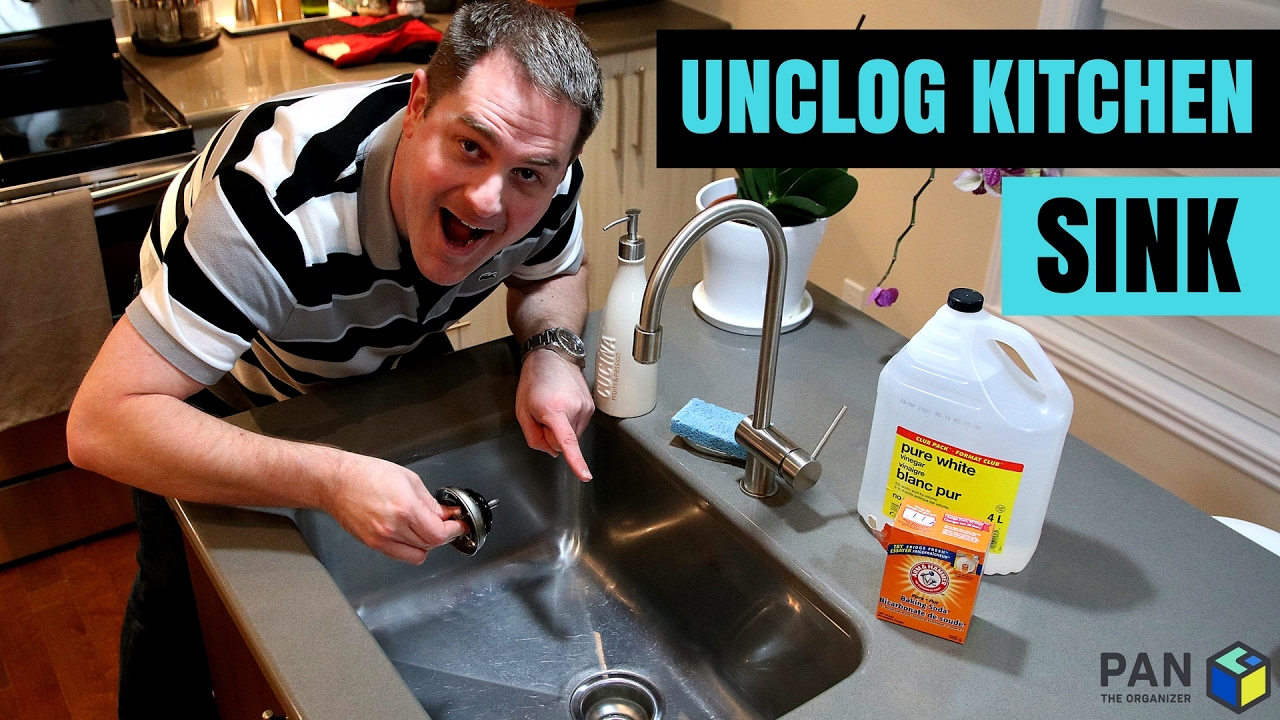
Baking soda and vinegar create a natural cleaning reaction. Pour half a cup of baking soda into the drain. Follow with half a cup of vinegar. Wait 15-30 minutes for fizzing to work. Then flush with hot water. This method helps dissolve grease and minor buildup.
Boiling Water
Boiling water is a simple way to clear grease clogs. Pour it slowly down the drain in stages. Hot water melts fats and washes away dirt. Repeat if needed, but be cautious with PVC pipes. This method is safe and chemical-free.
Step-by-step Diy Unclogging Methods
Clogged kitchen sinks are common and fixable at home. Simple tools and ingredients can clear most blockages. Follow these step-by-step DIY methods to unclog your sink easily. Each method suits different types of clogs and situations.
Using A Plunger Effectively
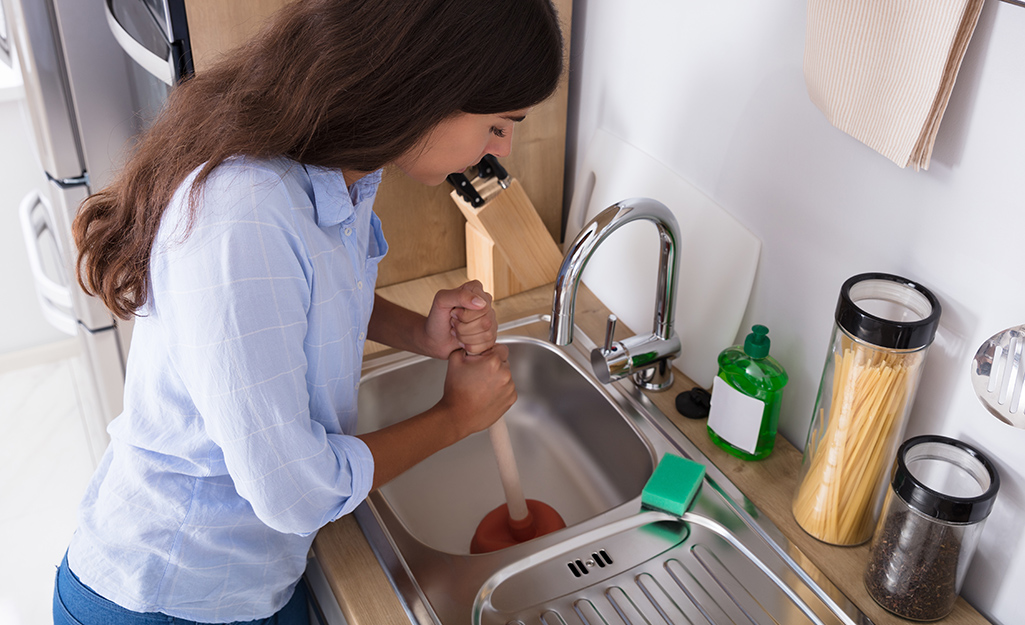
Start by removing any standing water from the sink. Place the plunger over the drain, ensuring a tight seal. Push and pull the plunger in quick, strong motions. Repeat this for 15 to 20 seconds. Check if the water drains freely. Repeat if needed, but do not use too much force.
Clearing With A Drain Snake
Insert the drain snake into the sink drain slowly. Turn the handle to push the snake deeper. When you feel resistance, rotate the snake to break the clog. Pull the snake out carefully, removing debris. Run water to test if the clog clears. Use gloves for hygiene and safety.
Natural Cleaning With Baking Soda And Vinegar
Pour half a cup of baking soda into the drain. Follow with half a cup of white vinegar. Let the mixture fizz and work for 15 minutes. Afterward, flush the drain with warm water. This method breaks down grease and softens buildup naturally.
Flushing With Boiling Water
Boil a kettle of water. Slowly pour boiling water directly into the drain. Repeat pouring in stages, allowing water to work. This helps dissolve grease and soap residue. Use this method after other techniques for better results.
Credit: www.mrrooter.com
Preventing Future Clogs
Preventing future clogs saves time and stress. Small habits keep your kitchen sink flowing smoothly. Consistent care stops blockages before they start. This section covers easy ways to avoid clogs.
Proper Disposal Of Food Waste
Never pour large food scraps down the drain. Use a trash bin or compost for leftovers. Avoid greasy or oily substances in the sink. These can stick to pipes and cause buildup. Scrape plates into the trash before rinsing dishes.
Regular Cleaning Habits
Clean your sink and drain weekly to prevent grime. Pour hot water down the drain to melt grease. Use a mixture of baking soda and vinegar to clear residue. Avoid letting food particles sit in the drain for long. Regular cleaning keeps pipes clear and fresh.
Avoiding Harmful Chemicals
Steer clear of strong chemical drain cleaners. They can damage your pipes and harm the environment. Use natural cleaners like baking soda or enzyme-based products. These break down clogs gently and safely. Protect your plumbing with gentle cleaning methods.
When To Call A Professional
Knowing when to call a professional plumber saves time and prevents damage. Some sink clogs need expert tools and skills to fix. Trying to fix serious problems alone can cause more trouble and cost more later. Watch for signs that show a plumber’s help is needed. Acting early avoids bigger issues in your kitchen plumbing.
Persistent Or Severe Clogs
Clogs that keep coming back need a professional check. If plunging and homemade solutions fail, call a plumber. Large blockages deep in pipes require special equipment. Professionals remove tough clogs safely and quickly. Persistent clogs can damage pipes and cause leaks.
Signs Of Plumbing Issues
Slow draining water often signals bigger problems. Bad smells from the sink may show trapped debris or mold. Gurgling sounds in drains can mean vent or pipe trouble. Water pooling under the sink is a warning sign. These issues need expert inspection and repair.
Safety Considerations
Using harsh chemicals can harm your skin and eyes. Chemicals may also damage pipes and cause leaks. Plumbers know how to handle dangerous tools and substances safely. Avoid electrical risks near water when fixing sinks. Professionals protect your home and health during repairs.
Credit: www.homedepot.com
Frequently Asked Questions
How Do I Unclog A Kitchen Sink Naturally?
Use a mix of baking soda and vinegar. Pour baking soda down the drain, then add vinegar. Wait 15 minutes and flush with hot water. This method safely breaks down grease and debris without harsh chemicals.
What Household Items Can Unclog Kitchen Sinks?
Common items include baking soda, vinegar, salt, and boiling water. These help dissolve grease and loosen clogs. Avoid harsh chemicals to protect pipes and the environment. Regular maintenance with these items prevents future blockages.
When Should I Use A Plunger On A Clogged Sink?
Use a plunger when water drains slowly or stands still. Ensure there’s enough water to cover the plunger’s cup. Create a tight seal and plunge vigorously to dislodge the clog. Repeat as needed until water flows freely.
Can A Wire Hanger Unclog A Kitchen Sink?
Yes, a straightened wire hanger can reach and pull out debris. Be careful not to scratch pipes. This method works well for clogs near the drain opening. Always wear gloves and dispose of debris safely.
Conclusion
Clearing a clogged kitchen sink is easier than you think. Small tools and simple steps often fix the problem fast. Regular cleaning helps stop clogs before they start. Act quickly to avoid bigger issues later. Keep these tips in mind for a smooth-running kitchen.
You can handle sink clogs with confidence and ease. Simple actions save time and money. Your kitchen will stay clean and working well. Try these methods and see the difference today.
Disclosure: As an Amazon Associate, I may earn from qualifying purchases at no extra cost to you. Amazon and the Amazon logo are trademarks of Amazon.com, Inc, or its affiliates.
