

Is your garage door opener acting up when you need it most? You’re not alone.
A malfunctioning opener can be frustrating and even disrupt your entire day. But before you call a repair service or spend money on a replacement, there are simple steps you can take to fix the problem yourself. In this guide, you’ll learn how to troubleshoot your garage door opener quickly and easily.
Keep reading, and you’ll be back to opening and closing your garage door with confidence in no time.

Credit: raynor.com
Common Garage Door Opener Problems
Garage door openers can stop working properly for several reasons. Knowing common problems helps fix them quickly. This saves time and avoids costly repairs. Troubleshooting is easier when you understand typical issues.
Here are some frequent problems you might face with your garage door opener.
Opener Not Responding
The garage door opener may not respond at all. It might not open or close the door. This can happen because of dead batteries in the remote. Wiring issues or a power outage can also cause this. Check if the opener is plugged in. Test the remote control batteries first.
Slow Or Erratic Movement
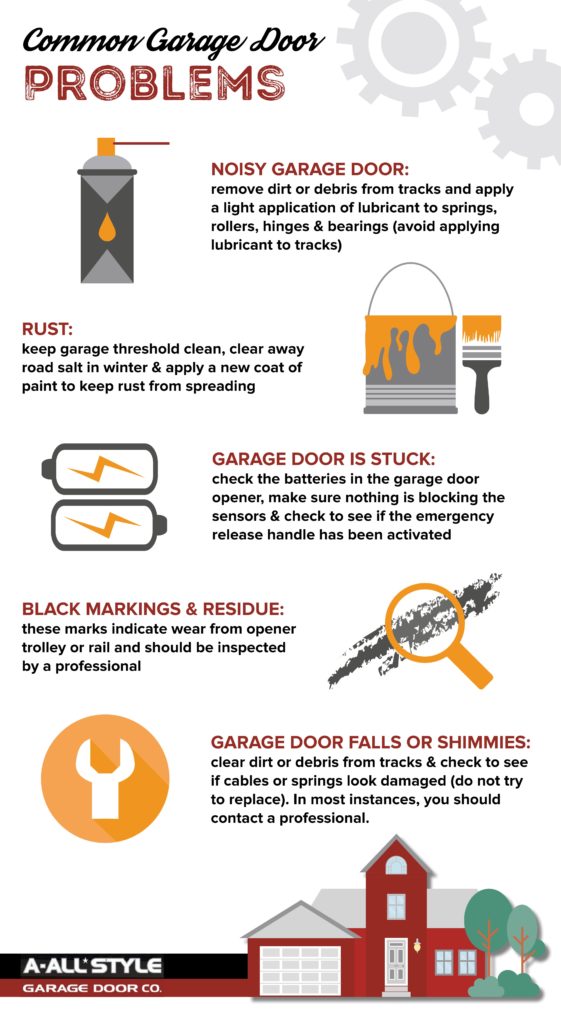
The door may move slowly or unevenly. This happens if the tracks are dirty or blocked. Worn-out gears inside the opener can slow it down. Lubricate the moving parts to improve motion. Look for loose bolts or broken springs too.
Remote Control Issues
Sometimes the remote control stops working correctly. It might only work near the door. Interference from other devices can cause problems. Reprogram the remote or replace its batteries. Make sure the remote is aimed toward the sensor.
Noisy Operation
Loud or strange noises often come from the opener. This noise can mean loose parts or worn gears. The motor may need lubrication or repair. Tighten any loose screws or bolts. Replace broken components to reduce noise.
Credit: www.allstyledoor.com
Basic Troubleshooting Steps
Troubleshooting a garage door opener starts with simple checks. These basic steps often solve common issues quickly. Follow each step carefully to find and fix the problem.
Check The Power Source
First, ensure the garage door opener is plugged in. Check the outlet for power by plugging in another device. Look for a tripped circuit breaker or a blown fuse. Fix any power issues before moving on.
Inspect The Remote Batteries
Remote controls often stop working because of dead batteries. Remove the batteries and test them with a battery tester. Replace old batteries with new ones. Clean the battery contacts to ensure good connection.
Reset The Opener
Resetting the garage door opener can clear minor errors. Locate the reset button on the opener unit. Press and hold it for about 10 seconds. Release the button and wait for the opener to restart.
Test The Wall Switch
The wall switch controls the door directly. Press the switch to see if the door moves. If it does, the remote may be the issue. If it does not, check the wiring or replace the switch.
Fixing Mechanical Issues
Fixing mechanical issues is a key part of troubleshooting a garage door opener. Many problems happen because parts wear out or get loose. Simple checks and fixes can bring your door back to smooth operation. This section covers easy steps to repair common mechanical faults.
Lubricate Moving Parts
Dry or rusty parts slow down your garage door. Apply a light coat of lubricant on chains, hinges, and springs. Use a spray designed for garage doors. Avoid oil-based lubricants that attract dust. Regular lubrication reduces noise and wear.
Tighten Loose Hardware
Loose bolts or screws cause the door to wobble or jam. Check all nuts, bolts, and screws along the door and opener. Use a wrench or screwdriver to tighten them firmly. Tight hardware keeps the door stable and safe.
Align The Tracks
Misaligned tracks can stop the door from moving smoothly. Look for bends or gaps between the door and the track. Use a rubber mallet to gently tap tracks back into place. Keep tracks parallel and even on both sides.
Replace Damaged Rollers
Worn or broken rollers make the door noisy and hard to open. Inspect each roller for cracks or chips. Remove damaged rollers by loosening the bolts. Install new rollers designed for your door model. Smooth rollers ensure easy door movement.
Credit: www.homedepot.com
Sensor And Safety Features
Garage door openers have safety sensors to prevent accidents. These sensors stop the door from closing if something blocks its path. Keeping these sensors clean and aligned ensures your door works safely and smoothly.
Clean The Safety Sensors
Dust and dirt can cover the sensors, causing them to fail. Use a soft cloth to wipe both sensors gently. Avoid using water or harsh cleaners that can damage them. Clean sensors help the door detect objects correctly.
Check Sensor Alignment
The sensors must face each other directly. Misaligned sensors can stop the door from closing. Adjust the sensors until the indicator lights on both are steady. This shows they are properly aligned and ready to work.
Test The Auto-reverse Function
The auto-reverse feature prevents injuries by reversing the door if it hits an object. Place a small object on the door’s path. Close the door slowly to see if it reverses. If it doesn’t, the sensors or opener may need repair.
Advanced Troubleshooting
Advanced troubleshooting helps fix tough garage door opener problems. It goes beyond basic checks like power or remote batteries. This section covers key steps to solve complex issues. Follow these tips to get your garage door working smoothly again.
Reprogram The Remote
Sometimes the remote stops working due to lost connection. Reprogramming can restore the link between remote and opener. Locate the “Learn” button on the opener unit. Press it until the indicator light glows. Then, press a button on the remote. The light should blink, confirming the pairing. Test the remote by opening or closing the door.
Inspect The Circuit Board
The circuit board controls the opener’s functions. A damaged board can cause erratic behavior or no response. Unplug the opener before inspection for safety. Look for burnt marks or broken parts on the board. Loose wires can also disrupt signals. Tighten connections or replace the board if needed. Use a multimeter to check electrical continuity.
Examine The Drive Belt Or Chain
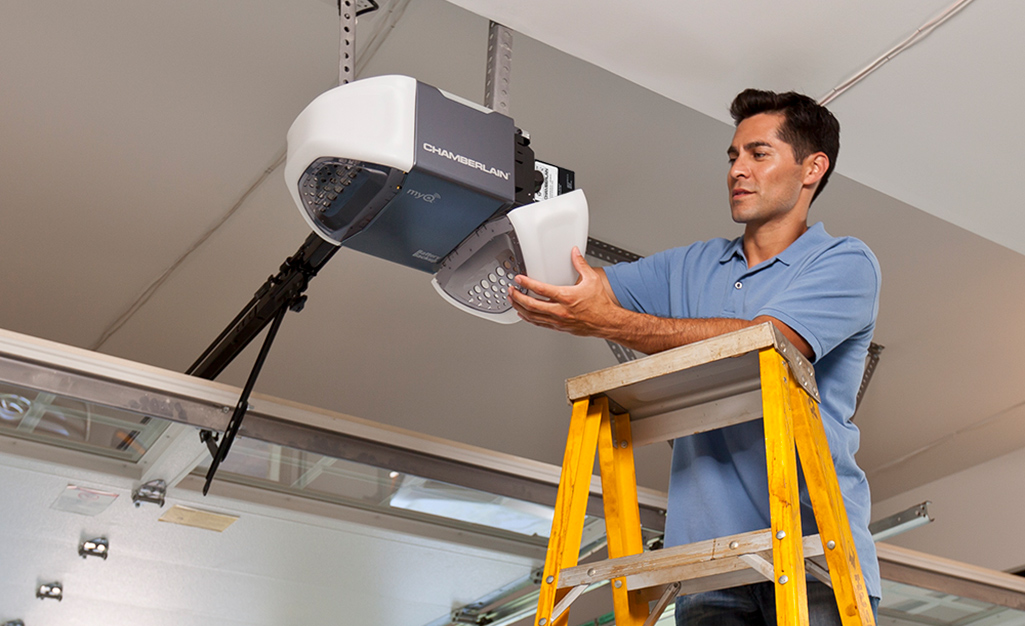
The drive belt or chain moves the door up and down. Check for wear, cracks, or breaks in the belt. A loose or rusty chain also causes problems. Adjust the tension according to the manual. Lubricate the chain with proper oil to reduce friction. Replace the belt or chain if you find serious damage. Proper maintenance extends the opener’s life.
When To Call A Professional
Knowing when to call a professional can save time and prevent damage. Some garage door opener problems need expert help. Recognizing these moments helps keep your door safe and working well.
Complex Electrical Problems
Electrical issues can be tricky and dangerous. Faulty wiring or circuit board problems need a skilled technician. Avoid handling electrical parts alone to prevent shocks or fires. Professionals have tools and knowledge to fix these safely.
Replacing Major Components
Parts like motors, springs, or gears may wear out over time. Replacing these requires special tools and experience. Incorrect installation can cause more damage or injury. Trust trained experts to handle big repairs properly and quickly.
Safety Concerns
Garage doors are heavy and under tension. Mishandling springs or cables can cause serious injury. If your door feels unsafe or moves oddly, stop and call a pro. Professionals follow safety rules to protect you and your home.
Frequently Asked Questions
How Do I Reset A Garage Door Opener?
To reset, unplug the opener for 30 seconds. Press and hold the reset button on the motor unit. Plug it back in and release the button. This clears errors and restores default settings.
Why Won’t My Garage Door Opener Respond?
Check the power source and remote batteries first. Ensure the door is unlocked and sensors are aligned. If still unresponsive, inspect wiring or call a professional.
How Can I Fix A Garage Door Opener Remote?
Replace the remote’s batteries and reprogram it according to the manual. Clean the remote’s buttons to avoid sticking. If issues persist, consider replacing the remote.
What Causes A Garage Door Opener To Reverse?
Reversal often happens due to misaligned sensors or obstructions. Check sensor alignment and clean lenses. Remove objects blocking the door path. Adjust travel limits if needed.
Conclusion
Troubleshooting a garage door opener does not have to be hard. Start with simple checks like power and remote batteries. Listen for unusual sounds or look for stuck parts. Keep safety in mind during every step. Small fixes often solve common problems fast.
Regular care helps your door work better longer. If issues persist, a professional can help safely. Stay patient and follow each step carefully. Your garage door will work smoothly again soon.
Disclosure: As an Amazon Associate, I may earn from qualifying purchases at no extra cost to you. Amazon and the Amazon logo are trademarks of Amazon.com, Inc, or its affiliates.
