
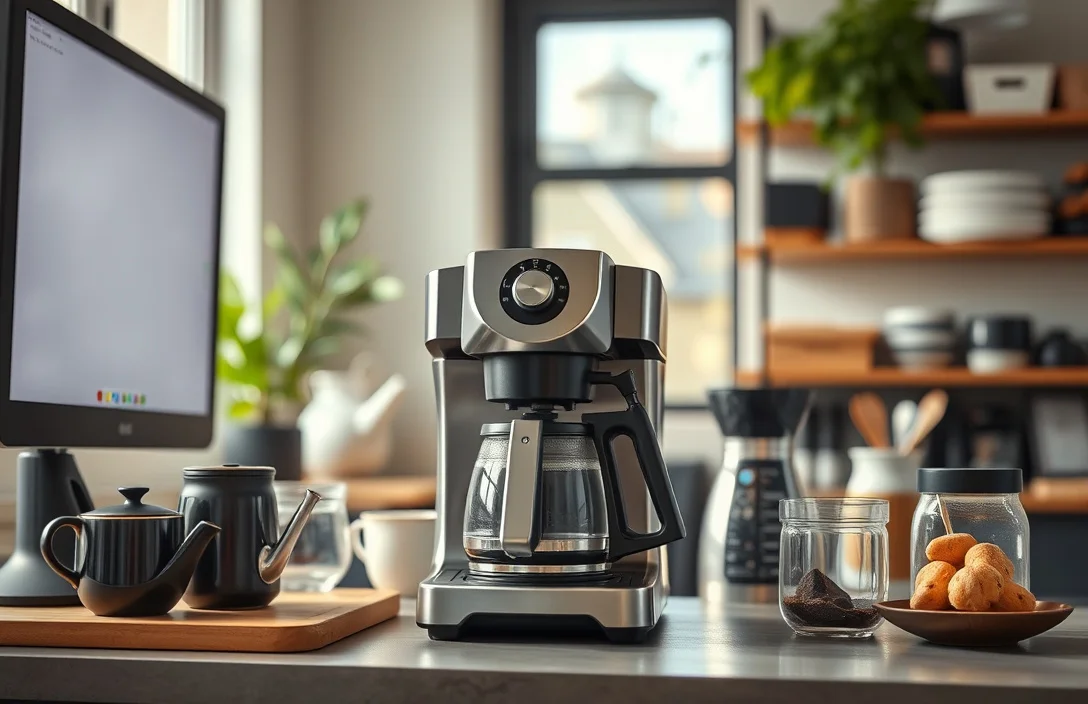
A coffee maker that misses basics like water temperature or brew consistency can taste sour, flat, or burnt even if the model name looks impressive. The fastest way to compare machines is to judge them on the things that reliably change flavor and daily usability – not on marketing features. This guide shows you how to compare coffee makers before buying, then helps you pick the right type for your routine, budget, and taste.
Coffee maker comparisons come down to a few measurable priorities: water temperature stability (aim for machines that reach roughly 195°F to 205°F), brew control like pre-infusion, and how the machine holds coffee after brewing. Thermal carafes tend to protect flavor for hours, while hot plates can degrade coffee in 20 to 30 minutes. Match those factors to your drink style, how many cups you brew, and how much maintenance you will actually do.
Key Takeaways
- Start with your drink. Pod, drip, espresso, and bean-to-cup behave differently, and your preferred drinks decide the machine type.
- Prioritize water temperature. Many machines do not reach the 195°F to 205°F range, which can taste sour or scorched.
- Pick a proper keep-warm. Hot plates keep “cooking” coffee, degrading flavor within 20 to 30 minutes.
- Check grind control. Integrated grinders vary, and espresso machines typically need a grinder for consistent extraction.
- Verify maintenance access. Descaling access and cleaning steps decide long-term taste and whether you’ll keep using the machine.
- Choose based on effort. Beans-to-cup is hands-off, semi-automatic espresso is skill-building, and pods are convenience-first.
What to Look For
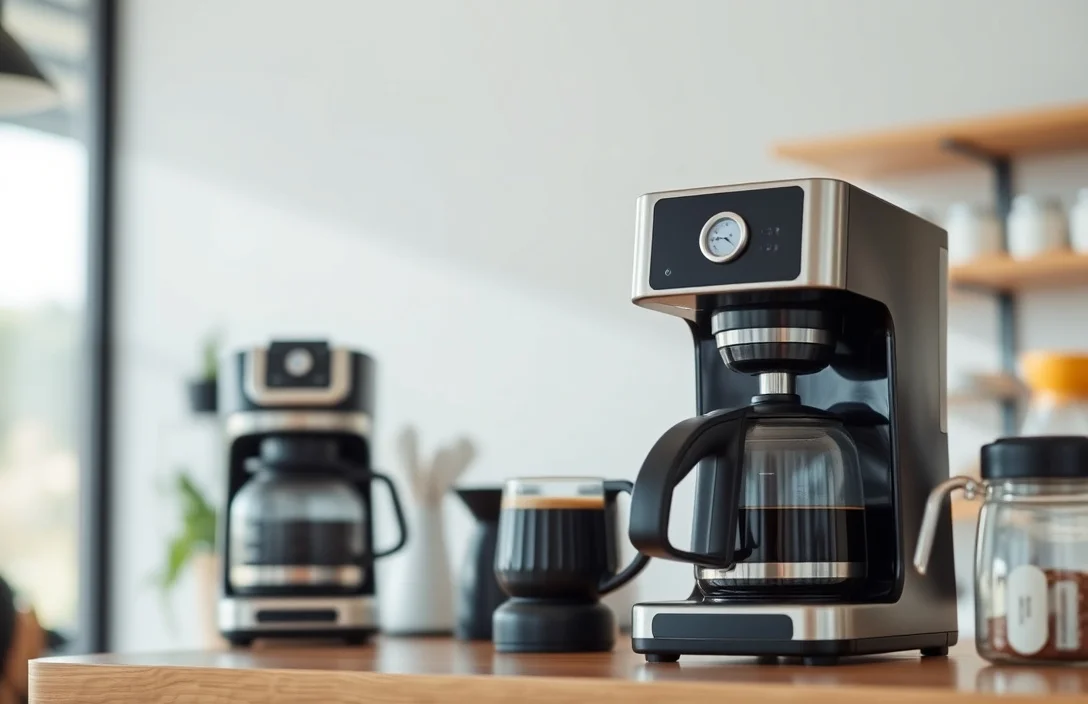
Start with the non-negotiables that affect flavor and daily life – water temperature and brew workflow. If a machine can’t hold stable temperature, it usually shows up as sour under-extraction or scorched over-extraction, and extra features won’t fix that.
Exclusive Amazon Early Sales & Discounts!
Save big with limited-time price drops across top-rated kitchen essentials, tools, auto parts, and accessories on Amazon.
⚡ Shop Prime Big Deal DaysBeyond temperature, compare how the machine handles brewing and holding coffee after the cycle ends. Pre-infusion can improve flavor by wetting grounds first, which helps extraction feel more even. For multi-cup drip, carafe design matters because hot plates keep heating the brew and can noticeably degrade flavor in 20 to 30 minutes, while thermal carafes keep coffee for hours with less taste change.
I use these criteria when comparing any coffee maker:
- Drink type fit: Are you making black coffee, iced coffee, or milk drinks most days?
- Temperature stability: Does the design support reaching about 195°F to 205°F for full extraction?
- Pre-infusion or control: Does the machine include pre-infusion (useful for fresh beans)?
- Carafe/keep-warm method: Thermal carafe beats hot plates if you drink over an hour.
- Grind and freshness: If the machine uses beans, check whether it grinds and how.
- Maintenance reality: Can you access parts for cleaning and descale without tools or hassles?
Do this one thing: write down your top two drinks and how long coffee sits before you finish it. That note eliminates most bad matches quickly.
Top Brands and Options
“Top brand” only helps after you match machine type to your routine. Pod workflow and semi-automatic espresso workflow are different buying decisions. If you want convenience and low mess, pods and automatic drip belong on your shortlist. If you want café-style milk drinks with more control, semi-automatic espresso is where most choices cluster.
For espresso and milk drinks, compare by what you can control. Semi-automatic machines are where many people learn extraction basics, but you often need a separate grinder if you go manual or if the included grinder is weak. For café-style results with less fuss, bean-to-cup machines are the hands-off lane – automation trades away some dial-in freedom.
If your shortlist mixes categories, use this “who each option is for” lens:
- Casual drinkers: Pod, basic drip, and cafetiere style options are usually simplest.
- Enthusiasts learning the basics: Manual espresso machines and more elaborate pod or filter setups.
- Home baristas: Semi-automatic and professional espresso machines.
- Coffee lovers who want zero effort: Bean-to-cup machines.
Common brand patterns (so you know what to check in listings):
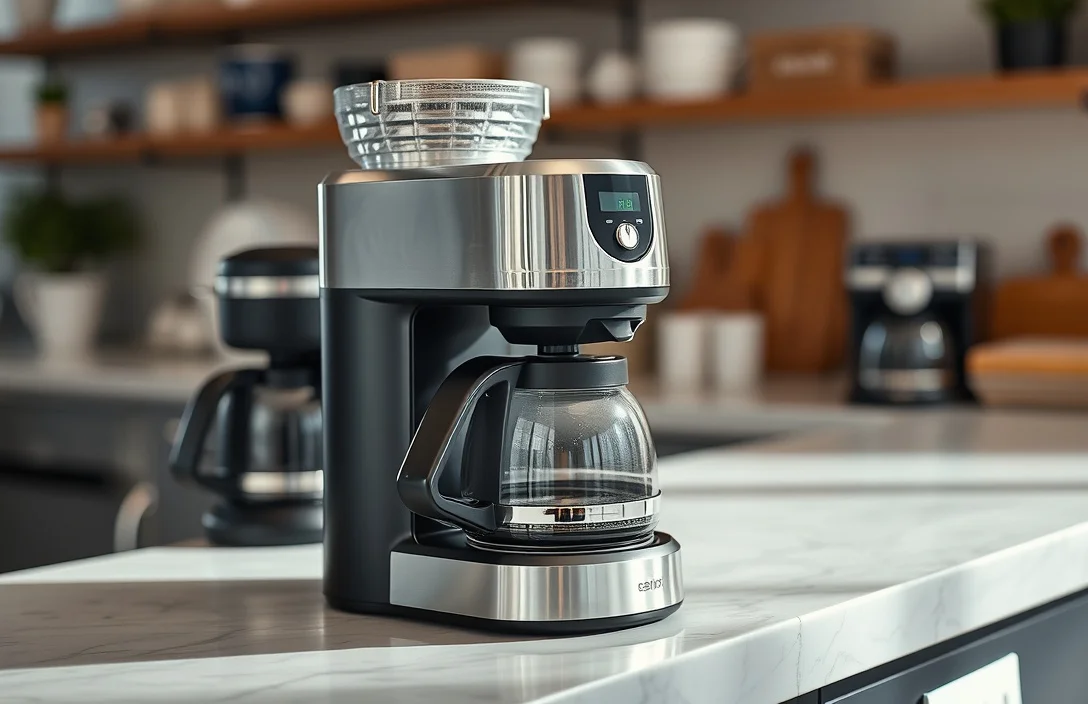
- Pod and convenient systems: Nespresso-style brands and compatible pod ecosystems.
- Entry-to-mid espresso exploration: De’Longhi, Ninja, Philips, and other brands common in learning-friendly models.
- Café-style espresso and milk: Sage, De’Longhi, Gaggia are frequently seen in this segment.
- Bean-to-cup automation: Philips, De’Longhi, JURA, Siemens show up a lot because they focus on hands-off coffee brewing.
One practical tip: when comparing models from top brands, prioritize the machine’s specific brewing design (temperature control, pre-infusion, boiler type if applicable) over the brand name. Performance differences usually come from engineering, not reputation.
Price Points and Budget
Budget comparisons get easier when you decide what you’re buying for – convenience, flavor control, or both. Pod machines are usually the cheapest entry because they remove variables like grind size and dosing. Espresso and bean-to-cup systems cost more because they include heaters, pumps, and sometimes grinders.
In the learning and convenience segment, you often see manual espresso machines and more elaborate pod or filter machines around the £200-£350 range (not a US price guarantee, but a useful segmentation for where capability jumps). Semi-automatic espresso and professional-style setups commonly land around £350-£700, while bean-to-cup options show up broadly between £150 and £1000 depending on how automated they are.
In the US, the rule stays the same: set a budget ceiling that matches your willingness to do maintenance and dial-in. If you want great results with minimal effort, your budget has to cover automation (bean-to-cup, or at least a good semi-automatic system plus milk handling). If you’re okay learning, you can often get better flavor-per-dollar by upgrading one critical component like a proper grinder or by choosing a machine with the right brew controls.
Use this budgeting checklist:
- Decide your “learning vs convenience” level. If you won’t change settings often, buy a machine that makes good default drinks.
- Plan for consumables. Pods, filters, descaling solution, and water treatment can add recurring costs.
- Don’t skip the grinder question. Espresso flavor depends heavily on grind quality and consistency.
My verdict: spend money on the part that controls extraction (temperature stability and, for espresso, grind quality). If you buy purely on marketing features at the same price tier, you often end up with a machine that brews cool or that degrades coffee quickly after brewing.

Helpful pick
BLACK+DECKER 12-Cup Coffee Maker with Easy On/Off Switch, Easy Pour, Non-Drip Carafe with Removable Filter Basket, Vortex Technology, Black
P6 provides budget-friendly, low-maintenance operation with reusable filter and simple settings, helping you manage recurring costs.
Quality and Durability
Durability isn’t about shiny materials. It’s about what breaks or degrades taste first: heating elements, water-path materials, seals, and how easily you can descale. When comparing machines, look for heating components designed for stable performance, not just external “premium” finishes.
For higher-end drip and multi-cup brewing, one useful quality signal is whether the machine uses a stainless steel boiler instead of plastic heating components. Stainless steel boilers usually reflect a deliberate engineering choice for long-run stability and reliability, especially in machines that repeatedly heat water and maintain temperature.
Assess whether maintenance is realistic, too. Descaling access separates “I’ll keep this clean” from “I stopped using it because it’s gross.” If the machine makes cleaning awkward, hides the water pathways, or requires removing hard-to-reach parts, overall quality drops even if the initial cup tastes great.
Coffee quality also depends on carafe design – not just convenience. A glass carafe on a hot plate keeps cooking coffee after brewing, and flavor can noticeably degrade within 20 to 30 minutes. A thermal carafe is built for time-on-keep-warm, which matters if your morning routine stretches over an hour.
My verdict: the most durable option is the one that’s easy to descale, holds temperature well, and stores brewed coffee correctly because it protects both performance and taste.

Helpful pick
Mr. Coffee® 12-Cup Programmable Coffeemaker, Brew Now or Later
Mr. Coffee’s basic, reliable design emphasizes durable components and straightforward descaling, reducing failure points over time.
Popular Choices
Popular coffee makers are popular for reasons you can measure: they’re convenient, consistent enough for most people, and relatively simple to maintain. In the US, the most common choices usually map to a few categories – pod machines for convenience, drip machines for multi-cup black coffee, and espresso systems for milk drinks.
If you’re a casual drinker who wants repeatable results, start by comparing pod and simple drip options. The tradeoff is customization because pods limit grind and dose choices. Many people still prefer that trade because it reduces the chance of a bad morning cup.
If you’re more serious about taste and enjoy tweaking, semi-automatic espresso becomes the popular lane. It gives better control over extraction and is where many “I want café style results” shoppers end up. The tradeoff is effort – you dial in grind, you’ll learn through trial and error unless the machine and grinder combo produces good defaults.
For maximum convenience with whole-bean flavor, bean-to-cup machines are the hands-off pick. They remove grinder and workflow complexity, but you still need to compare how the machine handles temperature and how well it cleans itself to prevent stale flavors.
When comparing these popular choices, don’t just look for what reviewers call “good coffee.” Look for the capabilities that connect directly to flavor:
- temperature stability
- pre-infusion
- keep-warm method
- grinder quality or included grinder performance
- maintenance and descaling access
If you want a fast starting shortlist, choose the category that matches your drink routine first, then compare within that category using the criteria above. It beats scrolling specs for an hour and ending up with a machine that doesn’t match your habits.

Helpful pick
Hamilton Beach 2-Way Drip Coffee Maker & Single Serve Coffee Machine
The Hamilton Beach 2-Way Drip Coffee Maker & Single Serve Machine covers both grounds and pods, matching popular, easy maintenance preferences.
Expert Recommendations
Turn “expert recommendations” into actions you can use while shopping. The most useful guidance clusters around five areas: temperature precision and stability, thermal vs hot plate keep-warm behavior, integrated grinder quality, and maintenance access for descaling.
Temperature comes first. If the water is too cool, coffee tastes sour. If it’s too hot, coffee tastes scorched. Many machines never reach the roughly 195°F to 205°F range needed for full flavor extraction, so treat temperature claims and brewing design as your primary filter, not a bonus detail.
Then prioritize pre-infusion. Pre-infusion wets grounds with a small amount of water first, which can improve the flavor profile with fresh beans. If you buy fresh whole beans or you’re picky about extraction, pre-infusion is worth prioritizing.
Decide whether you need thermal holding. If you drink slowly over an hour, a thermal carafe pays off because hot plates keep coffee at a cooking temperature that can degrade flavor in 20 to 30 minutes. If you finish quickly, this matters less.
Finally, evaluate grinder quality and maintenance access. If the machine has an integrated grinder, grinder quality drives consistency, and consistency drives extraction. For maintenance, the practical test is whether you can access parts for cleaning and descaling without turning the job into a weekend project.
My verdict: temperature stability and keep-warm method beat “fancier drink buttons” every time. Choose a machine that brews correctly and that you can keep clean, then refine features afterward.
Comparison Guide
Use this checklist while you browse so feature marketing doesn’t pull you off the things that actually change taste.
Step 1: Choose your machine type by drink habit
Decide whether you’re buying for black coffee, milk drinks, or both. If you make milk drinks most days, your comparison should prioritize espresso systems and milk steaming, not basic drip. If you make mostly black coffee and want speed, pod or drip becomes the faster path.
For multi-cup mornings, prioritize keep-warm behavior early. Thermal carafe vs glass on a hot plate is a real taste difference when coffee sits.
Step 2: Check temperature and extraction support
Prioritize machines designed to reach around 195°F to 205°F for extraction. If temperature support isn’t clear, assume you may see sour or scorched notes depending on how the machine heats.
If the machine includes pre-infusion, treat it as a meaningful flavor feature. Pre-infusion blooms grounds with a small amount of water first, improving extraction consistency for fresh beans.
Step 3: Compare keep-warm method and timing
If you drink over an hour, thermal carafes are the safer match. Hot plates continue heating coffee after the brew cycle, and flavor can degrade noticeably within 20 to 30 minutes.
If you drink quickly and never leave coffee sitting, you can be less strict here. Put more of your budget into temperature stability and workflow instead.
Step 4: Evaluate grinder quality and how it affects consistency
If the machine uses beans, grinder quality matters because grind size consistency drives extraction. If you’re buying espresso, many people end up needing a grinder anyway. In that case, built-in grinder quality becomes a key comparison point.
If you’re buying a pod machine, ignore grinder quality and focus on pod ecosystem fit and whether you like the available flavors.
Step 5: Verify maintenance and descaling access
Compare maintenance effort before you fall in love with a feature set. If the water pathway is hard to clean or descaling is awkward, the machine will get worse over time even if it starts strong.
Look for machines where you can access components easily and where cleaning is part of normal use. Factor in water filtration expectations too, because hard water makes cleaning and descaling more urgent.
Step 6: Match the effort level to your patience
Choose the machine type that matches your willingness to learn. Pod and basic drip are low effort, semi-automatic espresso is skill-building, and bean-to-cup is hands-off with automation tradeoffs.
Use this simple decision rule:
- If you want convenience and repeatability, buy convenience-first.
- If you want the best flavor control, pay for temperature stability and grinder/extraction control.
- If you want milk drinks, compare steaming and workflow, not just brew taste.
Side-by-side picks by buyer type
| Buyer Type | What to prioritize first | Best machine choice to compare | Tradeoff you accept |
|---|---|---|---|
| Quick black coffee drinker | Fast workflow, taste stability, simple cleanup | Pod or basic drip | Limited customization (especially with pods) |
| Multi-cup morning household | Keep-warm method, temperature stability | Drip with thermal carafe | Bigger footprint, more parts to maintain |
| Fresh-bean flavor chaser | Pre-infusion and extraction control | Drip with pre-infusion (or espresso) | More attention to settings and beans |
| Café-style milk daily | Milk workflow and espresso extraction | Semi-automatic espresso | Skill and dialing in take time |
| “I want great coffee, no workflow” | Automation and hands-off repeatability | Bean-to-cup | Less direct control than manual espresso |
A quick “don’t get fooled”
Avoid these traps when comparing coffee makers:
- Buying a machine with weak temperature claims but impressive buttons.
- Ignoring keep-warm behavior if you drink slowly.
- Assuming integrated grinders are good without checking grinder quality.
- Overlooking descaling access, which decides long-term performance.
Filter by drink habit and extraction fundamentals first, and the rest is easier to judge without getting surprised after a week of use.
FAQ
What’s the fastest way to compare coffee makers before buying?
Compare by fundamentals, not feature lists. Focus on water temperature support (around 195°F to 205°F), whether the machine has pre-infusion, and how it holds coffee (thermal carafe vs hot plate). Then match the machine type to your drinks (black coffee vs milk drinks) and check how easy descaling will be.
How much should I budget for a good coffee maker in the US?
Budget depends on whether you want convenience, espresso control, or hands-off bean brewing. Pod and basic drip are typically the lowest-cost paths, while semi-automatic espresso usually costs more than drip, and bean-to-cup spans a wider range depending on automation. Use the category you want as the first number, then compare models within it.
Are thermal carafes really better than hot plates?
Yes, if you drink slowly or keep coffee warm for an hour. Hot plates continue “cooking” brewed coffee and can degrade flavor noticeably within 20 to 30 minutes. Thermal carafes use insulation to keep coffee hot without the same taste degradation, so your first and last cups are closer.
What’s the most common mistake when comparing coffee makers?
Ignoring temperature and extraction support. If a machine doesn’t reach an extraction-friendly range, coffee can taste sour or scorched even if everything else looks good. The second most common mistake is buying a keep-warm setup that doesn’t match your timing habits.
Is a grinder built in worth it, or should I buy one separately?
If you’re making espresso or you want consistent extraction from fresh beans, grinder quality matters a lot. Some machines include integrated grinders, but integrated quality varies, and you may still want a separate grinder for better control. When comparing, treat grinder consistency as a key spec, not an afterthought.
Disclosure: As an Amazon Associate, I may earn from qualifying purchases at no extra cost to you. Amazon and the Amazon logo are trademarks of Amazon.com, Inc, or its affiliates.
