

Feeding your dog the right amount of food is one of the simplest ways to keep them healthy and happy. But how do you know exactly how much to give?
That’s where a Dog Feeding Chart by Weight Lbs comes in handy. It takes the guesswork out of mealtime and helps you tailor your dog’s diet to their size. Whether your furry friend is a tiny pup or a big, strong companion, this guide will make sure you’re feeding them just right.
Keep reading to discover how to use this chart and give your dog the nutrition they truly need.
Choosing The Right Food
Choosing the right food for your dog is very important. Good food helps your dog stay healthy and active. Dogs need different foods depending on their weight, age, and health. Knowing these needs helps you pick the best diet for your pet.
Types Of Dog Food
There are dry, wet, and raw dog foods. Dry food is easy to store and helps clean teeth. Wet food has more moisture and tastes good. Raw food is natural but needs careful handling. Each type offers different benefits for your dog.
Nutritional Needs By Age
Puppies need food rich in protein and calories for growth. Adult dogs need balanced meals to maintain weight. Older dogs require fewer calories but more fiber. Age affects the kind and amount of food your dog needs.
Special Diets For Health Conditions
Some dogs need special diets for health problems. For example, dogs with kidney issues need low-protein food. Dogs with allergies need hypoallergenic diets. Always follow your vet’s advice for special diets.
Feeding Amounts By Weight
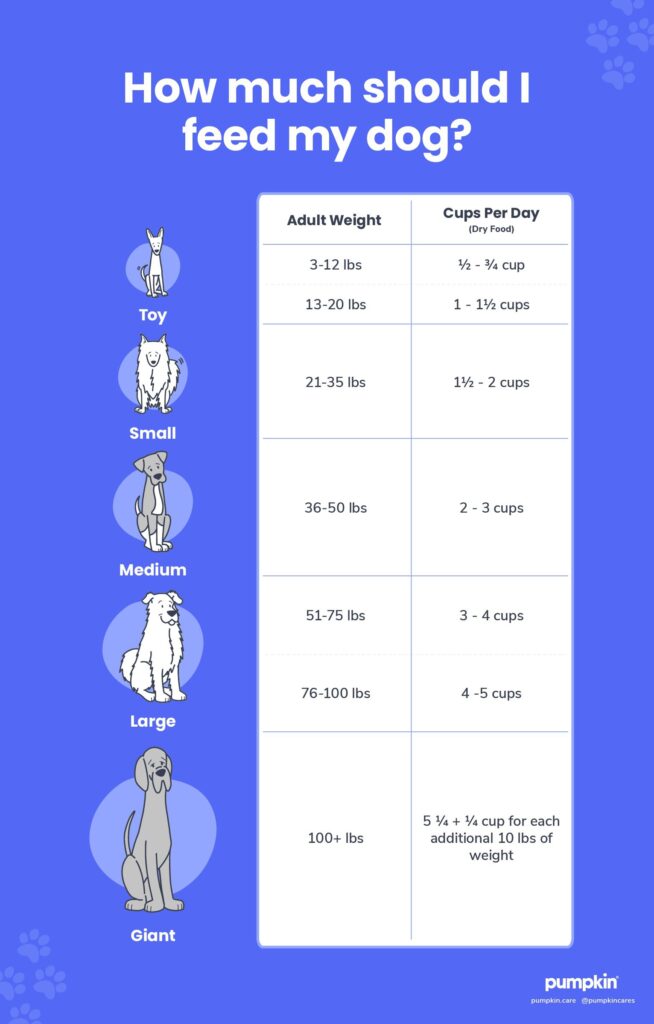
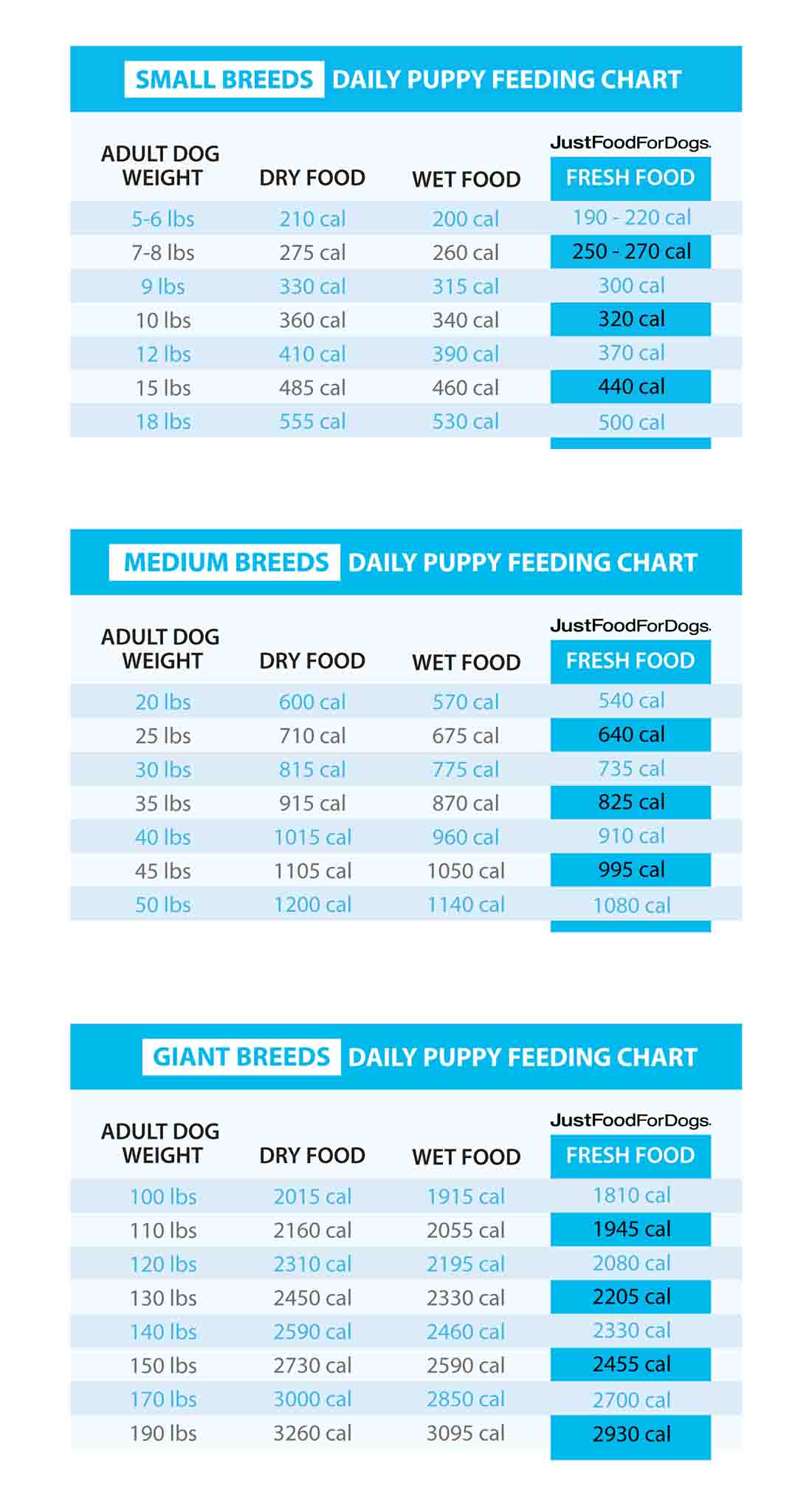
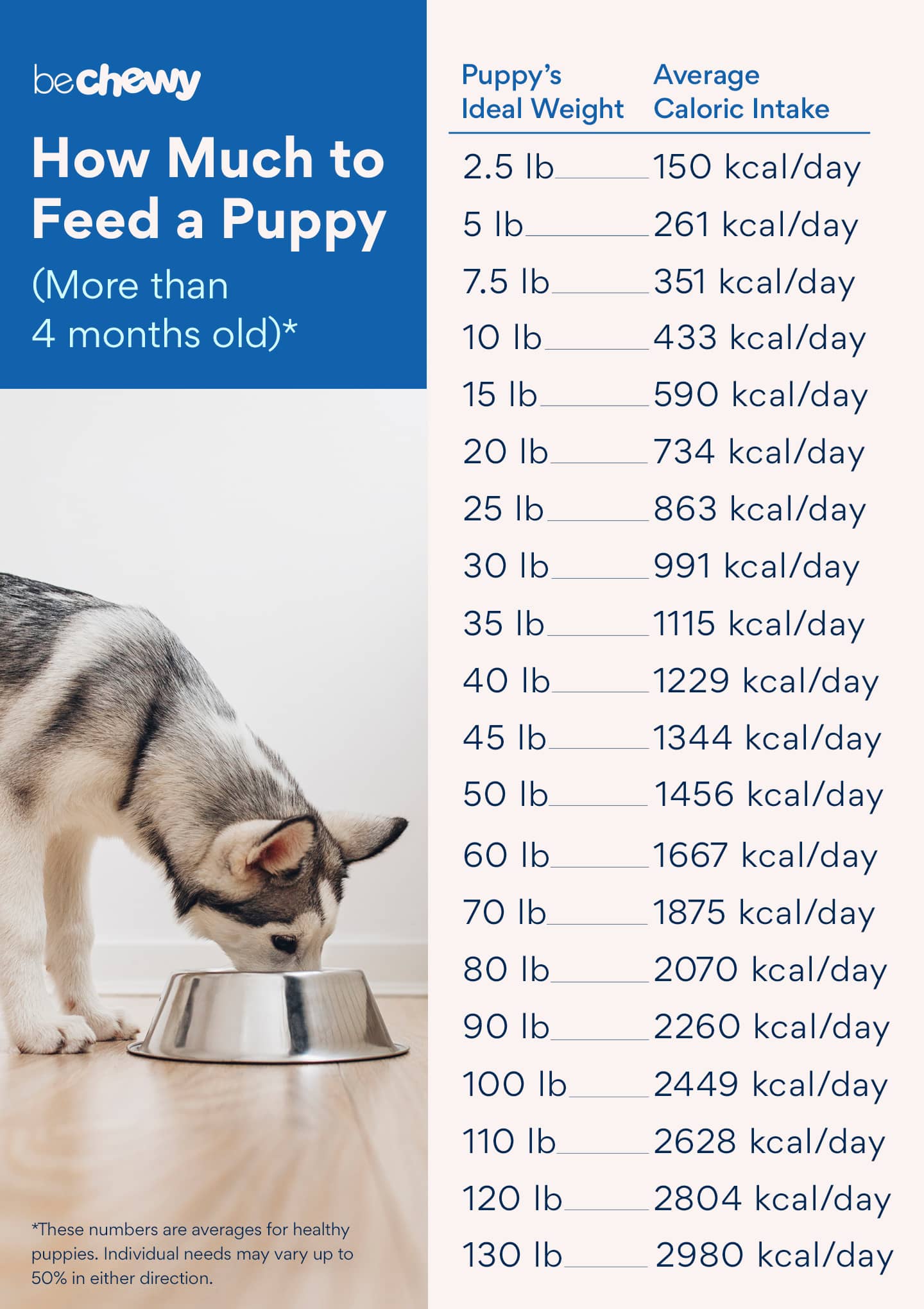
Feeding your dog the right amount is key to keeping them healthy. Dogs need different food quantities based on their weight. This helps maintain their energy and avoid weight problems. Below are feeding guidelines based on your dog’s weight.
Small Dogs (under 20 Lbs)
Small dogs have faster metabolisms and need less food by volume. Feed them about ¼ to ¾ cups of dry food daily. Split this amount into two meals for better digestion. Monitor their weight and adjust portions as needed.
Medium Dogs (20-50 Lbs)
Medium dogs need more food than small ones but less than large dogs. Feed them about 1 to 2 ½ cups of dry food each day. Two meals work best for steady energy. Watch their activity levels to tweak feeding amounts.
Large Dogs (over 50 Lbs)
Large dogs require the most food but digest slower. Feed about 2 ½ to 5 cups of dry food daily. Divide the food into two or three meals to avoid stomach issues. Regularly check their weight for proper portion size.
Feeding Frequency Tips
Feeding your dog the right amount is key. Feeding frequency also matters a lot. It helps your dog stay healthy and active. Different dogs need different feeding schedules. Age and weight play big roles in deciding how often to feed. Follow these tips to keep your dog’s feeding on track.
Puppies Vs Adult Dogs
Puppies need more meals each day. Their small stomachs cannot hold much food. Feed puppies 3 to 4 times daily. This supports their fast growth and energy needs. Adult dogs eat less often. Usually, 2 meals per day work well. This helps maintain their weight and digestion. Avoid overfeeding at any age.
Senior Dog Feeding Schedule
Older dogs digest food slower. They may need smaller, frequent meals. Feeding 2 to 3 times a day is ideal. Monitor their weight and adjust portions. Choose foods that help with joint and organ health. Keep water always available. Regular feeding times keep senior dogs comfortable and active.
Credit: www.pumpkin.care
Adjusting Portions For Activity
Adjusting your dog’s food portions based on their activity level helps keep them healthy. Dogs that exercise a lot burn more calories and need more food. Dogs that rest most of the day need less food to avoid weight gain. Feeding the right amount supports their energy and overall well-being.
Active Vs Sedentary Dogs
Active dogs need extra calories to fuel their muscles and keep energy up. They benefit from larger or more frequent meals. Sedentary dogs, like older pets or those indoors, need fewer calories. Overfeeding sedentary dogs can lead to weight problems and health issues. Watch your dog’s daily activity and adjust food portions accordingly.
Seasonal Feeding Changes
Dogs may need more food in cold weather to stay warm. In winter, increase portions slightly for outdoor dogs. In hot weather, dogs often eat less due to lower energy needs. Adjust food amounts during summer to avoid overeating. Seasonal changes affect your dog’s appetite and energy use.
Recognizing Overfeeding Signs
Feeding your dog the right amount is key to keeping them healthy. Overfeeding can cause serious problems. It is important to know the signs that your dog is eating too much. Recognizing these signs early helps you act quickly. You can protect your dog from weight issues and health risks.
Weight Gain Indicators
One clear sign of overfeeding is rapid weight gain. Your dog’s belly may look rounder or puffier. You might notice fat building around the ribs, hips, and tail base. Feeling the ribs should be easy. If it feels hard to find ribs, your dog may be overweight. Check their body shape often to track changes.
Behavioral Changes
Overfeeding can affect your dog’s mood and actions. They may seem less active or more tired than usual. Some dogs become lazy and avoid playtime. Others may beg more often for food. Watch for signs of discomfort, like panting or difficulty moving. These changes tell you that your dog’s feeding needs to be reviewed.
Hydration And Feeding
Hydration plays a big role in your dog’s health. Proper feeding and water intake work together to keep dogs strong and active. Dogs need enough water to digest food well and stay healthy. Tracking both food and water helps avoid health problems.
Water Intake Guidelines
Dogs need about one ounce of water per pound of weight daily. For example, a 20-pound dog should drink about 20 ounces of water. Puppies and active dogs may need more water. Always provide fresh and clean water. Monitor your dog’s water bowl to ensure it is never empty. Watch for signs of dehydration like dry gums or lethargy.
Link Between Hydration And Diet
Wet dog food contains more moisture than dry kibble. Feeding wet food helps increase a dog’s water intake. Dry food needs extra water to prevent dehydration. Salt and protein levels in food affect how much water dogs need. Balanced feeding supports proper hydration and digestion. Dehydration can cause stomach problems and reduce energy.
Homemade Vs Commercial Food
Choosing between homemade and commercial dog food is a key decision. Each option has unique benefits and challenges. Understanding these helps you feed your dog better. Dogs need balanced nutrition for good health and energy.
Homemade food lets you control ingredients. Commercial food offers convenience and consistent nutrition. Both types can support your dog’s well-being if chosen carefully.
Pros And Cons
Homemade food allows fresh ingredients and no fillers. You can avoid allergens easily. It suits dogs with special diets. The downside is time and effort needed. It may lack some nutrients without careful planning.
Commercial food saves time and is easy to store. It meets nutritional standards set by experts. Some dogs enjoy the taste and texture. However, it may contain preservatives or low-quality ingredients. Not all brands offer complete nutrition.
Safe Homemade Recipes
Use lean meats like chicken, beef, or fish. Add cooked vegetables such as carrots or peas. Include grains like rice or oats for energy. Avoid onions, garlic, chocolate, and grapes—these are toxic.
Consult your vet to ensure balanced meals. Add supplements if needed, like vitamins or minerals. Cook all meats thoroughly to kill bacteria. Keep portions suitable for your dog’s weight and activity.
Credit: vicentetorns.com
Monitoring Your Dog’s Health
Monitoring your dog’s health is key to a long, happy life. Feeding your dog according to a chart by weight helps maintain the right diet. Still, watching your dog’s health closely makes sure your feeding plan works well. Small changes in weight or behavior can mean big health issues. Stay alert and act early to keep your dog fit and active.
Regular Weight Checks
Weigh your dog often to track any changes. Use a reliable scale and note the weight each time. Sudden weight loss or gain needs attention. Keep a simple chart to see trends over weeks. Regular checks help catch problems before they grow.
Veterinary Consultations
Visit the vet for health checkups and advice. Vets can spot issues you might miss. Share your dog’s weight and feeding details with the vet. They can adjust the diet based on health needs. Regular vet visits support your dog’s well-being and diet plan.
Credit: atca-club.org
Frequently Asked Questions
How Much Food Should A Dog Eat By Weight?
A dog’s daily food amount depends on its weight. Use a feeding chart to measure portions accurately. Smaller dogs need less food, while larger dogs require more to maintain energy and health.
What Is The Ideal Feeding Frequency For Dogs?
Most adult dogs eat twice a day, while puppies may need three to four meals. Consistent feeding times help regulate digestion and energy levels. Adjust frequency based on your dog’s age and activity.
Can Feeding Amounts Vary By Dog Breed?
Yes, breed affects metabolism and activity. Active breeds may need more calories, while less active breeds require fewer. Always consider breed-specific needs when using a feeding chart.
How Do I Adjust Feeding For A Dog’s Weight Change?
Monitor your dog’s weight regularly. If weight increases, reduce food portions slightly. If weight decreases, increase food gradually. Adjustments keep your dog healthy and prevent obesity or malnutrition.
Conclusion
Feeding your dog the right amount keeps them healthy and happy. Use the chart to guide daily portions based on weight. Watch your dog’s energy and body condition often. Adjust food if your dog gains or loses weight. Fresh water should always be available too.
Regular feeding helps prevent health problems. A balanced diet supports a long, active life. Trust your care and the chart to give your dog the best.
Disclosure: As an Amazon Associate, I may earn from qualifying purchases at no extra cost to you. Amazon and the Amazon logo are trademarks of Amazon.com, Inc, or its affiliates.
