
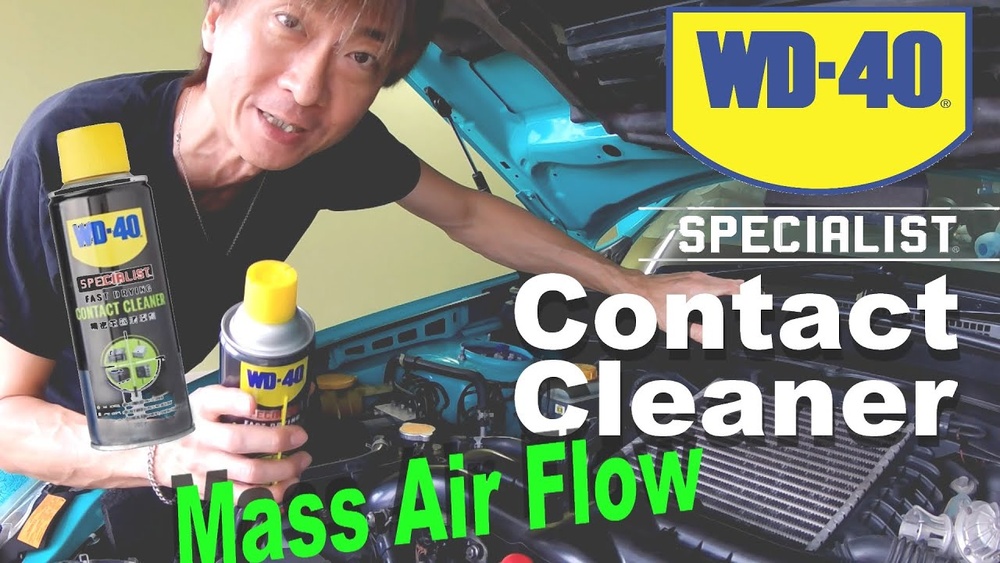
Can You Clean Maf Sensor With Wd40
If your car engine feels weak or the “Check Engine” light appears, you might be dealing with a dirty MAF sensor. The Mass Air Flow (MAF) sensor controls how much air enters your engine. When dust, oil, or grime cover the sensor, your car starts to run poorly—using more fuel and losing power. Many drivers wonder: Can you clean MAF sensor with WD40? The answer is not as simple as it seems. This article explains everything you need to know before reaching for that familiar red can.
What Does A Maf Sensor Do?
The MAF sensor measures the air going into your engine. This information helps your car’s computer mix the right amount of fuel with the air. A clean sensor means smooth driving, good fuel economy, and less pollution. When the sensor is dirty, the engine might stutter, idle roughly, or even stall.
Modern cars rely on accurate MAF readings. Even a thin layer of dirt can confuse the sensor. That’s why keeping it clean is important for both performance and your wallet.
Why Do Maf Sensors Get Dirty?
Every time you drive, air flows through the air filter and past the MAF sensor. Over time, tiny dust particles, oil vapors, and pollen can sneak past the filter and land on the sensor wires or plate. If you use an oiled air filter, excess oil can coat the sensor and make it sticky. Even a small amount of contamination affects the sensor’s ability to measure air.
Driving on dirt roads, in heavy traffic, or in areas with pollen or smoke can make the problem worse. Some cars show symptoms after just 20,000 kilometers, while others last much longer.

Credit: www.theautomotiveindia.com
Common Symptoms Of A Dirty Maf Sensor
A dirty or failing MAF sensor can cause:
- Poor acceleration: The engine feels weak or slow to respond.
- Rough idle: The car shakes or vibrates at stoplights.
- Check Engine light: The dashboard warning appears.
- Stalling: The engine may stop suddenly.
- Bad fuel economy: You use more fuel than normal.
These problems can be caused by other issues, but a dirty MAF sensor is a common reason. Cleaning it is often the first step before replacing expensive parts.
What Is Wd40 And How Does It Work?
WD40 is a popular spray known for removing rust, lubricating, and protecting metal. It is found in garages all over the world. The main ingredients are mineral oil, solvents, and a bit of water repellent. People use it to loosen bolts, stop squeaks, and protect tools from rust.
But WD40 is not just one thing. There are different types, including the standard WD40 Multi-Use Product and specialized cleaners like WD40 Contact Cleaner. The regular spray leaves a thin oily film that helps protect metal, but this film is not always good for electronic parts.
Is Wd40 Safe For Cleaning Maf Sensors?
Here is the big question. Many car owners think, “WD40 cleans everything—why not the MAF sensor?” The truth is, standard WD40 is NOT recommended for cleaning MAF sensors. Here’s why:
- Leaves a residue: WD40 leaves an oily film on the sensor. This film attracts more dust and can make the sensor even dirtier over time.
- Can damage the sensor: The solvents in WD40 may damage the delicate wires or surface of the sensor.
- Not designed for electronics: The MAF sensor is a sensitive electronic part. It needs a cleaner that dries quickly and leaves no residue.
Manufacturers and mechanics recommend using only a special MAF sensor cleaner. These cleaners are safe, evaporate fast, and do not leave anything behind. Using the wrong product can ruin the sensor, causing expensive repairs.
Side-by-side: Wd40 Vs. Maf Sensor Cleaner
To see the differences, let’s compare regular WD40 with a real MAF sensor cleaner:
| Feature | WD40 Multi-Use | MAF Sensor Cleaner |
|---|---|---|
| Leaves Residue | Yes | No |
| Safe for Electronics | No | Yes |
| Evaporates Quickly | No | Yes |
| Removes Oil & Dirt | Partially | Yes |
| Risk of Damage | High | Very Low |
How To Properly Clean A Maf Sensor
If you want to clean your MAF sensor safely, follow these steps. Do not skip any, and never use regular WD40.
Step 1: Gather The Right Supplies
You will need:
- MAF sensor cleaner (available at auto parts stores)
- Screwdriver (to remove the sensor)
- Safety gloves and glasses
- Clean, lint-free cloth
Step 2: Disconnect The Battery
Disconnect the negative terminal of your car battery. This prevents electrical shorts and keeps you safe.
Step 3: Remove The Maf Sensor
Locate the MAF sensor—usually between the air filter and the intake manifold. Remove the screws or clamps, and carefully pull out the sensor. Do not touch the sensor wires; they are very delicate.
Step 4: Spray The Sensor
Hold the sensor over a clean rag. Spray the MAF sensor cleaner onto the wires or plate from about 10-15 centimeters away. Make sure to cover all sides. Let any liquid drip off.
Step 5: Let It Dry
Wait at least 10-15 minutes for the cleaner to fully evaporate. Do not use compressed air or touch the sensor to speed up drying.
Step 6: Reinstall The Sensor
Carefully put the sensor back and tighten the screws. Reconnect the battery.
Step 7: Start The Engine
Start your car and let it idle for a few minutes. Check if the symptoms are gone. If the engine light remains, you may need to reset it with a code reader.
Why Not Use Wd40 Contact Cleaner?
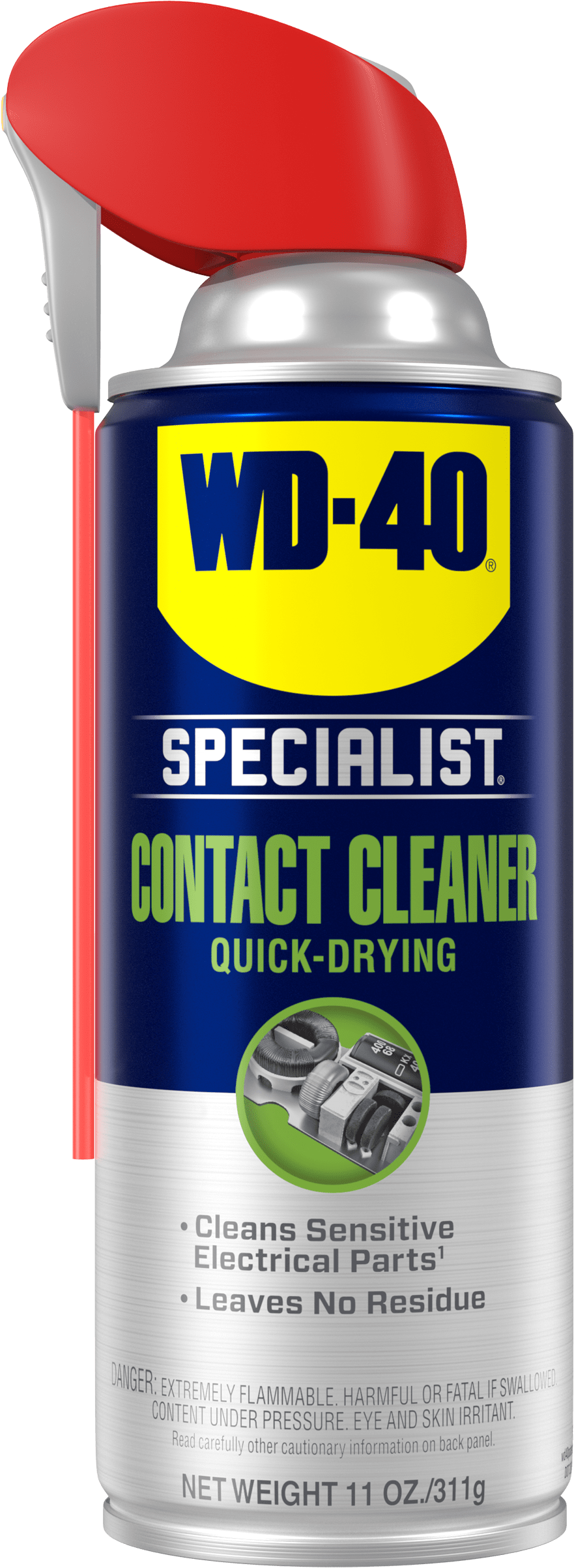
Some people wonder if WD40 Contact Cleaner is safe for MAF sensors. This product is designed for cleaning electronics and dries quickly with no residue. While it is safer than regular WD40, most experts still recommend a dedicated MAF sensor cleaner. MAF cleaners are made for very sensitive, high-precision sensors, and they do not contain any lubricants.
If you are in an emergency and only have WD40 Contact Cleaner, use it carefully and sparingly. But replace it with real MAF cleaner as soon as possible for best results.
Credit: www.wd40.com
What Happens If You Clean Maf Sensor With Wd40?
If you use standard WD40 on the MAF sensor, you risk:
- Coating the sensor with oil: This leads to faster dirt buildup.
- Corroding or damaging wires: The solvents can break down thin metal parts.
- Sensor failure: The car may run worse or not start at all.
- Expensive repairs: A new MAF sensor can cost $100-$400, plus labor.
Some users online claim they cleaned their sensor with WD40 and had no problems. But these are rare cases, and the risk is not worth it. Most professional mechanics warn against using anything except a proper cleaner.
Real-world Example: Repair Shop Experience
A mechanic in California reported a customer who used WD40 on his MAF sensor. The car ran fine for a few days, but soon it started to idle roughly and used 20% more fuel. When the sensor was removed, it was covered with sticky oil.
The mechanic had to replace the sensor and clean the intake system, costing the owner over $350.
This is not an uncommon story. Saving a few dollars on cleaner can lead to much higher repair bills.
Myths And Misunderstandings
Many car forums and videos suggest using WD40 for almost anything. While WD40 is a great tool, it is not a universal cleaner, especially for sensitive parts like the MAF sensor. The biggest myth is that “any cleaner is better than nothing.” For electronics, the right product makes a huge difference.
Another common mistake is spraying too much cleaner, or touching the sensor with a rag or brush. The wires are very thin—thinner than a human hair. Even a small scratch can ruin them.
Comparing Cleaner Types
Here’s a quick look at different cleaners and their safety for MAF sensors:
| Cleaner Type | Safe for MAF Sensor? | Notes |
|---|---|---|
| MAF Sensor Cleaner | Yes | Best choice, made for sensors |
| WD40 Multi-Use | No | Leaves oil, can damage sensor |
| Brake Cleaner | No | Too strong, may melt plastic |
| Electrical Contact Cleaner | Sometimes | Safer, but not as good as MAF cleaner |
| Carburetor Cleaner | No | Harsh chemicals, not safe |
Practical Tips For Keeping Your Maf Sensor Clean
- Change your air filter regularly. A good filter stops most dust and dirt.
- Avoid oiled air filters unless you clean them properly. Excess oil can coat the sensor.
- Drive on paved roads when possible. Less dust means a cleaner sensor.
- Clean the MAF sensor every 20,000–40,000 kilometers, or if you notice symptoms.
- Use only dedicated MAF sensor cleaner. It costs a little more, but saves money in the long run.
What If You Already Used Wd40?
If you have already sprayed your MAF sensor with WD40, don’t panic. Remove the sensor and clean it thoroughly with MAF sensor cleaner. Let it dry fully before reinstalling. If the engine still runs poorly, the sensor may need to be replaced.
Why Do Some People Still Use Wd40?
Some people use WD40 because it is cheap and always available. Others don’t know the risks, or believe online stories. But most modern cars are much more sensitive than older models. What worked on a 1990s car may not work on a 2020 car.
It’s important to read your car’s manual and follow the manufacturer’s advice. Saving a few dollars is not worth risking your car’s performance.
Where To Find The Right Cleaner
MAF sensor cleaners are sold at auto parts stores and online. Look for brands like CRC or Liqui Moly, labeled “MAF sensor cleaner.” The cost is usually between $7 and $15, much less than a new sensor.
For more details, you can check this Wikipedia page on Mass Flow Sensors.

Credit: www.youtube.com
Frequently Asked Questions
Can I Use Any Spray Cleaner For My Maf Sensor?
No. Only use a cleaner made for MAF sensors. Other sprays can damage the sensor or leave residue that causes more problems.
How Often Should I Clean My Maf Sensor?
For most cars, every 20,000 to 40,000 kilometers is enough. Clean it sooner if you notice symptoms like rough idle or bad fuel economy.
Will Cleaning The Maf Sensor Fix My Engine Light?
Sometimes. If the engine light was caused by a dirty sensor, cleaning it may solve the problem. You may need to reset the light with a code reader.
What Is The Safest Way To Clean The Maf Sensor?
Remove the sensor, spray it with MAF cleaner, let it dry, and reinstall. Do not touch the wires or use brushes.
Is Wd40 Contact Cleaner Safe For Maf Sensors?
It is safer than regular WD40 but not as good as MAF cleaner. Use it only in emergencies, and clean again with MAF cleaner as soon as possible.
A clean MAF sensor keeps your car running smoothly and saves money on fuel and repairs. Stick to the right products and methods, and your engine will thank you for many kilometers to come.
Disclosure: As an Amazon Associate, I may earn from qualifying purchases at no extra cost to you. Amazon and the Amazon logo are trademarks of Amazon.com, Inc, or its affiliates.
