
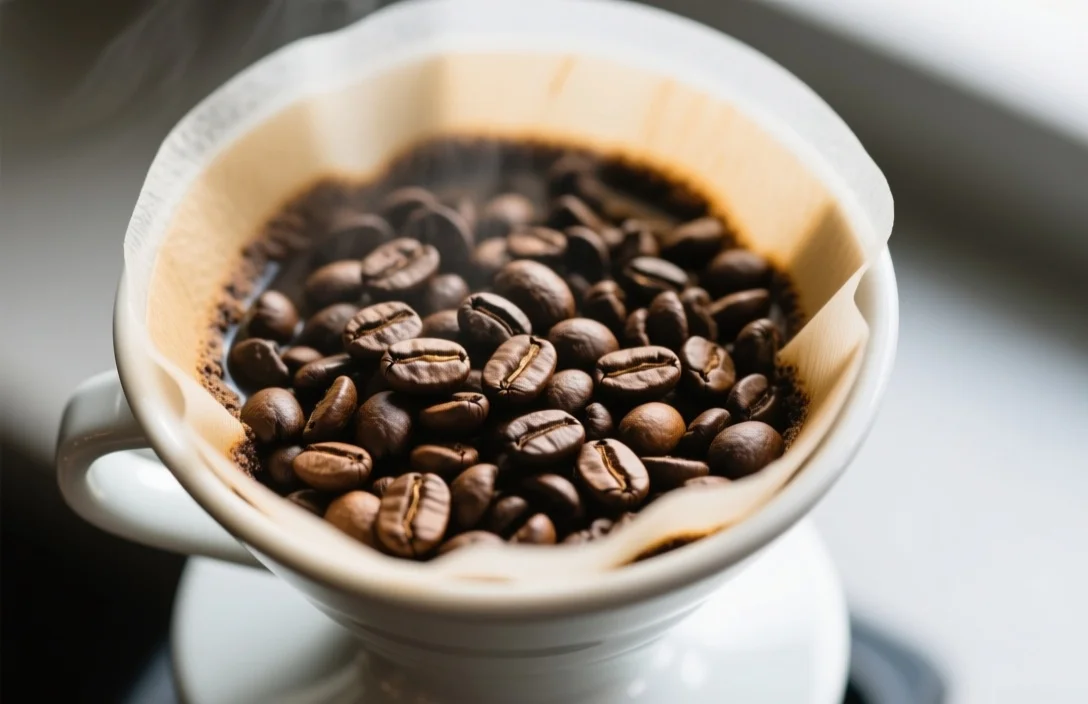
Picking the right coffee beans for a drip machine is the difference between a muddy, bitter cup and a clean, aromatic brew. Most people buy based on the brand name or the price tag, but the actual flavor is determined by the bean origin, the roast level, and the freshness of the roast date. Getting these three variables right ensures your machine performs at its peak.
Choosing coffee beans for a drip coffee maker requires selecting a medium to coarse grind and a roast level that matches your taste, such as medium roast for balanced acidity or dark roast for bold flavors. For the best results, buy whole beans roasted within the last 21 days and grind them immediately before brewing.
Key Takeaways
- Prioritize roast date. Buy beans roasted within 3 weeks to ensure the volatile oils are still present.
- Select medium roasts. These offer the most balance for the standard temperature of drip machines.
- Buy whole beans. Grinding right before brewing prevents oxidation and preserves the coffee’s natural aroma.
- Match origin to taste. Choose Ethiopian beans for fruity notes or Colombian beans for classic chocolatey flavors.
- Check the grind size. Use a medium, sand-like consistency to prevent the water from flowing too fast or too slow.
- Avoid “dark” oils. Extremely oily beans can clog the automatic grinders in some high-end drip machines.
How to begin
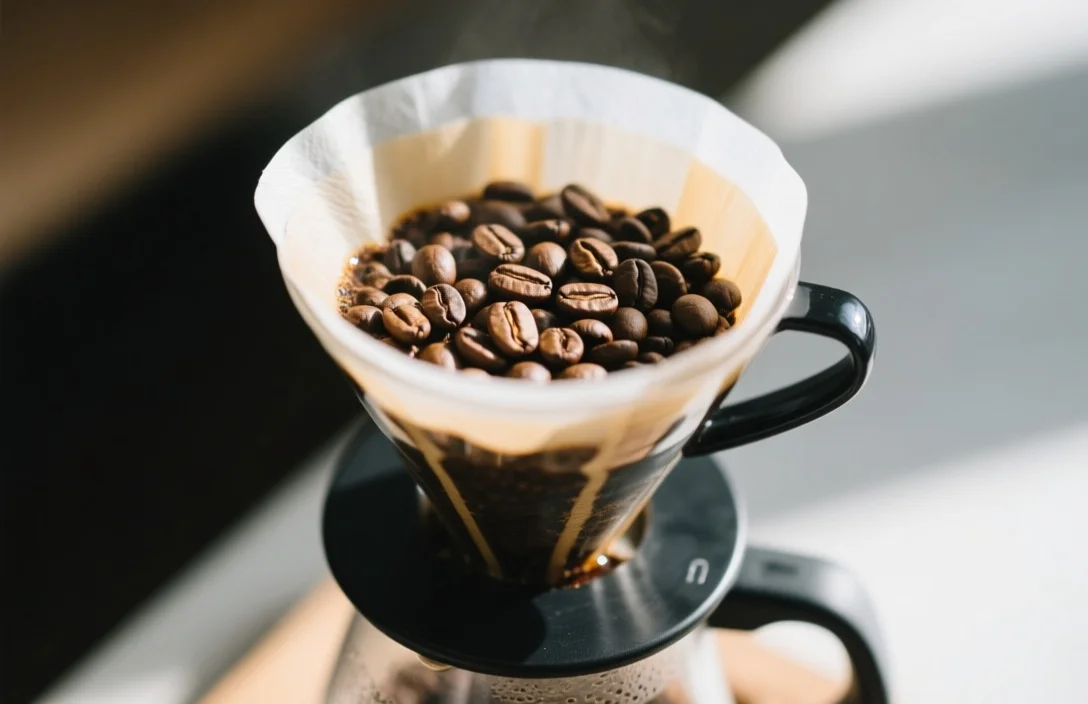
The first step in improving your morning cup is understanding that your drip machine is a tool for extraction, not a flavor creator. A drip maker uses a steady stream of hot water to pull soluble compounds out of the coffee grounds over several minutes. Because this process is slower than espresso, the beans you choose need a profile that can withstand prolonged exposure to heat without becoming overly bitter.
You do not need a chemistry degree to get this right, but you do need a few basic tools. A reliable burr grinder is the most important investment you can make. Blade grinders chop beans inconsistently, leading to “fines” (dust) that clog your filter and “boulders” (large chunks) that stay under-extracted and sour.
If you are currently buying pre-ground coffee, you are starting at a disadvantage. Once coffee is ground, the surface area increases exponentially, allowing oxygen to strip away the flavor compounds in a matter of hours. To see a real difference, switch to whole beans and grind them seconds before you hit the “start” button on your machine.
Basics of how to choose coffee beans f
Coffee beans are categorized primarily by their species, origin, and roast level. Most high-quality drip coffee uses Arabica beans because they have a smoother, more complex flavor profile than Robusta beans, which are harsher, higher in caffeine, and often used in instant coffee or cheap blends.
The region where the bean is grown dictates the “base” flavor. African coffees, particularly from Ethiopia and Kenya, tend to be brighter and more acidic, often tasting like berries or citrus. Latin American coffees from Colombia, Brazil, and Guatemala are generally more balanced, offering notes of chocolate, nuts, and caramel.
Roast level is where the bean’s natural flavor meets the roaster’s intent. A light roast preserves the origin characteristics, while a dark roast introduces “roasty” flavors caused by the carbonization of the bean.
| Roast Level | Flavor Profile | Acidity | Best For |
|---|---|---|---|
| Light | Floral, Fruity, Tea-like | High | Those who like bright, complex flavors |
| Medium | Nutty, Chocolatey, Balanced | Medium | The standard “classic” coffee taste |
| Dark | Smoky, Bitter, Bold | Low | Those who add cream or sugar |
| French/Italian | Charred, Intense, Heavy | Very Low | Heavy-bodied, pungent brews |

Helpful pick
Kismile 10 Cup Drip Coffee Maker with Grinder Built In, Adjustable Grind & Brew Strength, 24H Timer, Descaling Alert, 2H Keep Warm, Reusable Filter & Glass Carafe
A versatile drip coffee maker with an integrated grinder to help you explore different bean species and roasts.
how to choose coffee beans f
Follow this sequence to move from a generic grocery store bag to a curated selection that fits your specific palate.
- Identify your flavor preference. Decide if you prefer a “bright” cup (acidic, fruity) or a “bold” cup (dark, chocolatey, heavy). If you drink your coffee black, lean toward medium or light roasts. If you use lots of cream, a dark roast is necessary to keep the coffee flavor from disappearing.
- Look for the roast date. Ignore “Best By” dates, which are often a year in the future. Look for a “Roasted On” date. The sweet spot for drip coffee is between 7 and 21 days after roasting. Beans used too early (under 3 days) can taste metallic due to degassing; beans used too late taste like cardboard.
- Select the bean origin. Based on your flavor preference, pick a region. For a safe, crowd-pleasing start, choose a Colombian or Guatemalan medium roast. For something adventurous, try a washed Ethiopian Yirgacheffe.
- Verify the bean type. Ensure the bag says “100% Arabica.” Avoid blends that don’t specify the bean type, as they often contain Robusta filler to lower the cost.
- Purchase whole beans. Even if you don’t have a grinder yet, buy the whole beans and have the barista at the shop grind them for “Drip” or “Filter” coffee.
- Test a small batch. Don’t buy a five-pound bag of an unknown roast. Buy 12 ounces, brew it, and note if it tastes too sour (under-extracted) or too bitter (over-extracted).
- Adjust and repeat. If the coffee is too bitter, try a lighter roast or a slightly coarser grind next time.
Helpful pick
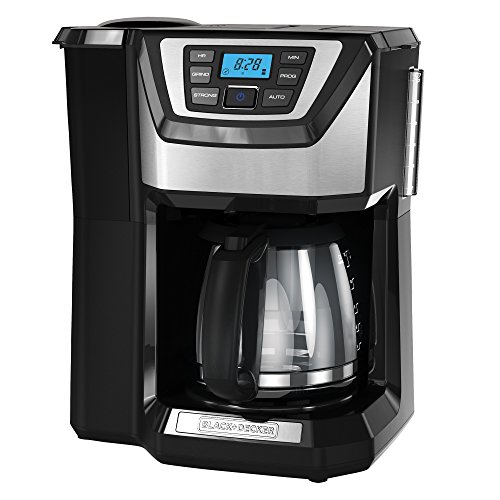
Black and Decker BLACK+DECKER 12-Cup Mill and Brew Coffeemaker, Black, CM5000B
The Mill and Brew system makes it easy to transition from generic bags to curated, freshly ground selections.
Things that matter most
Mastering the selection process requires knowing how to read a coffee bag like a pro. Roasters use specific language to signal the quality and taste of the beans. “Single Origin” means the beans came from one specific farm or region, offering a distinct taste. “Blends” are mixtures of different beans designed for consistency.
For a drip maker, a blend is often the smarter choice for daily drinking because it provides a balanced profile that doesn’t fluctuate with every new harvest. However, single origins are better for tasting flights and discovering what you actually like.
Pay attention to the “Process” listed on the bag. “Washed” coffees are processed without the fruit skin, resulting in a clean, crisp cup that works perfectly in paper filters. “Natural” or “Dry Processed” coffees are dried with the fruit still on the bean, leading to a heavier body and more intense fruit flavors.
For instance, a natural process Ethiopian bean in a drip machine can taste like a blueberry muffin, whereas a washed version of the same bean will taste more like Earl Grey tea.

Helpful pick
Gevi 10-Cup Drip Coffee Maker with Burr Grinder | Programmable Timer, 1.5L Water Tank, Reusable Filter, Warming Plate, All-in-One Brew & Grind Coffee Machine
Pair your single-origin bean selection with a precision burr grinder for a professional-grade extraction at home.
What works in practice
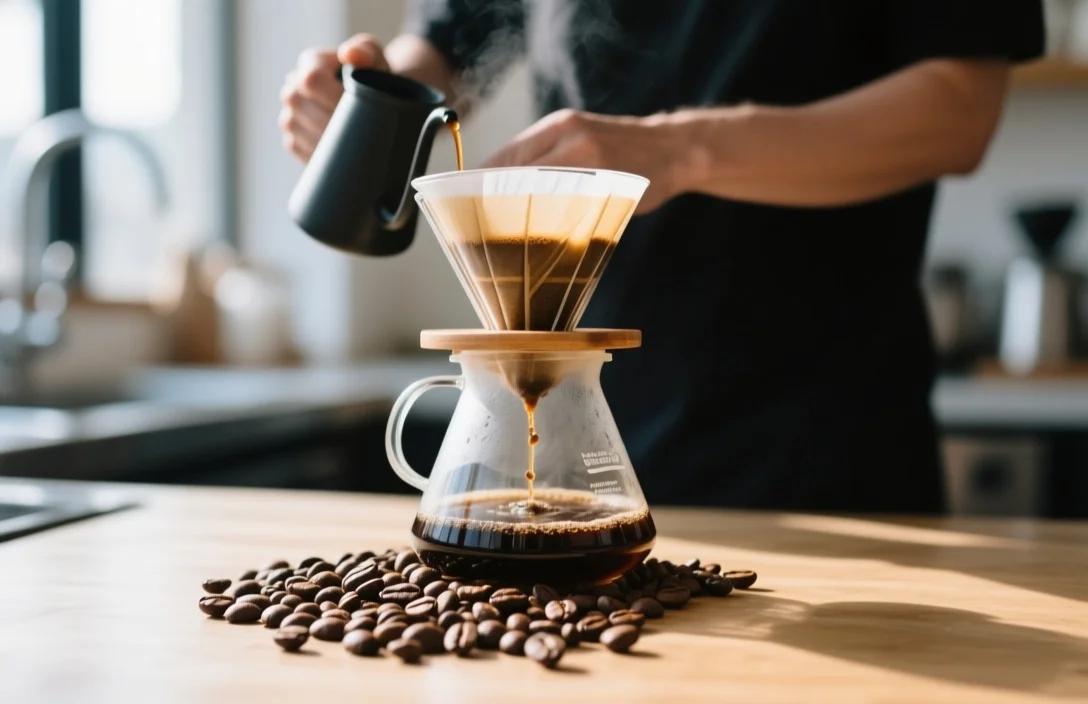
Storage is just as important as selection. Once you have chosen the perfect beans, you must protect them from the four enemies of coffee: light, heat, moisture, and oxygen. Never store your beans in the freezer or refrigerator. The moisture and odors in these appliances will seep into the beans, ruining the flavor.
Use an airtight, opaque container. A vacuum-sealed canister or a simple mason jar kept in a dark cupboard is sufficient. If the beans come in a bag with a one-way valve (the little plastic circle), keep them in that bag and place the bag inside a larger airtight container.
Maintain a consistent ratio of coffee to water. Even the best beans will taste terrible if you use too much or too little. A standard starting point for drip machines is the “Golden Ratio” of 1:17.
In practice, this means for every 1 gram of coffee, you use 17 grams of water. For a standard 12-ounce cup (about 350ml), you would use roughly 20-21 grams of coffee. Using a digital scale is the only way to ensure this consistency.
Mistakes to Avoid with how to choose coffee beans f
The most common mistake is buying “dark roast” and assuming it is “stronger.” Dark roast is not stronger in terms of caffeine or flavor intensity; it is simply more charred. In fact, the roasting process burns off some of the caffeine and the complex sugars. If you want a “stronger” cup, increase the coffee-to-water ratio rather than switching to a darker roast.
Another frequent error is using a “universal” grind. Many people buy pre-ground coffee labeled “Medium,” but different drip machines have different flow rates. A machine with a very slow drip may require a slightly coarser grind to avoid over-extraction, while a fast-brewing machine might need a finer grind to get enough flavor.
Avoid buying coffee from the “bulk bin” at the grocery store. These beans are exposed to light and air for days, meaning the oils have already gone rancid. If you cannot find a roast date on the bag, assume the coffee is stale.
Finally, do not ignore the water quality. Since a cup of drip coffee is 98% water, using tap water with high chlorine or mineral content will mask the nuances of expensive beans. Use filtered water to let the bean’s profile shine.
Pro Tips for how to choose coffee beans f
To truly elevate your drip coffee, start experimenting with “Light-Medium” roasts. These are often the “sweet spot” for high-end drip machines because they retain the acidity of a light roast but have the body and sweetness of a medium roast.
Try “Seasonal” beans. Coffee is an agricultural product with harvest cycles. Buying beans from regions currently in their harvest window ensures you get the freshest possible crop. For example, look for Central American beans in the spring and African beans in the autumn.
If you find your coffee tastes “flat,” try a “blend of origins.” A common pro move is mixing a bright Ethiopian bean with a chocolatey Brazilian bean. This creates a complex cup that has both a high-note acidity and a deep, resonant finish.
For those using automatic drip machines with a built-in grinder, be careful with “Ultra-Dark” or “French” roasts. These beans are often very oily, and those oils can build up on the grinder burrs, causing them to slip or clog over time. If you love dark roasts, consider buying them pre-ground or using a separate external grinder.
FAQ About Choose Coffee Beans For A Drip Coffee Maker
Does the roast level affect the caffeine content?
Light roasts generally have slightly more caffeine by volume because the beans are denser. However, the difference is negligible for most drinkers. The perceived “strength” of a dark roast comes from the bitter, smoky flavors, not from a higher caffeine concentration.
Should I use a paper or metal filter with my chosen beans?
Paper filters remove most of the coffee oils and sediment, resulting in a clean, crisp cup that highlights acidity. Metal filters allow oils to pass through, creating a heavier body and creamier mouthfeel. Use paper for light/medium roasts and metal for dark roasts.
How long do whole beans stay fresh after the roast date?
Whole beans are at their peak between 7 and 21 days after roasting. After 30 days, you will notice a significant drop in aroma and complexity as the oils oxidize. Once the beans lose their smell, the flavor is usually gone.
Is “Single Origin” always better than a “Blend”?
Not necessarily. Single origins are better for tasting specific regional notes, but blends are specifically engineered for balance and consistency. For a daily drip brew, a high-quality blend is often more satisfying because it avoids the extreme peaks of acidity found in some single origins.
Why does my coffee taste sour even though I bought expensive beans?
Sourness is a sign of under-extraction. This happens if your grind is too coarse or your water temperature is too low. Try grinding your beans slightly finer or ensuring your machine is reaching at least 195-205 degrees Fahrenheit.
To get the best results, start by purchasing a medium-roast Arabica bean from Colombia or Ethiopia that was roasted within the last two weeks. Use a burr grinder to achieve a medium consistency and a 1:17 coffee-to-water ratio.
Disclosure: As an Amazon Associate, I may earn from qualifying purchases at no extra cost to you. Amazon and the Amazon logo are trademarks of Amazon.com, Inc, or its affiliates.
