
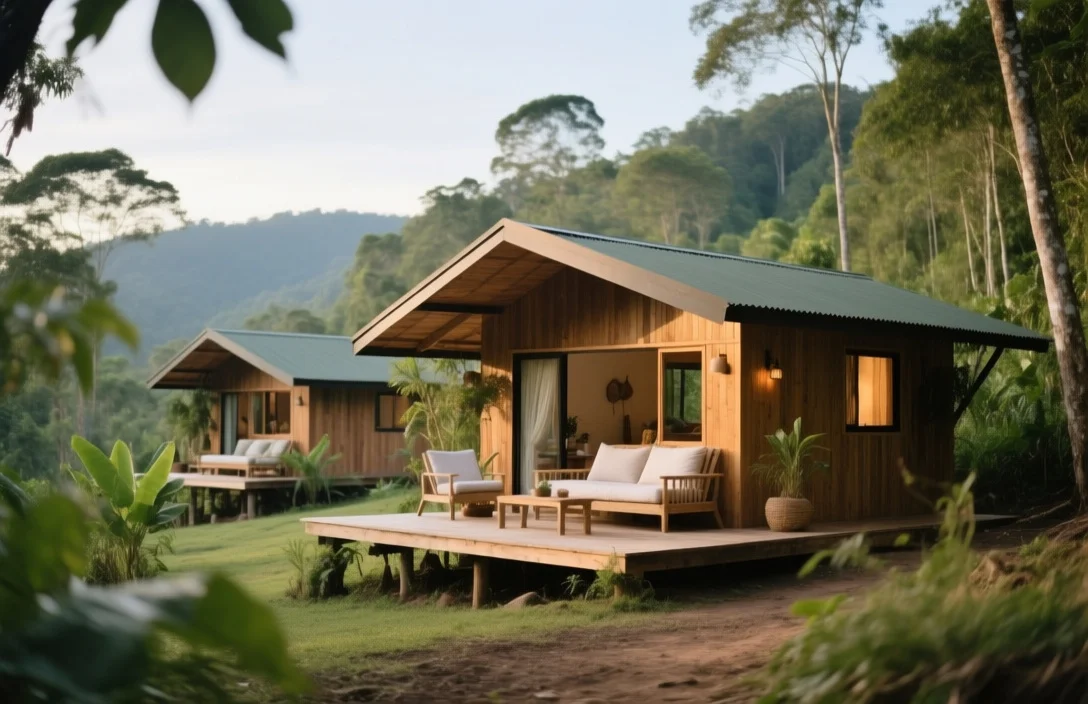
You wake up to the sound of howler monkeys instead of a buzzing alarm clock, surrounded by a forest that feels entirely your own. The dream of a quiet getaway often collides with the reality of high-impact tourism, but picking the right base changes everything. Finding an authentic eco lodge for a sustainable vacation requires looking past the green paint and checking the actual systems that keep a property running in harmony with its environment.
Eco lodges sustainable vacation choices are identified by verifiable third-party certifications like EarthCheck or LEED, which confirm properties use at least 50 percent renewable energy and maintain zero-waste operations. This guide cuts through the marketing noise to help you select accommodations that support local communities, protect natural habitats, and provide a high-quality experience without hidden environmental costs.
Eco Lodges Sustainable Vacation
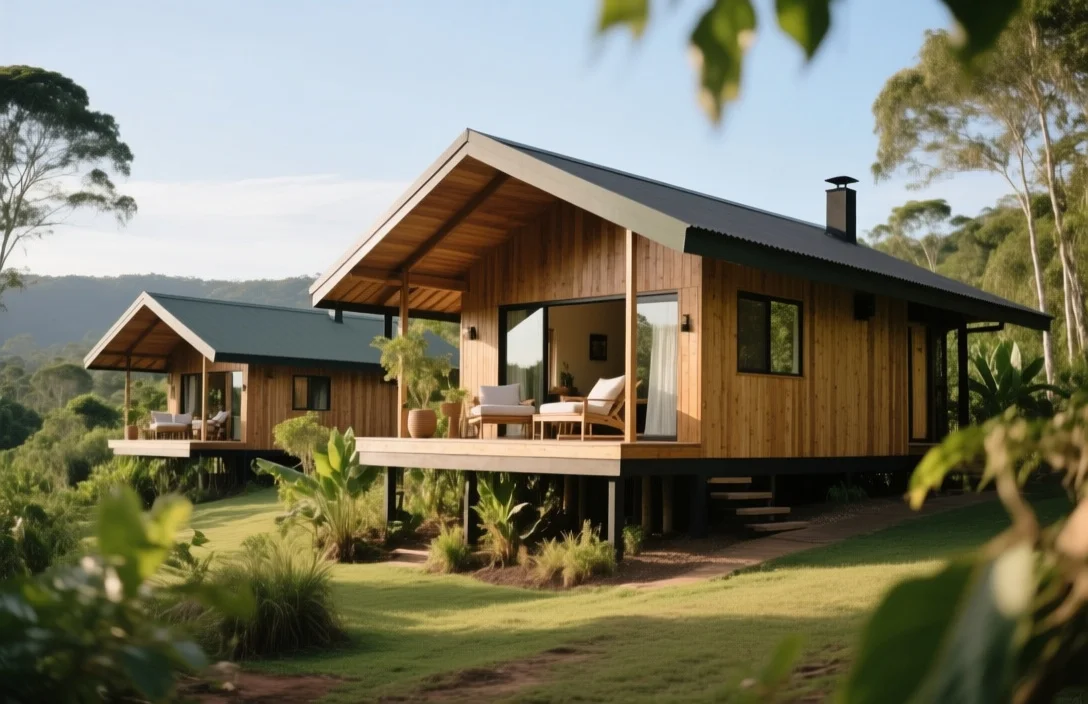
Authentic retreats prioritize minimal environmental footprints by integrating renewable energy, water conservation, and locally sourced materials into their core operations. These properties move beyond superficial marketing to demonstrate measurable commitment to the surrounding ecosystem and local communities.
Sustainable tourism shifts the focus from simple consumption to active participation in conservation efforts. Travelers now choose accommodations that protect biodiversity rather than degrade it, ensuring that their presence leaves the land better than they found it.
Core Elements Of Authentic Sustainability
Identifying a genuine property requires looking past vague terms like green or natural. True leaders in this space provide transparency regarding their supply chains and waste management systems.
On my last trip to a remote region, I realized the difference between a hotel that merely asks you to reuse towels and one that operates entirely off the grid. The latter felt like a partnership with the environment, where every meal served supported a local family and every shower used harvested rainwater.
The Evolution Of Conscious Travel
Market demand for responsible lodging has expanded rapidly as travelers seek deeper connections with nature. This shift forces the hospitality industry to abandon traditional luxury models in favor of designs that prioritize long-term ecological health.
| Feature | Standard Hotel | Authentic Eco Lodge |
|---|---|---|
| Energy Source | Grid-based | Renewable/Self-generated |
| Food Sourcing | Global supply chain | Farm-to-table/Local |
| Waste Policy | Single-use focus | Zero-waste/Circular |
Choosing the right destination involves verifying these claims against independent standards rather than relying solely on website photos. Always look for evidence of how the property manages its resources before booking your stay.
Certified Eco Lodges Worldwide
Verified eco lodges blend luxury with sustainability, offering travelers immersive stays without harming the environment. These properties hold certifications like LEED, Green Key, or EarthCheck, proving their commitment to energy efficiency, waste reduction, and local conservation efforts. From rainforest retreats to oceanfront sanctuaries, each lodge provides a unique way to explore nature responsibly.
Rainforest Retreats
Deep in the Amazon, Cristalino Lodge in Brazil runs on solar power and recycles 90% of its waste. Guests explore private reserves with biologist guides, spotting macaws and jaguars while funding reforestation programs. Rates start at $350 per night, including meals and excursions, with a portion of proceeds supporting local schools.
In Costa Rica, Lapa Rios sits on a 1,000-acre private reserve bordering Corcovado National Park. The lodge uses biodegradable cleaning products, composts organic waste, and employs only local staff. A three-night stay costs around $1,200, covering guided hikes, wildlife spotting, and farm-to-table meals sourced from their organic garden.
Oceanfront Conservation Lodges
Song Saa Private Island in Cambodia’s Koh Rong Archipelago protects coral reefs through its marine conservation program. The lodge bans single-use plastics, uses desalinated water, and offers reef-safe sunscreen to guests. A seven-night stay starts at $4,200, including snorkeling trips and beach cleanups.
On the Great Barrier Reef, Lady Elliot Island Eco Resort operates entirely off-grid, powered by solar and wind energy. The resort’s “eco bungalows” are built from recycled materials, and all food waste is composted or fed to resident chickens. Diving packages cost around $500 per person, with proceeds funding reef restoration.
| Lodge | Location | Certification | Unique Feature |
|---|---|---|---|
| Six Senses Laamu | Maldives | EarthCheck Gold | Underwater restaurant with reef-safe dining |
| Playa Viva | Mexico | LEED Platinum | Turtle sanctuary and permaculture farm |
Mountain Eco Sanctuaries
Three Camel Lodge in Mongolia’s Gobi Desert uses geothermal heating and serves locally sourced yak meat. The lodge funds anti-poaching patrols and employs nomadic herders as guides. A four-night stay costs $1,800, including camel treks and stargazing with astronomers.
In the Swiss Alps, Whitepod Eco-Luxury Hotel features minimalist domes heated by wood stoves, with all water sourced from mountain springs. The lodge offers carbon-neutral ski passes and partners with local farmers for zero-mile dining. Winter packages start at $600 per night, including snowshoeing and fondue made with alpine cheese.
“Staying at an eco lodge isn’t just about comfort – it’s about leaving the place better than you found it. At Pacuare Lodge in Costa Rica, guests plant trees to offset their stay, and the lodge’s reforestation program has restored over 200 acres of land.” – Traveler review from 2023
For budget-conscious travelers, EcoCamp Patagonia in Chile offers geodesic domes with shared bathrooms for $150 per night. The camp runs on hydroelectric power and donates 1% of revenue to wildlife conservation. Guests can hike to glaciers or take photography workshops led by local guides.
Green Certification Demystified
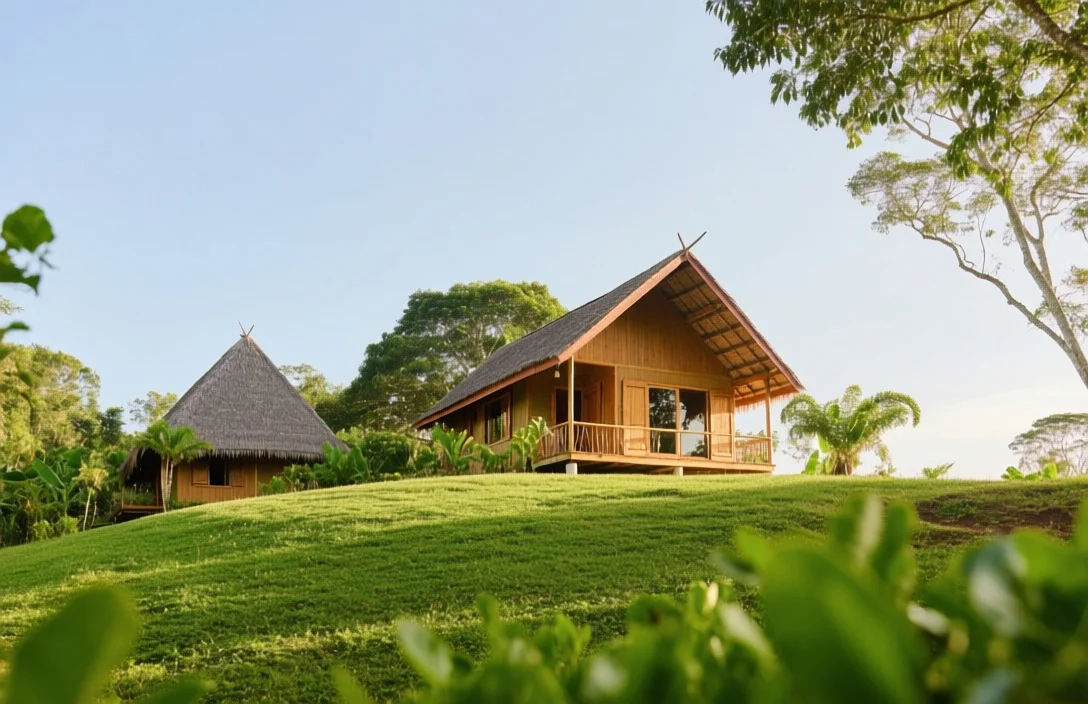
Third-party certifications provide a standardized way to verify that a property actually follows environmental protocols rather than just using “eco” as a marketing buzzword. These labels rely on rigorous audits of energy use, waste management, and local community support to prove their claims.
Global standards help travelers navigate the massive variety of lodging options without getting misled by greenwashing. While some labels focus on the physical building, others look at the entire operational impact of the business.
Global Industry Standards
LEED (Leadership in Energy and Environmental Design) is a widely recognized system that focuses heavily on the construction and physical infrastructure of a lodge. It measures how efficiently a building uses water, energy, and materials during its design and operation.
EarthCheck and Green Globe offer a different approach by auditing the management practices of the destination. These certifications are often harder to maintain because they require continuous monitoring of carbon footprints and social responsibility metrics.
| Certification | Primary Focus | Best For |
|---|---|---|
| LEED | Building design and efficiency | Modern, high-tech eco-resorts |
| EarthCheck | Scientific environmental management | Large-scale resorts and destinations |
| Green Globe | Sustainable tourism management | Hotels with strong community ties |
Local Sustainability Seals
Regional certifications often provide the most granular look at how a lodge interacts with its immediate surroundings. These seals are frequently managed by local tourism boards or environmental NGOs that understand the specific ecological needs of the area.
For instance, a lodge in Costa Rica might carry a Certificate for Sustainable Tourism (CST) which assesses everything from biodiversity protection to how they treat their staff. These local marks are often more meaningful for travelers who want to ensure their money stays within the local economy.
On my last trip to Southeast Asia, I learned to look for local government-backed stickers on the entrance. They often carry more weight than generic international logos because the inspections are conducted by people who actually live in that ecosystem.
Based on personal research; specific certification availability varies by country and region.
Luxury Vs Rustic Eco Options
Eco-lodges span a spectrum from opulent sustainable retreats to minimalist wilderness cabins, each offering different environmental impacts and comfort levels. The right choice depends on your travel priorities, budget, and willingness to embrace rustic elements while maintaining sustainability credentials.
| Feature | Luxury Eco-Lodges | Rustic Eco-Stays |
|---|---|---|
| Price Range | $300-$1,000+ per night | $50-$150 per night |
| Amenities | Solar-powered spas, gourmet organic cuisine, private plunge pools | Composting toilets, outdoor showers, basic cooking facilities |
| Environmental Impact | High resource use despite renewable energy | Minimal footprint with reduced consumption |
| Best For | Eco-conscious travelers unwilling to compromise on comfort | Adventure seekers and minimalists embracing nature |
High-end Eco-luxury Features
Luxury eco-lodges combine premium comfort with sustainable practices, often featuring solar power, rainwater harvesting systems, and locally sourced organic cuisine. These properties typically offer private villas with panoramic views while maintaining environmental certifications.
For example, the Lapa Rios Ecolodge in Costa Rica provides treehouse-style accommodations with infinity pools overlooking the Pacific Ocean, while implementing comprehensive waste management and community support programs. The key advantage is enjoying premium amenities without sacrificing your eco-values.
Back-to-basics Sustainable Stays
Rustic eco-lodges prioritize minimal environmental impact through reduced energy consumption, simple structures, and direct engagement with natural surroundings. These accommodations often involve community-based tourism where your stay directly benefits local families and conservation efforts.
In practice, staying at a place like the Selva Ban Eco-Lodge in Peru means embracing composting toilets, kerosene lamps for lighting, and shared facilities. The trade-off is a more authentic experience with deeper cultural immersion and a smaller carbon footprint.
Finding Your Eco Comfort Zone
The ideal eco-lodge balances your sustainability values with acceptable comfort levels. Consider your priorities: Do you need reliable electricity and private bathrooms? Are you prepared to adapt to basic facilities for the sake of reduced environmental impact?
Many travelers find comfort in the middle ground – properties offering solar power and organic food while maintaining simple, comfortable accommodations. Research each lodge’s specific sustainability practices rather than assuming all eco-labels represent the same level of environmental commitment.
Planning Your Sustainable Getaway
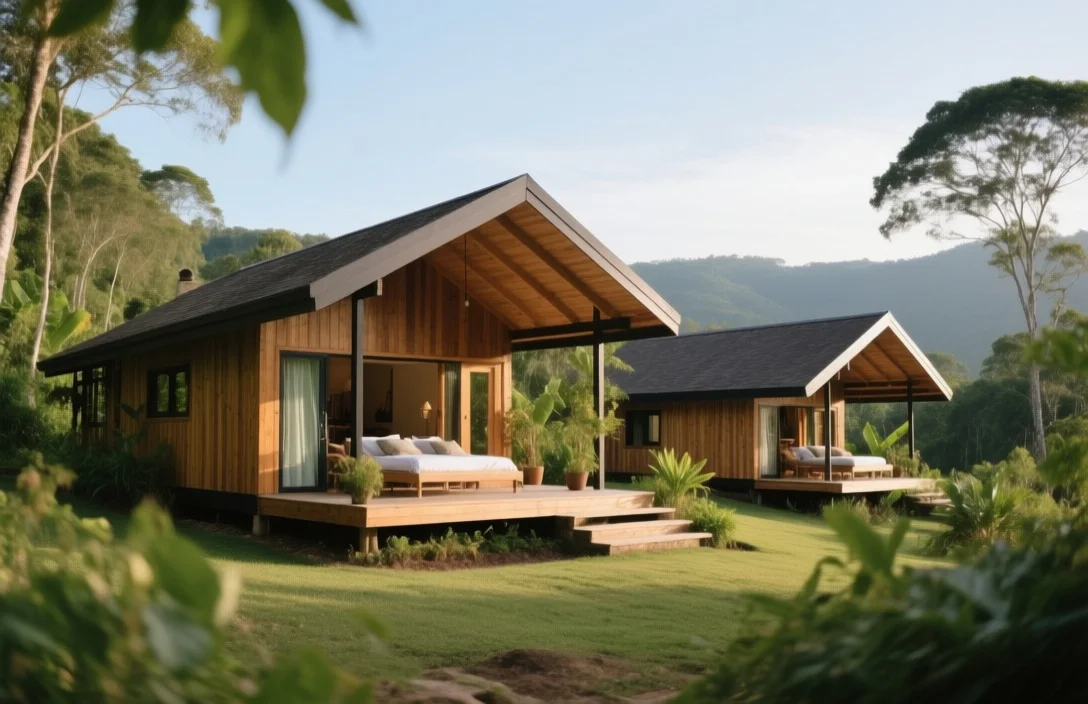
Timing your visit to an eco lodge can drastically change your experience. Many remote locations rely on specific dry seasons for reliable access. Traveling during these windows often means fewer crowds and lower prices.
Best Seasons For Eco Travel
The dry season usually offers the best balance of accessibility and wildlife viewing. Rainy seasons bring lush landscapes but can make remote grounds muddy and difficult to navigate. Booking during the off-peak rainy months often secures the lowest rates at top destinations.
Eco Travel Challenges
Eco lodges often charge 15‑30 % more than standard hotels, but that premium funds solar panels, rainwater capture, and local conservation jobs. The higher price reflects genuine environmental stewardship, not marketing fluff.
Cost Concerns Explained
Cost concerns can be mitigated by traveling in shoulder seasons, when nightly rates drop 20‑40 % and occupancy is lower. Many properties bundle meals, guided hikes, and carbon‑offset contributions into a single price, turning a perceived surcharge into an all‑inclusive experience.
Additional savings appear when you contact the lodge directly and ask about early‑bird or last‑minute rates, which can shave another 10‑15 % off the base price. Some eco resorts also reward repeat visitors with loyalty credits toward future stays.
Accessibility Considerations
Accessibility considerations vary, but many eco sites invest in solar‑powered lifts, widened pathways, and grab‑rail installations to accommodate guests with mobility needs. Checking the lodge’s accessibility statement before booking prevents surprises upon arrival.
When possible, choose lodges that partner with local NGOs to provide trained staff familiar with assistive equipment. These collaborations often lead to smoother check‑in experiences and quicker response in case of an emergency.
Safety And Remote Locations
Safety and remote locations can feel daunting, yet many eco lodges operate with satellite communication, solar emergency lighting, and staff certified in first‑aid response. Carrying a basic medical kit and a portable power bank adds an extra layer of confidence.
Additional peace of mind comes from selecting properties that maintain a partnership with regional rescue services and have clear protocols for wildlife encounters. These measures reduce risk while preserving the sense of adventure.
“When I arrived at a jungle canopy lodge in Costa Rica, the staff walked me through their solar backup system and showed me the emergency radio. That simple briefing turned a remote stay into a confident experience.” – Travel Blogger
| Region | Typical Nightly Rate | Eco Features | Why Choose |
|---|---|---|---|
| Amazon Basin | $120‑$200 | Rainwater reuse, community school support | Immersive rainforest immersion |
| Alpine Alps | $150‑$250 | Geothermal heating, wildlife monitoring | Mountain vistas with low carbon footprint |
| Coastal Kenya | $100‑$180 | Solar power, marine conservation partnership | Beach access plus reef protection |
Sustainable Packing Essentials
Packing for a remote stay requires a focus on weight reduction and zero-waste habits to minimize your environmental footprint. Prioritize items that serve multiple purposes while ensuring they adhere to the strict waste management policies often found in sensitive ecosystems.
On my last trip to a remote forest retreat, I swapped my heavy plastic containers for a simple tin of solid soap. It saved space in my carry-on and ensured I left zero trash behind in the wilderness.
Practical Gear Checklist
Organizing your gear effectively prevents the need for last-minute plastic purchases at the airport or destination. Use the following table to prioritize your packing strategy based on environmental impact and utility.
| Item Category | Eco-Friendly Swap | Primary Benefit |
|---|---|---|
| Toiletries | Solid Bars | Reduces plastic waste |
| Hydration | Filtered Bottle | Eliminates single-use plastic |
| Apparel | Organic Fibers | Biodegradable and durable |
| Energy | Solar Charger | Lowers reliance on fossil fuels |
Avoid bringing excessive packaging or disposable wipes that end up in local landfills. Many remote lodges lack the infrastructure to process complex recycling, so bringing everything back home is the safest approach for the environment.
Research the specific climate of your lodge before departure to avoid overpacking. Versatile layers remain the gold standard for staying comfortable while keeping your luggage weight low and your transit emissions down.
Quick Summary
Choosing an eco lodge ensures your vacation supports local conservation efforts while providing a unique and immersive connection to nature.
| Factor | What to Check |
|---|---|
| Certifications | Global Sustainable Tourism Council recognition |
| Energy | Renewable power grid or solar panels |
| Food | Farm to table sourcing policies |
Final Thoughts Eco lodges sustainable vacation
Planning a sustainable getaway does not have to be complicated, but it does require a bit of extra homework to ensure your money supports genuine conservation. By prioritizing lodges with transparent environmental policies and community ties, you turn your vacation into a positive force for the places you visit. This guide simplifies the vetting process, helping you bypass greenwashing and find authentic experiences that align with your values. Ready to book your next low impact adventure? Check the links above to start planning your itinerary today. Share your experiences in the comments so others can learn from your travels!
What is your favorite eco lodge spot for a sustainable escape?
Frequently Asked Questions
How Much Does A Sustainable Eco Lodge Vacation Typically Cost?
Prices vary wildly, but you should budget between $150 and $500 per night for mid-range authentic eco lodges. Luxury eco-resorts in remote areas like Costa Rica or the Amazon can easily exceed $800 per night due to the high cost of transporting supplies to isolated locations.
Are Eco Lodges Safe For Traveling With Young Children?
Safety depends on the specific terrain, but many lodges are family friendly if they offer supervised nature tours and fenced boundaries. Always check if the lodge has on-site medical kits and proximity to a local clinic, as remote locations can make emergencies difficult to manage.
What Is The Difference Between An Eco Lodge And A Green Hotel?
An eco lodge is usually located in a remote or natural setting with a focus on minimal environmental impact, whereas a green hotel is often an urban building that uses energy-efficient lighting and water recycling. You should choose a lodge if you want deep immersion in nature and a hotel if you want sustainable practices without leaving the city.
What Essential Items Should I Pack For An Eco Lodge Stay?
You must bring biodegradable toiletries like shampoo and soap to prevent polluting local water systems. Also, pack a high-quality reusable water bottle and reef-safe sunscreen to minimize your plastic and chemical footprint during your stay.
How Can I Tell If An Eco Lodge Is Actually Sustainable Or Just Greenwashing?
Look for specific certifications such as Global Sustainable Tourism Council (GSTC) recognition or local eco-labels. Avoid places that make vague claims about being “natural” without providing concrete data on their waste management or local employment practices.
Disclosure: As an Amazon Associate, I may earn from qualifying purchases at no extra cost to you. Amazon and the Amazon logo are trademarks of Amazon.com, Inc, or its affiliates.
