
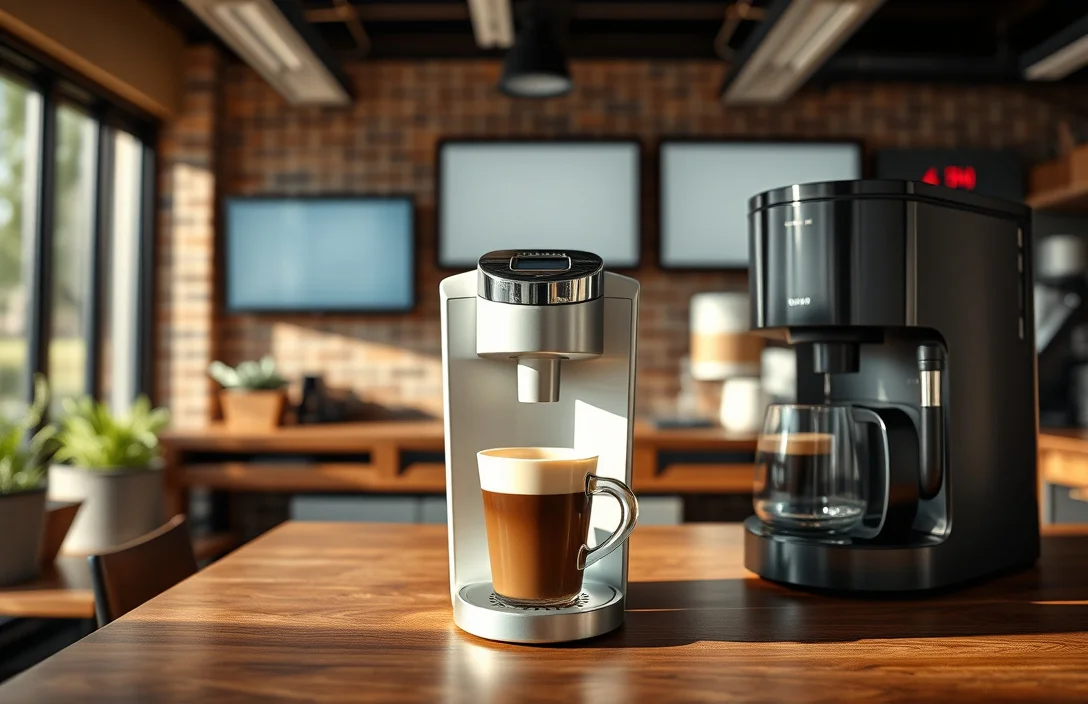
Most single-serve coffee makers boil down to two choices – pod systems or cup-style brewing that’s built around specific pods. If you want consistent results with minimal effort, many households in the US pick Keurig for its K-Cups and flexible brew sizes: 4, 6, 8, 10, and 12 oz. If you’re comparing models for cost, speed, cup size range, and pod compatibility, this guide helps you choose the right fit.
Best picks depend on what you drink. For full-cup drip-style coffee, Keurig models like the K-Elite (4-12 oz, 75 oz reservoir, $150-$200) or K-Mini (6-12 oz, $79-$99) cover most routines. For espresso-style drinks in smaller volumes, Nespresso VertuoPlus uses 1-14 oz pod drinks and costs about $179.95-$600+ depending on the model tier.
Key Takeaways
- Pick your pod ecosystem. Keurig and Nespresso use incompatible pods, so your ongoing pod costs follow your machine.
- Match cup sizes to your habit. Many Keurig models offer 4, 6, 8, 10, and 12 oz, while Nespresso focuses on smaller espresso-style volumes.
- Budget drives the right features. Keurig K-Mini Plus is often around $89.99, while premium smart models can reach $189.99-$219.
- Reservoir size changes refill frequency. A 75 oz reservoir on the K-Elite means fewer water top-ups.
- Brew speed varies by model. Some Keurig models list brew times around 0:35-1:15, and the faster option K-Cafe is listed at 0:36.
- Noise and temperature differ. Brew noise and temperature vary by model, so choose based on your kitchen setup and taste preferences.
What matters before you buy a single-serve coffee maker?
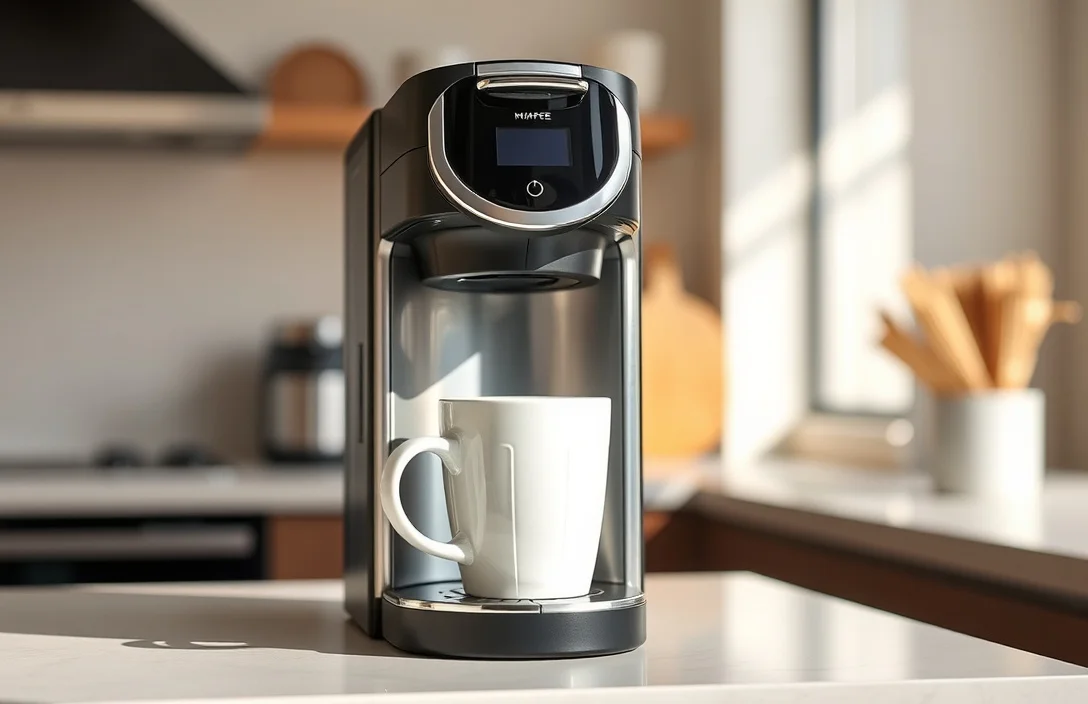
A “best” single-serve coffee maker is the one that matches your drink type, pod budget, and how much hands-on effort you’ll tolerate. In the US, pod ecosystems create the biggest divide. Keurig brews full-cup drip-style coffee with K-Cups, while Nespresso makes espresso-style drinks with its own pod system.
Cup size is the next deal-breaker. Many Keurig models are built around flexible brew sizes, with examples listing 4, 6, 8, 10, and 12 oz. Nespresso-style systems skew smaller and more espresso-like, with Vertuo drink ranges that can go up to 14 oz, so “coffee” can behave more like café output than a traditional mug.
Ongoing cost is where small differences turn into real dollars. Third-party pod pricing for Keurig systems commonly lands around $0.40-$0.70 (up to $0.80 for a premium). Nespresso’s official pod pricing is often $0.80-$1.40 (with third-party options depending on the system and format, and they’re sometimes lower). If you’re drinking multiple cups a day, those ranges matter.
Decision criteria that actually prevent buyer’s regret
Compare options using the same criteria every time: pod compatibility, cup size range, brew speed, reservoir capacity, and total cost. Skip one of those and you’re more likely to end up with a machine that looks great on paper but doesn’t match your routine.
Brew speed and temperature are noticeable in daily use. Specs list brew times from 0:36 (K-Cafe) up to 1:30 (K-Mini Mate), with temperatures such as 160°F, 162°F, 170°F, 178°F, and 186°F depending on the model. Two machines can both be “fast,” but one can feel quicker in the morning and taste different if the temperature runs higher or lower.
Reservoir size and maintenance reminders determine whether the machine feels easy. One highlighted Keurig model lists a 75 oz removable water reservoir plus a maintenance alert with a descale indicator and cleaning reminder. If you share the machine, reservoir capacity affects whether you’ll have to refill before it’s your turn again.
Here are the levers I’d use to choose:
- Pod ecosystem lock-in determines compatibility and long-term costs.
- Brew size range determines whether you can reliably make your usual mug or only smaller drinks.
- Reservoir capacity determines how often you refill during the week.
- Brew time and temperature affect morning flow and flavor consistency.
- Machine price tier determines whether you get smart features or basic operation.
Tips that cut setup time and prevent weak coffee
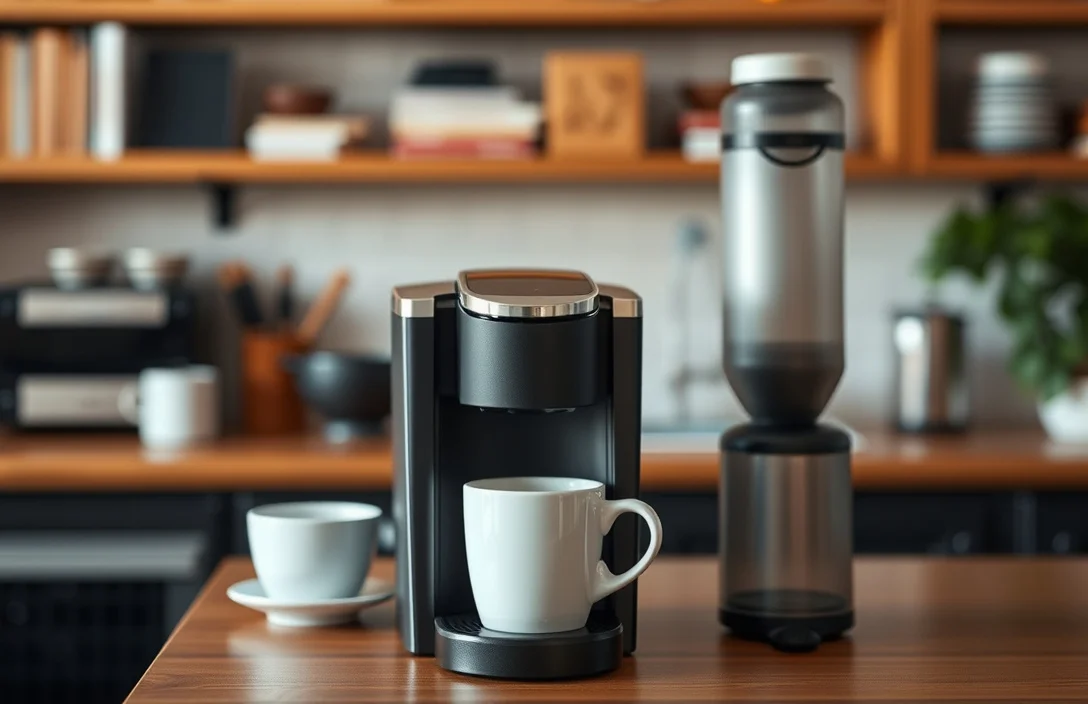
Pick your drink first, not your brand. If you want a full mug of drip-style coffee with cream or milk, Keurig-style systems fit the workflow best. If you want espresso-style output with foam or concentrated café format, Nespresso-style machines match how they’re designed.
Set a “max hassle” limit for refills and cleanup. If you brew 2-4 cups daily, reservoir size becomes a real comfort factor. A model listed with a 75 oz reservoir is designed to reduce refill interrupts, and the included guidance calls it “about 9 cups.”
Decide how you want to handle pods and pricing. Keurig tends to offer more pod variety across brands, with third-party pricing commonly listed around $0.40-$0.70 (up to $0.80 premium). Nespresso has fewer mainstream third-party options in the same comparisons, and official pods often start higher.
Practical setup moves:
- Run a rinse/clean cycle before the first brew, especially right out of the box.
- Use the right pod for your cup size so you don’t dilute a smaller pod in a larger brew.
- Descale on schedule if you have harder water, using the reminder if the model has one.
- Watch the drip tray overflow if you brew into travel mugs, since height and tray size vary.
- Skip “smart only” upgrades unless you’ll actually use app scheduling or auto-adjusted brew settings.
Why single-serve coffee makers feel worth it
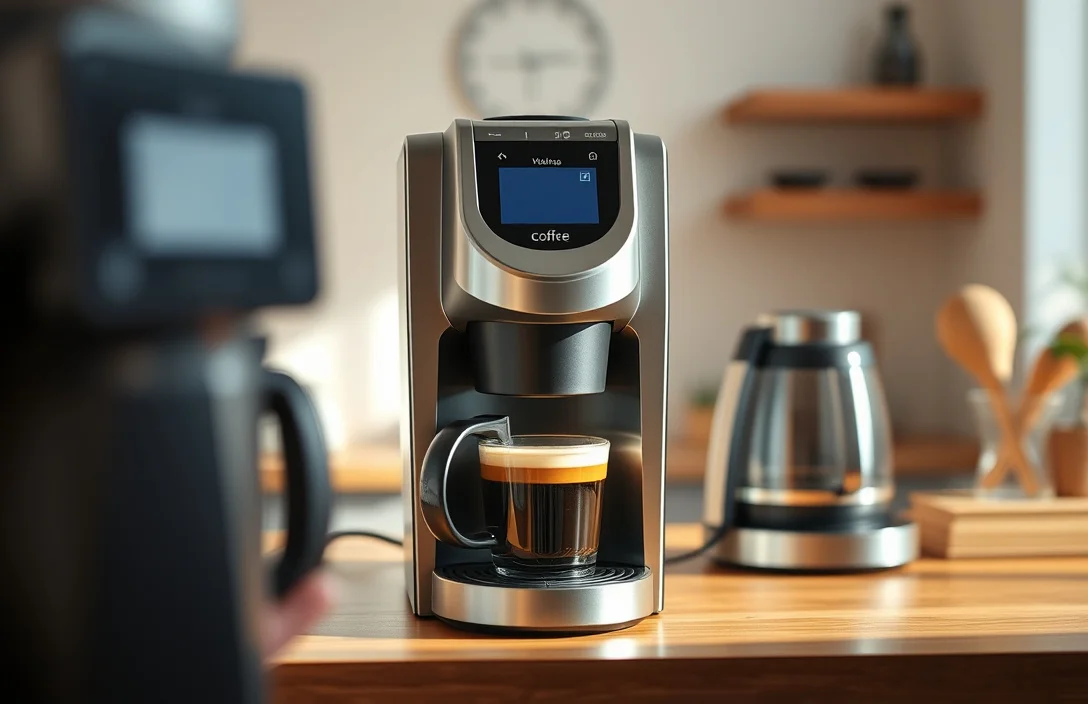
The biggest benefit is repeatable consistency with low effort. You add water, insert a pod (or pod plus ground coffee if you choose a dual system), and press a button. That predictability is why they’re popular in US households, especially when multiple people want different drinks.
Speed is the second win. Listed brew-time values show some cycles under a minute for certain Keurig models – including 0:35, 0:36, and 1:10 style times depending on the model. Even small differences on paper change how the machine feels when you’re rushing.
Cost control is possible if you choose an ecosystem that matches how often you drink. Keurig’s pod variety can lower per-cup cost because third-party options exist widely, and the listed pod price range for third-party options is roughly $0.40-$0.70 (up to $0.80 premium). If you’re cost-sensitive, that flexibility can beat higher “official-only” pricing.
Household convenience matters too. Models like the Keurig K-Duo support both pods and carafe-style brewing, so you can avoid “coffee twice” when more than one person wakes up and wants something different right away.
Best single-serve coffee maker options (comparison table)
| Model | System / Type | Brew / Drink Range (listed) | Water Reservoir (listed) | Price Range (listed) | Best For |
|---|---|---|---|---|---|
| Keurig K-Elite | Pod, single serve | 4, 6, 8, 10, 12 oz | 75 oz removable | $150 – $200 | Most all-around home use with flexibility |
| BLACK+DECKER Single Serve Coffee Maker | Pod, single serve | 16 oz (listed cup capacity) | Not listed | $30 – $50 | Lowest-cost entry for a big single cup |
| Espro P3 French Press | Manual, single serve style | Not listed | Not listed | $60 – $80 | People who want manual control, no pods |
| Bialetti Moka Express | Stovetop espresso | 6 cups (listed) | Not listed | $30 – $50 | Espresso-style at stovetop, no electricity |
| Nespresso Vertuo Plus | Pod, espresso-style | 1-14 oz (espresso-style range listed) | Not listed | $130 – $200 | Espresso-style pods, café drinks at home |
| Hamilton Beach The Scoop | Pod, single serve | Not listed | Not listed | $30 – $50 | Budget drip-style single cups |
| Keurig K-Mini | Pod, single serve | 6-12 oz | 1 cup refill each brew (listed) | $79 – $99 | Small spaces, dorms, offices |
| Keurig K-Duo | Pods + carafe | 6-12 oz pod + 6-12 cup carafe | 60 oz shared | $149 – $179 | Households splitting pod and carafe habits |
| Keurig K-Supreme Plus | Pod, single serve | 4, 6, 8, 10, 12 oz | 78 oz (listed) | $189 – $219 | Premium Keurig flavor, larger reservoir |
| Keurig K-Supreme Plus SMART | K-Cup | Not listed (smart model tier) | 78 oz (listed) | $189.99 | Smart features, auto pod-based adjustments |
| Cuisinart SS-10P1 | K-Cup + grounds | Not listed | Not listed | $129.99 | Flexibility when you want both pods and grounds |
| Hamilton Beach FlexBrew | Dual function | Not listed | Not listed | $99.99 | Single + carafe option on a mid budget |
| Keurig K-Cafe | Pod, single serve | Not listed | Not listed | Not listed | Fast cycle option (0:36 listed) |
Two fast verdicts
- Press a button and get a mug: Keurig K-Elite-style models are the safe bet because they combine multi-size brewing (4, 6, 8, 10, 12 oz) with a 75 oz reservoir in the highlighted configuration.
- Espresso-style drinks first: Nespresso VertuoPlus fits best because it’s built around espresso-style pod output, with a listed 1-14 oz range.
Expert advice for choosing the right machine
Lock in your pod system first, then optimize for daily workflow. Choosing Keurig vs Nespresso first prevents expensive “feature hunting” that won’t change pod compatibility later.
If you’re choosing a Keurig, prioritize brew sizes and reservoir capacity. The highlighted K-Elite-style spec set includes 4, 6, 8, 10, and 12 oz brew sizes plus a 75 oz removable reservoir, along with strength control and five temperature settings. That range covers small cup mornings and bigger mug afternoons without forcing one volume.
If speed matters, compare the listed brew times across the models. In the provided Keurig brew-time values, K-Cafe is listed at 0:36, K-Classic at 0:35, K-Supreme at 1.15, and K-Mini Mate at 1:30. Even if your exact timing varies, it’s still a strong signal that “time to first cup” isn’t the same across these models.
If you’re budgeting for repeat purchases, treat pod pricing as part of the machine cost. Available guidance lists Keurig third-party pods around $0.40-$0.70 (up to $0.80 premium), while Nespresso official pods are often $0.80-$1.40 (with some third-party options around $0.40-$0.70 for Original systems in the same comparison set). With 2-3 cups a day, those differences stack quickly.
Don’t pay for smart features you won’t use. “Smart” models are worth it only if you actually want app scheduling or consistent pod-based optimization. If you brew once in the morning and prefer physical buttons, a simpler model often makes more sense.
Examples: match your household to the right type
For a one-person household that drinks mostly mugs, the Keurig K-Elite tier is the cleanest fit. It’s built for 4, 6, 8, 10, and 12 oz cup sizes, has a 75 oz removable water reservoir, and includes strength control plus maintenance reminders in the highlighted configuration. The price range is $150 – $200, which sits between budget options and premium smart machines.
For a small kitchen, dorm, or office where counter space matters, the Keurig K-Mini is the practical call. The comparison lists brew sizes of 6-12 oz and a “1 cup (refill each brew)” reservoir approach, priced around $79 – $99. Accepting more frequent refills buys you a smaller footprint and a lower entry cost.
For espresso-style cravings with smaller drink volumes, choose Nespresso VertuoPlus instead of trying to force espresso habits through a Keurig setup. The guidance lists espresso-style drink ranges of 1-14 oz and a price range around $130 – $200. You trade broader Keurig pod variety for a more espresso-forward experience, including crema guidance like “yes” for Vertuo pods (thick on Vertuo in the provided comparison notes).
If you want one machine to cover more than one habit at home, a dual-use model can reduce “brew twice” mornings. The Keurig K-Duo is priced around $149 – $179 and pairs 6-12 oz pod brewing with a 6-12 cup carafe option, using a 60 oz shared reservoir. That setup helps when different people want different formats.
FAQ
Which is cheaper to run, Keurig or Nespresso?
Keurig often costs less per cup because third-party pod pricing is commonly listed around $0.40-$0.70 (up to $0.80 premium). Nespresso official pods are commonly listed higher, about $0.80-$1.40, with some third-party availability depending on the system. Your real cost depends on which pods you buy most.
How long does it take to brew a cup?
Brew time depends on the model. One Keurig comparison table lists K-Classic at 0:35 and K-Cafe at 0:36, while other models list times like K-Supreme at 1.15 and K-Mini Mate at 1:30. Check the specific model’s listed brew-time values.
Are single-serve coffee makers messy or hard to clean?
Most aren’t hard, but they do require descaling and keeping the drip area clean. Some highlighted Keurig models include a maintenance alert with a descale indicator and cleaning reminder. Frequent users should plan on occasional cleaning of the water system and wiping the drip tray.
What’s the most common mistake when buying a single-serve machine?
Buying the wrong pod ecosystem. Keurig K-Cup systems and Nespresso pods are incompatible, so you can’t switch freely between the two. If you already have a favorite coffee pod line, match the machine to that ecosystem first.
Is there a good alternative to pods?
Yes – stovetop and manual options avoid pods. Examples include the Bialetti Moka Express (listed 6 cups, stovetop espresso) and the Espro P3 French Press (listed 18 oz manual). These require more hands-on effort than a button press, and they avoid pod lock-in that can reduce recurring costs.
Disclosure: As an Amazon Associate, I may earn from qualifying purchases at no extra cost to you. Amazon and the Amazon logo are trademarks of Amazon.com, Inc, or its affiliates.
