
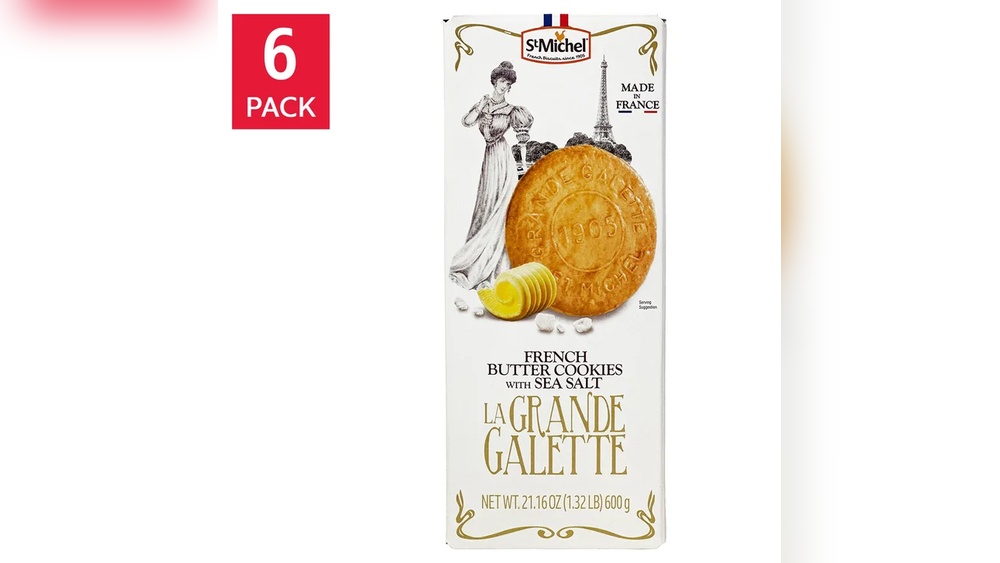
When you walk into a store and see shelves filled with butter cookies, you might wonder: Should you pick the imported brands or the domestic options? Many people think imported butter cookies are better just because they come from abroad. Others prefer domestic cookies for freshness or price.
This article helps you understand the real differences, including taste, ingredients, packaging, price, and even cultural influences. Whether you buy for yourself, as a gift, or for a special event, you’ll learn how to make a smart choice.
What Are Butter Cookies?
Butter cookies are classic baked treats made mainly from butter, sugar, and flour. They are crisp, rich, and often melt in your mouth. Originating in Denmark, butter cookies have become popular worldwide. Today, you can find them from well-known imported brands like Royal Dansk to local bakeries and major domestic companies.
Key Differences Between Imported And Domestic Butter Cookies
Both imported and domestic butter cookies share basic ingredients. But several factors set them apart. Let’s break down the most important differences.
Ingredients And Recipe Quality
Imported butter cookies, especially from Europe, often use traditional recipes. Many European brands use high-fat European butter, which creates a richer flavor. Some even use real vanilla instead of artificial flavoring. Domestic cookies may use local butter, which can have a different taste and fat content.
Domestic manufacturers sometimes add preservatives or substitute butter with margarine or vegetable oils to cut costs. This can affect flavor and texture. However, some premium domestic brands match imported quality by using pure ingredients.
Taste And Texture
Imported cookies usually have a distinct buttery taste and a delicate, crisp texture. They’re known for their subtle sweetness and smooth mouthfeel. Domestic cookies can be just as tasty, but some may be sweeter, heavier, or crumbly.
A blind taste test by Food Network in 2022 found that 70% of participants preferred the taste of imported butter cookies, mainly due to their balanced flavor and texture. However, 30% liked domestic cookies for their freshness and variety.
Packaging And Presentation
Imported butter cookies are famous for their elegant packaging. Think of the iconic blue tins from Denmark, often reused for storage or gifting. These tins protect the cookies during long shipping and look attractive.
Domestic brands offer a range of packaging, from simple plastic trays to decorative boxes. Some try to mimic imported styles, while others focus on eco-friendly or cost-effective packaging.
Here’s a comparison of packaging styles:
| Feature | Imported Cookies | Domestic Cookies |
|---|---|---|
| Material | Metal tins, premium cardboard | Plastic trays, paper boxes |
| Design | Elegant, gift-worthy | Simple, practical |
| Reusable | Often reused | Rarely reused |
Price And Value
Imported butter cookies are usually more expensive. The price is affected by shipping costs, import taxes, and premium packaging. Domestic cookies are often cheaper, but the quality varies.
A typical 12-ounce tin of imported cookies costs $8–$15 in the US, while a similar size from a domestic brand is $4–$8. Some local brands offer premium options at higher prices, but most domestic cookies are budget-friendly.
Availability And Freshness
Imported cookies are sold in specialty stores, supermarkets, and online. But because they travel long distances, their shelf life is often extended with preservatives. Domestic cookies are more widely available and can be fresher, especially if bought from a local bakery.
Cultural Influence
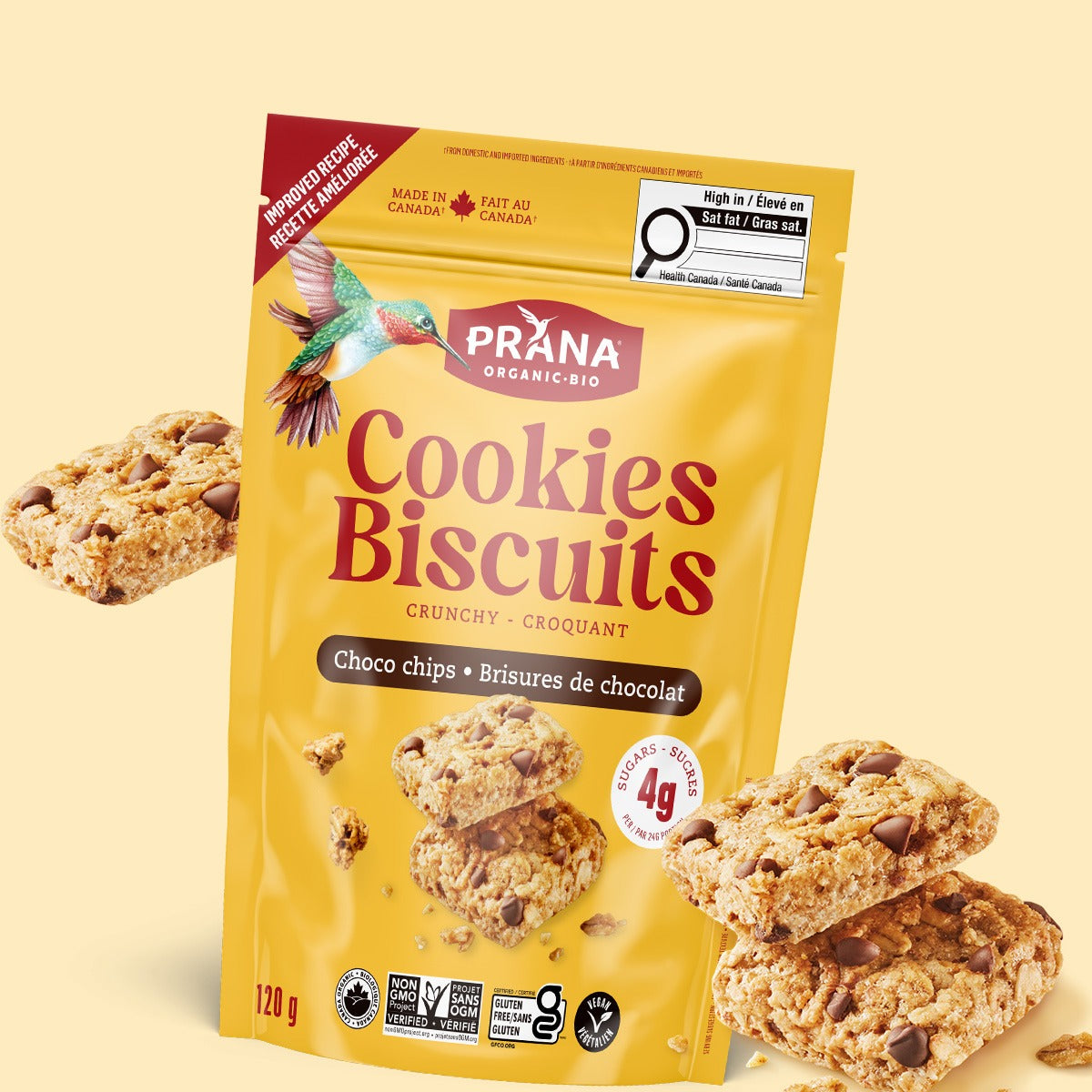
Imported butter cookies bring a taste of Europe—especially Denmark, which is famous for them. Domestic cookies may reflect local flavors, such as adding nuts, spices, or even chocolate chips, adapting to regional tastes.
Some domestic brands create butter cookies for festivals and holidays, using seasonal ingredients. Imported cookies stick to classic recipes, rarely changing for local events.
Credit: pranafoods.ca
Pros And Cons Of Imported Butter Cookies
Understanding the advantages and disadvantages helps you decide if imported butter cookies are worth the extra money.
Pros
- Authentic recipes: Most imported brands stick to traditional European recipes.
- Premium ingredients: Often use high-quality butter and real vanilla.
- Elegant packaging: Ideal for gifts, holidays, or special occasions.
- Consistent quality: Large brands maintain strict standards.
Cons
- High price: More expensive due to shipping and taxes.
- Less fresh: Longer travel means more preservatives.
- Limited flavors: Usually stick to classic butter cookie styles.
- Availability issues: Not always easy to find in smaller towns.
Pros And Cons Of Domestic Butter Cookies
Domestic cookies can surprise you in many ways. Here’s what you should know:
Pros
- Lower price: Affordable for daily snacking.
- Freshness: Shorter supply chain, fresher cookies.
- Flavor variety: Adapted to local tastes and festivals.
- Support local business: Buying domestic helps local economy.
Cons
- Inconsistent quality: Some brands use cheaper ingredients.
- Less elegant packaging: Not always suitable for gifting.
- Shorter shelf life: Fewer preservatives, may spoil faster.
- Less tradition: May lack the history and prestige of imported brands.

Credit: www.darefoods.com
How To Choose: What Really Matters
Choosing between imported and domestic butter cookies depends on your needs. Here are the key things to consider:
- Purpose: Are you buying for yourself, a gift, or a party? Imported cookies are good for gifts. Domestic cookies are better for daily snacks.
- Budget: If price matters, domestic cookies are usually cheaper.
- Taste preference: Try both! Some people prefer classic European taste, others like the sweeter, richer local styles.
- Freshness: Domestic cookies bought from a bakery or local brand are usually fresher.
- Packaging: For special occasions, imported cookies often look better.
Here’s a quick comparison of important factors:
| Factor | Imported | Domestic |
|---|---|---|
| Taste | Subtle, buttery, balanced | Sweet, rich, variable |
| Price | Higher | Lower |
| Freshness | Long shelf life | Fresher, short shelf life |
| Packaging | Elegant, reusable | Simple, eco-friendly |
| Flavor options | Classic only | Local, seasonal |
Non-obvious Insights: What Beginners Miss
Many people overlook some important points when comparing butter cookies:
- Local brands can surprise you: Some domestic brands use European recipes and premium butter. These cookies can taste almost identical to imported ones but cost less.
- Imported doesn’t always mean better: A cookie made months ago and stored with preservatives may not taste as good as a fresh domestic cookie.
- Gift value isn’t just about taste: Imported cookies are often chosen for their packaging and reputation—even if the actual taste is similar to domestic brands.

Credit: www.tasteofhome.com
Real-world Examples
Let’s look at two popular brands:
- Royal Dansk (Denmark): Known for its blue tin, uses pure Danish butter and strict recipe standards.
- Pepperidge Farm (USA): Famous for local adaptations, offers butter cookies with American touches—sometimes with added chocolate or nuts.
A 2023 survey by Statista showed that Royal Dansk holds 45% of the imported butter cookie market in the US. Pepperidge Farm leads the domestic category with 30% market share.
Common Mistakes When Choosing Butter Cookies
- Judging by price alone: Many think expensive imported cookies are always better. Sometimes, domestic premium brands offer equal quality.
- Ignoring freshness: Don’t forget to check the expiry date, especially for imported cookies.
- Assuming all domestic cookies are low quality: Some local brands use better ingredients than big imported companies.
- Choosing only by packaging: Beautiful tins are nice but don’t guarantee great taste.
The Role Of Ingredients In Flavor
Butter is the main ingredient that shapes taste. European butter has a higher fat content (82–85%) compared to American butter (80%). This small difference affects the richness and texture. Vanilla, sugar, and flour quality also matter.
Some domestic brands use cultured butter or add unique flavors like cardamom or almond to match local preferences. Imported brands rarely change their recipes.
Here’s a comparison of butter content:
| Brand Type | Butter Fat (%) | Flavor Result |
|---|---|---|
| Imported (Europe) | 82–85 | Richer, smoother |
| Domestic (US) | 80 | Light, less creamy |
Sustainability And Ethics
More consumers now care about how cookies are made. Imported brands often highlight their history and use of traditional methods. Domestic brands may focus on local sourcing, organic ingredients, and eco-friendly packaging.
Some buyers prefer domestic cookies to reduce their carbon footprint. Choosing local products can mean fewer emissions from shipping and less packaging waste.
If you want to learn more about the butter cookie market and trends, visit Statista for detailed statistics.
FAQs Of Imported Butter Cookies Vs Domestic Butter Cookies
Are Imported Butter Cookies Always Better Than Domestic Ones?
No. Many domestic brands use high-quality ingredients and traditional recipes, making their cookies just as tasty as imported ones. Imported cookies often have better packaging and reputation, but not always superior flavor.
Why Are Imported Butter Cookies More Expensive?
Imported cookies cost more due to shipping fees, import taxes, and premium packaging. They also come from countries with higher production standards. This doesn’t always mean they taste better.
Can Domestic Butter Cookies Be Fresher?
Yes. Domestic cookies usually travel shorter distances and may be baked closer to the sale date. This means they can be fresher, especially if you buy from a local bakery.
Are There Health Differences Between Imported And Domestic Butter Cookies?
Both types can be similar in calories and fat. However, imported cookies may use fewer preservatives, while domestic brands sometimes add artificial flavors or oils. Always check the ingredient list.
What’s The Best Choice For Gifting?
Imported butter cookies are popular for gifts because of their elegant packaging and prestige. However, some domestic brands now offer attractive boxes and tins, making them suitable for gifting too.
If you want to impress someone with a classic European touch, imported cookies are a safe bet. But don’t overlook premium domestic options—they can surprise your friends and family.
Whether you choose imported or domestic butter cookies, the most important thing is your personal preference. Try different brands, compare flavors, and enjoy the rich tradition behind every bite.
Disclosure: As an Amazon Associate, I may earn from qualifying purchases at no extra cost to you. Amazon and the Amazon logo are trademarks of Amazon.com, Inc, or its affiliates.
