
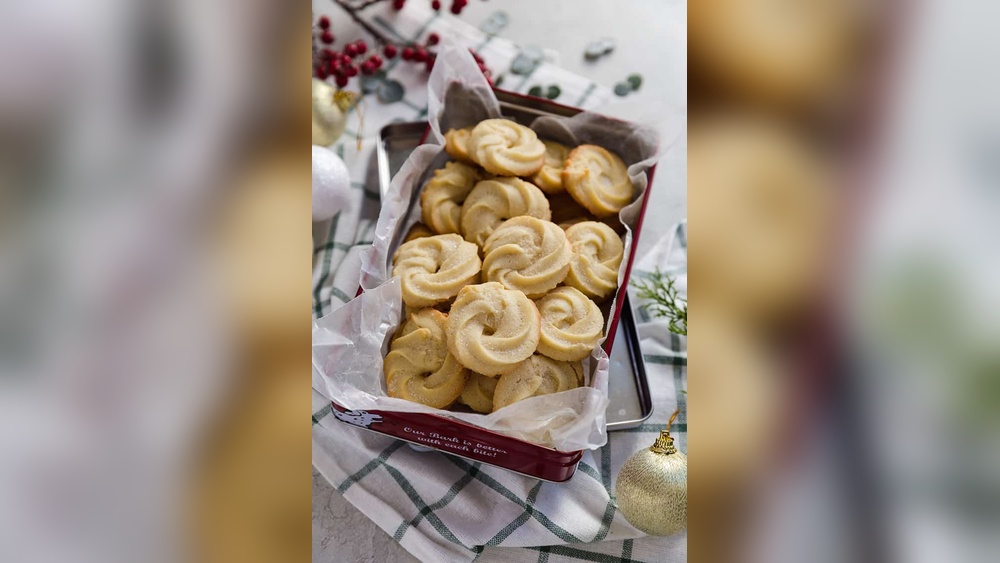
Few cookie debates are as lively as the comparison between Danish butter cookies and sugar cookies. Both are classic treats, loved across the world, but they offer quite different eating experiences. For many, these cookies bring back memories of holidays, family gatherings, and simple moments of joy. If you’ve ever wondered which cookie suits your taste or occasion better, you’re not alone. Understanding their differences can help you bake, buy, or simply enjoy them with more confidence.
What Makes Danish Butter Cookies Unique?
Danish butter cookies are famous for their rich taste and delicate texture. Originating in Denmark, these cookies are often packaged in iconic blue tins, especially around Christmas and New Year. Their main ingredients—unsalted butter, sugar, flour, and sometimes vanilla—create a simple but luxurious flavor.
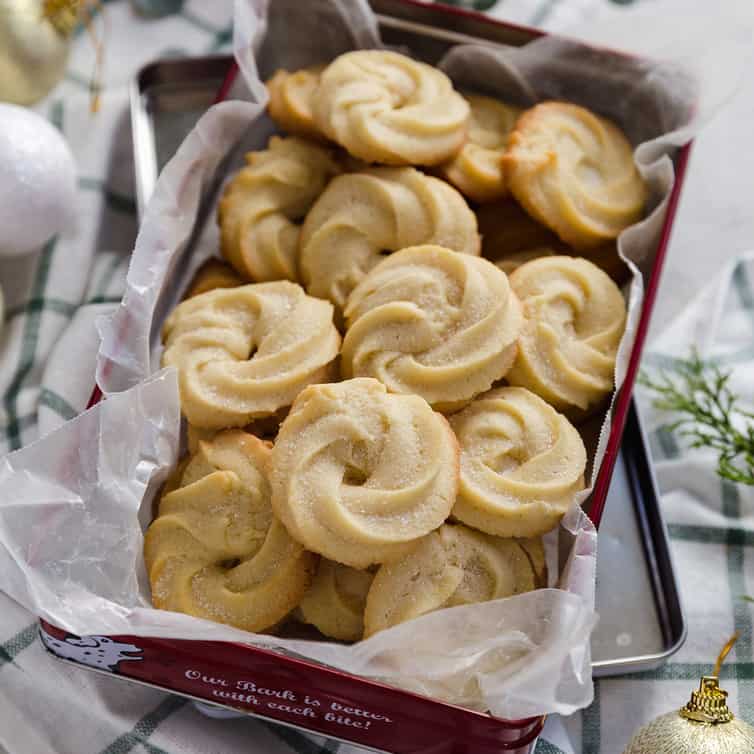
One of the secrets behind their popularity is the high butter content. This gives Danish butter cookies a tender, melt-in-your-mouth feel that sets them apart from many other cookies. The dough is usually piped or shaped into rings, pretzel shapes, or rounds, making them visually appealing.
Texture And Taste
Danish butter cookies are:
- Slightly crisp on the outside
- Soft and crumbly inside
- Richly buttery, with a hint of sweetness
The subtle vanilla flavor is sometimes present but never overpowering. Unlike many American cookies, they rarely include mix-ins like chocolate chips, nuts, or dried fruit.
Typical Ingredients
- Butter: 1 cup (unsalted, high-quality)
- Sugar: ½ cup (fine granulated)
- Flour: 2 cups (all-purpose)
- Eggs: Usually none, but a small amount may be used for texture
- Vanilla extract: 1 teaspoon (optional)
- Salt: Pinch
A standard batch takes about 20 minutes to bake and yields around 24 cookies.
Sugar Cookies: The All-american Favorite
Sugar cookies are a staple in the United States, especially during holidays like Christmas, Easter, and Halloween. Unlike Danish butter cookies, sugar cookies are known for their versatility and ability to be decorated. The dough is easy to roll out and cut into shapes, making them perfect for cookie cutters.
Texture And Flavor
Sugar cookies come in many forms, but they are usually:
- Soft or chewy, depending on the recipe
- Less buttery than Danish butter cookies
- Sweet, with a simple vanilla flavor
Many sugar cookie recipes include both butter and eggs, which make the cookies puffier and softer. They are often topped with colored icing, sprinkles, or sugar crystals.
Typical Ingredients
- Butter: 1 cup (unsalted)
- Sugar: 1 cup (granulated)
- Flour: 2¾ cups (all-purpose)
- Eggs: 1 large
- Vanilla extract: 2 teaspoons
- Baking powder: 1 teaspoon
- Salt: ½ teaspoon
A standard batch takes about 8–10 minutes to bake and yields around 24 cookies.
Credit: www.browneyedbaker.com
Comparing Danish Butter Cookies And Sugar Cookies
The differences between Danish butter cookies and sugar cookies go beyond taste. Let’s look at how they compare in several important areas.
Appearance And Shape
Danish butter cookies are usually piped into decorative shapes like rings, pretzels, or simple rounds. Sugar cookies are often rolled out and cut into any shape you can imagine—stars, hearts, trees, animals.
Ingredients And Nutrition
The two cookies share similar core ingredients but differ in proportions. Here’s a breakdown:
| Ingredient | Danish Butter Cookies | Sugar Cookies |
|---|---|---|
| Butter | High (main flavor) | Moderate |
| Sugar | Moderate | High |
| Eggs | Rarely used | Common |
| Baking Powder | None | Yes |
| Vanilla | Optional | Standard |
Taste And Mouthfeel
Danish butter cookies are rich, delicate, and not overly sweet. Sugar cookies are sweeter, with a firmer texture and a more pronounced vanilla flavor.
Decoration And Presentation
Sugar cookies shine when it comes to decoration. They are often frosted, glazed, or sprinkled with colored sugar. Danish butter cookies are rarely decorated, except for a dusting of coarse sugar.
Shelf Life
Both cookies keep well, but Danish butter cookies tend to stay fresh longer due to their low moisture. Sugar cookies can become stale faster, especially when decorated with icing.
Popular Uses
- Danish butter cookies: Gift tins, tea-time snacks, festive treats
- Sugar cookies: Holiday baking, children’s parties, decorated gifts
Baking Process: Step-by-step Comparison
Understanding how these cookies are made can help you decide which to bake.
Danish Butter Cookies
- Cream butter and sugar until light and fluffy.
- Add flour and (optional) vanilla, mixing gently.
- Pipe or shape dough onto baking sheets.
- Bake at 350°F (175°C) for 15–20 minutes, until golden.
- Cool completely before storing.
Tips: Use high-quality butter for the best flavor. Chill the dough if it becomes too soft to pipe.
Sugar Cookies
- Cream butter and sugar together.
- Add egg and vanilla, mixing well.
- Mix in flour, baking powder, and salt.
- Chill dough for at least 1 hour.
- Roll out dough, cut into shapes.
- Bake at 375°F (190°C) for 8–10 minutes.
- Decorate when cool.
Tips: Don’t overbake; cookies should be just golden at the edges. For crispier cookies, roll thinner; for softer, roll thicker.
Baking Comparison Table
| Cookie | Baking Temperature | Baking Time | Shaping Method |
|---|---|---|---|
| Danish Butter Cookies | 350°F (175°C) | 15–20 mins | Piped or shaped |
| Sugar Cookies | 375°F (190°C) | 8–10 mins | Rolled & cut |

Credit: www.amazon.com
Cultural History And Significance
Danish butter cookies have roots in Scandinavian baking traditions. Denmark’s dairy industry ensures a steady supply of high-quality butter, which is central to these cookies. The blue tin packaging started in the 1960s and quickly became a global symbol of quality and nostalgia.
Sugar cookies, on the other hand, have a long history in North America. They date back to the 1700s, with early recipes found in Pennsylvania Dutch communities. Their easy-to-shape dough and ability to be decorated made them popular for celebrations.
Fun Fact
Many people use the empty Danish butter cookie tins for storing sewing supplies, coins, or small household items. This practice is so common it’s become a running joke in American households.
Nutrition: Which Is Healthier?
If you’re watching calories, both cookies are treats, not health foods. However, there are differences worth noting:
| Cookie (1 piece) | Calories | Fat (g) | Sugar (g) | Protein (g) |
|---|---|---|---|---|
| Danish Butter | 60–70 | 4–5 | 3–4 | 0.6 |
| Sugar | 80–90 | 3–4 | 6–8 | 0.8 |
Non-obvious insight: Danish butter cookies have fewer ingredients and less sugar per serving. Sugar cookies usually have more calories due to icing and decorations.
Common Mistakes When Baking These Cookies
Danish Butter Cookies:
- Using low-quality butter
- Overmixing the dough, leading to tough cookies
- Not chilling dough before piping
Sugar Cookies:
- Overbaking, resulting in hard cookies
- Skipping chilling, making dough sticky and hard to roll
- Adding too much flour, making cookies dry
Which Cookie Should You Choose?
If you love rich, buttery flavors and a delicate texture, Danish butter cookies are ideal. They’re perfect for gifting and pair well with tea or coffee. Sugar cookies are better for creative baking—if you want to decorate or involve kids, they’re the obvious choice.
Non-obvious insight: Danish butter cookies usually cost more to buy, due to their high butter content and import status. Sugar cookies are cheaper and easier to make in large batches for parties.
The Science Behind Their Textures
The texture difference comes from the fat-to-flour ratio and presence of eggs. Danish butter cookies use more butter, which makes them tender and crumbly. Sugar cookies use eggs and baking powder, making them softer and more cake-like.
Example: If you try to pipe sugar cookie dough, it won’t hold its shape. If you roll out Danish butter cookie dough, it will crumble.
Buying Tips: What To Look For
- Choose Danish butter cookies in tins with clear expiry dates. Avoid cookies that smell stale or have a greasy feel.
- For sugar cookies, look for freshness—icing should not be sticky or runny. Avoid cookies with artificial colors or flavors if possible.
Where To Find Authentic Cookies
Danish butter cookies are often imported. Look for brands like Royal Dansk or Kjeldsens. Sugar cookies are available in bakeries, supermarkets, and homemade.
For more on the history of Danish butter cookies, visit Wikipedia.
Frequently Asked Questions Of Danish Butter Cookies vs Sugar Cookies
Are Danish Butter Cookies And Sugar Cookies Gluten-free?
Most traditional recipes for both cookies use wheat flour, which contains gluten. Gluten-free versions can be made by substituting flour with almond or rice flour, but the texture may change.
Which Cookie Is Better For Decorating?
Sugar cookies are better for decorating because their dough holds shapes well and their surface is flat. Danish butter cookies are delicate and not suited for heavy icing or decorations.
Can I Freeze Either Cookie For Later?
Both cookies freeze well. Store them in airtight containers. Danish butter cookies keep their texture; sugar cookies may soften slightly after thawing, especially if iced.
What’s The Main Flavor Difference?
Danish butter cookies taste rich and buttery with mild sweetness. Sugar cookies are sweeter and often have a strong vanilla flavor, especially when decorated.
Are These Cookies Suitable For Vegans?
Traditional recipes use butter and eggs. Vegan versions can be made with plant-based butter and egg substitutes, but taste and texture will differ from the originals.
Both Danish butter cookies and sugar cookies offer unique pleasures. Whether you prefer the rich, crumbly taste of Danish butter cookies or the sweet, decorated appeal of sugar cookies, understanding their differences can make your next cookie choice easier and more enjoyable.
Disclosure: As an Amazon Associate, I may earn from qualifying purchases at no extra cost to you. Amazon and the Amazon logo are trademarks of Amazon.com, Inc, or its affiliates.
